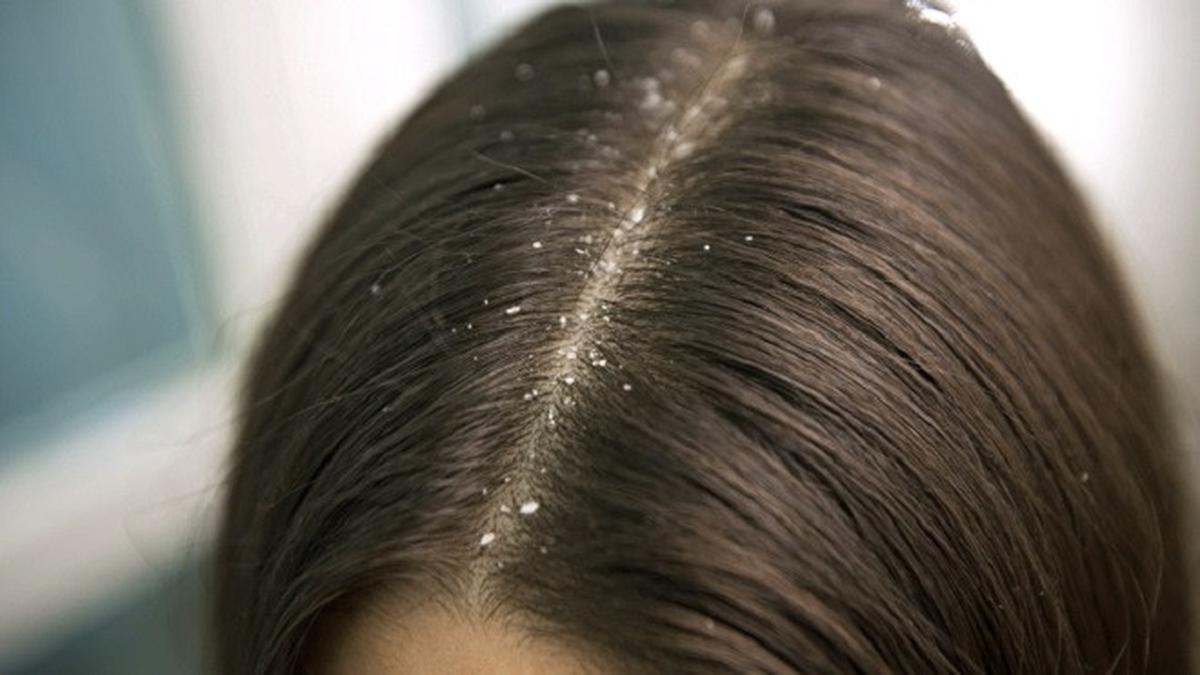
Leave-in conditioner is a lightweight moisturizer you apply to damp hair and do not rinse out. It helps with slip, frizz control, and everyday softness—especially on mid-lengths and ends. AzScalpDoctor explains how to use it, how much to apply, and when it backfires. Studio: 1061 N Dobson Rd Ste 107, Mesa, AZ 85201. Monday–Saturday 9am–5pm. Call (480) 599-0868. Education only.
Leave-in is not a cure for genetic baldness or scalp disease. It is a shaft-care step after washing.
What leave-in conditioner does
It adds a thin moisture layer that stays on the hair. Many formulas improve detangling and reduce flyaways in dry air. Creams, milks, and sprays differ in weight—match the product to your density and porosity.
Related moisture guides: cara merawat rambut kering, frizzy hair, hair porosity.
After-wash sequence in Indonesian: cara merawat rambut setelah keramas.
How to apply leave-in conditioner
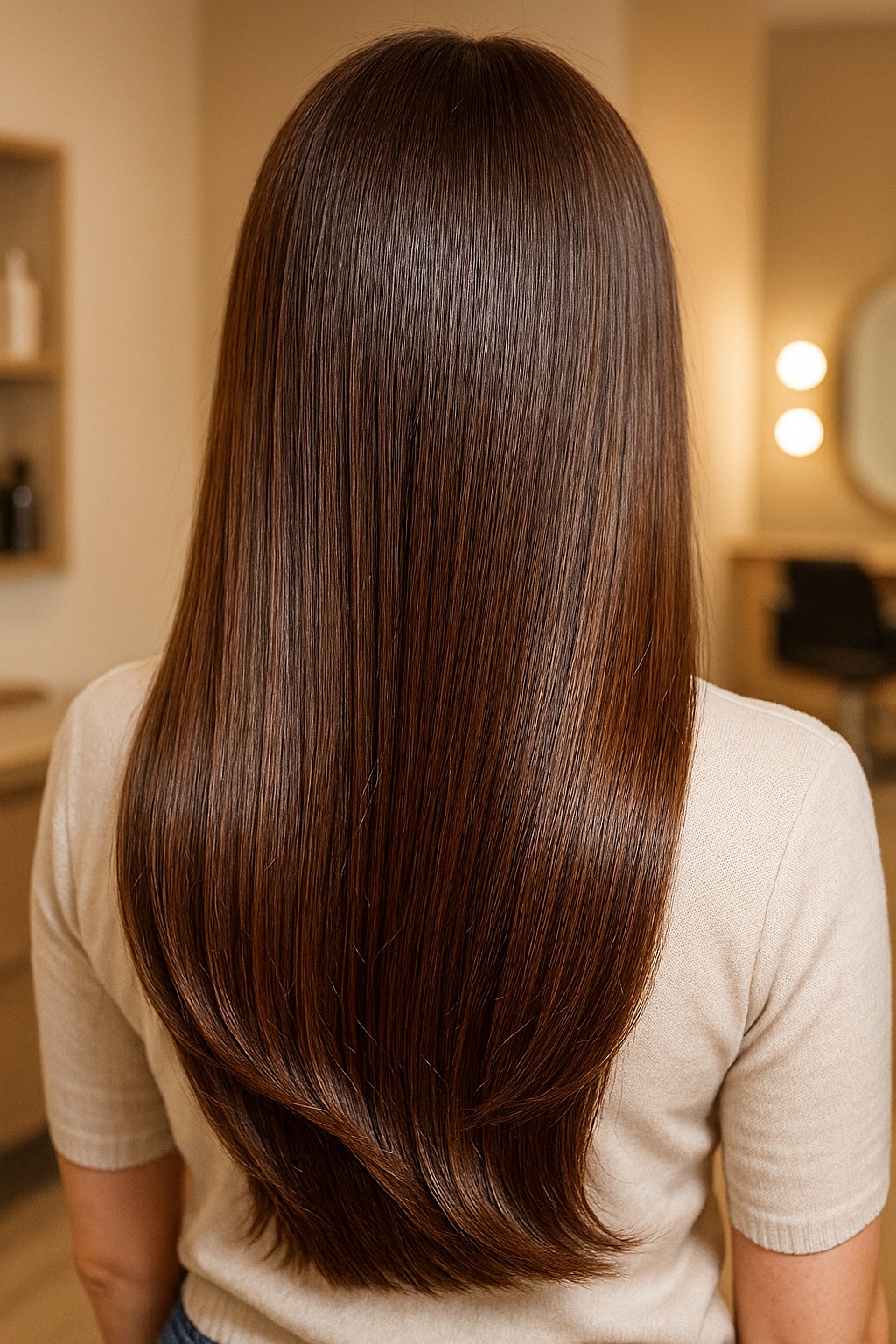
Wash and condition as usual—shampoo the scalp, rinse-out conditioner on lengths: cara mencuci rambut yang benar. Blot with microfiber. Apply leave-in to damp—not dripping—mid-lengths and ends. Comb through. Then air-dry or blow-dry with protectant.
Drying habits matter: cara mengeringkan rambut dengan benar. Heat damage notes: heat damaged hair.
Weekly masks are separate from daily leave-in—cara pakai masker rambut.

How much is enough
Start with a dime-to-nickel amount for shoulder length, less for fine hair, a bit more for thick coils. If roots look greasy by noon, you used too much or applied too high.
Fine straight hair: mist or light milk only on ends—cara merawat rambut lurus. Curly hair: cream leave-ins often help pattern definition—cara merawat rambut keriting.
Oily scalp: keep leave-in off the roots—oily scalp.
Leave-in vs oils and clarifying
Leave-in usually rinses and restyles easier than heavy kitchen oils. Oils can seal ends for some people but build film fast—minyak kelapa untuk rambut, minyak zaitun untuk rambut, castor oil for hair.
If hair feels coated and dull, clarify on a schedule—clarifying shampoo, product buildup hair, hard water hair.
Choose a regular shampoo that fits your scalp—cara memilih sampo—and a wash cadence that fits sweat—how often should I wash my hair.
Color, bleach, and Arizona dryness
Chemically treated hair often loves leave-in moisture but hates product stacking—cara merawat rambut diwarnai, rambut rusak karena bleaching.
Desert air and AC pull moisture from high-porosity shafts. A light leave-in after every wash beats random oiling at midnight.
Trim split ends so leave-in is not only polishing frayed tips—split ends.
Common mistakes
Soaking the scalp. Layering leave-in + cream + oil + gel every wash. Using leave-in as a substitute for rinse-out conditioner on very dry hair without ever clarifying.
Applying on soaking-wet hair so it dilutes and drips into the roots. Rubbing with a rough towel after application.
Expecting leave-in to stop pattern hair loss—male pattern baldness, thinning hair women.
FAQ — leave-in conditioner
Do I still need rinse-out conditioner?
Often yes. Rinse-out helps in the shower; leave-in helps after. Some masks replace rinse-out on mask days—follow the label.
Can I use it on dry hair?
A tiny amount on dry ends can calm flyaways. Most formulas work best on damp hair.
Is leave-in okay for kids?
Use gentle formulas, keep out of eyes, and avoid heavy scalp application.
Will it cause acne on the hairline?
Heavy products near the hairline can. Keep leave-in on lengths and wash sweat after workouts—jerawat kulit kepala.
A simple routine
Wash. Rinse-out conditioner on lengths. Microfiber blot. Leave-in on mid-lengths. Detangle. Protectant if heat. Dry gently. Optional pea-size serum on ends only.
One leave-in for two weeks beats five new bottles. Photograph mid-lengths in daylight day 1 and day 14.
Detangle guide: cara mengatasi rambut kusut.
Gym, pool, and night
After heavy sweat, cleanse the scalp even if you refresh lengths with water and a touch of leave-in later. After pools, rinse chlorine before leave-in.
Night: loose styles, satin pillowcase. Do not coat the scalp in leave-in to “sleep repair” an itchy map—treat itch properly—itchy scalp.
Helmets add friction; moisturize lengths after long rides instead of dry-brushing static.
When to get help
Stylist: chronic breakage, bleach damage map, cut that removes splits. Clinician: painful scalp, patches, sudden shed clumps.
SMP does not replace leave-in care—scalp micropigmentation is cosmetic density, often 2–4 sessions.
Francisco Ahumada keeps Mesa advice plain: match weight, avoid roots if oily, measure with photos.
Leave-in vs protein treatments
Leave-in is mostly moisture/slip. Protein treatments are occasional for spongy, over-stretched hair—not every day. Over-protein can make hair feel stiff and snap.
If hair feels brittle after stacking bond products and leave-ins, simplify for a week and clarify once.
Rapuh notes: cara mengatasi rambut rapuh.
Travel kit
Pack a small leave-in you already tested. Hotel hard water can make hair feel rough; leave-in plus a later clarifying wash at home helps more than buying airport oils.
Skip collecting mini products you will not finish. Consistency wins.
Call (480) 599-0868 · Ste 107 · Mon–Sat 9–5 for studio education with clear limits.
Spray vs cream leave-ins
Sprays suit fine hair and quick refreshes. Creams suit thicker or curlier lengths that need more slip. If a cream leaves white cast or pills, you used too much or layered over heavy gel.
Refresh days: mist water, pea-size leave-in on ends, finger-coil or smooth—do not re-shampoo unless the scalp needs it.
Keep fragrance light if your scalp is reactive—kulit kepala sensitif.
Two-week experiment log
Pick one leave-in. Use it after every wash for 14 days with the same towel and heat habits. Note grease time, frizz, and tangle level. Change only the dose before changing the brand.
If clarifying becomes frequent only because of leave-in, cut the amount in half. Buildup is a dosage problem more often than a “bad ingredient” myth.
Diet-related shed and pattern loss still need separate sorting—leave-in will not fix those timelines.
Match the weight, then judge the weather
Leave-in conditioner works when the amount fits your hair and stays off an oily scalp. Pair it with gentle drying and honest trims. AzScalpDoctor keeps East Valley guidance practical—not hype. Call (480) 599-0868 · Ste 107 · Mon–Sat 9–5.
Tinggalkan Balasan