Tag: Mesa

  • Clarifying Shampoo: When to Use It and How Often

    Clarifying Shampoo: When to Use It and How Often

    Clarifying shampoo is a stronger cleanser meant to remove product residue, hard-water minerals, and heavy oils—not your everyday gentle wash. Used on a schedule, it can reset dull, coated hair. Used daily, it can leave lengths dry and cranky. AzScalpDoctor explains when to clarify, how to follow up, and common mistakes. Studio: 1061 N Dobson Rd Ste 107, Mesa, AZ 85201. Monday–Saturday 9am–5pm. Call (480) 599-0868. Education only.

    Think of clarifying as a reset button, then moisturize the lengths again.

    What clarifying shampoo does

    It targets buildup from dry shampoo, silicones, styling paste, sweat salts, and mineral film. Hair often feels lighter and looks shinier after a good rinse—especially in hard-water homes.

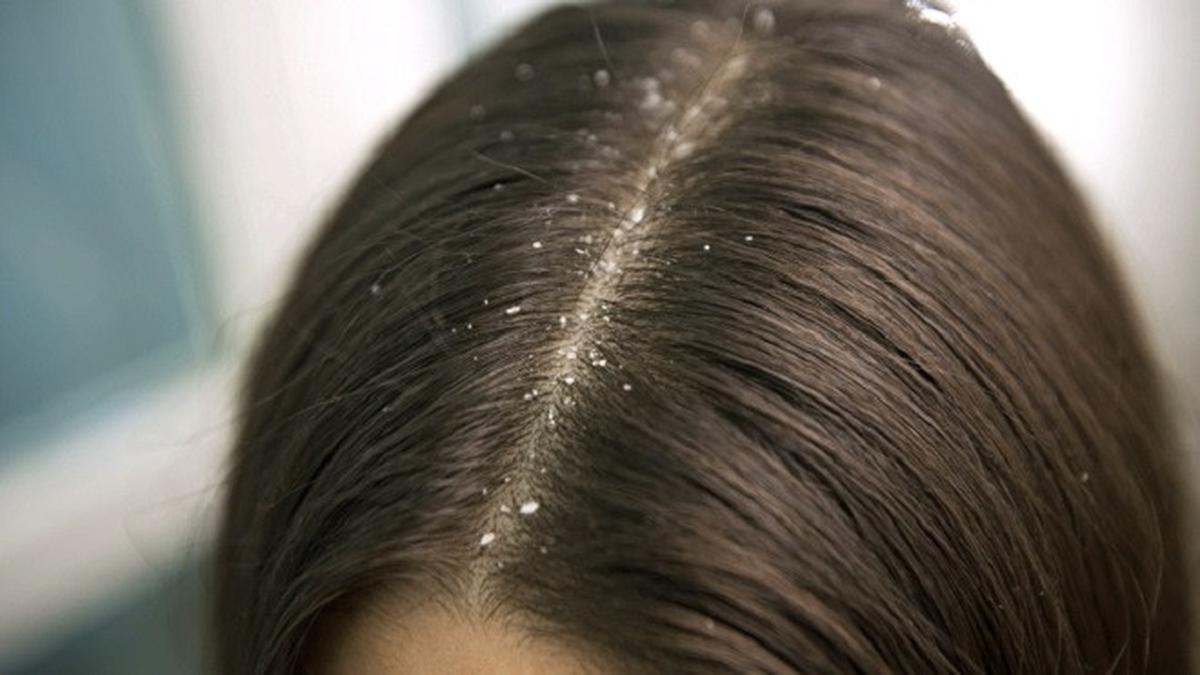
    It is not a medicated dandruff cure by itself. Sort flakes properly—dandruff vs dry scalp, itchy scalp.

    Buildup deep dive: product buildup hair. Hard water: hard water hair.
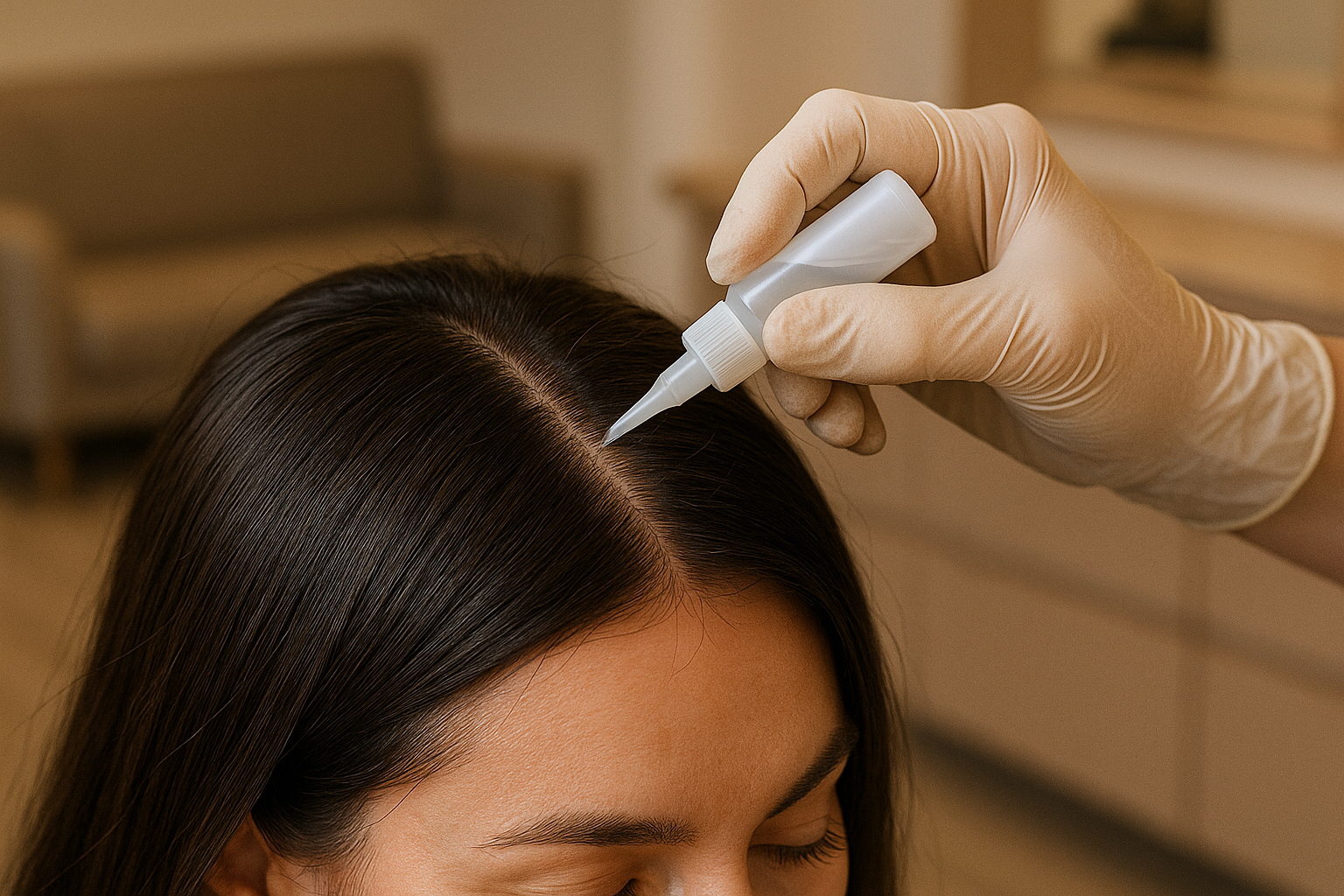
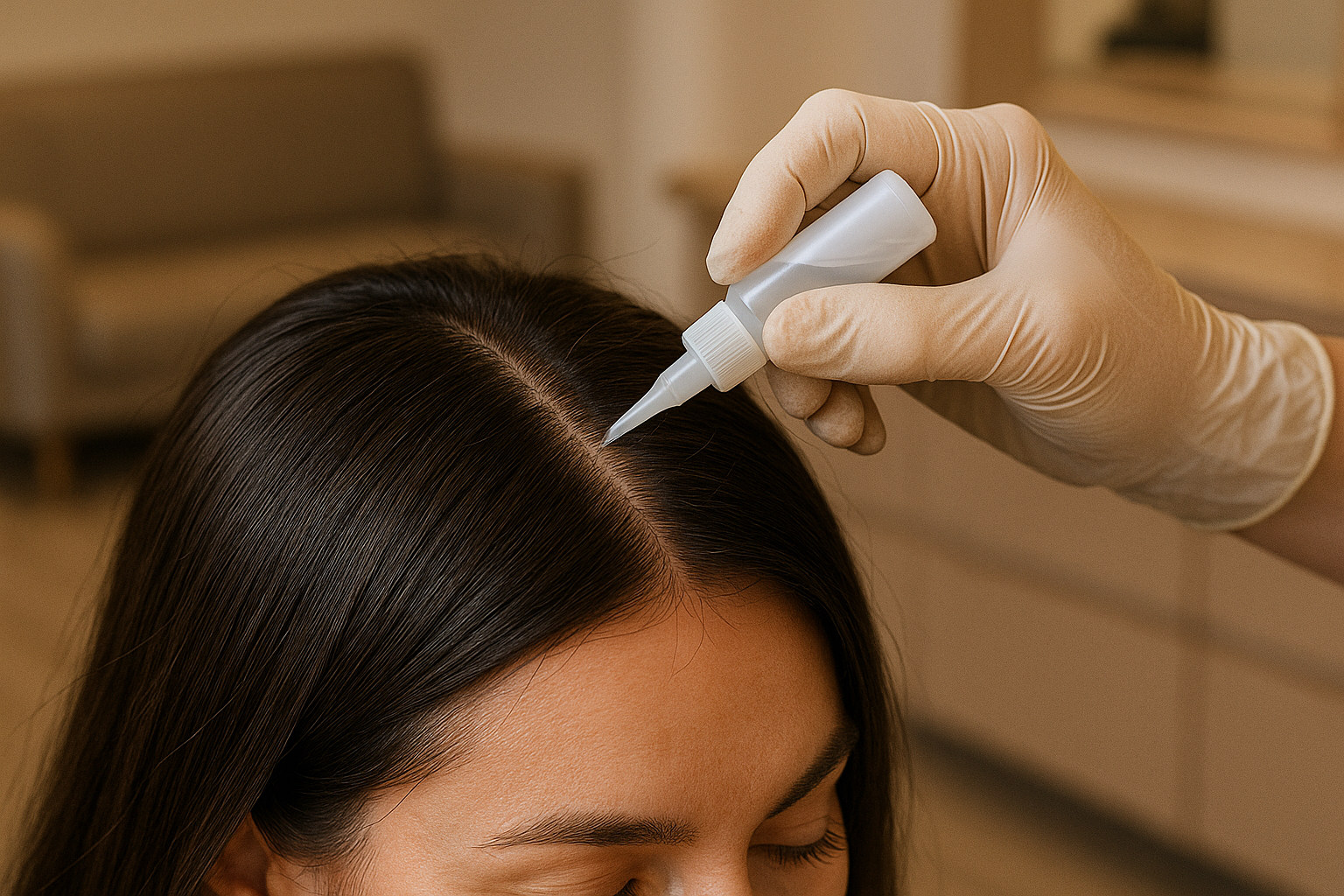
    Clarifying shampoo removes residue and mineral film when used on a schedule

    How often should you clarify

    Many people do well every 1–2 weeks, or before a color service, or after a heavy-product week. Oily scalps and athletes may clarify the scalp zone more often in small amounts. Dry, bleached, or curly hair may clarify less often and always follow with conditioner or a mask.

    Daily clarifying is rarely needed. Wash frequency overall: how often should I wash my hair. Choosing everyday shampoo: cara memilih sampo.

    Technique: cara mencuci rambut yang benar.
    After clarifying shampoo, condition or mask mid-lengths to restore slip

    How to use clarifying shampoo

    Wet hair. Focus lather on the scalp. Let foam run down lengths instead of scrubbing shafts harshly. Rinse well. Apply conditioner mid-lengths to ends every time. Add a moisture mask if hair feels squeaky—cara pakai masker rambut.

    Dry gently afterward—cara mengeringkan rambut dengan benar. Heat protectant if you blow-dry—heat damaged hair.

    If you used castor or olive oil treatments, clarifying helps reset—castor oil for hair, minyak zaitun untuk rambut.

    Who benefits most

    People with heavy styling stacks, dry-shampoo habits, hard water, swimming chlorine routines, or sticky oil experiments. Straight fine hair shows grease and film quickly—cara merawat rambut lurus.

    Color-treated hair can look dull from film—clarify occasionally, then moisturize—cara merawat rambut diwarnai. Bleached hair needs gentler cadence—rambut rusak karena bleaching.

    Curls: clarify when products pill or weigh curls down, then restore slip—cara merawat rambut keriting, frizzy hair.

    Who should go easy

    Very dry, high-porosity, or freshly bleached hair may feel straw-like if clarifying is too frequent. Sensitive scalps should patch attention to fragrance and surfactants—kulit kepala sensitif.

    If you have active scalp disease, ask a clinician before aggressive cleansers. Medicated plans differ from clarifying cosmetic buildup.

    Porosity matching after the reset: hair porosity.

    Mistakes that backfire

    Clarifying every day “for volume.” Skipping conditioner after. Scrubbing lengths like laundry. Stacking oil the same night without a plan to wash.

    Using clarifying as a cure for genetic thinning—male pattern baldness, thinning hair women.

    Confusing mineral film with the need for five new serums.

    Arizona water and gym life

    Valley hard water and sweat make clarifying more relevant for many Mesa routines. After heavy training weeks, a scalp-focused clarify plus length conditioner often beats dry shampoo layers.

    Pool chlorine: rinse after swims; clarify when hair feels crunchy, then mask ends.

    Helmets trap oil and product at the crown—cleanse the scalp zone thoroughly.

    FAQ — clarifying shampoo

    Is it the same as anti-dandruff shampoo?

    Not always. Some formulas overlap, but buildup and yeast-related flakes are different problems.

    Will it fade color?

    Strong cleansers can accelerate fade. Moisturize after and do not clarify daily.

    Can I clarify then oil immediately?

    You can moisturize lengths; heavy scalp oiling right away often restarts buildup.

    Does clarifying stop hair loss?

    No. It removes residue. Shed causes need separate sorting—rambut rontok.

    A simple monthly plan

    Week 1: clarify + mask. Weeks 2–3: regular gentle shampoo. Week 4: clarify if film returns. Adjust for workouts and hard water.

    Photograph mid-lengths in daylight before/after the first clarify week. Judgment beats bottle collecting.

    Split ends still need trims—split ends.

    SMP clients and clarifying

    Follow aftercare timing after pigment work before aggressive scalp scrubbing. Cosmetic density does not remove the need for clean skin long term—scalp micropigmentation.

    Francisco Ahumada keeps Mesa guidance practical: reset buildup, then be kind to lengths.

    Call (480) 599-0868 · Ste 107 · Mon–Sat 9–5.

    Clarifying vs everyday shampoo

    Everyday shampoo maintains. Clarifying resets. Keep both roles separate so you do not strip lengths daily or ignore film for months. Label reading beats influencer carts.

    If your “gentle” shampoo no longer foams, film may be present—or you simply used too little water and product. Rinse habits matter.

    Kids and athletes: more sweat may need more frequent scalp cleansing, but full-strength clarifying on lengths can still be weekly or less.

    After clarify: dry and style smart

    Hair can feel lighter and flyaway right after a reset. Use a light leave-in on damp mid-lengths. Avoid stacking oil, butter, and cream in one session or you rebuild film immediately.

    Blow-dry on moderate heat. Do not chase “squeaky clean” with a flat iron at max temperature the same morning.

    Trim schedule still stands if tips are white and split—clarifying does not glue fibers.

    Travel and hard-water hotels

    Pack a small clarifying bottle for week-long trips if your hotel water is rough and styling products pile up. Follow with conditioner every time.

    Airport dry shampoo layers are classic film builders. Plan a real wash after travel days.

    Mesa summers: sweat + sunscreen + hat oil means the scalp zone needs attention even when lengths look fine.

    When clarifying is not enough

    Painful scalp, thick scale, pus, or sudden clumps of shed need clinical care—not a stronger bottle. Diet-related telogen and pattern loss also need different paths.

    Keep a two-week diary of products and workouts before you buy a third clarifying brand.

    AzScalpDoctor education stays practical: remove film, moisturize lengths, refer medical issues out.

    Reset the film, then restore moisture

    Clarifying shampoo works when scheduled, focused on the scalp, and followed by length care. AzScalpDoctor keeps that sequence clear for East Valley readers. Call (480) 599-0868 · Ste 107 · Mon–Sat 9–5.
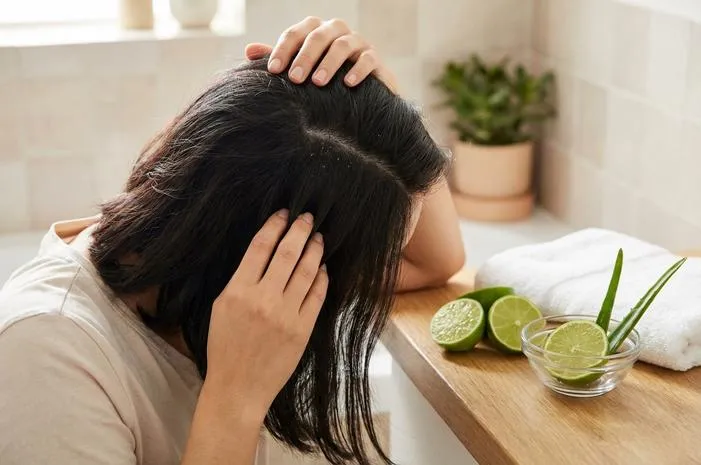
  • Split Ends: Causes, Prevention, and When to Trim

    Split Ends: Causes, Prevention, and When to Trim

    Split ends are the frayed tips of the hair shaft where the cuticle has worn away and the fiber splits. They do not heal back together—only trimming removes them. AzScalpDoctor explains causes, prevention, and honest limits so you stop chasing serums that promise to “seal” broken ends forever. Studio: 1061 N Dobson Rd Ste 107, Mesa, AZ 85201. Monday–Saturday 9am–5pm. Call (480) 599-0868. Education only.

    White dots, Y-shaped tips, and tangles at the ends are common signs. Mid-shaft splits can travel upward if you ignore them.

    What causes split ends

    Mechanical stress: rough towels, tight elastics, aggressive brushing. Heat tools at high temperatures. Chemical services like bleach and frequent color. Sun and chlorine dry the fiber. Hard water roughness adds to the feel of damage.

    Related guides: heat damaged hair, rambut rusak karena bleaching, hard water hair.

    Indonesian overview of branched tips: rambut bercabang.

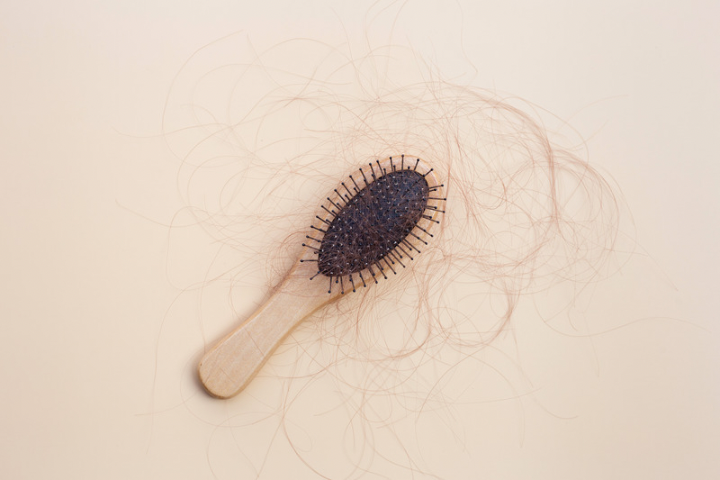
    Split ends show as frayed white tips that need trimming, not miracle sealing

    Split ends vs shedding

    Split ends are shaft damage. Shedding from the root shows bulbs on fallen hairs and links to cycle changes—stress, diet shock, postpartum, pattern loss. Do not treat telogen shed with only end serums.

    Shedding reads: rambut rontok setelah diet, postpartum hair loss, thinning hair women.

    Breakage mid-shaft without bulbs still points to mechanical/chemical stress—cara mengatasi rambut rapuh.

    Gentle detangling and less heat help prevent new split ends

    What actually helps

    Trim the damaged tips on a schedule that matches your heat and color habits—often every 6–10 weeks for frequent stylers. Dusting small amounts can preserve length while removing white frays.

    Wash gently: shampoo the scalp, condition the lengths—cara mencuci rambut yang benar. Weekly moisture masks on mid-lengths: cara pakai masker rambut.

    Microfiber blot, wide-tooth detangle from the ends, heat protectant, lower tool temperatures. Satin pillowcases reduce night friction.

    Products: useful vs hype

    Conditioners, masks, and light oils can make ends feel smoother and reduce snagging. They do not weld a split closed permanently. Marketing that says “repair split ends forever without scissors” oversells.

    Match product weight to porosity—hair porosity. Fine straight hair needs lighter amounts at the tips—cara merawat rambut lurus. Curls need slip—cara merawat rambut keriting.

    Buildup from stacking five “bond” products can make hair feel coated—product buildup hair.

    Heat, color, and Arizona habits

    Every max flat-iron session costs cuticle. Space bleach lifts—cara merawat rambut diwarnai. Wear hats in strong Mesa sun. Rinse after pools.

    Clarify occasionally if hard water and product dull the shaft, then moisturize again.

    Frizz at the ends often tags along with splits—frizzy hair.

    Detangling without creating new splits

    Work on damp hair with conditioner slip. Start at the ends. Do not rip through dry knots with a fine brush. See cara mengatasi rambut kusut.

    Loose styles beat tight buns that chew the same section daily. Replace cracked elastics.

    Kids’ hair: gentle brushes, less heat, regular dusting trims.

    FAQ — split ends

    Can oil cure split ends?

    Oil can soften feel. Scissors remove the split. Tiny amounts on tips only if your scalp runs oily.

    Do I need to cut all my length?

    Not always. Small, frequent trims often beat one dramatic chop—unless damage is severe up the shaft.

    Why do splits come back so fast?

    Heat, bleach, and friction are still high. Trim without changing habits and they return quickly.

    Are split ends the same as hair loss?

    No. One is shaft fray; the other is density/shed from the root cycle or pattern loss—male pattern baldness when relevant.

    A two-week prevention reset

    Book or DIY a conservative trim. Drop tool heat one setting. Conditioner every wash on lengths. One mask. Microfiber. Satin at night. Photograph ends in daylight day 1 and day 14.

    Choose a shampoo that does not strip you harshly—cara memilih sampo. Set wash frequency to your scalp—how often should I wash my hair.

    Skip adding five new serums in one weekend.

    When to see a pro

    Stylist: uneven damage, bleach breakage, shape that hides thinning ends. Clinician: scalp pain, patches, sudden shed clumps—not a scissors issue alone.

    SMP does not repair split ends. It camouflages scalp show after goals are clear—scalp micropigmentation, often 2–4 sessions.

    Bring notes: last color date, heat days per week, trim history.

    Myths to drop

    “This serum fuses ends permanently.” “Cutting makes hair grow faster from the root.” “Never trimming preserves health.” Growth speed is follicle biology; end health is maintenance.

    Coconut oil on tips can help feel for some—limits apply: minyak kelapa untuk rambut. Rosemary myths will not glue fibers—rosemary oil hair growth.

    AzScalpDoctor keeps Mesa advice plain: trim + gentler habits.

    Gym, sleep, and travel

    Sweat salt dries ends—rinse after hard workouts. Helmet friction chews the crown and ponytail zone. Pack a travel conditioner, not ten unfinished bottles.

    Sleep in loose styles. Replace rough pillowcases when you can.

    Pool chlorine: wet hair first, rinse after, condition lengths.

    Straight, curly, and color-treated ends

    Straight hair shows white tips clearly under office light—see cara merawat rambut lurus. Curly patterns hide splits until knots snag—keep slip high while detangling.

    Bleached ends split faster. Space chemical lifts and moisturize mid-lengths. Do not flat-iron damaged tips to “hide” them; that usually worsens fray.

    If diet-related shed is happening at the same time, treat roots and ends as separate problems—rambut rontok setelah diet.

    How to check ends at home

    Twist a small dry section in daylight. Look for Y-shaped tips and white dots. Compare the same section monthly after you change heat habits.

    Bathroom yellow light hides damage. Phone flash can exaggerate it. Daylight wins.

    If the fiber feels spongy and stretches too far after bleach, ask a stylist about a stronger cut strategy—not only oil.

    Studio note

    AzScalpDoctor educates Mesa clients that pigment work does not seal split ends. Healthy trims and softer styling still matter after any cosmetic density plan.

    Francisco Ahumada keeps session counts honest—often 2 to 4 for SMP—while shaft care stays your daily job.

    Call (480) 599-0868 for hours at Ste 107, Monday–Saturday 9–5.

    Trim the fray, change the habit

    Split ends need scissors and softer daily mechanics. Products support feel; they do not replace trims. Call (480) 599-0868 · Ste 107 · Mon–Sat 9–5 for studio education with clear limits.

  • Rosemary Oil Hair Growth: Honest Limits and Safer Use

    Rosemary Oil Hair Growth: Honest Limits and Safer Use

    Rosemary oil hair growth tips flood social feeds—but oil on the scalp is not a guaranteed cure for genetic baldness. Some people use diluted rosemary oil as a scalp massage habit; evidence is limited compared with proven medical options. AzScalpDoctor separates hype from practical use and safety. Studio: 1061 N Dobson Rd Ste 107, Mesa, AZ 85201. Monday–Saturday 9am–5pm. Call (480) 599-0868. Education only—not medical advice.

    If you try it, dilute, patch-test, and keep expectations honest. Pattern hair loss still needs clinical thinking.

    What rosemary oil can and cannot do

    Can: feel refreshing for some scalps; support a massage routine that you might stick with; occasionally help the sense of scalp comfort when used carefully diluted.

    Cannot reliably: reverse advanced androgenetic baldness alone, replace prescribed therapies, or fix scarring alopecia. Viral “one drop = full head” claims are marketing, not clinic standards.

    Broader shedding framework: rambut rontok and thinning hair women.

    Rosemary oil hair growth routines should use diluted oil and patch testing

    How people typically use it

    Dilute essential oil in a carrier (jojoba, grapeseed, or similar)—never dump undiluted essential oil on broken skin. Massage lightly into the scalp for a few minutes, then leave a short time or wash per your tolerance.

    Frequency: a few times per week is common in DIY routines—not hourly saturation. If you run oily, keep amounts tiny. Oily scalp guide: oily scalp.

    Wash technique still matters: cara mencuci rambut yang benar. Residue stacks fast—product buildup hair.

    Cleanse after oil treatments so rosemary oil hair growth experiments do not cause buildup

    Safety first

    Patch-test behind the ear. Stop if redness, burning, or swelling appears. Avoid eyes. Be cautious in pregnancy and with children—ask a clinician.

    Do not oil over active infection, open sores, or thick inflammatory plaques. Itch maps: itchy scalp. Acneiform bumps: jerawat kulit kepala.

    Essential oils are concentrated. “Natural” does not mean harmless.

    Sort the cause of hair loss first

    Telogen shed after stress, illness, or postpartum differs from pattern thinning. Iron and thyroid issues need labs when indicated—rambut rontok karena zat besi, postpartum hair loss.

    Traction from tight styles needs looser habits, not more oil. Breakage from bleach/heat is a shaft problem—rambut rusak karena bleaching and heat damaged hair.

    Oil will not outwork a wrong diagnosis.

    What usually works better than oil alone

    Gentle cleansing, less max heat, protein-iron balanced diet with clinician guidance, treating scalp disease properly, and evidence-based medical options when a dermatologist recommends them.

    For cosmetic density camouflage after goals are clear, SMP is a separate path—usually 2 to 4 sessions—not an oil substitute: scalp micropigmentation.

    Photograph the part monthly in daylight. Judge change over months, not overnight selfies.

    DIY mistakes

    Undiluted essential oil burns. Daily heavy oiling on already greasy roots. Mixing five oils plus castor “for growth” until the scalp is glued shut.

    Skipping shampoo until buildup mimics dandruff. Blaming genetics on “not enough rosemary.”

    Using oil on psoriasis plaques without medical care—psoriasis kulit kepala.

    FAQ — rosemary oil hair growth

    Is it proven like minoxidil?

    No. Some small studies are interesting; it is not a universal replacement for prescribed care.

    Can I leave it on overnight?

    Only if your scalp tolerates diluted oil and you can cleanse well after. Many people prefer shorter contact.

    Will it thicken a receding hairline?

    Do not count on it for advanced pattern loss. Get evaluated.

    What about rosemary water sprays?

    Marketing varies. Keep hygiene clean; sprays can still irritate sensitive skin.

    A cautious four-week trial

    Week 1: patch test. Weeks 1–4: diluted massage 2–3 times weekly, gentle wash, no new harsh chemicals. Log itch, oiliness, and part photos.

    Stop early if irritation. Do not stack ten new actives at once.

    Arizona heat + heavy oil + workouts can clog; cleanse sweat promptly.

    Carrier oils and hair lengths

    If lengths are dry, a tiny amount of carrier on ends differs from scalp treatment. Coconut experiments on shafts: minyak kelapa untuk rambut.

    Match moisture weight to porosity—hair porosity—so ends do not feel greasy while roots starve or vice versa.

    Curly dry ends need slip and moisture more than endless essential oil drops—cara merawat rambut keriting.

    Honest brand line

    AzScalpDoctor will not sell rosemary as a miracle. Francisco Ahumada keeps Mesa clients on clear limits: habits, medical referral when needed, cosmetics after consent.

    Bring your routine notes to any consult. Better notes, better triage.

    Call (480) 599-0868 · Ste 107 · Mon–Sat 9–5.

    Wash frequency still matters

    Oiling more while washing less can create itch and odor. Set a scalp-clean schedule that fits your sweat and oil level—see how often should I wash my hair.

    Choose a cleanser that matches your scalp, not the oil trend of the week—cara memilih sampo.

    After workouts in Mesa heat, cleanse sweat before layering any oil experiment.

    Measuring results without self-deception

    Use the same bathroom lighting? Better: daylight photos of the part and temples every four weeks. Count shed on a wash day once a week instead of staring hourly.

    If density is still falling at three months, escalate to a clinician—do not only increase rosemary drops.

    Track meds, diet changes, and illness. Telogen triggers explain many “sudden” sheds better than missing oil.

    Who should skip DIY oils

    Broken scalp skin, active folliculitis, weeping eczema, or recent chemical burns. Patchy alopecia areata needs medical mapping, not kitchen aromatherapy as first line.

    People with fragrance migraine or strong essential-oil sensitivity should avoid scalp experiments entirely.

    If you already struggle with oily roots, prioritize cleansing discipline before any growth-oil stack.

    Where SMP sits in the conversation

    When medical options and time are clear, some clients choose pigment for scalp show. That is camouflage, usually planned across 2 to 4 sessions—not an overnight oil result.

    Healed photos beat filtered promises. Ask about maintenance and sun care in the Arizona climate.

    Studio address stays Ste 107 on N Dobson Rd for in-person education.

    Dilute, test, measure—do not mythologize

    Rosemary oil hair growth talk should stay grounded: possible comfort habit, not a guaranteed cure. Sort causes, protect the scalp, and use proven care when indicated. AzScalpDoctor keeps that line clear for Valley readers.

  • Hair Porosity: How to Match Moisture to Your Cuticle

    Hair Porosity: How to Match Moisture to Your Cuticle

    Hair porosity describes how easily your hair absorbs and holds moisture. Low porosity resists products. High porosity soaks them up—then loses moisture fast. AzScalpDoctor explains simple checks, care by type, and honest limits. Studio: 1061 N Dobson Rd Ste 107, Mesa, AZ 85201. Monday–Saturday 9am–5pm. Call (480) 599-0868. Education only—not a lab diagnosis.

    Porosity is not the same as thickness or curl pattern. Fine hair can be high porosity after bleach. Coarse hair can be low porosity and still feel dry on the ends.

    What hair porosity means

    The cuticle layer acts like shingles. Flat, tight cuticles often mean lower porosity. Raised or damaged cuticles often mean higher porosity. Color, bleach, heat, and sun can raise porosity over time.

    Knowing your range helps you pick product weight and wash habits. It does not replace medical care for scalp disease.

    Related shaft care: cara merawat rambut kering, heat damaged hair, and frizzy hair.

    Hair porosity depends on how open or closed the cuticle is

    Simple at-home clues (not lab science)

    Float test myths circulate online. A single glass of water is not a clinic assay. Better clues: do products sit on the hair for hours with little soft feel (possible low)? Does hair feel wet-to-dry in minutes and frizz in wind (possible high)?

    Bleached or frequently flat-ironed hair often behaves high porosity even if it started lower. Virgin hair with dense cuticles may need warmth or lighter layers to absorb conditioner.

    Track wash day notes for two weeks instead of one viral test. Pair with wash technique from cara mencuci rambut yang benar.

    Matching product weight to hair porosity reduces buildup and frizz

    Low porosity care

    Use lighter leave-ins. Apply conditioner on damp—not dripping—hair. A warm towel or short steamy bathroom time can help products move in. Avoid stacking five heavy butters that sit on top and create buildup.

    Clarify on a schedule if hair feels coated yet dry. Then moisturize lengths. Buildup guide: product buildup hair. Hard water film can mimic low absorption—hard water hair.

    Weekly masks help some people—keep them on mid-lengths: cara pakai masker rambut.

    High porosity care

    Seal moisture with cream or light oil on ends after washing. Reduce max heat. Space bleach sessions. Protein treatments can help spongy, overly stretchy hair—but do not protein every day or shafts can feel stiff and snap.

    Color-treated high porosity fades and frizzes faster. Follow gentler color care: cara merawat rambut diwarnai.

    Trim split ends so damage does not travel: rambut bercabang.

    Medium porosity and mixed hair

    Many people sit in the middle—or have higher porosity ends and lower porosity roots. Treat zones differently: cleanser at the scalp, richer products on ends.

    Curly patterns often need more moisture on lengths regardless of label—see cara merawat rambut keriting.

    Arizona dryness pulls moisture from high porosity shafts quickly. Adjust leave-in weight with the season.

    What porosity does not fix

    It does not diagnose androgenetic thinning, iron-related shed, or scalp infection. Sudden shedding needs a different path—rambut rontok and postpartum hair loss when relevant.

    Oiling an inflamed scalp because a chart said “high porosity” can worsen itch. Sort skin first: itchy scalp.

    SMP does not change cuticle porosity. It is cosmetic density after goals are clear—scalp micropigmentation.

    Product routine by porosity

    Low: lighter leave-in, occasional clarifying, warm application, less heavy oil at roots. High: moisture plus seal on ends, less heat, careful protein cadence, honest trims.

    Both: shampoo the scalp, condition the lengths, microfiber blot, heat protectant if tools are used.

    Coconut oil experiments belong on lengths in small amounts for some dry hair—not as a scalp medicine. ID guide: minyak kelapa untuk rambut.

    FAQ — hair porosity

    Can porosity change?

    Yes. Chemical services and heat can raise it. Growth of new virgin length can feel different from older ends.

    Is the water float test accurate?

    It is a rough clue at best. Behavior with products and drying time matters more.

    Do I need special porosity shampoos?

    Not always. Matching weight and wash habits often beats collecting labeled bottles.

    How long until hair feels better?

    Feel often shifts in one to two weeks of better matching. Full length recovery needs growth time.

    Two-week reset

    Days 1–14: one cleanser, one conditioner, one leave-in weight matched to your clues, one mask, max one moderate heat day. Photograph mid-lengths in daylight.

    Stop adding a new oil every other day. Judge the plan before shopping again.

    If the scalp is red, scaly, or painful, pause DIY and get skin checked.

    Porosity and Arizona water

    Hard water minerals can make any porosity feel rougher. Occasional clarifying plus a moisture mask on lengths often helps more than buying a tenth serum. Pair with hard water hair.

    Pool chlorine raises cuticles temporarily. Rinse after swimming, then condition mid-lengths. Do not judge porosity only on a pool day.

    Desert air pulls moisture from high porosity shafts. Keep a leave-in in your gym bag for post-workout lengths—not five heavy oils for the scalp.

    When thinning is the real issue

    If the part is widening and density is dropping, porosity charts will not fix root-level thinning. Sort medical causes and pattern loss separately—see thinning hair women.

    Breakage from rough towels can look like “thin ends.” Microfiber and trims matter before you relabel every bottle.

    AzScalpDoctor keeps porosity as a care tool, not a catch-all diagnosis for every hair complaint in Mesa.

    Studio note on expectations

    Francisco Ahumada educates clients that pigment work does not repair cuticles. Healthy wash habits still matter after cosmetic density plans.

    Most SMP plans take 2 to 4 sessions. Bring wash notes and last color date to any consultation so advice stays practical.

    Call (480) 599-0868 for studio hours at Ste 107—Monday to Saturday 9 to 5.

    Match the cuticle, then the climate

    Hair porosity helps you choose moisture weight and heat limits. AzScalpDoctor keeps the guide practical for Mesa and Phoenix-area readers. Call (480) 599-0868 · Ste 107 · Mon–Sat 9–5.
  • Frizzy Hair: Causes and Habits That Actually Calm Frizz

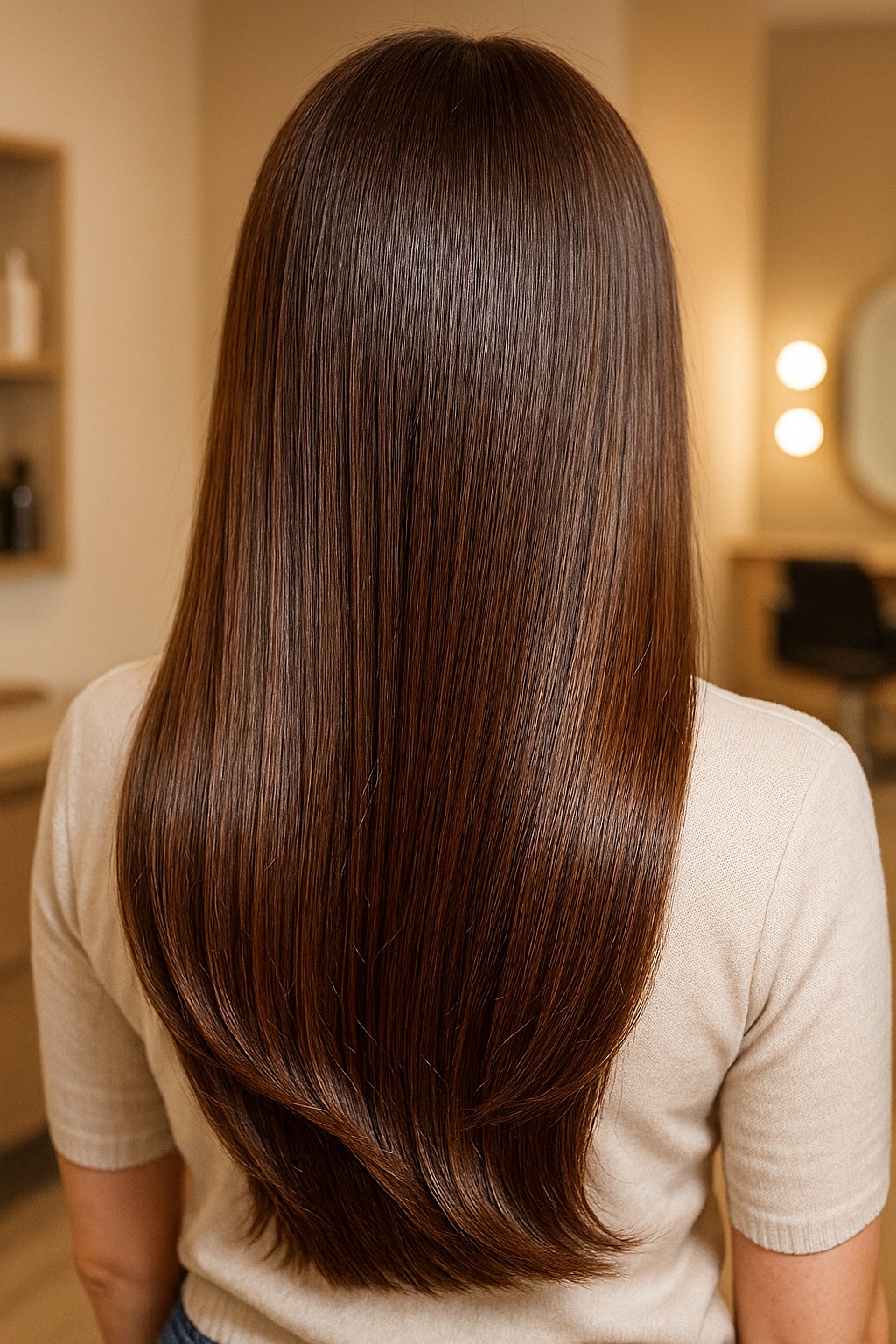
    Frizzy Hair: Causes and Habits That Actually Calm Frizz

    Frizzy hair happens when the cuticle lifts and the shaft grabs humidity or friction. Strands look fuzzy, flyaway, and hard to smooth. AzScalpDoctor covers causes and habits that actually calm frizz—without promising glass hair forever in monsoon season. Studio: 1061 N Dobson Rd Ste 107, Mesa, AZ 85201. Monday–Saturday 9am–5pm. Call (480) 599-0868. Education only.

    Desert dryness plus AC plus occasional humidity swings make Valley frizz unpredictable. Fix moisture and friction before buying a tenth serum.

    What causes frizzy hair

    Raised cuticles scatter light and catch moisture from the air. Dryness, heat damage, color/bleach, rough towels, and harsh brushing all lift cuticles. Curly and wavy patterns show frizz more because oils travel less evenly along bends.

    Humidity can swell the shaft. That is physics, not personal failure. Damaged hair frizzes faster than healthy hair in the same weather.

    Related shaft guides: cara merawat rambut kering, heat damaged hair, and cara mengatasi rambut kusut.

    Frizzy hair often means lifted cuticles from dryness, heat, or humidity

    Wash-day habits that reduce frizz

    Shampoo the scalp; let foam run down lengths. Conditioner mid-lengths to ends every wash. Blot with a microfiber towel—do not rub. Detangle with a wide-tooth comb from the ends.

    Technique matters as much as brand. Start with cara mencuci rambut yang benar. Weekly moisture masks help many dry, frizz-prone lengths—see cara pakai masker rambut.

    Clarify on a schedule if products coat the hair and make it frizz unevenly—product buildup hair. Hard water film can feel like roughness too—hard water hair.

    Leave-in conditioner and less towel friction help control frizzy hair

    Styling without creating more frizz

    Apply leave-in or cream on damp hair. Use heat protectant before tools. Aim dryer airflow down the shaft. Lower the temperature. Touch less while drying.

    A tiny amount of serum on dry ends can calm flyaways. Too much oil at the roots creates grease without fixing frizz—especially with an oily scalp.

    Overnight: loose braid or satin pillowcase to cut friction. Tight elastics break hair and create new fuzzy ends.

    Color, bleach, and frizz

    Chemically lightened hair frizzes easily. Space sessions, moisturize lengths, and stop daily max heat. Color-care habits: cara merawat rambut diwarnai.

    Bonding treatments can help some bleached hair feel stronger. They are not permission for 450°F every morning.

    Trim split ends so frizz does not travel up the shaft—rambut bercabang.

    What usually fails

    Brushing dry curls aggressively. Rubbing with a terry towel. Skipping conditioner “because oily roots.” Roots and lengths need different zones.

    Layering five anti-frizz products that stack into buildup. Clarifying never, then blaming humidity alone.

    Scratching an itchy scalp until the shaft is rough with blood and flakes—treat the scalp pattern separately via itchy scalp or dandruff vs dry scalp.

    When to get help

    Sudden shedding with frizz may be more than weather—check medical causes if density drops. Persistent scalp disease needs a clinician. Stylists help with cuts that remove damaged ends honestly.

    SMP does not seal cuticles. It is cosmetic density after skin is calm—scalp micropigmentation.

    Bring notes: wash frequency, heat days, last color date. Better notes, better advice.

    Arizona weather notes

    Dry months pull moisture from the shaft. Monsoon humidity swells cuticles. Adjust leave-in weight with the season instead of one forever formula.

    Pool season needs rinse-and-condition discipline. Sun hats protect color and moisture.

    Helmets add friction at the crown. Loosen when you can; moisturize lengths after long rides.

    FAQ — frizzy hair

    Is frizz always damage?

    Not always. Texture and humidity matter. Damage makes frizz worse and harder to manage.

    Should I avoid all sulfates?

    Gentle cleansing that does not strip you is the goal. Some people clarify periodically even if daily shampoo is milder.

    Can oil stop frizz overnight?

    A little on ends can help. Scalp oiling every night often backfires on oily roots.

    How long until it improves?

    Feel often changes in one to two weeks of lower friction and better moisture. Full length recovery takes growth time.

    A simple anti-frizz week

    Wash with conditioner every time. One mask. Microfiber dry. Leave-in on damp hair. Max one moderate heat day with protectant. Satin at night. Trim appointment if ends are white and split.

    Photograph mid-lengths in daylight day 1 and day 14. Bathroom vanity light lies.

    Services if density cosmetics become a separate goal: SMP services.

    Curly, wavy, and straight patterns

    Curls show frizz along each bend when moisture is low. Wave patterns frizz at the crown where friction from pillows is high. Straight fine hair can look flyaway at the hairline after dry brushing.

    Match product weight to density. Fine hair needs lighter leave-ins. Thick coarse hair often needs cream plus occasional mask. One viral “holy grail” bottle rarely fits every pattern in the Valley.

    If you color or bleach, treat frizz as a cuticle problem first—see cara merawat rambut diwarnai. Moisture and lower heat beat stacked serums.

    Gym, helmets, and pool frizz

    Sweat salts dry the shaft. Rinse after hard workouts when you can. Helmet liners add crown friction—moisten lengths after long rides instead of dry-brushing the static away.

    Pool chlorine lifts cuticles. Wet hair with clean water first, swim cap if possible, rinse after, then condition mid-lengths. Skip five new “swim repair” bottles until rinse discipline is solid.

    Hard water roughness can mimic frizz. Occasional clarifying plus a moisture mask often helps more than another oil—pair with hard water hair.

    Two-week reset checklist

    Day 1: note wash frequency, heat days, last color, and towel type. Days 1–14: conditioner every wash, microfiber blot, leave-in on damp hair, one mask, one moderate heat day max, satin at night.

    Stop adding a new product every other day. Judge the plan after fourteen days with daylight photos of mid-lengths. If the scalp is red, scaly, or painful, pause styling experiments and get the skin checked.

    Frizz control is maintenance, not a one-weekend miracle. AzScalpDoctor keeps that limit clear for Mesa readers who want honest habits over hype.

    Calm the cuticle, then judge the weather

    Frizzy hair responds to moisture, less friction, smarter heat, and honest trims. AzScalpDoctor keeps the plan plain for Mesa and Phoenix-area readers. Call (480) 599-0868 · Ste 107 · Mon–Sat 9–5.

  • Product Buildup Hair: How to Remove Residue the Smart Way

    Product Buildup Hair: How to Remove Residue the Smart Way

    Product buildup hair feels coated, dull, or strangely heavy even after you wash. Styling cream, dry shampoo, silicones, hard-water minerals, and leftover conditioner on the roots can stack for weeks. AzScalpDoctor explains how to reset without shredding your lengths. Studio: 1061 N Dobson Rd Ste 107, Mesa, AZ 85201. Monday–Saturday 9am–5pm. Call (480) 599-0868. Education only.

    Valley clients often blame “bad shampoo” when the real issue is residue plus Arizona hard water. Clear the film, then judge the bottle.

    What product buildup is

    Buildup is residue sitting on the scalp and shaft. It can come from leave-ins, oils, gels, sprays, dry shampoo powder, and incomplete rinsing. Minerals from hard water add another layer—see hard water hair.

    Hair may look dull, refuse to hold style, or feel sticky at the roots. The scalp can itch. Volume collapses. Color looks uneven.

    Buildup is not the same as medical flaking disease. Compare patterns with dandruff vs dry scalp and oily scalp so you do not medicate the wrong problem.

    Product buildup hair looks dull and coated until clarifying removes residue

    Signs you need a reset wash

    Shampoo barely lathers. Conditioner sits on top instead of absorbing. Dry shampoo stops working. Roots feel gritty. Ends feel plastic-coated.

    Itch without thick greasy seborrheic plaques can still be residue irritation. If you have painful bumps, read scalp-acne style guidance on our Indonesian page jerawat kulit kepala and seek care when needed.

    After swimming or heavy gel weeks, schedule a clarify sooner—not months later.

    How to remove product buildup hair

    Wet hair thoroughly. Apply clarifying shampoo to the scalp first. Massage with finger pads for a minute. Work foam through lengths. Wait a few minutes if the label allows. Rinse longer than usual.

    A second gentle pass helps after heavy dry-shampoo weeks. Follow with conditioner on mid-lengths to ends. Clarifying without moisture leaves hair squeaky and tangled—see detangle habits in related dryness guides like cara merawat rambut kering.

    Chelating clarifiers help when minerals dominate. Regular clarifiers target product film. You may not need both every week.

    Clarifying shampoo focused on the scalp helps remove product buildup hair residue

    How often to clarify

    Many people do well weekly or every two weeks. Daily clarifying strips oils and can rebound into more sebum. Color-treated hair may prefer gentler cadence plus moisture after.

    Curly and coily textures often clarify less often but still need occasional resets—especially with heavy butters. Section hair so product reaches the scalp.

    Track feel at day three and day seven after clarifying. Adjust frequency to your product load, not a influencer calendar.

    Prevention habits

    Use less product at the roots. Rinse longer. Clean brushes. Space dry shampoo days with real washes. Wash after sweaty workouts when you can—technique: cara mencuci rambut yang benar.

    Heat protectants and serums belong on lengths, not as a scalp lacquer. Heat damage is a separate shaft problem: heat damaged hair.

    If the scalp is sensitive, simplify fragrance and still clarify on a schedule—kulit kepala sensitif.

    Myths to skip

    Baking soda pastes every wash. Harsh DIY mixes can raise pH and roughen cuticles. Apple cider rinses are optional extras for some—not a medical therapy.

    “Sulfate-free forever” does not erase buildup if you layer silicones daily without any deep cleanse. Balance matters.

    SMP does not remove product film. Pigment is cosmetic density after skin is calm—scalp micropigmentation.

    When to see a clinician

    Painful pustules, spreading redness, patchy hair loss, or no improvement after clarifying and gentler product use. Buildup care will not treat fungal ringworm or psoriasis plaques.

    Bring a product list. Note hard-water softener status. AzScalpDoctor educates; prescriptions need an exam.

    FAQ — product buildup hair

    Can buildup cause hair loss?

    Heavy residue and inflammation can contribute to breakage or shedding stress. True pattern baldness needs separate evaluation.

    Is clarifying the same as dandruff shampoo?

    No. Clarifiers lift residue. Medicated dandruff shampoos target yeast-oil flake patterns.

    Will oiling dissolve buildup?

    Oils can add more film if not washed out. Clarify first.

    How soon will hair feel lighter?

    Often right after a thorough clarify and rinse—then maintain with lighter root products.

    Arizona-specific notes

    Dust, sweat, sunscreen sprays, and hard water stack faster in the Valley. Helmets trap product. Plan clarify days after festival weekends or heavy gel styling.

    Photograph your part in daylight monthly. Coated roots show better than bathroom vanity light.

    Services if density cosmetics become the goal later: SMP services.

    Silicones, dry shampoo, and “clean girl” layering

    Water-insoluble silicones can stack if you never clarify. That does not make every silicone evil—it means you need a removal plan. Dry shampoo is convenient until powder cements at the part line.

    “Clean” aesthetics that spray five products daily still create film. Count root products per week. If the number climbs, clarify climbs with it.

    Salt sprays and texturizing powders love to linger. Rinse sports styles the same day when possible.

    After clarifying: rebuild without reloading

    Day one after clarify: light leave-in on ends only. Skip root oil. Day two–three: normal gentle shampoo if oily. Save heavy cream for mid-lengths.

    If hair feels straw-like, you clarified too hard or skipped conditioner. Add a mask once, then return to balance—not five oils at the scalp.

    Color clients: tell your colorist you clarified. Some toners grab differently on freshly stripped shafts.

    Workplace and helmet schedules

    Construction helmets, food-service caps, and motorcycle gear trap product and sweat. Plan a clarify after multi-day events. Wipe sweat during breaks when safe.

    Office dry shampoo between meetings works only if a real wash follows within a day or two. Otherwise the powder becomes the buildup you came to remove.

    Travel kits should include a small clarifier for hard-water hotel stays.

    Fine hair vs dense hair

    Fine hair shows buildup as limp roots within a day. Dense or coily hair can hide residue until itch or dullness appears. Judge scalp feel and lather quality, not only Instagram volume.

    Sectioning during clarify matters more on thick hair. Unsectioned washes leave product islands at the crown and nape.

    Kids’ leave-in sprays also build up. Parents should clarify gently on a schedule suited to activity level.

    Reset the film, then rebuild the routine

    Product buildup hair clears with scalp-focused clarifying, thorough rinsing, moisture on lengths, and lighter root habits. AzScalpDoctor keeps the steps plain for Mesa and Phoenix-area readers. Call (480) 599-0868 · Ste 107 · Mon–Sat 9–5.
  • Dandruff vs Dry Scalp: How to Tell and Treat Each

    Dandruff vs Dry Scalp: How to Tell and Treat Each

    Dandruff vs dry scalp confuses almost everyone with flakes on a dark shirt. Both itch. Both shed. They are not treated the same way. AzScalpDoctor breaks down the practical differences so you stop rotating the wrong shampoo for months. Studio: 1061 N Dobson Rd Ste 107, Mesa, AZ 85201. Monday–Saturday 9am–5pm. Call (480) 599-0868. Education only—not a diagnosis.

    Arizona’s dry air pushes many people toward “dry scalp” as the default story. Sometimes that is right. Sometimes the flakes are oily seborrheic dandruff that needs medicated cleansing, not more oil.

    Quick comparison

    Dry scalp: skin lacks moisture. Flakes tend to be small and white. The scalp may feel tight. Other body skin may also feel dry. Harsh shampoo, low humidity, and over-washing often worsen it.

    Dandruff (often seborrheic dermatitis on the scalp): faster shedding linked to oil and yeast activity on skin. Flakes can be larger, yellowish, or greasy. Redness and itch are common. It may also show near brows, sides of the nose, or beard areas.

    Both can itch. Scratching creates more flakes and barrier damage. Stop using nails as a tool.

    Dandruff vs dry scalp both cause flakes but need different wash strategies

    How to tell them apart at home

    Look at flake color and oil. Greasy yellow scale points more toward dandruff/seborrheic patterns. Fine white dust with a tight feel points more toward dryness. Check whether flakes appear with oily roots within a day of washing.

    Check other skin. Dry arms and shins with a tight scalp support a dryness story. Flaking in the brows or nasolabial folds supports seborrheic patterns.

    Track your wash routine. If you already clarify aggressively and still see greasy scale, dryness is less likely the only issue. If you wash daily with strong detergent and the scalp feels tight with fine flakes, dryness is a stronger suspect.

    Related reading on our site: kulit kepala kering, dermatitis seboroik, and rambut berminyak for oily-root habits.

    Treatment direction for dry scalp

    Use a gentle shampoo. Reduce water temperature. Condition lengths. Avoid stacking fragrance-heavy products. Wash less often if the barrier feels stripped—within reason for your sweat and style needs.

    Room humidity and hats in midday sun matter in the Valley. Hard water can make lengths feel rough; that is not identical to dry scalp disease—see hard water hair.

    If you also have brittle lengths, fix tool heat. Guide: heat damaged hair.

    Fine white flakes and tightness often fit dry scalp more than oily dandruff

    Treatment direction for dandruff

    Medicated shampoos with zinc pyrithione, selenium sulfide, ketoconazole, salicylic acid, or coal tar help many people when used as labeled—often a few times weekly, left on the scalp briefly. Rotate actives if one stalls.

    Apply to the scalp, not only the ends. Rinse well. Follow with conditioner on lengths if hair feels dry. Curly or coily hair may need less frequent medicated washes; ask a clinician or stylist who understands your texture.

    Do not bury greasy scale under heavy oils for weeks. That often worsens seborrheic flares. If plaques are thick, psoriasis may be in the differential—get examined rather than guessing from a blog.

    Mistakes that keep flakes stuck

    Using a moisturizing “hydrating” cream shampoo daily on an oily seborrheic scalp. Using antifungal shampoo daily for months on a tight, over-washed dry scalp. Scratching until scabbed. Changing five brands in five days.

    Blaming only stress or only diet without changing wash technique. Stress can worsen symptoms; it is rarely the only lever.

    Ignoring infection signs—pain, pus, fever—or sudden patchy hair loss. Those need medical care.

    Where SMP fits (and does not)

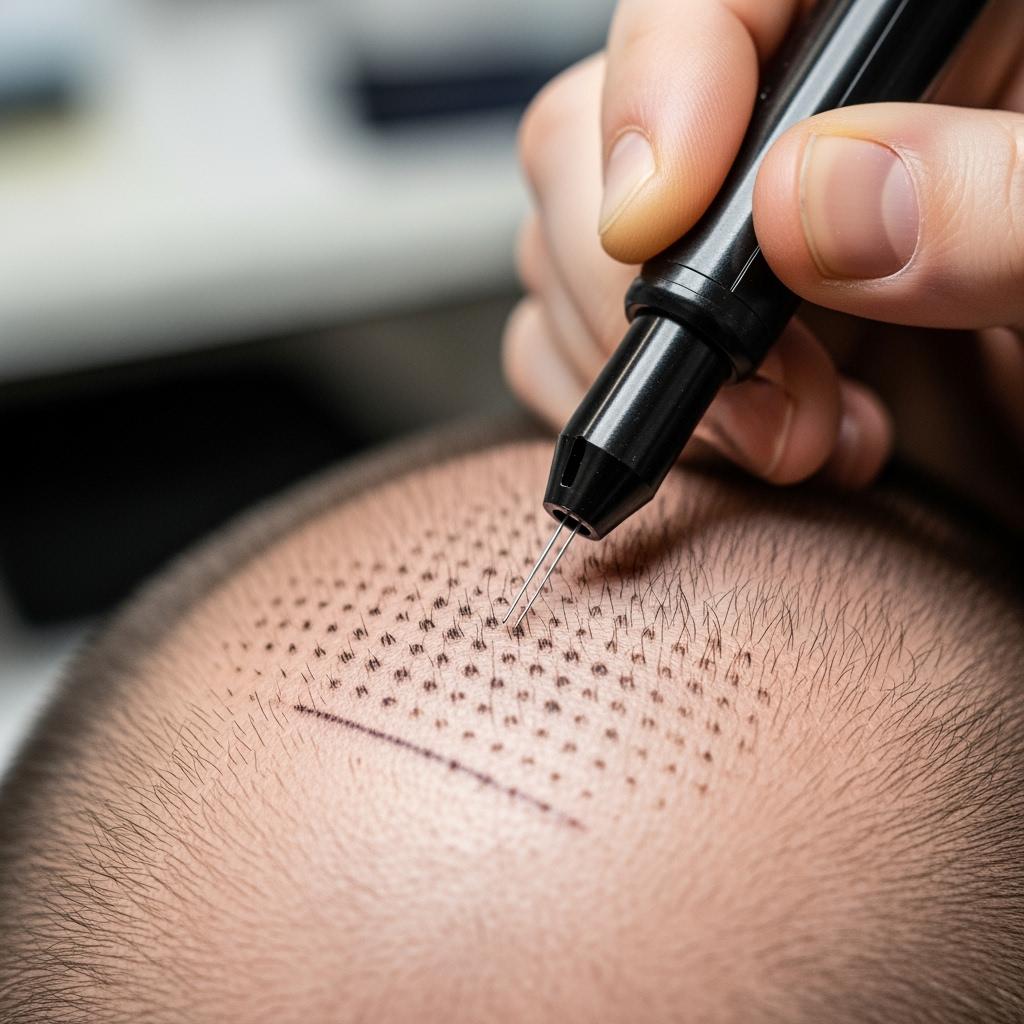
    Scalp micropigmentation does not treat dandruff or dry scalp. Pigment sits in skin for cosmetic density. Active inflammation should calm first. Mesa clients often ask this in consults. Start with skin clarity, then discuss scalp micropigmentation if density cosmetics are the goal.

    Aftercare washes after SMP follow studio rules, not a random dandruff schedule. If you itch after a session, use the aftercare guide—not improvised oils.

    Services overview: SMP services.

    When to see a clinician

    No improvement after several weeks of the correct direction. Severe redness, swelling, pain, or hair loss patches. Suspected psoriasis, infection, or contact allergy to dye.

    Bring a product list and photos in daylight. AzScalpDoctor can educate; prescriptions come from clinicians who examine you.

    FAQ — dandruff vs dry scalp

    Can I have both?

    Yes. Patterns can overlap or switch with seasons and products. Treat the dominant pattern first, then reassess.

    Do flakes always mean fungus?

    No. Dry skin sheds too. Greasy seborrheic flakes are more tied to yeast-oil dynamics than simple dryness.

    Will coconut oil fix either?

    Not as a universal cure. Oils can help some dry shafts and worsen some oily inflammatory scalps.

    How long until I judge a shampoo?

    Often two to four weeks of correct use—not two washes.

    Seasonal swings in the Valley

    Monsoon humidity, winter heaters, and summer AC all change how flakes behave. A routine that worked in January can fail in July. Reassess flake type when seasons shift instead of blaming one “failed” shampoo forever.

    Travel between soft-water and hard-water cities can change rinse feel within days. Give your scalp a week of consistent technique before declaring a new allergy.

    Hats and helmets trap sweat. Rinse when you can after long wear. Sweat plus leftover product mimics both oil flakes and irritation.

    A simple two-week experiment

    Week one: pick one hypothesis—dry vs dandruff—based on flake look and oil. Follow only that wash direction. No five new bottles.

    Week two: keep the same direction. Photograph the scalp part in daylight on day one and day fourteen. Note itch scores morning and night.

    If nothing moves, see a clinician. If it improves, keep the winner and simplify the shelf. This log also helps if you later discuss cosmetic density at AzScalpDoctor.

    Kids, color-treated hair, and textured hair

    Cradle-cap style scale in infants needs pediatric guidance—not adult coal-tar experiments. Color-treated hair may need gentler medicated frequency so lengths do not crisp. Textured hair often prefers medicated product on the scalp only, then a moisturizing conditioner on coils.

    One internet ratio does not fit every texture. Ask a pro who touches your hair type weekly.

    Sensitive scalps should patch-test new actives. Burning that worsens for days is a stop signal.

    Name the pattern, then pick the wash

    Dandruff vs dry scalp is a fork: medicated cleansing for many oily flake patterns; gentler moisture-preserving care for tight dry patterns. AzScalpDoctor keeps the fork clear so Valley readers waste fewer months on the wrong bottle. Call (480) 599-0868 for Mesa studio questions about cosmetic density after the scalp is calm. Address: 1061 N Dobson Rd Ste 107 · Mon–Sat 9–5.

  • Heat Damaged Hair: How to Repair Brittle Lengths

    Heat Damaged Hair: How to Repair Brittle Lengths

    Heat damaged hair feels brittle, looks dull, and snaps when you style. Flat irons, curling wands, and high-heat blow-dryers cook the cuticle when settings stay maxed out day after day. AzScalpDoctor covers realistic repair habits—not a miracle “reverse burn” serum. Studio: 1061 N Dobson Rd Ste 107, Mesa, AZ 85201. Monday–Saturday 9am–5pm. Call (480) 599-0868. Education only.

    Arizona heat outside plus tool heat inside is a double hit. Fix the tool habit first. Products work better after that.

    What heat does to the hair shaft

    Healthy cuticles lie relatively flat. High heat lifts and cracks them. Moisture escapes. The cortex weakens. Ends split. Mid-shaft can develop weak points that break into shorter pieces you find on the sink.

    Heat damage is not the same as shedding from the root. If bulbs come out in clumps, think medical causes and guides like our shedding explainers—not only cooler iron settings. For breakage along the length, pair this page with healthy hair damage prevention.

    Color and bleach already open the cuticle. Adding daily max heat accelerates snap. If you color often, heat limits matter more—not less.

    Heat damaged hair often looks dull and snaps after repeated high-temperature styling

    Early signs of heat damaged hair

    Ends feel straw-like within weeks of daily straightening. Hair smells faintly “toasted” after styling. Elasticity drops—wet strands stretch and break. Frizz rises even with serum. Ponytails leave a ring of broken hairs.

    Scalp burn from a tool pressed to skin is a separate injury. Cool the skin, avoid further heat, and seek care if blistered. Do not treat a burn like ordinary dryness.

    Hard water can make lengths feel rough too. If you live in Mesa or Phoenix, read hard water hair after this article so you do not blame only the iron.

    How to repair heat damaged hair (realistic steps)

    Cut the frequency. Many people need a two-week tool reset more than a new mask. Air-dry when you can. Use the lowest effective temperature when you must style. Keep the tool moving. Never clamp and hold on one section.

    Apply heat protectant on damp or dry hair as the product directs—before the tool, not after damage. Protectant reduces risk; it does not make 450°F safe every morning.

    Condition every wash from mid-lengths to ends. Use a moisturizing mask one to two times weekly. Protein treatments can help spongy, overly stretchy hair—but overuse makes hair stiff and more breakable. Alternate based on feel.

    Trim damaged ends every six to eight weeks. Trimming does not heal the mid-shaft overnight. It stops splits from traveling up.

    Lower heat settings and regular conditioning help repair heat damaged hair over time

    Wash and dry habits that protect weak hair

    Use lukewarm water. Shampoo the scalp; let foam run down. Do not scrub lengths like laundry. Squeeze water out with a microfiber towel. Detangle from the ends with a wide-tooth comb while conditioned.

    Blow-dry on low or medium with distance. Finish with a brief cool shot if you like shine. Sleeping on soaking wet hair for hours adds stress. Rough pillowcases increase friction—silk or satin can help some people.

    Tight styles add breakage on already weak shafts. Loosen elastics. Avoid daily tight buns. Traction risk rises when heat damage and tension combine—see traction alopecia if the hairline is receding from pull.

    Sun, pools, and stacked desert stress

    UV dries the shaft. Wear a hat in midday sun. After pools, rinse chlorine and condition lengths. Saunas and heavy sweat sessions are another heat source if you have recent scalp procedures—review sauna after scalp micropigmentation and sunscreen after SMP when relevant.

    SMP does not repair heat-damaged cuticles. Pigment changes how the scalp reads. Shaft repair stays a hair-care job. If density cosmetics are your goal after the hair is calmer, start at scalp micropigmentation.

    What will not fix heat damage

    A single “bond” treatment marketed as permanent reversal of years of max heat. Daily clarifying without moisture. Oiling an inflamed scalp. Taking random supplements instead of checking iron or thyroid when shedding is medical.

    Switching ten product lines in a month without changing iron temperature. Track one change for two weeks.

    Ignoring infection or plaques while chasing shine. Disease care first.

    When to get help

    See a clinician for scalp pain, infection, sudden root shedding, or patches. See a stylist for a truthful trim and color pause plan. Call AzScalpDoctor for Mesa consults about cosmetic density—not for prescribing medical topicals.

    Bring notes: tool temperature, days per week, last bleach date, clarifying habit. Better history, better plan.

    FAQ — heat damaged hair

    Can heat damaged hair fully recover?

    Broken ends do not “heal.” New growth can be healthier if you change habits. Trim away the worst damage.

    Is a heat protectant enough?

    It helps. Frequency and temperature still matter more than the brand name on the bottle.

    Should I stop blow-drying completely?

    Not always. Low heat with distance is safer than daily max flat-iron passes on damp hair.

    Does protein repair heat damage overnight?

    No. Protein can temporarily firm stretchy hair. Moisture balance still required.

    Choosing temperatures without chasing myths

    Many irons default high. Start lower than the “salon max” sticker. Fine or bleached hair usually needs cooler settings than coarse virgin hair. If a section will not straighten at moderate heat, it may need a trim or moisture—not another hundred degrees.

    Ceramic, titanium, and tourmaline marketing will not override daily max heat. Material helps even heat distribution. Habit still wins.

    Wet-to-dry irons on soaking hair raise break risk. Towel blot first. Detangle. Then style.

    Building a two-week reset

    Week one: no flat iron. Low blow-dry only if needed. Mask once. Trim appointment booked. Week two: add heat protectant and one moderate styling day if required for work. Compare breakage in the sink.

    Photograph lengths in daylight on day one and day fourteen. Bathroom mirrors lie. Daylight shows straw ends more honestly.

    Clients from Gilbert, Tempe, and Scottsdale who keep this log make cleaner decisions in consults—whether the next step is more hair care or a talk about SMP services.

    Cooler habits beat hotter promises

    Heat damaged hair improves when you cut temperature and frequency, condition the lengths, trim splits, and stop stacking sun and chlorine abuse. AzScalpDoctor keeps the message plain for Valley clients who want stronger hair habits—and clear limits on what cosmetics can do. Mesa studio: 1061 N Dobson Rd Ste 107 · (480) 599-0868 · Mon–Sat 9–5.

  • Hard Water Hair in Arizona: What Minerals Really Do

    Hard Water Hair in Arizona: What Minerals Really Do

    Hard water hair is a common complaint in the Phoenix–Mesa Valley. Calcium and magnesium in tap water can leave a film on the hair shaft. Hair may feel rough, dull, coated, or harder to rinse. AzScalpDoctor explains what hardness can and cannot explain—without blaming every itch on the water main. Studio: 1061 N Dobson Rd Ste 107, Mesa, AZ 85201. Monday–Saturday, 9am–5pm. Call (480) 599-0868. This page is education, not a medical diagnosis.

    Valley water is often hard to very hard. That can change how shampoo lathers and how conditioner feels. It does not automatically mean your follicles are “calcified” or that hard water alone causes patterned baldness.

    What hard water does to hair

    Hard water contains dissolved minerals. On fixtures you see white scale. On hair, minerals can deposit on the cuticle. Studies have measured higher calcium and magnesium on hair washed in harder water. Fibers can feel stiffer or less smooth. Color may look duller faster for some people.

    Hard water is a plausible reason for coated lengths and poor rinse-out. It is a weak explanation for sudden shedding patches, open sores, or thick greasy scale. Those need a different workup. If your scalp is inflamed, start with guides like itching after SMP only when relevant—or see a clinician for primary scalp disease.

    Desert air already dries the shaft. Hard water plus heat styling plus sun is a stack. Fix one variable at a time so you know what helped.

    Hard water hair can feel coated and dull after washing in mineral-rich tap water

    Signs that point to mineral buildup

    Showerheads crust quickly. Shampoo feels hard to rinse. Lengths feel heavy or squeaky even after conditioner. Blond or highlighted hair looks brassy sooner. Conditioner “stops working” until you clarify.

    Signs that are not explained by hardness alone: coin-shaped bald spots, thick yellow scale with itch, pus, pain, or sudden handfuls of roots with bulbs. Use medical care. Hair-care blogs do not replace that visit.

    Product buildup and hard-water film can look similar. Clarifying helps both. If symptoms return the same day every wash, minerals plus routine are suspects. If only the scalp burns, think dermatitis or allergy—not only grains per gallon.

    Practical steps for hard water hair in Arizona

    Rinse longer than you think. Minerals and suds linger. Use lukewarm water, not scalding. Focus shampoo on the scalp. Condition mid-lengths to ends.

    Use a clarifying or chelating shampoo on a schedule—often weekly or every other week—then follow with a moisturizing conditioner or mask on the lengths. Daily harsh clarifying can leave hair drier. Balance is the point.

    A shower filter or softener can reduce mineral load for some homes. Test expectations: filters vary. Softened water still needs good rinsing and heat control. Soft water is not a cure for androgenetic thinning.

    Protect color and cuticles from stacked damage. Lower heat tool settings. Use heat protectant. Cover hair in midday sun. After swimming, rinse pool water promptly. Related habit guides: healthy hair damage prevention and sauna after SMP if you have pigment work healing.

    Clarifying washes and thorough rinsing help manage hard water hair buildup

    Hard water vs dry scalp vs thinning

    Dry, tight scalp itching can come from weather, product, or disease. Mineral film on shafts is a different problem than plaques. Indonesian readers on our site also use kulit kepala kering for scalp dryness education. English readers: treat shaft buildup and scalp inflammation as separate checklists.

    Pattern thinning at the temples or crown is usually genetic or medical—not “Phoenix water ate my follicles.” If density loss is your main issue, cosmetic options like scalp micropigmentation in Mesa address appearance after you understand limits: SMP does not soften hard-water cuticles.

    People driving from Tempe, Gilbert, Chandler, or Scottsdale often ask the same question in consults. We separate water-film complaints from pigment planning. Honest sequencing beats one product promising both.

    Mistakes that make hard water hair worse

    Layering heavy oils on the scalp every night “to fight minerals,” then never clarifying. Turning heat tools to max because hair feels stiff. Bleaching repeatedly to chase brass without fixing wash technique. Buying a softener and ignoring UV and heat.

    Blaming hard water for every flake. Seborrheic patterns need different care than mineral film. See clinical care when scale is greasy, itchy, and persistent.

    Skipping sunscreen or hats after cosmetic scalp work. Arizona sun is its own variable. Read sunscreen after scalp micropigmentation if you have healed or healing pigment.

    When to see a professional

    See a clinician for painful scalp, infection signs, sudden shedding, or patches. See a stylist or trichology-aware pro for color correction plans. Call AzScalpDoctor when you want a clear talk about density cosmetics in Mesa—not when you need a prescription shampoo for psoriasis.

    Bring notes: water softener yes/no, clarifying frequency, heat tool use, recent color. Better notes beat better guesses.

    Our studio hours and NAP stay consistent: Ste 107, (480) 599-0868, Mon–Sat 9–5.

    FAQ — hard water hair

    Does hard water cause baldness?

    Hard water can affect feel and rinse. It is not a proven primary cause of pattern baldness. Investigate medical causes for true shedding.

    Will a shower filter fix everything?

    It may reduce mineral load. You still need rinsing, clarifying when needed, and less heat damage.

    How often should I clarify?

    Often weekly to biweekly for heavy product or very hard water—then moisturize lengths. Adjust to how dry your hair feels.

    Can SMP hide hard-water dullness?

    No. SMP adds pigment contrast on the scalp. It does not polish the hair shaft.

    Color-treated hair and brass in hard water

    Highlighted and bleached hair shows mineral and metal effects sooner. Brass can come from water metals, leftover toner fade, or both. Clarifying helps some brass; toners and purple shampoos address tone. Do not bleach again only to chase a phone-photo color cast.

    Ask your colorist what clarifying schedule fits your formula. Over-clarifying fades color faster. Under-clarifying leaves a film that makes toner look uneven.

    If you also flat-iron daily, fix heat load before blaming only the municipal report. Stacked damage looks like “nothing works.”

    Home test mindset without panic

    You do not need lab-grade water gear to start. Track: rinse time, clarifying day, heat days per week, and how lengths feel at noon—not only under bathroom light. Change one variable for two weeks.

    Apartment renters who cannot install softeners still control shampoo dose, rinse length, and tool heat. Those levers are free.

    If a water report shows high hardness, treat it as context. It does not replace a dermatology visit for plaques or sudden bald spots.

    Manage minerals; do not mythologize them

    Hard water hair in Arizona is mostly a shaft and rinse problem. Clarify on a schedule, rinse well, protect from heat and sun, and get medical help for real scalp disease. AzScalpDoctor keeps education honest so Valley clients know what water can change—and what it cannot. Call (480) 599-0868 for Mesa studio questions about cosmetic density after your wash routine is stable.

  • Tabir Surya setelah SMP: Kulit Tenang Dulu

    Tabir Surya setelah SMP: Kulit Tenang Dulu

    Tabir surya setelah SMP dipakai pada kulit yang sudah tenang, bukan pada titik yang masih terbuka. Titik baru butuh bayangan dan topi longgar yang bersih. Krim pada kulit yang masih mengelupas bisa perih, menggesek, dan menarik pigmen yang belum menetap. AzScalpDoctor tidak menempelkan satu angka hari yang sama untuk semua kepala. Francisco Ahumada memberi tanggal produk pada kunjungan Anda, di 1061 N Dobson Rd Ste 107, Mesa, AZ 85201. Jam buka Senin sampai Sabtu, pukul 9 pagi sampai 5 sore. Telepon (480) 599-0868.

    Klinik lain menulis kalender berbeda. Sebagian menahan tabir surya beberapa hari setelah tiap sesi. Sebagian menunggu lebih lama setelah sesi terakhir. Lembar itu milik mereka. Jangan menyalin angka blog lalu menyebutnya aturan studio ini.

    Kenapa tabir surya setelah SMP harus menunggu

    Satu sesi meninggalkan banyak bukaan kecil. Pewangi, alkohol, dan lapisan kental duduk di permukaan yang sedang menutup. Menggosok lotion agar “terlindung” pada hari pertama tetap gesekan. Kulit terbakar matahari mengelupas. Pengelupasan mengangkat pigmen. Itulah cara pekerjaan merata menjadi belang sebelum sesi berikutnya.

    Pigmen bukan tabir surya. Titik yang terlihat lebih gelap tidak memblokir UV. Kulit kepala yang ditangani terbakar seperti kepala cukur biasa. Lindungi untuk kesehatan kulit, bukan hanya untuk warna. Halaman penyembuhan membahas minggu pertama. Artikel ini hanya soal produk matahari.

    Panduan topi setelah SMP adalah penutup saat krim masih dilarang. Longgar, bersih, singkat. Bukan band ketat yang berkeringat seharian. Versi Indonesia untuk air ada di mandi setelah SMP.

    Perawatan saat tabir surya setelah SMP masih ditunda

    Apa yang dipakai setelah kulit diizinkan

    Tanya Francisco produk mana yang ia inginkan di kulit Anda. SPF 30 atau lebih tinggi dengan spektrum luas adalah saran umum untuk kulit terbuka. Formula mineral dengan zinc atau titanium sering dicoba dulu oleh kulit sensitif. Semprotan olahraga yang sangat wangi dan perih di mata cocok buruk untuk hairline baru.

    Oleskan cukup untuk menutup area yang ditangani, pelipis, atas telinga, dan tengkuk. Garis yang terlewat terbakar. Ulangi sesuai label saat berkeringat, berenang, atau mengelap handuk. Satu olesan pagi tidak cukup untuk golf Juli di Mesa.

    Hasil matte penting pada rencana cukur pendek. Kilap berminyak terbaca seperti kulit dicat di lampu parkir. Itu soal tampilan, bukan obat. Pilih yang akan Anda pakai ulang. Halaman SMP pudar menjelaskan kenapa UV Mesa melunakkan kontras dalam beberapa tahun. Penutup harian setelah sembuh adalah tuas yang Anda pegang.

    Matahari sebelum krim diizinkan

    Jalan ke mobil di bayangan atau di bawah topi longgar. Jangan booking sesi sehari sebelum acara atap terbuka lalu mengarang semprotan yang “pasti aman.” Geser sesi, atau geser acara. Dua sampai empat sesi berarti jendela matahari yang tenang kembali setiap kali pigmen dipasang.

    Tanning bed adalah UV pekat tanpa manfaat untuk pekerjaan ini. Lewati. Kulit terbakar pada titik yang masih sembuh bukan lencana. Itu alasan sesi berikut mungkin ditunda.

    Jika kulit panas, mengeluarkan cairan, atau nyeri naik setiap hari, jangan menutupinya dengan SPF dan berharap. Temui dokter bila Anda khawatir infeksi. Lalu kabari studio. Halaman ini bukan nasihat medis.

    Titik SMP sebelum tabir surya setelah SMP menjadi kebiasaan harian

    Kolam, keringat, dan tumpukan produk

    Klorin dan garam menunggu sampai berenang diizinkan. Halaman berenang setelah SMP adalah tanggal itu. Setelah Anda kembali ke air dan kulit sudah sembuh, bilas, lalu oles ulang tabir surya bila tetap di luar. Jangan menumpuk minoxidil, asam, dan SPF pada pagi yang sama tanpa bertanya. Aturan topikal ada di halaman minoxidil dan SMP.

    Keringat gym berat di bawah topi saat krim masih dilarang tetap keringat pada titik baru. Perawatan bukan hanya botol. Itu kalender. Halaman olahraga setelah SMP menjelaskan kapan latihan ditunda.

    Jangan menghentikan obat resep supaya bisa berjemur lebih cepat. Keputusan itu milik dokter yang menulis resep.

    Apa yang ditanyakan di kursi

    Tanyakan kapan tabir surya boleh menyentuh kulit ini. Tanyakan tekstur mana yang ia sukai untuk cukur pendek versus densitas di antara rambut. Tanyakan apa yang dilakukan jika perih. Tuliskan jawabannya. Kalimat “nanti juga baik” tanpa produk dan tanpa tanggal lebih lemah daripada catatan di ponsel.

    Konsultasi adalah tempat untuk meletakkan pekerjaan outdoor, golf, dan musim kolam di meja. Pigmen tidak dipasang pada kunjungan konsultasi saja. Anda boleh pulang tanpa booking bila kalender tidak menahan hari tenang.

    Bawa botol yang sudah Anda pakai bila ada. Membaca label bersama lebih cepat daripada menebak dari foto online. Jangan menyalin aturan klinik lain di kota lain dan mengabaikan matahari Mesa.

    Malam pertama dan botol yang salah

    Jangan menuang SPF ke titik yang masih basah karena takut gelap di cermin. Gelap hari pertama sering peradangan. Halaman SMP terlalu gelap membahas panik itu. Krim matahari tidak mempercepat warna menjadi “normal.” Ia hanya menambah bahan pada kulit yang belum siap.

    Simpan botol baru yang belum dibuka sampai tanggal izin datang. Mencoba tiga merek dalam tiga hari adalah cara iritasi. Satu produk yang diizinkan, dipakai konsisten, lebih berguna.

    Izin dari sesi pertama tidak pindah ke sesi kedua. Setiap kunjungan bisa mengulang masa tanpa krim di kulit kepala. Itu bukan hukuman. Itu cara titik tetap rapi.

    Hari mendung dan kalender musim dingin

    Musim dingin Arizona tetap membawa UV. Langit abu-abu bukan izin melewatkan penutup pada cukur pendek yang sudah sembuh. Pakai kebiasaan yang sama seperti Juni, lalu longgarkan jadwal oles ulang hanya bila Anda hampir selalu di dalam ruangan. Jangan menunggu kulit terbakar untuk membuktikan poin itu.

    Jika Anda bekerja di lapangan atau melatih di luar, katakan sebelum sesi pertama. Jendela tenang setelah tiap sesi harus muat dengan shift nyata. Menyembunyikan pekerjaan matahari seharian lalu menyalahkan pigmen karena tepi cepat lembut adalah cerita yang salah.

    Simpan botol kecil di mobil setelah diizinkan. Parkiran adalah tempat paling sering dilupakan. Topi di bagasi membantu bila botol kosong. Keduanya tidak menggantikan tanggal yang Francisco berikan untuk pemakaian pertama.

    Pertanyaan tentang tabir surya

    Bolehkah SPF pada hari yang sama dengan SMP?

    Tidak. Jauhkan krim sampai Francisco mengizinkan. Pakai bayangan dan topi longgar.

    Apakah tabir surya menghentikan semua pudar?

    Tidak. Ia memperlambat kerusakan UV. Pelunakan dalam beberapa tahun tetap wajar. Touch-up menyegarkan kontras.

    Apakah topi saja cukup selamanya?

    Topi membantu pada hari panjang. Kulit yang sudah sembuh dan terbuka tetap butuh rencana saat Anda tanpa penutup di matahari Mesa.

    Siapa yang dihubungi?

    (480) 599-0868, Senin sampai Sabtu, pukul 9 pagi sampai 5 sore, di studio Mesa.

    Lindungi kulit dulu, lalu jaga warnanya

    Tabir surya setelah SMP adalah kebiasaan kulit yang sudah sembuh, bukan krim hari pertama. Francisco Ahumada menetapkan tanggalnya. Sampai saat itu, jauhkan matahari langsung dengan bayangan dan penutup longgar yang bersih. Setelah diizinkan, pakai SPF spektrum luas yang akan Anda oles ulang, karena UV Mesa tidak libur.