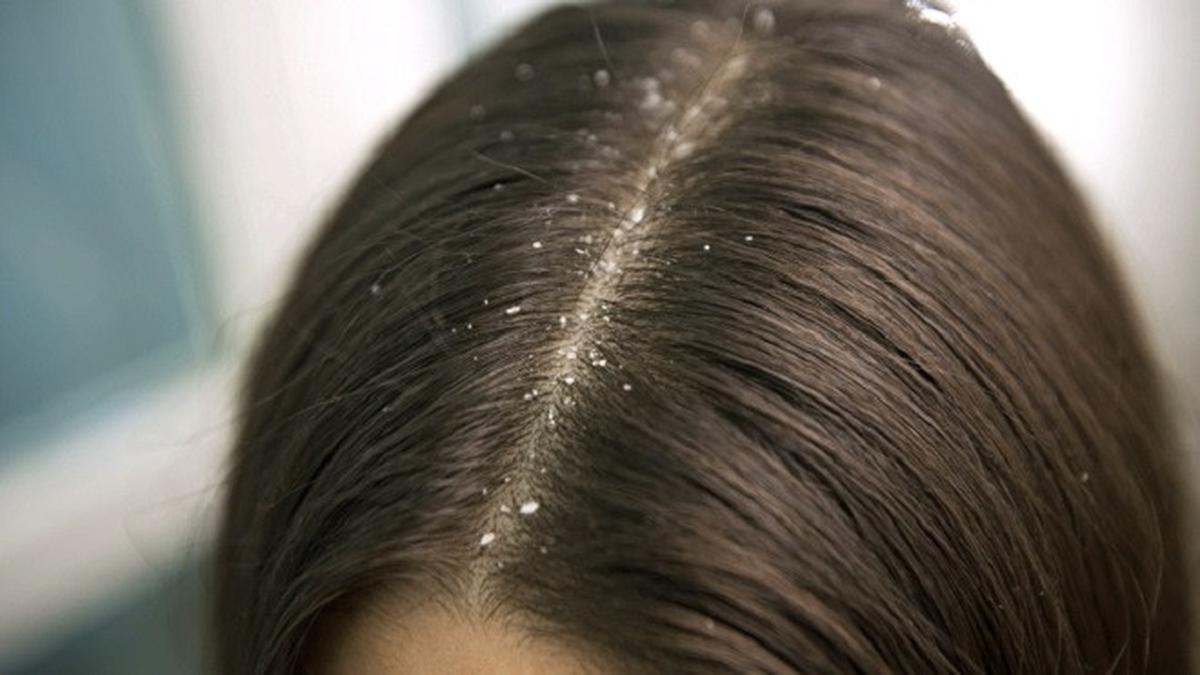
Split ends are the frayed tips of the hair shaft where the cuticle has worn away and the fiber splits. They do not heal back together—only trimming removes them. AzScalpDoctor explains causes, prevention, and honest limits so you stop chasing serums that promise to “seal” broken ends forever. Studio: 1061 N Dobson Rd Ste 107, Mesa, AZ 85201. Monday–Saturday 9am–5pm. Call (480) 599-0868. Education only.
White dots, Y-shaped tips, and tangles at the ends are common signs. Mid-shaft splits can travel upward if you ignore them.
What causes split ends
Mechanical stress: rough towels, tight elastics, aggressive brushing. Heat tools at high temperatures. Chemical services like bleach and frequent color. Sun and chlorine dry the fiber. Hard water roughness adds to the feel of damage.
Related guides: heat damaged hair, rambut rusak karena bleaching, hard water hair.
Indonesian overview of branched tips: rambut bercabang.
Split ends vs shedding
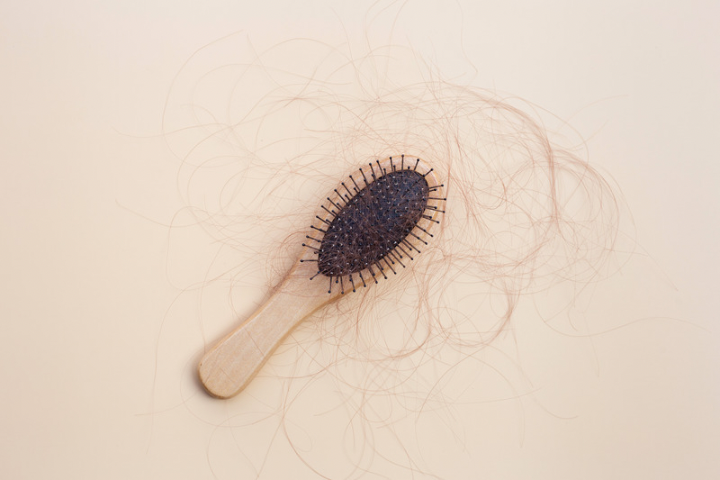
Split ends are shaft damage. Shedding from the root shows bulbs on fallen hairs and links to cycle changes—stress, diet shock, postpartum, pattern loss. Do not treat telogen shed with only end serums.
Shedding reads: rambut rontok setelah diet, postpartum hair loss, thinning hair women.
Breakage mid-shaft without bulbs still points to mechanical/chemical stress—cara mengatasi rambut rapuh.

What actually helps
Trim the damaged tips on a schedule that matches your heat and color habits—often every 6–10 weeks for frequent stylers. Dusting small amounts can preserve length while removing white frays.
Wash gently: shampoo the scalp, condition the lengths—cara mencuci rambut yang benar. Weekly moisture masks on mid-lengths: cara pakai masker rambut.
Microfiber blot, wide-tooth detangle from the ends, heat protectant, lower tool temperatures. Satin pillowcases reduce night friction.
Products: useful vs hype
Conditioners, masks, and light oils can make ends feel smoother and reduce snagging. They do not weld a split closed permanently. Marketing that says “repair split ends forever without scissors” oversells.
Match product weight to porosity—hair porosity. Fine straight hair needs lighter amounts at the tips—cara merawat rambut lurus. Curls need slip—cara merawat rambut keriting.
Buildup from stacking five “bond” products can make hair feel coated—product buildup hair.
Heat, color, and Arizona habits
Every max flat-iron session costs cuticle. Space bleach lifts—cara merawat rambut diwarnai. Wear hats in strong Mesa sun. Rinse after pools.
Clarify occasionally if hard water and product dull the shaft, then moisturize again.
Frizz at the ends often tags along with splits—frizzy hair.
Detangling without creating new splits
Work on damp hair with conditioner slip. Start at the ends. Do not rip through dry knots with a fine brush. See cara mengatasi rambut kusut.
Loose styles beat tight buns that chew the same section daily. Replace cracked elastics.
Kids’ hair: gentle brushes, less heat, regular dusting trims.
FAQ — split ends
Can oil cure split ends?
Oil can soften feel. Scissors remove the split. Tiny amounts on tips only if your scalp runs oily.
Do I need to cut all my length?
Not always. Small, frequent trims often beat one dramatic chop—unless damage is severe up the shaft.
Why do splits come back so fast?
Heat, bleach, and friction are still high. Trim without changing habits and they return quickly.
Are split ends the same as hair loss?
No. One is shaft fray; the other is density/shed from the root cycle or pattern loss—male pattern baldness when relevant.
A two-week prevention reset
Book or DIY a conservative trim. Drop tool heat one setting. Conditioner every wash on lengths. One mask. Microfiber. Satin at night. Photograph ends in daylight day 1 and day 14.
Choose a shampoo that does not strip you harshly—cara memilih sampo. Set wash frequency to your scalp—how often should I wash my hair.
Skip adding five new serums in one weekend.
When to see a pro
Stylist: uneven damage, bleach breakage, shape that hides thinning ends. Clinician: scalp pain, patches, sudden shed clumps—not a scissors issue alone.
SMP does not repair split ends. It camouflages scalp show after goals are clear—scalp micropigmentation, often 2–4 sessions.
Bring notes: last color date, heat days per week, trim history.
Myths to drop
“This serum fuses ends permanently.” “Cutting makes hair grow faster from the root.” “Never trimming preserves health.” Growth speed is follicle biology; end health is maintenance.
Coconut oil on tips can help feel for some—limits apply: minyak kelapa untuk rambut. Rosemary myths will not glue fibers—rosemary oil hair growth.
AzScalpDoctor keeps Mesa advice plain: trim + gentler habits.
Gym, sleep, and travel
Sweat salt dries ends—rinse after hard workouts. Helmet friction chews the crown and ponytail zone. Pack a travel conditioner, not ten unfinished bottles.
Sleep in loose styles. Replace rough pillowcases when you can.
Pool chlorine: wet hair first, rinse after, condition lengths.
Straight, curly, and color-treated ends
Straight hair shows white tips clearly under office light—see cara merawat rambut lurus. Curly patterns hide splits until knots snag—keep slip high while detangling.
Bleached ends split faster. Space chemical lifts and moisturize mid-lengths. Do not flat-iron damaged tips to “hide” them; that usually worsens fray.
If diet-related shed is happening at the same time, treat roots and ends as separate problems—rambut rontok setelah diet.
How to check ends at home
Twist a small dry section in daylight. Look for Y-shaped tips and white dots. Compare the same section monthly after you change heat habits.
Bathroom yellow light hides damage. Phone flash can exaggerate it. Daylight wins.
If the fiber feels spongy and stretches too far after bleach, ask a stylist about a stronger cut strategy—not only oil.
Studio note
AzScalpDoctor educates Mesa clients that pigment work does not seal split ends. Healthy trims and softer styling still matter after any cosmetic density plan.
Francisco Ahumada keeps session counts honest—often 2 to 4 for SMP—while shaft care stays your daily job.
Call (480) 599-0868 for hours at Ste 107, Monday–Saturday 9–5.
Trim the fray, change the habit
Split ends need scissors and softer daily mechanics. Products support feel; they do not replace trims. Call (480) 599-0868 · Ste 107 · Mon–Sat 9–5 for studio education with clear limits.
Tinggalkan Balasan