Dandruff vs dry scalp confuses almost everyone with flakes on a dark shirt. Both itch. Both shed. They are not treated the same way. AzScalpDoctor breaks down the practical differences so you stop rotating the wrong shampoo for months. Studio: 1061 N Dobson Rd Ste 107, Mesa, AZ 85201. Monday–Saturday 9am–5pm. Call (480) 599-0868. Education only—not a diagnosis.
Arizona’s dry air pushes many people toward “dry scalp” as the default story. Sometimes that is right. Sometimes the flakes are oily seborrheic dandruff that needs medicated cleansing, not more oil.
Quick comparison
Dry scalp: skin lacks moisture. Flakes tend to be small and white. The scalp may feel tight. Other body skin may also feel dry. Harsh shampoo, low humidity, and over-washing often worsen it.
Dandruff (often seborrheic dermatitis on the scalp): faster shedding linked to oil and yeast activity on skin. Flakes can be larger, yellowish, or greasy. Redness and itch are common. It may also show near brows, sides of the nose, or beard areas.
Both can itch. Scratching creates more flakes and barrier damage. Stop using nails as a tool.
How to tell them apart at home
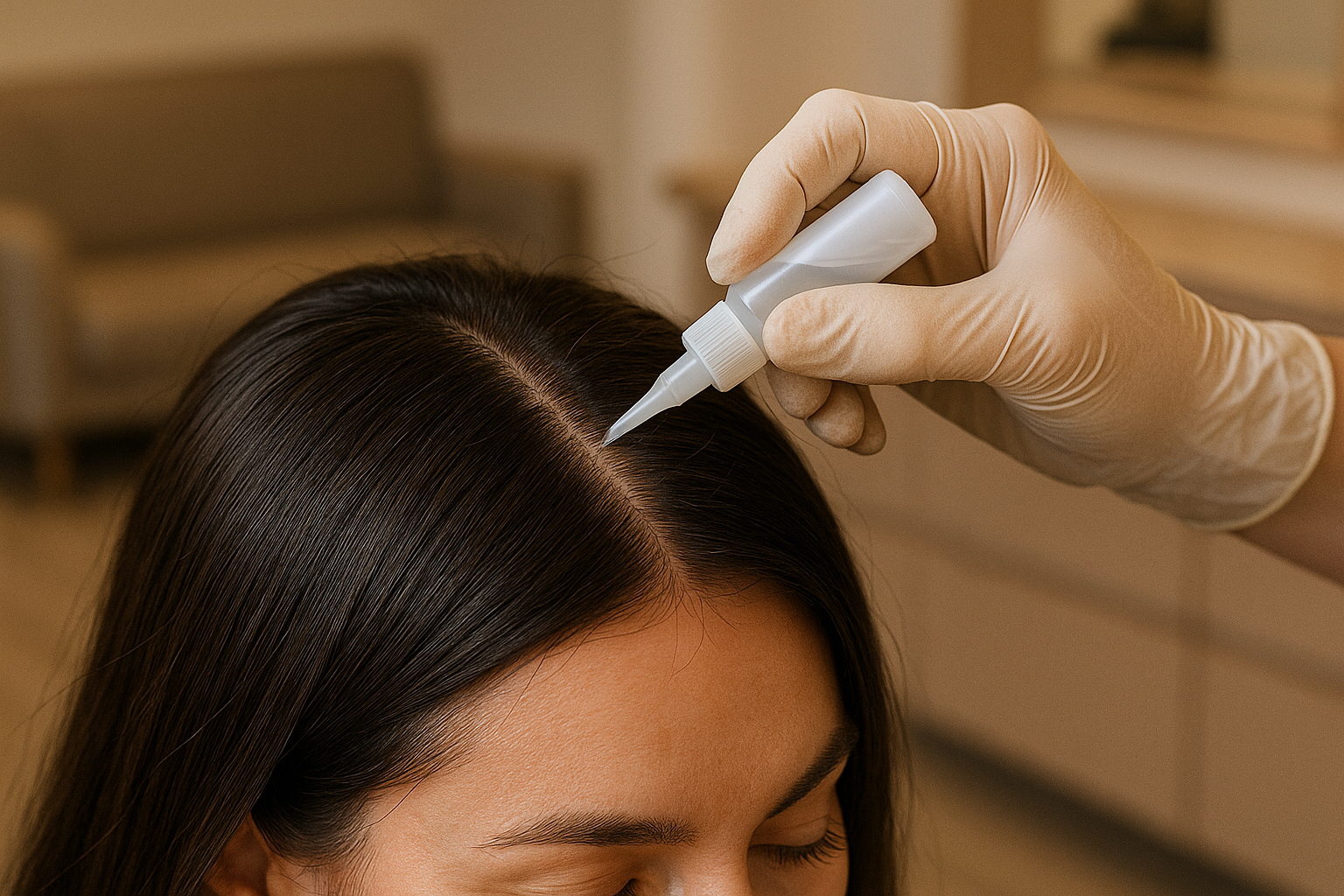
Look at flake color and oil. Greasy yellow scale points more toward dandruff/seborrheic patterns. Fine white dust with a tight feel points more toward dryness. Check whether flakes appear with oily roots within a day of washing.
Check other skin. Dry arms and shins with a tight scalp support a dryness story. Flaking in the brows or nasolabial folds supports seborrheic patterns.
Track your wash routine. If you already clarify aggressively and still see greasy scale, dryness is less likely the only issue. If you wash daily with strong detergent and the scalp feels tight with fine flakes, dryness is a stronger suspect.
Related reading on our site: kulit kepala kering, dermatitis seboroik, and rambut berminyak for oily-root habits.
Treatment direction for dry scalp
Use a gentle shampoo. Reduce water temperature. Condition lengths. Avoid stacking fragrance-heavy products. Wash less often if the barrier feels stripped—within reason for your sweat and style needs.
Room humidity and hats in midday sun matter in the Valley. Hard water can make lengths feel rough; that is not identical to dry scalp disease—see hard water hair.
If you also have brittle lengths, fix tool heat. Guide: heat damaged hair.
Treatment direction for dandruff
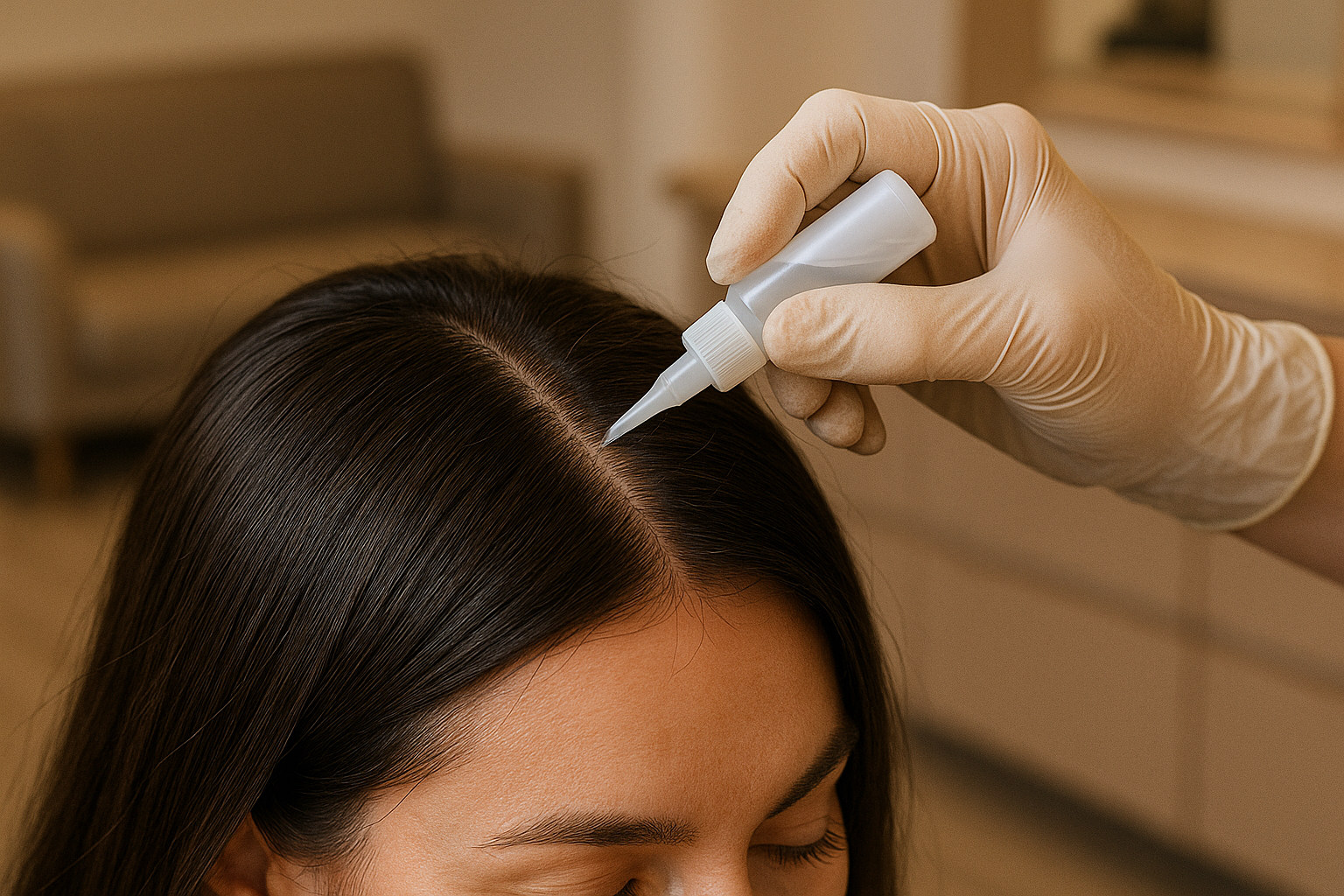
Medicated shampoos with zinc pyrithione, selenium sulfide, ketoconazole, salicylic acid, or coal tar help many people when used as labeled—often a few times weekly, left on the scalp briefly. Rotate actives if one stalls.
Apply to the scalp, not only the ends. Rinse well. Follow with conditioner on lengths if hair feels dry. Curly or coily hair may need less frequent medicated washes; ask a clinician or stylist who understands your texture.
Do not bury greasy scale under heavy oils for weeks. That often worsens seborrheic flares. If plaques are thick, psoriasis may be in the differential—get examined rather than guessing from a blog.
Mistakes that keep flakes stuck
Using a moisturizing “hydrating” cream shampoo daily on an oily seborrheic scalp. Using antifungal shampoo daily for months on a tight, over-washed dry scalp. Scratching until scabbed. Changing five brands in five days.
Blaming only stress or only diet without changing wash technique. Stress can worsen symptoms; it is rarely the only lever.
Ignoring infection signs—pain, pus, fever—or sudden patchy hair loss. Those need medical care.
Where SMP fits (and does not)
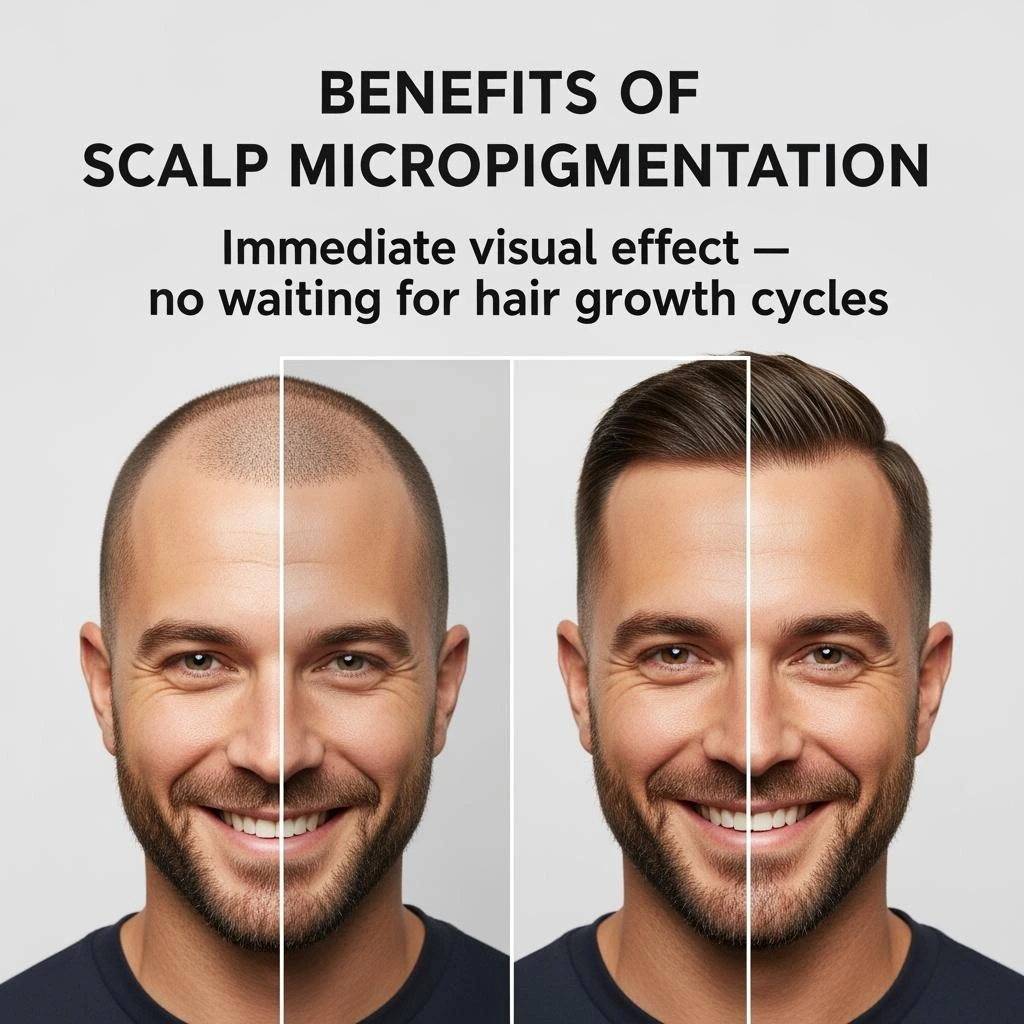
Scalp micropigmentation does not treat dandruff or dry scalp. Pigment sits in skin for cosmetic density. Active inflammation should calm first. Mesa clients often ask this in consults. Start with skin clarity, then discuss scalp micropigmentation if density cosmetics are the goal.
Aftercare washes after SMP follow studio rules, not a random dandruff schedule. If you itch after a session, use the aftercare guide—not improvised oils.
Services overview: SMP services.
When to see a clinician
No improvement after several weeks of the correct direction. Severe redness, swelling, pain, or hair loss patches. Suspected psoriasis, infection, or contact allergy to dye.
Bring a product list and photos in daylight. AzScalpDoctor can educate; prescriptions come from clinicians who examine you.
FAQ — dandruff vs dry scalp
Can I have both?
Yes. Patterns can overlap or switch with seasons and products. Treat the dominant pattern first, then reassess.
Do flakes always mean fungus?
No. Dry skin sheds too. Greasy seborrheic flakes are more tied to yeast-oil dynamics than simple dryness.
Will coconut oil fix either?
Not as a universal cure. Oils can help some dry shafts and worsen some oily inflammatory scalps.
How long until I judge a shampoo?
Often two to four weeks of correct use—not two washes.
Seasonal swings in the Valley
Monsoon humidity, winter heaters, and summer AC all change how flakes behave. A routine that worked in January can fail in July. Reassess flake type when seasons shift instead of blaming one “failed” shampoo forever.
Travel between soft-water and hard-water cities can change rinse feel within days. Give your scalp a week of consistent technique before declaring a new allergy.
Hats and helmets trap sweat. Rinse when you can after long wear. Sweat plus leftover product mimics both oil flakes and irritation.
A simple two-week experiment
Week one: pick one hypothesis—dry vs dandruff—based on flake look and oil. Follow only that wash direction. No five new bottles.
Week two: keep the same direction. Photograph the scalp part in daylight on day one and day fourteen. Note itch scores morning and night.
If nothing moves, see a clinician. If it improves, keep the winner and simplify the shelf. This log also helps if you later discuss cosmetic density at AzScalpDoctor.
Kids, color-treated hair, and textured hair
Cradle-cap style scale in infants needs pediatric guidance—not adult coal-tar experiments. Color-treated hair may need gentler medicated frequency so lengths do not crisp. Textured hair often prefers medicated product on the scalp only, then a moisturizing conditioner on coils.
One internet ratio does not fit every texture. Ask a pro who touches your hair type weekly.
Sensitive scalps should patch-test new actives. Burning that worsens for days is a stop signal.
Name the pattern, then pick the wash
Dandruff vs dry scalp is a fork: medicated cleansing for many oily flake patterns; gentler moisture-preserving care for tight dry patterns. AzScalpDoctor keeps the fork clear so Valley readers waste fewer months on the wrong bottle. Call (480) 599-0868 for Mesa studio questions about cosmetic density after the scalp is calm. Address: 1061 N Dobson Rd Ste 107 · Mon–Sat 9–5.
Tinggalkan Balasan