Tag: dandruff

  • Itchy Scalp Causes: How to Sort Dryness, Dandruff, and More

    Itchy Scalp Causes: How to Sort Dryness, Dandruff, and More

    Itchy scalp drives people to scratch until flakes and scabs appear. Causes range from dry skin and dandruff to product reactions, psoriasis, fungus, or lice. AzScalpDoctor maps the common forks so you pick a smarter first step. Studio: 1061 N Dobson Rd Ste 107, Mesa, AZ 85201. Monday–Saturday 9am–5pm. Call (480) 599-0868. Education—not a diagnosis.

    Arizona heat, AC, sweat under hats, and hard water all shape itch stories here. Still, not every itch is “just the desert.”

    Common causes of itchy scalp

    Dry scalp: tight feel, fine white flakes. Dandruff/seborrheic patterns: oilier flakes, redness. Compare carefully with dandruff vs dry scalp and kulit kepala kering.

    Product irritation or allergy: new dye (often PPD), fragrance, preservatives, leftover shampoo. Sensitive reactions: kulit kepala sensitif.

    Buildup and sweat: residue plus heat under helmets. Reset habits in product buildup hair and wash technique in cara mencuci rambut yang benar.

    Other causes: scalp pimples/folliculitis, psoriasis plaques, tinea (ringworm), lice, eczema. Painful bumps: jerawat kulit kepala and folikulitis. Thick plaques: psoriasis kulit kepala.
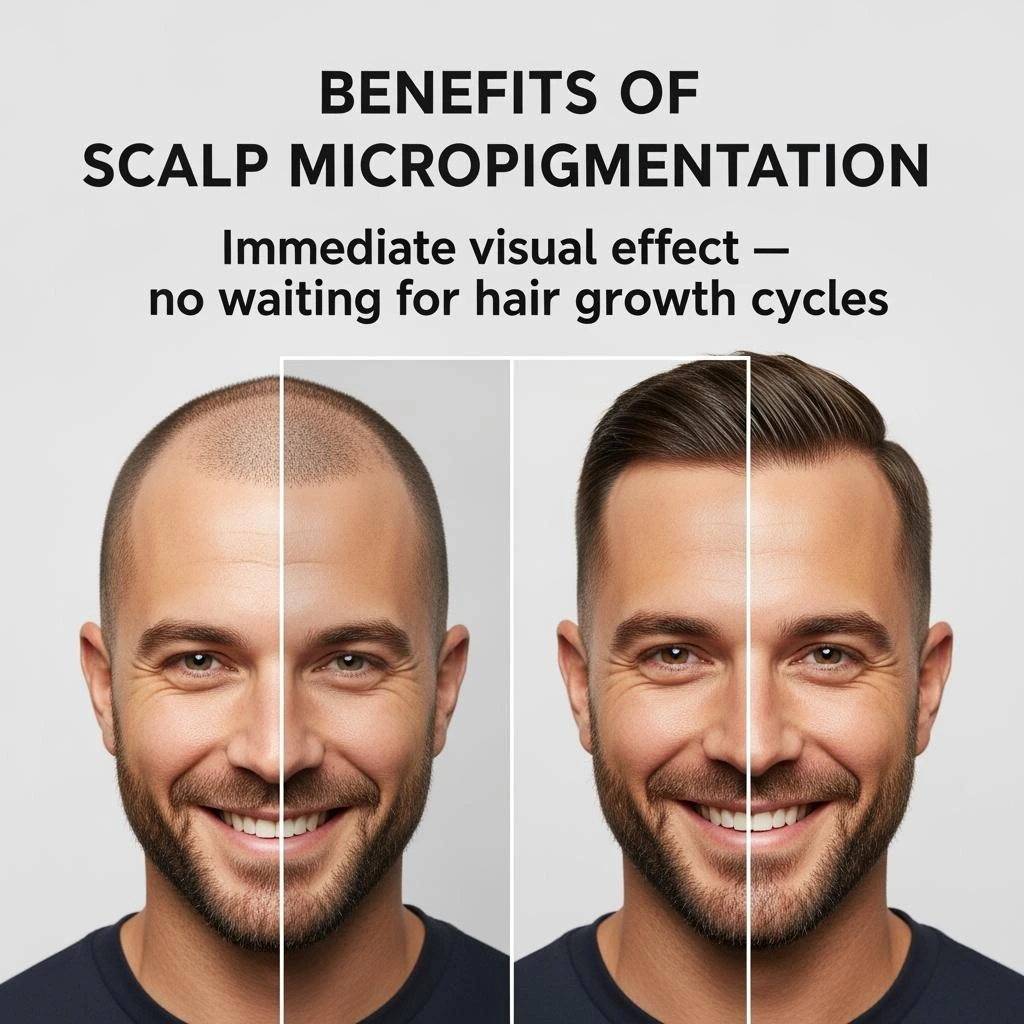
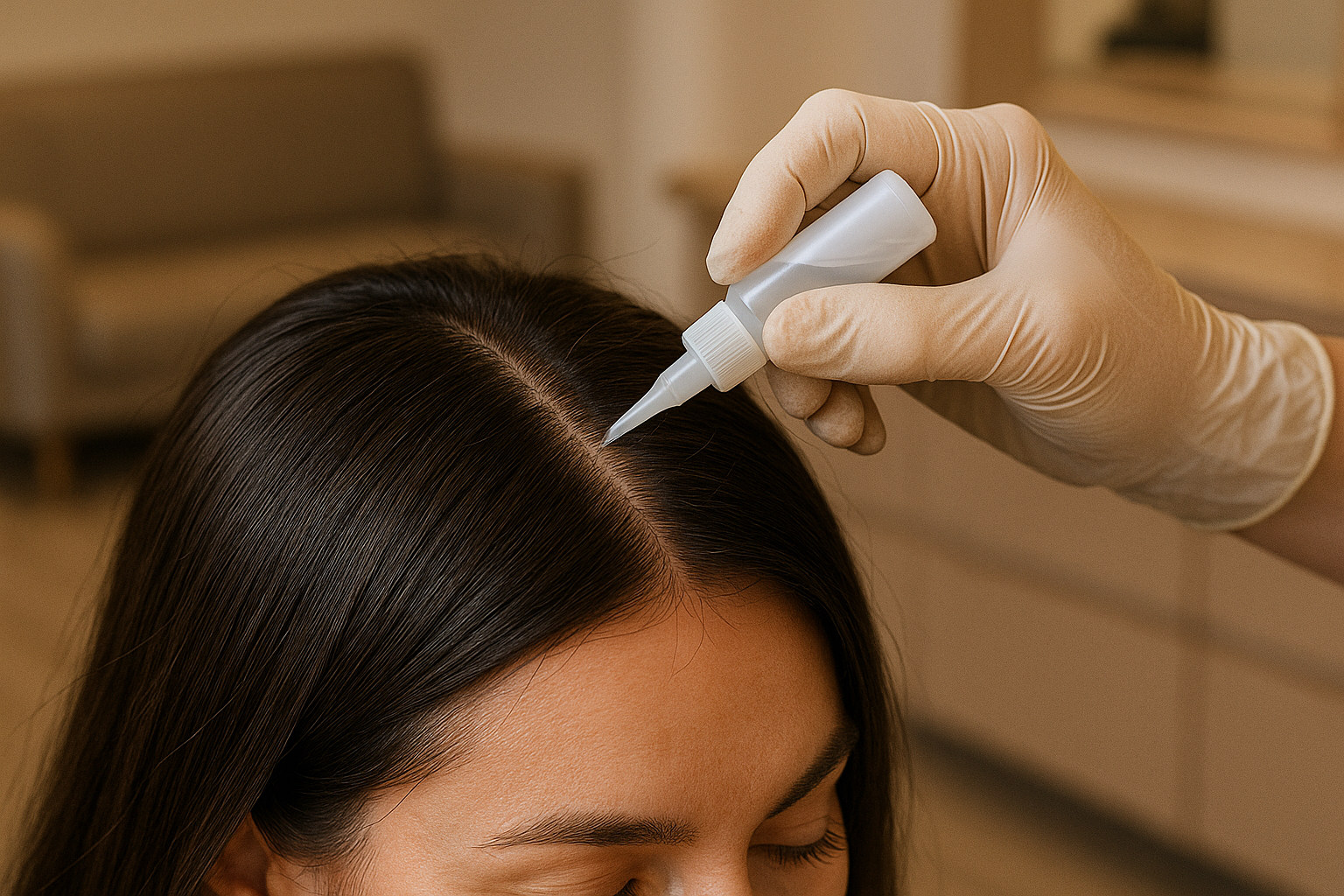
    Itchy scalp has many causes from dryness and dandruff to product reactions

    First steps that help many people

    Stop scratching with nails. Cool water rinses feel better than scalding showers. Simplify to one gentle shampoo for a week if you suspect product overload—unless greasy seborrheic flakes dominate, then a medicated direction may fit better.

    Rinse thoroughly. Residue itself itches. After workouts, clean the scalp when you can. Loosen tight hats.

    If flakes look greasy, try an OTC dandruff shampoo as labeled for two to four weeks. If the scalp feels tight and over-washed, reduce frequency and add moisture to lengths without dumping oil on inflamed skin.
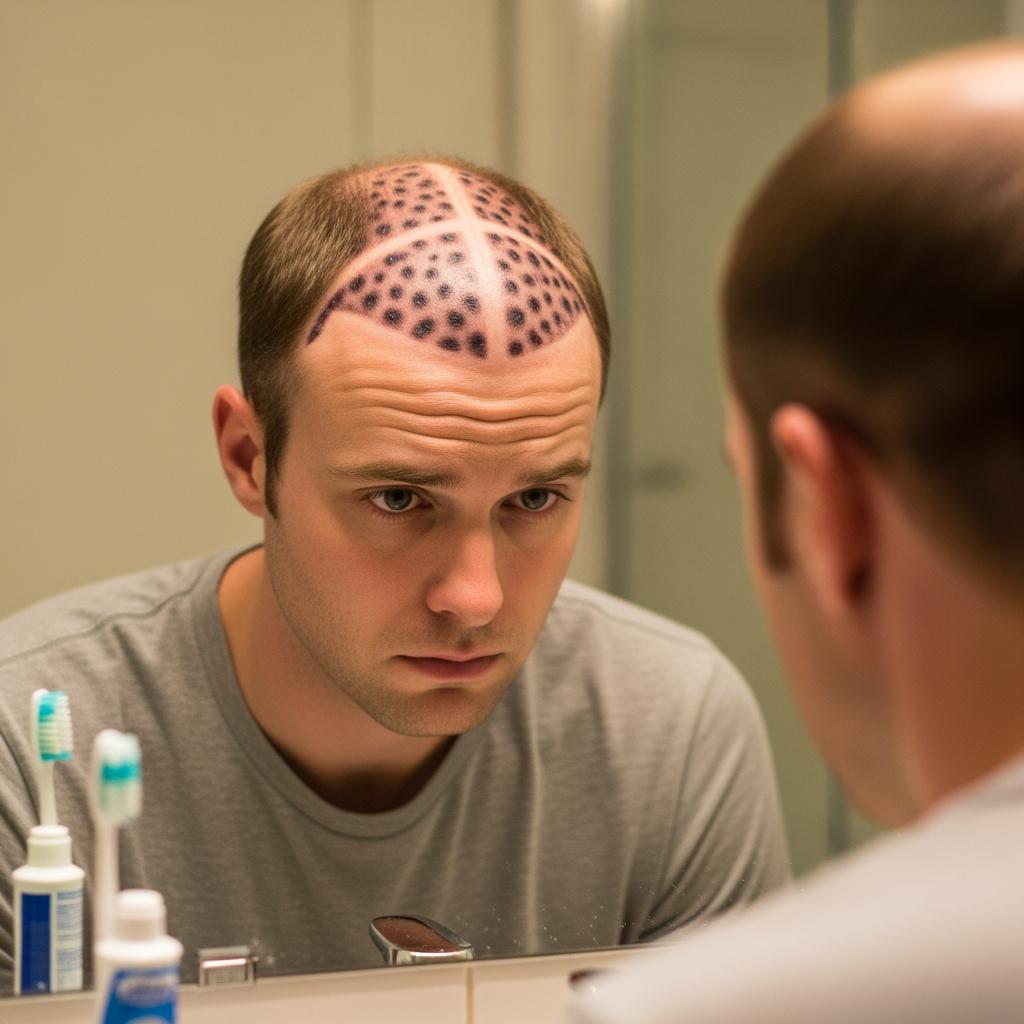
    Stopping nail scratching is a key first step for itchy scalp relief

    Red flags — see a clinician

    Pus, fever, swelling lymph nodes. Bald patches with scale. Intense itch at night with suspected lice. Sudden rash after hair dye with face swelling. Itch with no visible rash lasting weeks may still need evaluation for neuropathy or other causes.

    Do not wait months rotating oils on open sores. Oral antifungals for tinea require prescriptions. Lice need proper treatment protocols.

    Bring daylight photos and a product list. AzScalpDoctor can educate; exams belong to clinicians.

    Itch after cosmetic scalp work

    Healing SMP can itch as pigment settles. Follow studio aftercare—not random kitchen oils. Related reads: itching after scalp micropigmentation and sun care via sunscreen after SMP.

    Active disease should calm before elective pigment. Overview: scalp micropigmentation.

    Services page: SMP services.

    Home routine checklist

    Daylight check: flake type, oil level, bumps, plaques. Wash direction matched to that pattern. Finger massage only. Clean pillowcase. Less heat near the scalp—heat damaged hair habits help lengths too.

    Hard water can make shafts feel rough and tempt more scratching. Context: hard water hair.

    Oily roots with itch: oily scalp and dermatitis seboroik.

    What usually fails

    Daily essential-oil “detox” on broken skin. Sharing hats during a lice outbreak without cleaning. Switching ten shampoos in ten days. Ignoring dye patch tests.

    Assuming every itch is fungus. Assuming every itch is dryness. Pattern recognition beats brand loyalty.

    Scraping with a metal comb “to exfoliate.” Barrier damage worsens itch cycles.

    FAQ — itchy scalp

    How long before I judge a dandruff shampoo?

    Often two to four weeks of correct scalp contact time—not two washes.

    Can stress cause itchy scalp?

    Stress can amplify itch perception and habits like scratching. Still examine skin patterns.

    Is itching always dandruff?

    No. Dryness, allergy, infection, and other diseases itch too.

    When is emergency care needed?

    Breathing trouble or facial swelling after dye, rapidly spreading infection signs, or severe pain with fever.

    Kids and textured hair notes

    Children’s itch needs lice checks and gentler products. Cradle-cap style scale belongs with pediatric guidance. Textured hair may use medicated shampoo on the scalp only, then moisturize coils.

    School outbreaks of lice are common and not a hygiene insult. Treat properly and clean shared gear.

    Athletes in Mesa should plan post-practice rinses during summer heat.

    Night itch and sleep disruption

    Itch often peaks at night when distractions drop. Keep nails short. Use a cool shower before bed if heat triggers you. Avoid stacking fragrance-heavy night oils on an already reactive scalp.

    If itch wakes you repeatedly with no visible rash, mention neuropathy risks and full history to a clinician. Do not self-diagnose nerve disease from a blog.

    Lice itch can also worsen at night. Check carefully before assuming “stress only.”

    Building a two-week itch log

    Record morning/evening itch scores (0–10), products used, sweat sessions, and flake photos weekly. Change one variable per week: wash frequency, medicated shampoo, or product elimination.

    Share the log at appointments. It beats vague “it always itches.” AzScalpDoctor uses the same habit-first questioning in educational consults about cosmetic density timing.

    If scores never move after a correct pattern-based plan, escalate care rather than buying another viral scrub.

    Sun, sweat, and summer Mesa itch

    Sunburned scalp itches while healing. Wear a hat and use appropriate scalp sun protection if hair is thin. Sweat plus sunscreen sprays can leave residue—rinse after long outdoor days.

    Pool chemical irritation feels like itch plus dryness. Rinse promptly. Do not scratch with pool toys or fingernails.

    After SMP, follow aftercare for sun and sweat windows instead of improvising.

    Medication and systemic clues

    New medications, chemotherapy history, or uncontrolled diabetes can change scalp sensation and infection risk. Tell clinicians the full list. Do not stop prescriptions based on hair blogs.

    Iron deficiency and thyroid disease more often show as shedding, but people still present with itch plus dryness. Labs belong to medical visits when systemic signs exist—see also our iron-related education at rambut rontok karena zat besi.

    If itch is only over scarred alopecia patches, nerve involvement is possible. That needs specialist input, not another fragrance shampoo.

    Name the pattern, protect the barrier

    Itchy scalp care starts with cause-sorting: dry vs oily flakes, product reaction, infection, or procedure healing. AzScalpDoctor keeps the map honest for Valley readers. Call (480) 599-0868 · 1061 N Dobson Rd Ste 107 · Monday–Saturday 9am–5pm.
  • Dandruff vs Dry Scalp: How to Tell and Treat Each

    Dandruff vs Dry Scalp: How to Tell and Treat Each

    Dandruff vs dry scalp confuses almost everyone with flakes on a dark shirt. Both itch. Both shed. They are not treated the same way. AzScalpDoctor breaks down the practical differences so you stop rotating the wrong shampoo for months. Studio: 1061 N Dobson Rd Ste 107, Mesa, AZ 85201. Monday–Saturday 9am–5pm. Call (480) 599-0868. Education only—not a diagnosis.

    Arizona’s dry air pushes many people toward “dry scalp” as the default story. Sometimes that is right. Sometimes the flakes are oily seborrheic dandruff that needs medicated cleansing, not more oil.

    Quick comparison

    Dry scalp: skin lacks moisture. Flakes tend to be small and white. The scalp may feel tight. Other body skin may also feel dry. Harsh shampoo, low humidity, and over-washing often worsen it.

    Dandruff (often seborrheic dermatitis on the scalp): faster shedding linked to oil and yeast activity on skin. Flakes can be larger, yellowish, or greasy. Redness and itch are common. It may also show near brows, sides of the nose, or beard areas.

    Both can itch. Scratching creates more flakes and barrier damage. Stop using nails as a tool.

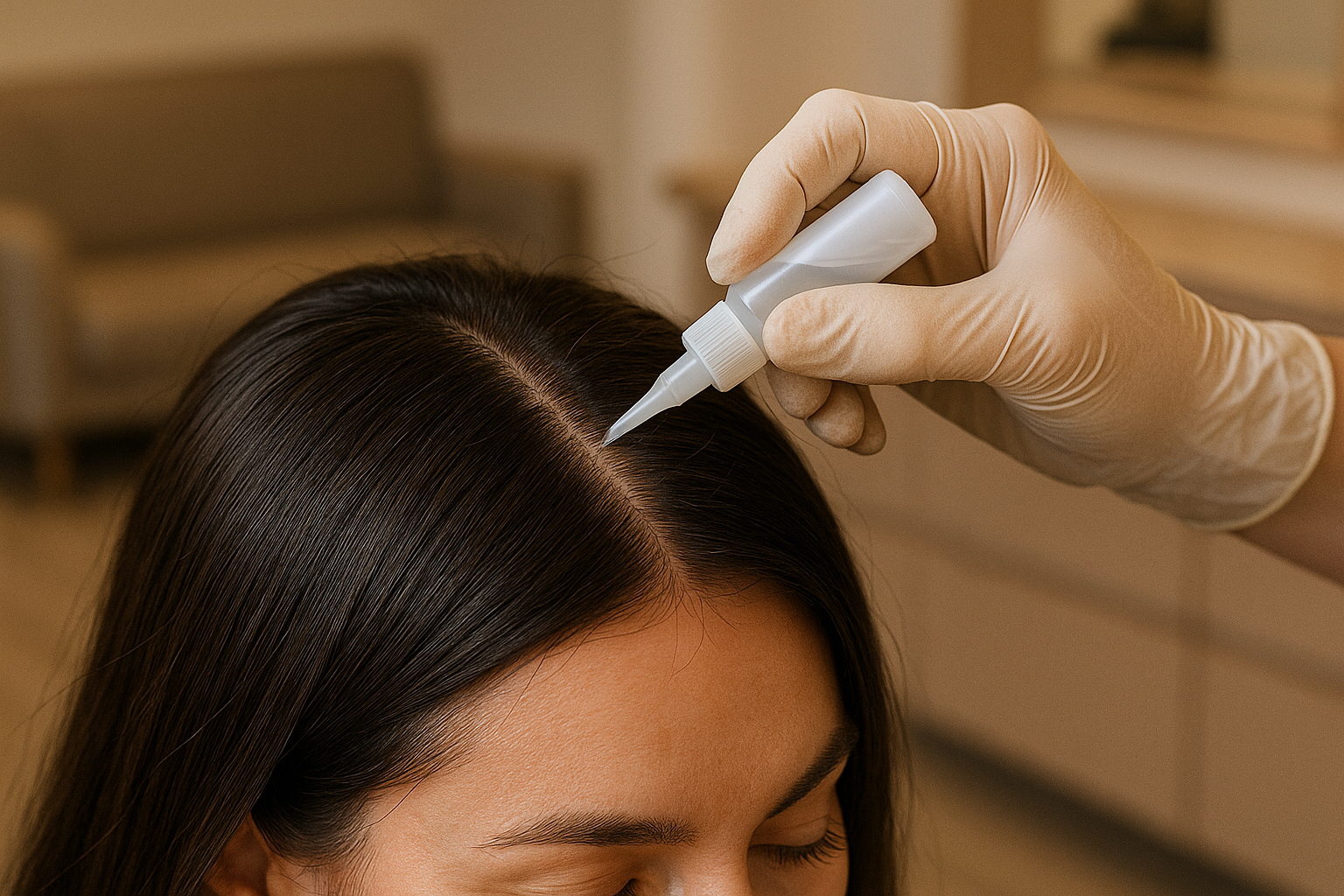
    Dandruff vs dry scalp both cause flakes but need different wash strategies

    How to tell them apart at home

    Look at flake color and oil. Greasy yellow scale points more toward dandruff/seborrheic patterns. Fine white dust with a tight feel points more toward dryness. Check whether flakes appear with oily roots within a day of washing.

    Check other skin. Dry arms and shins with a tight scalp support a dryness story. Flaking in the brows or nasolabial folds supports seborrheic patterns.

    Track your wash routine. If you already clarify aggressively and still see greasy scale, dryness is less likely the only issue. If you wash daily with strong detergent and the scalp feels tight with fine flakes, dryness is a stronger suspect.

    Related reading on our site: kulit kepala kering, dermatitis seboroik, and rambut berminyak for oily-root habits.

    Treatment direction for dry scalp

    Use a gentle shampoo. Reduce water temperature. Condition lengths. Avoid stacking fragrance-heavy products. Wash less often if the barrier feels stripped—within reason for your sweat and style needs.

    Room humidity and hats in midday sun matter in the Valley. Hard water can make lengths feel rough; that is not identical to dry scalp disease—see hard water hair.

    If you also have brittle lengths, fix tool heat. Guide: heat damaged hair.

    Fine white flakes and tightness often fit dry scalp more than oily dandruff

    Treatment direction for dandruff

    Medicated shampoos with zinc pyrithione, selenium sulfide, ketoconazole, salicylic acid, or coal tar help many people when used as labeled—often a few times weekly, left on the scalp briefly. Rotate actives if one stalls.

    Apply to the scalp, not only the ends. Rinse well. Follow with conditioner on lengths if hair feels dry. Curly or coily hair may need less frequent medicated washes; ask a clinician or stylist who understands your texture.

    Do not bury greasy scale under heavy oils for weeks. That often worsens seborrheic flares. If plaques are thick, psoriasis may be in the differential—get examined rather than guessing from a blog.

    Mistakes that keep flakes stuck

    Using a moisturizing “hydrating” cream shampoo daily on an oily seborrheic scalp. Using antifungal shampoo daily for months on a tight, over-washed dry scalp. Scratching until scabbed. Changing five brands in five days.

    Blaming only stress or only diet without changing wash technique. Stress can worsen symptoms; it is rarely the only lever.

    Ignoring infection signs—pain, pus, fever—or sudden patchy hair loss. Those need medical care.

    Where SMP fits (and does not)

    Scalp micropigmentation does not treat dandruff or dry scalp. Pigment sits in skin for cosmetic density. Active inflammation should calm first. Mesa clients often ask this in consults. Start with skin clarity, then discuss scalp micropigmentation if density cosmetics are the goal.

    Aftercare washes after SMP follow studio rules, not a random dandruff schedule. If you itch after a session, use the aftercare guide—not improvised oils.

    Services overview: SMP services.

    When to see a clinician

    No improvement after several weeks of the correct direction. Severe redness, swelling, pain, or hair loss patches. Suspected psoriasis, infection, or contact allergy to dye.

    Bring a product list and photos in daylight. AzScalpDoctor can educate; prescriptions come from clinicians who examine you.

    FAQ — dandruff vs dry scalp

    Can I have both?

    Yes. Patterns can overlap or switch with seasons and products. Treat the dominant pattern first, then reassess.

    Do flakes always mean fungus?

    No. Dry skin sheds too. Greasy seborrheic flakes are more tied to yeast-oil dynamics than simple dryness.

    Will coconut oil fix either?

    Not as a universal cure. Oils can help some dry shafts and worsen some oily inflammatory scalps.

    How long until I judge a shampoo?

    Often two to four weeks of correct use—not two washes.

    Seasonal swings in the Valley

    Monsoon humidity, winter heaters, and summer AC all change how flakes behave. A routine that worked in January can fail in July. Reassess flake type when seasons shift instead of blaming one “failed” shampoo forever.

    Travel between soft-water and hard-water cities can change rinse feel within days. Give your scalp a week of consistent technique before declaring a new allergy.

    Hats and helmets trap sweat. Rinse when you can after long wear. Sweat plus leftover product mimics both oil flakes and irritation.

    A simple two-week experiment

    Week one: pick one hypothesis—dry vs dandruff—based on flake look and oil. Follow only that wash direction. No five new bottles.

    Week two: keep the same direction. Photograph the scalp part in daylight on day one and day fourteen. Note itch scores morning and night.

    If nothing moves, see a clinician. If it improves, keep the winner and simplify the shelf. This log also helps if you later discuss cosmetic density at AzScalpDoctor.

    Kids, color-treated hair, and textured hair

    Cradle-cap style scale in infants needs pediatric guidance—not adult coal-tar experiments. Color-treated hair may need gentler medicated frequency so lengths do not crisp. Textured hair often prefers medicated product on the scalp only, then a moisturizing conditioner on coils.

    One internet ratio does not fit every texture. Ask a pro who touches your hair type weekly.

    Sensitive scalps should patch-test new actives. Burning that worsens for days is a stop signal.

    Name the pattern, then pick the wash

    Dandruff vs dry scalp is a fork: medicated cleansing for many oily flake patterns; gentler moisture-preserving care for tight dry patterns. AzScalpDoctor keeps the fork clear so Valley readers waste fewer months on the wrong bottle. Call (480) 599-0868 for Mesa studio questions about cosmetic density after the scalp is calm. Address: 1061 N Dobson Rd Ste 107 · Mon–Sat 9–5.