Tag: scalp care

  • Castor Oil for Hair: Safer Use and Honest Limits

    Castor Oil for Hair: Safer Use and Honest Limits

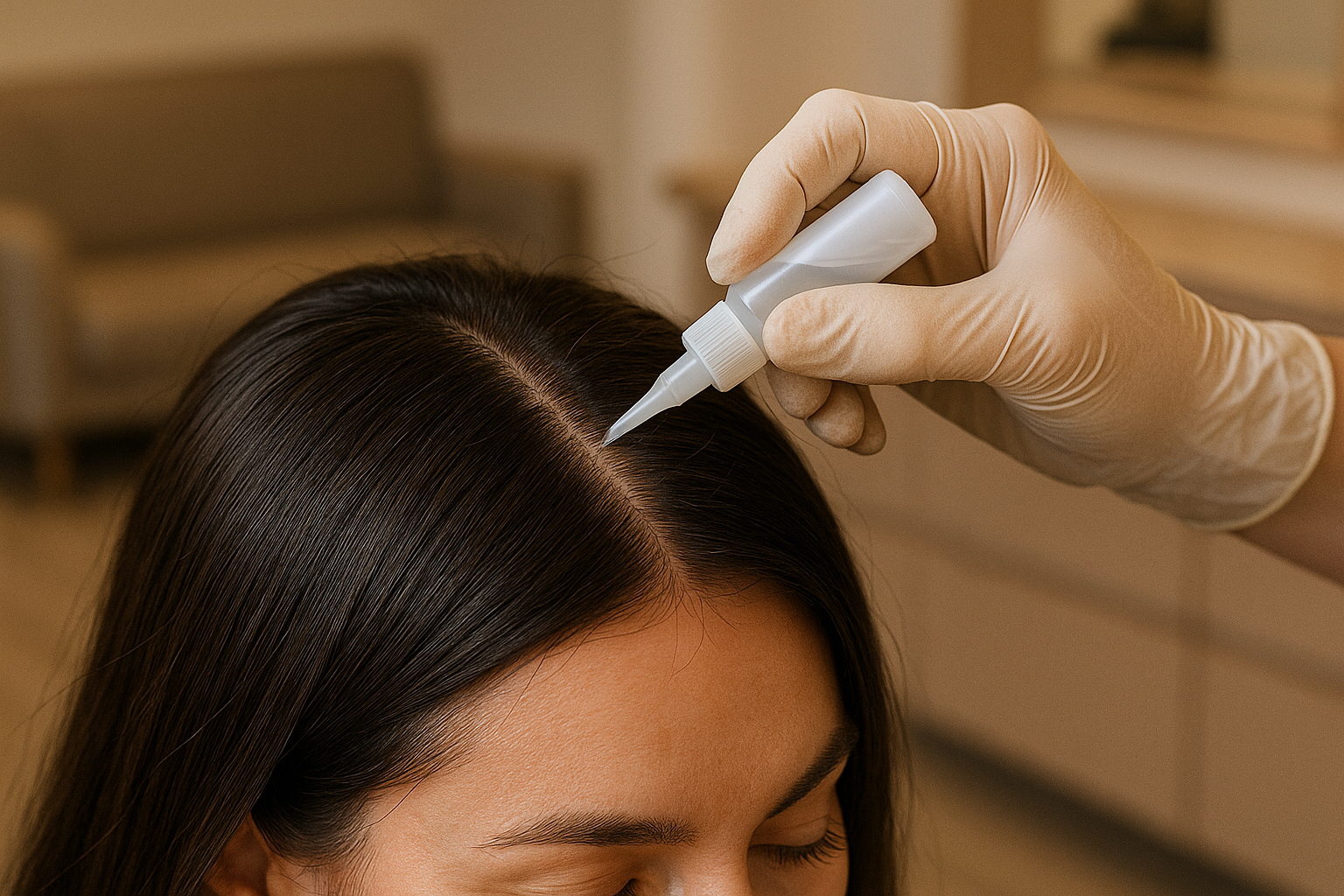
    Castor oil for hair is a thick, sticky oil people use on ends or as a scalp massage experiment. It is not a guaranteed cure for genetic baldness. AzScalpDoctor covers safer use, dilution ideas, and honest limits. Studio: 1061 N Dobson Rd Ste 107, Mesa, AZ 85201. Monday–Saturday 9am–5pm. Call (480) 599-0868. Education only—not medical advice.

    Because castor oil is viscous, a little goes a long way. Heavy overnight coats often mean morning buildup.

    What castor oil can and cannot do

    Can: soften very dry ends for some people; support a short massage routine you might stick with; feel occlusive on rough tips.

    Cannot reliably: reverse male pattern baldness alone, replace prescribed therapies, or heal scalp disease. Viral “tablespoon = full head” claims oversell. See male pattern baldness and rosemary oil hair growth.

    Shaft moisture basics: cara merawat rambut kering, cara pakai masker rambut.
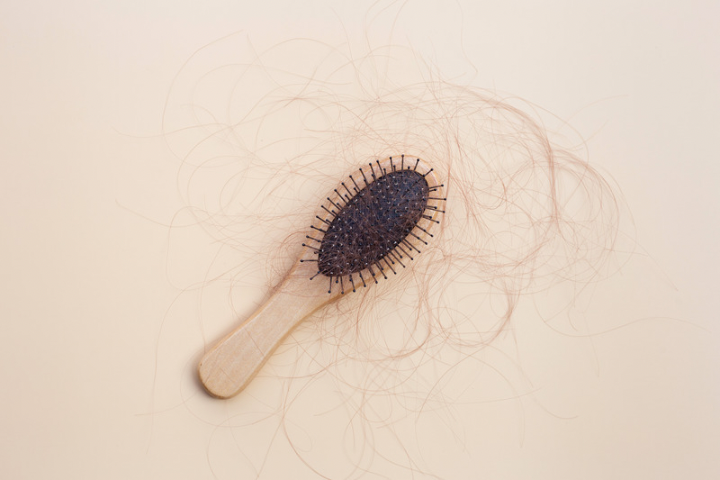
    Castor oil for hair should be used sparingly on lengths or diluted for scalp trials

    How to use castor oil for hair

    Warm a pea-sized amount between palms. Apply to mid-lengths and ends. Comb through. Leave 20–60 minutes or overnight with a cap if your hair is coarse—then shampoo thoroughly, sometimes twice.

    For scalp trials: dilute with a lighter carrier. Patch-test. Massage gently. Wash out well. Technique: cara mencuci rambut yang benar. Cleanser choice: cara memilih sampo and clarifying shampoo when residue sticks.

    Compare lighter kitchen oils: minyak kelapa untuk rambut, minyak zaitun untuk rambut.
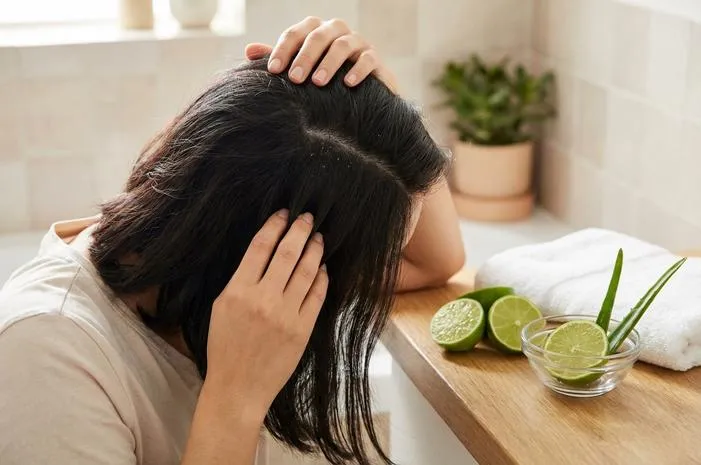
    Wash thoroughly after castor oil for hair to avoid sticky scalp buildup

    Who should be careful

    Fine or oily-rooted hair mats easily. Inflamed, itchy, or acne-prone scalps may worsen with heavy oils—oily scalp, jerawat kulit kepala, itchy scalp.

    Allergy risk: stop if redness or swelling appears. Avoid eyes. Ask a clinician before scalp experiments in pregnancy or on children.

    Do not oil over open sores or thick plaques—psoriasis kulit kepala.

    Castor oil vs real hair-loss sorting

    Telogen shed after diet or stress needs nutrition and time—rambut rontok setelah diet, postpartum hair loss. Pattern thinning needs clinical thinking—thinning hair women.

    Breakage and bleach damage are shaft problems—rambut rusak karena bleaching, split ends, heat damaged hair.

    Oil will not outwork a wrong diagnosis.

    Buildup, wash frequency, and drying

    Castor residue is stubborn. Clarify on a schedule if hair feels coated—product buildup hair. Set a wash rhythm that fits sweat and oil—how often should I wash my hair.

    After washing oil out, dry gently—cara mengeringkan rambut dengan benar. Rubbing sticky hair with a rough towel creates frizz—frizzy hair.

    Porosity notes: hair porosity.

    FAQ — castor oil for hair

    Should I use it every night?

    Usually no. Start once weekly on ends and judge feel and wash difficulty.

    Is Jamaican black castor oil better?

    Marketing varies. Thickness and cleansing discipline matter more than the label alone.

    Can it thicken edges overnight?

    Do not count on it for traction or pattern loss. Loosen styles and get evaluated.

    Do I need castor for SMP results?

    No. Pigment is cosmetic density—scalp micropigmentation—often 2 to 4 sessions.

    A cautious four-week trial

    Week 1: patch test; pea-size on ends only. Weeks 2–4: optional diluted scalp massage 1–2 times weekly with thorough wash. Photo ends and hairline in daylight.

    Stop if itch or pustules appear. Do not stack castor + rosemary + olive + coconut in one night.

    Arizona heat plus heavy oil plus workouts equals clog risk—cleanse sweat first.

    Straight fine vs curly coarse

    Fine straight hair: avoid roots—cara merawat rambut lurus. Curly coarse: ends may tolerate a bit more—cara merawat rambut keriting.

    Color-treated lengths need moisture but also clarifying discipline after sticky oils—cara merawat rambut diwarnai.

    Masks often rinse easier than pure castor for weekly moisture.

    When to see a pro

    Clinician: sudden shed, patches, pain, infection signs. Stylist: breakage map and trim plan.

    Bring a product diary. Francisco Ahumada keeps Mesa consults honest—oils are optional, not miracles.

    Call (480) 599-0868 · Ste 107 · Mon–Sat 9–5.

    Myths to drop

    “Castor regrows hairlines in seven days.” “More oil equals more growth.” “Skip shampoo so oil can work.” Hygiene still matters.

    If density cosmetics become a separate goal after medical sorting, discuss pigment with healed photos—not oil jars.

    AzScalpDoctor will not sell castor as a cure.

    Mixing castor with other oils

    Some people blend castor with jojoba or coconut to make spreading easier. Keep total volume small. One blend for two weeks beats five viral recipes in five nights.

    Essential oils add irritation risk. If you add rosemary, dilute carefully and patch-test—limits still apply.

    Never heat castor to boiling or drip onto skin that can burn.

    Edges, braids, and tension

    Castor on edges will not fix traction from tight braids or ponytails. Loosen styles first. Chronic tension needs habit change more than sticky oil.

    If bumps appear along the hairline after oily gels plus castor, stop and cleanse. Follicle irritation is not “detox.”

    Protective styles still need clean scalp days on a realistic schedule.

    Measuring progress

    Take daylight photos of ends and temples every four weeks. Note wash difficulty after oil nights. If clarifying becomes weekly only because of castor, you are using too much.

    Track shed separately from softness. Soft tips with a widening part still need pattern or telogen evaluation.

    Bring notes to any Mesa consult at Ste 107. Better notes, better triage.

    Studio expectations

    Francisco Ahumada discusses cosmetic density only after goals and skin health are clear. Pigment plans often need 2 to 4 sessions. Castor jars are unrelated to healed-dot quality.

    Sun, sweat, and hard water still shape how remaining hair feels in Arizona.

    Call (480) 599-0868 Monday–Saturday 9–5 for location education—not chat diagnosis.

    If mornings feel sticky even after two shampoos, cut the dose in half or switch to a rinse-out mask for moisture instead. Castor oil for hair should not turn every wash day into a battle.

    Keep towels you use for oil nights separate if staining bothers you. Wash them in hot cycles your fabric can handle.

    Consistency beats intensity: a pea-size routine you can cleanse beats a once-a-month scalp drowning.

    Small dose, clean rinse, clear goal

    Castor oil for hair is a heavy moisturizer experiment with cleanup costs. Use sparingly, wash well, and sort true hair-loss causes separately. AzScalpDoctor keeps Valley advice grounded.
  • How Often Should I Wash My Hair? A Practical Schedule

    How Often Should I Wash My Hair? A Practical Schedule

    How often should I wash my hair depends on scalp oil, sweat, styling products, water quality, and hair type—not a single internet number. Some people thrive washing daily; others do better every few days. AzScalpDoctor helps you set a schedule that keeps the scalp clean without shredding the lengths. Studio: 1061 N Dobson Rd Ste 107, Mesa, AZ 85201. Monday–Saturday 9am–5pm. Call (480) 599-0868. Education only.

    The goal is a comfortable scalp and manageable lengths. Bragging about “not washing for two weeks” is not a health badge if you itch or smell.

    What drives wash frequency

    Oily roots, workouts, helmets, humidity, and heavy product use push you toward more frequent cleansing. Dry, curly, or color-treated lengths often prefer fewer full washes with careful co-washing or conditioning in between—without neglecting a sweaty scalp.

    Arizona heat and gym culture matter. Sweat salts sit on the scalp. Rinse or wash after hard training when you can.

    Technique beats dogma: cara mencuci rambut yang benar. Choosing a cleanser: ID guide cara memilih sampo.

    How often should I wash my hair depends on scalp oil, sweat, and hair type

    Common schedules that work

    Daily: fine if your scalp gets oily or you sweat heavily—use a gentler shampoo and condition lengths every time. Every other day: common middle path. Two to three times weekly: frequent for curls and dry shafts if the scalp stays comfortable.

    Clarify occasionally if products or hard water build up—not every wash. See product buildup hair and hard water hair.

    Oily scalp patterns: oily scalp. Dry scalp comfort: kulit kepala kering.

    Wash the scalp thoroughly, then condition lengths when deciding how often should I wash my hair

    Hair type adjustments

    Curly and coily: longer gaps between washes are common, but scalp hygiene still counts—cara merawat rambut keriting. Fine oily hair: shorter gaps, lighter conditioners on ends only.

    Color and bleach: gentler cleansers, fewer clarifying days, moisture masks on lengths—cara merawat rambut diwarnai and rambut rusak karena bleaching.

    Porosity changes how lengths feel between washes—hair porosity.

    Signs you are washing too little

    Itch, odor, greasy roots that itch more when scratched, flaking that may be product or yeast-related, helmet scalp irritation. Do not confuse buildup flakes with dry scalp alone—dandruff vs dry scalp.

    Acne along the hairline can worsen with sweat plus product. See jerawat kulit kepala.

    If medicated shampoo was prescribed, follow that schedule—not a viral “wash less” challenge.

    Signs you are washing too much

    Lengths feel squeaky, rough, and tangled right after washing. Color fades fast. Frizz spikes—frizzy hair. You compensate with five leave-ins that then build up.

    Fix: milder shampoo, cooler water, conditioner every wash on mid-lengths, fewer clarifying days, less aggressive towel friction.

    Mask weekly if dry: cara pakai masker rambut.

    Workouts, pools, and desert life

    After heavy sweat: cleanse the scalp even if you skip a full style day. After pools: rinse chlorine promptly, then condition lengths.

    Hard water can make you feel like you need more shampoo when you actually need occasional clarifying plus moisture. Hats and sunscreen habits help color and dryness in Mesa sun.

    Night routines: loose styles, satin pillowcase, less tight elastics—reduce breakage between wash days.

    FAQ — how often should I wash my hair

    Is daily washing harmful?

    Not inherently. Harsh technique and very hot water are the bigger problems.

    Can I only rinse with water?

    Water helps sweat, but oils and product often need shampoo on the scalp.

    What about dry shampoo?

    Occasional bridge is fine. Daily layers without a real wash create buildup and itch for many people.

    Does washing less stop hair loss?

    No. Shedding and pattern loss need proper sorting—thinning hair women.

    Build your personal rule

    Track 14 days: wash dates, workouts, itch scores, and how lengths feel. Adjust by one day at a time. Keep shampoo on the scalp and conditioner on the lengths every wash you take.

    Kids and teens may need more frequent washes with sports. Older scalps may prefer milder cleansers.

    SMP clients still wash on clinician/aftercare timelines after pigment work—cosmetic density does not erase hygiene needs: scalp micropigmentation.

    Myths to drop

    “Hair gets used to dirt.” “Never wash curls.” “Oil fasting cures baldness.” None of these beat a clean, calm scalp and moisturized lengths.

    Rosemary or coconut experiments are optional extras with limits—not a wash schedule: rosemary oil hair growth.

    AzScalpDoctor keeps Mesa advice practical: observe your scalp, then set the calendar.

    A simple starting point

    If unsure, start every other day with gentle shampoo and conditioner on lengths. Move earlier if greasy/itchy; move later if lengths suffer and scalp stays fine. Reassess after two weeks of consistent technique.

    Francisco Ahumada emphasizes honest limits—no one-frequency-fits-all rule for the Valley.

    Call (480) 599-0868 · Ste 107 · Mon–Sat 9–5.

    Travel, hormones, and seasons

    Travel weeks with more sweat or pool days need more scalp cleanses. Hotel hard water may change how shampoo feels—pack a small conditioner for lengths.

    Hormonal shifts, postpartum shedding, or new meds can change oil and shed patterns. Adjust washing while you get medical clarity if density drops—postpartum hair loss.

    Seasonal allergies can increase itch; more scratching is not fixed by washing less. Treat the cause.

    Tools and towels between washes

    Microfiber or soft cotton reduces cuticle roughing on non-wash days. Wide-tooth combs beat ripping through knots dry.

    Dry shampoo at the roots only, then wash for real before the powder cakes. Brushing oily roots aggressively spreads oil down the shaft and can increase mid-length greasiness.

    Heat tools between washes still need protectant—frequency of washing will not save fried lengths.

    When to ask for help

    Sudden shedding clumps, painful scalp, thick scale, or pustules. Persistent itch despite a sensible wash plan. Patchy loss.

    Stylists help with cuts that remove damaged ends so wash days hurt less. Clinicians own disease and labs.

    Bring a two-week wash diary to any consult. It speeds useful advice more than a bag of unused bottles.

    Keep the rule simple

    Clean scalp. Moisturized lengths. Adjust by one day based on itch, oil, and shaft feel. Ignore extremes that shame daily washers or lionize month-long oil fasting.

    AzScalpDoctor serves Mesa readers who want calm routines over viral dares.

    Services page if cosmetic density becomes a separate goal after hygiene and medical sorting are clear.

    Match frequency to your scalp, not a trend

    How often should I wash my hair? Often enough to keep the scalp comfortable, gently enough to protect lengths. AzScalpDoctor keeps that answer personal and clear.

  • Rosemary Oil Hair Growth: Honest Limits and Safer Use

    Rosemary Oil Hair Growth: Honest Limits and Safer Use

    Rosemary oil hair growth tips flood social feeds—but oil on the scalp is not a guaranteed cure for genetic baldness. Some people use diluted rosemary oil as a scalp massage habit; evidence is limited compared with proven medical options. AzScalpDoctor separates hype from practical use and safety. Studio: 1061 N Dobson Rd Ste 107, Mesa, AZ 85201. Monday–Saturday 9am–5pm. Call (480) 599-0868. Education only—not medical advice.

    If you try it, dilute, patch-test, and keep expectations honest. Pattern hair loss still needs clinical thinking.

    What rosemary oil can and cannot do

    Can: feel refreshing for some scalps; support a massage routine that you might stick with; occasionally help the sense of scalp comfort when used carefully diluted.

    Cannot reliably: reverse advanced androgenetic baldness alone, replace prescribed therapies, or fix scarring alopecia. Viral “one drop = full head” claims are marketing, not clinic standards.

    Broader shedding framework: rambut rontok and thinning hair women.

    Rosemary oil hair growth routines should use diluted oil and patch testing

    How people typically use it

    Dilute essential oil in a carrier (jojoba, grapeseed, or similar)—never dump undiluted essential oil on broken skin. Massage lightly into the scalp for a few minutes, then leave a short time or wash per your tolerance.

    Frequency: a few times per week is common in DIY routines—not hourly saturation. If you run oily, keep amounts tiny. Oily scalp guide: oily scalp.

    Wash technique still matters: cara mencuci rambut yang benar. Residue stacks fast—product buildup hair.

    Cleanse after oil treatments so rosemary oil hair growth experiments do not cause buildup

    Safety first

    Patch-test behind the ear. Stop if redness, burning, or swelling appears. Avoid eyes. Be cautious in pregnancy and with children—ask a clinician.

    Do not oil over active infection, open sores, or thick inflammatory plaques. Itch maps: itchy scalp. Acneiform bumps: jerawat kulit kepala.

    Essential oils are concentrated. “Natural” does not mean harmless.

    Sort the cause of hair loss first

    Telogen shed after stress, illness, or postpartum differs from pattern thinning. Iron and thyroid issues need labs when indicated—rambut rontok karena zat besi, postpartum hair loss.

    Traction from tight styles needs looser habits, not more oil. Breakage from bleach/heat is a shaft problem—rambut rusak karena bleaching and heat damaged hair.

    Oil will not outwork a wrong diagnosis.

    What usually works better than oil alone

    Gentle cleansing, less max heat, protein-iron balanced diet with clinician guidance, treating scalp disease properly, and evidence-based medical options when a dermatologist recommends them.

    For cosmetic density camouflage after goals are clear, SMP is a separate path—usually 2 to 4 sessions—not an oil substitute: scalp micropigmentation.

    Photograph the part monthly in daylight. Judge change over months, not overnight selfies.

    DIY mistakes

    Undiluted essential oil burns. Daily heavy oiling on already greasy roots. Mixing five oils plus castor “for growth” until the scalp is glued shut.

    Skipping shampoo until buildup mimics dandruff. Blaming genetics on “not enough rosemary.”

    Using oil on psoriasis plaques without medical care—psoriasis kulit kepala.

    FAQ — rosemary oil hair growth

    Is it proven like minoxidil?

    No. Some small studies are interesting; it is not a universal replacement for prescribed care.

    Can I leave it on overnight?

    Only if your scalp tolerates diluted oil and you can cleanse well after. Many people prefer shorter contact.

    Will it thicken a receding hairline?

    Do not count on it for advanced pattern loss. Get evaluated.

    What about rosemary water sprays?

    Marketing varies. Keep hygiene clean; sprays can still irritate sensitive skin.

    A cautious four-week trial

    Week 1: patch test. Weeks 1–4: diluted massage 2–3 times weekly, gentle wash, no new harsh chemicals. Log itch, oiliness, and part photos.

    Stop early if irritation. Do not stack ten new actives at once.

    Arizona heat + heavy oil + workouts can clog; cleanse sweat promptly.

    Carrier oils and hair lengths

    If lengths are dry, a tiny amount of carrier on ends differs from scalp treatment. Coconut experiments on shafts: minyak kelapa untuk rambut.

    Match moisture weight to porosity—hair porosity—so ends do not feel greasy while roots starve or vice versa.

    Curly dry ends need slip and moisture more than endless essential oil drops—cara merawat rambut keriting.

    Honest brand line

    AzScalpDoctor will not sell rosemary as a miracle. Francisco Ahumada keeps Mesa clients on clear limits: habits, medical referral when needed, cosmetics after consent.

    Bring your routine notes to any consult. Better notes, better triage.

    Call (480) 599-0868 · Ste 107 · Mon–Sat 9–5.

    Wash frequency still matters

    Oiling more while washing less can create itch and odor. Set a scalp-clean schedule that fits your sweat and oil level—see how often should I wash my hair.

    Choose a cleanser that matches your scalp, not the oil trend of the week—cara memilih sampo.

    After workouts in Mesa heat, cleanse sweat before layering any oil experiment.

    Measuring results without self-deception

    Use the same bathroom lighting? Better: daylight photos of the part and temples every four weeks. Count shed on a wash day once a week instead of staring hourly.

    If density is still falling at three months, escalate to a clinician—do not only increase rosemary drops.

    Track meds, diet changes, and illness. Telogen triggers explain many “sudden” sheds better than missing oil.

    Who should skip DIY oils

    Broken scalp skin, active folliculitis, weeping eczema, or recent chemical burns. Patchy alopecia areata needs medical mapping, not kitchen aromatherapy as first line.

    People with fragrance migraine or strong essential-oil sensitivity should avoid scalp experiments entirely.

    If you already struggle with oily roots, prioritize cleansing discipline before any growth-oil stack.

    Where SMP sits in the conversation

    When medical options and time are clear, some clients choose pigment for scalp show. That is camouflage, usually planned across 2 to 4 sessions—not an overnight oil result.

    Healed photos beat filtered promises. Ask about maintenance and sun care in the Arizona climate.

    Studio address stays Ste 107 on N Dobson Rd for in-person education.

    Dilute, test, measure—do not mythologize

    Rosemary oil hair growth talk should stay grounded: possible comfort habit, not a guaranteed cure. Sort causes, protect the scalp, and use proven care when indicated. AzScalpDoctor keeps that line clear for Valley readers.

  • Itchy Scalp Causes: How to Sort Dryness, Dandruff, and More

    Itchy Scalp Causes: How to Sort Dryness, Dandruff, and More

    Itchy scalp drives people to scratch until flakes and scabs appear. Causes range from dry skin and dandruff to product reactions, psoriasis, fungus, or lice. AzScalpDoctor maps the common forks so you pick a smarter first step. Studio: 1061 N Dobson Rd Ste 107, Mesa, AZ 85201. Monday–Saturday 9am–5pm. Call (480) 599-0868. Education—not a diagnosis.

    Arizona heat, AC, sweat under hats, and hard water all shape itch stories here. Still, not every itch is “just the desert.”

    Common causes of itchy scalp

    Dry scalp: tight feel, fine white flakes. Dandruff/seborrheic patterns: oilier flakes, redness. Compare carefully with dandruff vs dry scalp and kulit kepala kering.

    Product irritation or allergy: new dye (often PPD), fragrance, preservatives, leftover shampoo. Sensitive reactions: kulit kepala sensitif.

    Buildup and sweat: residue plus heat under helmets. Reset habits in product buildup hair and wash technique in cara mencuci rambut yang benar.

    Other causes: scalp pimples/folliculitis, psoriasis plaques, tinea (ringworm), lice, eczema. Painful bumps: jerawat kulit kepala and folikulitis. Thick plaques: psoriasis kulit kepala.

    Itchy scalp has many causes from dryness and dandruff to product reactions

    First steps that help many people

    Stop scratching with nails. Cool water rinses feel better than scalding showers. Simplify to one gentle shampoo for a week if you suspect product overload—unless greasy seborrheic flakes dominate, then a medicated direction may fit better.

    Rinse thoroughly. Residue itself itches. After workouts, clean the scalp when you can. Loosen tight hats.

    If flakes look greasy, try an OTC dandruff shampoo as labeled for two to four weeks. If the scalp feels tight and over-washed, reduce frequency and add moisture to lengths without dumping oil on inflamed skin.

    Stopping nail scratching is a key first step for itchy scalp relief

    Red flags — see a clinician

    Pus, fever, swelling lymph nodes. Bald patches with scale. Intense itch at night with suspected lice. Sudden rash after hair dye with face swelling. Itch with no visible rash lasting weeks may still need evaluation for neuropathy or other causes.

    Do not wait months rotating oils on open sores. Oral antifungals for tinea require prescriptions. Lice need proper treatment protocols.

    Bring daylight photos and a product list. AzScalpDoctor can educate; exams belong to clinicians.

    Itch after cosmetic scalp work

    Healing SMP can itch as pigment settles. Follow studio aftercare—not random kitchen oils. Related reads: itching after scalp micropigmentation and sun care via sunscreen after SMP.

    Active disease should calm before elective pigment. Overview: scalp micropigmentation.

    Services page: SMP services.

    Home routine checklist

    Daylight check: flake type, oil level, bumps, plaques. Wash direction matched to that pattern. Finger massage only. Clean pillowcase. Less heat near the scalp—heat damaged hair habits help lengths too.

    Hard water can make shafts feel rough and tempt more scratching. Context: hard water hair.

    Oily roots with itch: oily scalp and dermatitis seboroik.

    What usually fails

    Daily essential-oil “detox” on broken skin. Sharing hats during a lice outbreak without cleaning. Switching ten shampoos in ten days. Ignoring dye patch tests.

    Assuming every itch is fungus. Assuming every itch is dryness. Pattern recognition beats brand loyalty.

    Scraping with a metal comb “to exfoliate.” Barrier damage worsens itch cycles.

    FAQ — itchy scalp

    How long before I judge a dandruff shampoo?

    Often two to four weeks of correct scalp contact time—not two washes.

    Can stress cause itchy scalp?

    Stress can amplify itch perception and habits like scratching. Still examine skin patterns.

    Is itching always dandruff?

    No. Dryness, allergy, infection, and other diseases itch too.

    When is emergency care needed?

    Breathing trouble or facial swelling after dye, rapidly spreading infection signs, or severe pain with fever.

    Kids and textured hair notes

    Children’s itch needs lice checks and gentler products. Cradle-cap style scale belongs with pediatric guidance. Textured hair may use medicated shampoo on the scalp only, then moisturize coils.

    School outbreaks of lice are common and not a hygiene insult. Treat properly and clean shared gear.

    Athletes in Mesa should plan post-practice rinses during summer heat.

    Night itch and sleep disruption

    Itch often peaks at night when distractions drop. Keep nails short. Use a cool shower before bed if heat triggers you. Avoid stacking fragrance-heavy night oils on an already reactive scalp.

    If itch wakes you repeatedly with no visible rash, mention neuropathy risks and full history to a clinician. Do not self-diagnose nerve disease from a blog.

    Lice itch can also worsen at night. Check carefully before assuming “stress only.”

    Building a two-week itch log

    Record morning/evening itch scores (0–10), products used, sweat sessions, and flake photos weekly. Change one variable per week: wash frequency, medicated shampoo, or product elimination.

    Share the log at appointments. It beats vague “it always itches.” AzScalpDoctor uses the same habit-first questioning in educational consults about cosmetic density timing.

    If scores never move after a correct pattern-based plan, escalate care rather than buying another viral scrub.

    Sun, sweat, and summer Mesa itch

    Sunburned scalp itches while healing. Wear a hat and use appropriate scalp sun protection if hair is thin. Sweat plus sunscreen sprays can leave residue—rinse after long outdoor days.

    Pool chemical irritation feels like itch plus dryness. Rinse promptly. Do not scratch with pool toys or fingernails.

    After SMP, follow aftercare for sun and sweat windows instead of improvising.

    Medication and systemic clues

    New medications, chemotherapy history, or uncontrolled diabetes can change scalp sensation and infection risk. Tell clinicians the full list. Do not stop prescriptions based on hair blogs.

    Iron deficiency and thyroid disease more often show as shedding, but people still present with itch plus dryness. Labs belong to medical visits when systemic signs exist—see also our iron-related education at rambut rontok karena zat besi.

    If itch is only over scarred alopecia patches, nerve involvement is possible. That needs specialist input, not another fragrance shampoo.

    Name the pattern, protect the barrier

    Itchy scalp care starts with cause-sorting: dry vs oily flakes, product reaction, infection, or procedure healing. AzScalpDoctor keeps the map honest for Valley readers. Call (480) 599-0868 · 1061 N Dobson Rd Ste 107 · Monday–Saturday 9am–5pm.

  • Product Buildup Hair: How to Remove Residue the Smart Way

    Product Buildup Hair: How to Remove Residue the Smart Way

    Product buildup hair feels coated, dull, or strangely heavy even after you wash. Styling cream, dry shampoo, silicones, hard-water minerals, and leftover conditioner on the roots can stack for weeks. AzScalpDoctor explains how to reset without shredding your lengths. Studio: 1061 N Dobson Rd Ste 107, Mesa, AZ 85201. Monday–Saturday 9am–5pm. Call (480) 599-0868. Education only.

    Valley clients often blame “bad shampoo” when the real issue is residue plus Arizona hard water. Clear the film, then judge the bottle.

    What product buildup is

    Buildup is residue sitting on the scalp and shaft. It can come from leave-ins, oils, gels, sprays, dry shampoo powder, and incomplete rinsing. Minerals from hard water add another layer—see hard water hair.

    Hair may look dull, refuse to hold style, or feel sticky at the roots. The scalp can itch. Volume collapses. Color looks uneven.

    Buildup is not the same as medical flaking disease. Compare patterns with dandruff vs dry scalp and oily scalp so you do not medicate the wrong problem.

    Product buildup hair looks dull and coated until clarifying removes residue

    Signs you need a reset wash

    Shampoo barely lathers. Conditioner sits on top instead of absorbing. Dry shampoo stops working. Roots feel gritty. Ends feel plastic-coated.

    Itch without thick greasy seborrheic plaques can still be residue irritation. If you have painful bumps, read scalp-acne style guidance on our Indonesian page jerawat kulit kepala and seek care when needed.

    After swimming or heavy gel weeks, schedule a clarify sooner—not months later.

    How to remove product buildup hair

    Wet hair thoroughly. Apply clarifying shampoo to the scalp first. Massage with finger pads for a minute. Work foam through lengths. Wait a few minutes if the label allows. Rinse longer than usual.

    A second gentle pass helps after heavy dry-shampoo weeks. Follow with conditioner on mid-lengths to ends. Clarifying without moisture leaves hair squeaky and tangled—see detangle habits in related dryness guides like cara merawat rambut kering.

    Chelating clarifiers help when minerals dominate. Regular clarifiers target product film. You may not need both every week.

    Clarifying shampoo focused on the scalp helps remove product buildup hair residue

    How often to clarify

    Many people do well weekly or every two weeks. Daily clarifying strips oils and can rebound into more sebum. Color-treated hair may prefer gentler cadence plus moisture after.

    Curly and coily textures often clarify less often but still need occasional resets—especially with heavy butters. Section hair so product reaches the scalp.

    Track feel at day three and day seven after clarifying. Adjust frequency to your product load, not a influencer calendar.

    Prevention habits

    Use less product at the roots. Rinse longer. Clean brushes. Space dry shampoo days with real washes. Wash after sweaty workouts when you can—technique: cara mencuci rambut yang benar.

    Heat protectants and serums belong on lengths, not as a scalp lacquer. Heat damage is a separate shaft problem: heat damaged hair.

    If the scalp is sensitive, simplify fragrance and still clarify on a schedule—kulit kepala sensitif.

    Myths to skip

    Baking soda pastes every wash. Harsh DIY mixes can raise pH and roughen cuticles. Apple cider rinses are optional extras for some—not a medical therapy.

    “Sulfate-free forever” does not erase buildup if you layer silicones daily without any deep cleanse. Balance matters.

    SMP does not remove product film. Pigment is cosmetic density after skin is calm—scalp micropigmentation.

    When to see a clinician

    Painful pustules, spreading redness, patchy hair loss, or no improvement after clarifying and gentler product use. Buildup care will not treat fungal ringworm or psoriasis plaques.

    Bring a product list. Note hard-water softener status. AzScalpDoctor educates; prescriptions need an exam.

    FAQ — product buildup hair

    Can buildup cause hair loss?

    Heavy residue and inflammation can contribute to breakage or shedding stress. True pattern baldness needs separate evaluation.

    Is clarifying the same as dandruff shampoo?

    No. Clarifiers lift residue. Medicated dandruff shampoos target yeast-oil flake patterns.

    Will oiling dissolve buildup?

    Oils can add more film if not washed out. Clarify first.

    How soon will hair feel lighter?

    Often right after a thorough clarify and rinse—then maintain with lighter root products.

    Arizona-specific notes

    Dust, sweat, sunscreen sprays, and hard water stack faster in the Valley. Helmets trap product. Plan clarify days after festival weekends or heavy gel styling.

    Photograph your part in daylight monthly. Coated roots show better than bathroom vanity light.

    Services if density cosmetics become the goal later: SMP services.

    Silicones, dry shampoo, and “clean girl” layering

    Water-insoluble silicones can stack if you never clarify. That does not make every silicone evil—it means you need a removal plan. Dry shampoo is convenient until powder cements at the part line.

    “Clean” aesthetics that spray five products daily still create film. Count root products per week. If the number climbs, clarify climbs with it.

    Salt sprays and texturizing powders love to linger. Rinse sports styles the same day when possible.

    After clarifying: rebuild without reloading

    Day one after clarify: light leave-in on ends only. Skip root oil. Day two–three: normal gentle shampoo if oily. Save heavy cream for mid-lengths.

    If hair feels straw-like, you clarified too hard or skipped conditioner. Add a mask once, then return to balance—not five oils at the scalp.

    Color clients: tell your colorist you clarified. Some toners grab differently on freshly stripped shafts.

    Workplace and helmet schedules

    Construction helmets, food-service caps, and motorcycle gear trap product and sweat. Plan a clarify after multi-day events. Wipe sweat during breaks when safe.

    Office dry shampoo between meetings works only if a real wash follows within a day or two. Otherwise the powder becomes the buildup you came to remove.

    Travel kits should include a small clarifier for hard-water hotel stays.

    Fine hair vs dense hair

    Fine hair shows buildup as limp roots within a day. Dense or coily hair can hide residue until itch or dullness appears. Judge scalp feel and lather quality, not only Instagram volume.

    Sectioning during clarify matters more on thick hair. Unsectioned washes leave product islands at the crown and nape.

    Kids’ leave-in sprays also build up. Parents should clarify gently on a schedule suited to activity level.

    Reset the film, then rebuild the routine

    Product buildup hair clears with scalp-focused clarifying, thorough rinsing, moisture on lengths, and lighter root habits. AzScalpDoctor keeps the steps plain for Mesa and Phoenix-area readers. Call (480) 599-0868 · Ste 107 · Mon–Sat 9–5.

  • Oily Scalp Causes and Practical Ways to Manage It

    Oily Scalp Causes and Practical Ways to Manage It

    An oily scalp looks shiny at the roots within hours of washing. Hair can feel heavy, flat, or itchy. Sometimes flakes join the oil. AzScalpDoctor explains causes and habits that actually change the feel—without promising a permanently “matte” scalp forever. Studio: 1061 N Dobson Rd Ste 107, Mesa, AZ 85201. Monday–Saturday 9am–5pm. Call (480) 599-0868. Education, not a prescription.

    Genetics, hormones, heat, product buildup, and seborrheic patterns all play roles. Desert sweat under hats makes Valley clients notice oil faster in summer.

    What an oily scalp is (and is not)

    Sebaceous glands produce sebum. Some people simply make more. Hormonal shifts in puberty, stress periods, or certain medications can raise output. That is different from dirty hair alone.

    Oily roots with dry ends are common. Shampoo the scalp; condition the lengths. Do not punish ends with clarifying every day. Pair this page with cara merawat rambut kering if lengths feel brittle.

    Oily scalp is not automatic baldness. Pattern thinning needs its own evaluation. Cosmetic density options exist later—after skin habits are clear—via scalp micropigmentation.

    Oily scalp shows shine and weight at the roots soon after washing

    Common causes

    Genetics. Hormones. Heavy creams, butters, and dry shampoo layered without a real wash. Over-washing with harsh surfactants can rebound into more oil for some people. Infrequent washing lets sebum and dead cells build.

    Seborrheic dermatitis pairs oil with greasy flakes and itch. Compare patterns in dandruff vs dry scalp and our Indonesian seborrheic guide dermatitis seboroik.

    Workout sweat trapped under caps accelerates the greasy feel. Rinse the scalp after heavy sessions when you can. Heat tools near the scalp add irritation on top of oil—see heat damaged hair.

    Habits that help an oily scalp

    Wash on a schedule that matches your oil clock—not a stranger’s routine. Focus shampoo on the scalp with fingertips. Rinse thoroughly. Conditioner from mid-lengths down.

    Clarify once weekly or biweekly if you use heavy styling products or dry shampoo often. Daily clarifying can strip and rebound. After clarifying, moisturize lengths.

    If flakes are greasy, rotate an OTC medicated shampoo as labeled (zinc pyrithione, ketoconazole, selenium sulfide, salicylic acid). Leave it on the scalp for the time the bottle states.

    Keep brushes clean. Dirty brushes reapply oil and product. Avoid scratching with nails.

    Scalp-focused shampooing helps manage oily scalp without drying the lengths

    Product mistakes

    Silicone-heavy serums on the roots every morning. Overnight kitchen oils on an already shiny scalp. Skipping conditioner on damaged lengths “because oily.” Conditioner belongs on ends.

    Fragrance overload when the scalp is also sensitive. Simplify. Technique guide: cara mencuci rambut yang benar.

    Hard water can leave a coated feel that people mistake for oil. If lengths feel mineral-rough after washing, read hard water hair.

    Oily scalp and flakes

    Fine white tight flakes lean dry. Larger greasy flakes lean dandruff/seborrheic. Wrong shampoo direction wastes weeks. Use the comparison page before buying five bottles.

    Indonesian readers covering oily hair shafts may also use rambut berminyak. This English page focuses on scalp oil behavior for Valley search intent.

    Persistent plaques, pus, or patchy loss need a clinician—not another viral “rice water” rinse.

    When to see a professional

    No change after several weeks of scalp-focused washing and appropriate medicated use. Painful sores. Sudden shedding. Suspected contact allergy to dye.

    Bring a product list. Note workout frequency and hat use. AzScalpDoctor educates; medical prescriptions come from examining clinicians.

    If your goal is cosmetic density after oil and inflammation settle, book a Mesa consult. Hours Mon–Sat 9–5. NAP: Ste 107, (480) 599-0868. Services: SMP services.

    FAQ — oily scalp

    Should I wash every day?

    If roots are oily by evening and your hair texture tolerates it, more frequent gentle scalp washes can help. Coily textures may need a different cadence—protect lengths.

    Does dry shampoo fix oily scalp?

    It masks oil briefly. Without real washing, powder builds up and can itch.

    Can diet alone stop oil?

    Diet may influence overall health. It rarely replaces cleansing when glands are genetically active.

    Will SMP reduce oil?

    No. SMP adds pigment contrast. It does not shrink oil glands.

    Workouts, helmets, and double cleansing days

    After intense training, a quick scalp-focused wash beats sleeping in dried sweat. If you must choose, clean the scalp and skip heavy styling that night.

    Motorcycle helmets and safety hard hats create a warm, humid microclimate. Wipe sweat when safe. Wash on those days even if your “normal” schedule is every other day.

    Two gentle shampoo passes on heavy product days can help more than one weak pass—still focused on the scalp, still followed by length conditioner.

    Hormones, stress, and realistic expectations

    Puberty, postpartum shifts, and high-stress months can raise oil. You manage frequency and product weight; you do not shame glands for biology.

    Stress reduction helps overall health. It is not a substitute for washing when roots are slick by noon.

    Medications that change hormones may alter oil. Ask the prescribing clinician before stopping anything based on a hair blog.

    Building a calm shelf

    Keep one daily shampoo, one clarifying option, one medicated option if flakes need it, and one conditioner for lengths. That is enough for most oily-scalp routines.

    Retire root oils “for growth” experiments that leave a helmet ring by lunch. Growth marketing rarely beats genetics and medical care for true thinning.

    Reassess every month with daylight photos of the part. Shine under bathroom yellow light lies.

    Fine hair vs thick hair on an oily scalp

    Fine hair shows oil faster because strands clump and lose volume. Thick hair can hide oil longer while the scalp still feels slick. Judge the scalp skin, not only the mirror volume.

    Fine-haired clients often prefer lighter leave-ins away from roots. Thick-haired clients still need scalp cleansing even if lengths look full.

    Stylists who section the scalp during shampoo help product reach the skin. Rush rinses leave residue that feels like “mystery oil.”

    Sensitive plus oily is possible. Use fewer fragrances and still clean the scalp—see kulit kepala sensitif for barrier tips.

    Match wash to oil—not to internet myths

    An oily scalp responds to scalp-focused cleansing, smart clarifying, flake-pattern checks, and less root product. AzScalpDoctor keeps the advice plain for Mesa and Phoenix-area readers who want fewer greasy afternoons—and clear limits on what cosmetics can do. Call (480) 599-0868 · 1061 N Dobson Rd Ste 107 · Monday–Saturday 9am–5pm.

  • Dandruff vs Dry Scalp: How to Tell and Treat Each

    Dandruff vs Dry Scalp: How to Tell and Treat Each

    Dandruff vs dry scalp confuses almost everyone with flakes on a dark shirt. Both itch. Both shed. They are not treated the same way. AzScalpDoctor breaks down the practical differences so you stop rotating the wrong shampoo for months. Studio: 1061 N Dobson Rd Ste 107, Mesa, AZ 85201. Monday–Saturday 9am–5pm. Call (480) 599-0868. Education only—not a diagnosis.

    Arizona’s dry air pushes many people toward “dry scalp” as the default story. Sometimes that is right. Sometimes the flakes are oily seborrheic dandruff that needs medicated cleansing, not more oil.

    Quick comparison

    Dry scalp: skin lacks moisture. Flakes tend to be small and white. The scalp may feel tight. Other body skin may also feel dry. Harsh shampoo, low humidity, and over-washing often worsen it.

    Dandruff (often seborrheic dermatitis on the scalp): faster shedding linked to oil and yeast activity on skin. Flakes can be larger, yellowish, or greasy. Redness and itch are common. It may also show near brows, sides of the nose, or beard areas.

    Both can itch. Scratching creates more flakes and barrier damage. Stop using nails as a tool.

    Dandruff vs dry scalp both cause flakes but need different wash strategies

    How to tell them apart at home

    Look at flake color and oil. Greasy yellow scale points more toward dandruff/seborrheic patterns. Fine white dust with a tight feel points more toward dryness. Check whether flakes appear with oily roots within a day of washing.

    Check other skin. Dry arms and shins with a tight scalp support a dryness story. Flaking in the brows or nasolabial folds supports seborrheic patterns.

    Track your wash routine. If you already clarify aggressively and still see greasy scale, dryness is less likely the only issue. If you wash daily with strong detergent and the scalp feels tight with fine flakes, dryness is a stronger suspect.

    Related reading on our site: kulit kepala kering, dermatitis seboroik, and rambut berminyak for oily-root habits.

    Treatment direction for dry scalp

    Use a gentle shampoo. Reduce water temperature. Condition lengths. Avoid stacking fragrance-heavy products. Wash less often if the barrier feels stripped—within reason for your sweat and style needs.

    Room humidity and hats in midday sun matter in the Valley. Hard water can make lengths feel rough; that is not identical to dry scalp disease—see hard water hair.

    If you also have brittle lengths, fix tool heat. Guide: heat damaged hair.

    Fine white flakes and tightness often fit dry scalp more than oily dandruff

    Treatment direction for dandruff

    Medicated shampoos with zinc pyrithione, selenium sulfide, ketoconazole, salicylic acid, or coal tar help many people when used as labeled—often a few times weekly, left on the scalp briefly. Rotate actives if one stalls.

    Apply to the scalp, not only the ends. Rinse well. Follow with conditioner on lengths if hair feels dry. Curly or coily hair may need less frequent medicated washes; ask a clinician or stylist who understands your texture.

    Do not bury greasy scale under heavy oils for weeks. That often worsens seborrheic flares. If plaques are thick, psoriasis may be in the differential—get examined rather than guessing from a blog.

    Mistakes that keep flakes stuck

    Using a moisturizing “hydrating” cream shampoo daily on an oily seborrheic scalp. Using antifungal shampoo daily for months on a tight, over-washed dry scalp. Scratching until scabbed. Changing five brands in five days.

    Blaming only stress or only diet without changing wash technique. Stress can worsen symptoms; it is rarely the only lever.

    Ignoring infection signs—pain, pus, fever—or sudden patchy hair loss. Those need medical care.

    Where SMP fits (and does not)

    Scalp micropigmentation does not treat dandruff or dry scalp. Pigment sits in skin for cosmetic density. Active inflammation should calm first. Mesa clients often ask this in consults. Start with skin clarity, then discuss scalp micropigmentation if density cosmetics are the goal.

    Aftercare washes after SMP follow studio rules, not a random dandruff schedule. If you itch after a session, use the aftercare guide—not improvised oils.

    Services overview: SMP services.

    When to see a clinician

    No improvement after several weeks of the correct direction. Severe redness, swelling, pain, or hair loss patches. Suspected psoriasis, infection, or contact allergy to dye.

    Bring a product list and photos in daylight. AzScalpDoctor can educate; prescriptions come from clinicians who examine you.

    FAQ — dandruff vs dry scalp

    Can I have both?

    Yes. Patterns can overlap or switch with seasons and products. Treat the dominant pattern first, then reassess.

    Do flakes always mean fungus?

    No. Dry skin sheds too. Greasy seborrheic flakes are more tied to yeast-oil dynamics than simple dryness.

    Will coconut oil fix either?

    Not as a universal cure. Oils can help some dry shafts and worsen some oily inflammatory scalps.

    How long until I judge a shampoo?

    Often two to four weeks of correct use—not two washes.

    Seasonal swings in the Valley

    Monsoon humidity, winter heaters, and summer AC all change how flakes behave. A routine that worked in January can fail in July. Reassess flake type when seasons shift instead of blaming one “failed” shampoo forever.

    Travel between soft-water and hard-water cities can change rinse feel within days. Give your scalp a week of consistent technique before declaring a new allergy.

    Hats and helmets trap sweat. Rinse when you can after long wear. Sweat plus leftover product mimics both oil flakes and irritation.

    A simple two-week experiment

    Week one: pick one hypothesis—dry vs dandruff—based on flake look and oil. Follow only that wash direction. No five new bottles.

    Week two: keep the same direction. Photograph the scalp part in daylight on day one and day fourteen. Note itch scores morning and night.

    If nothing moves, see a clinician. If it improves, keep the winner and simplify the shelf. This log also helps if you later discuss cosmetic density at AzScalpDoctor.

    Kids, color-treated hair, and textured hair

    Cradle-cap style scale in infants needs pediatric guidance—not adult coal-tar experiments. Color-treated hair may need gentler medicated frequency so lengths do not crisp. Textured hair often prefers medicated product on the scalp only, then a moisturizing conditioner on coils.

    One internet ratio does not fit every texture. Ask a pro who touches your hair type weekly.

    Sensitive scalps should patch-test new actives. Burning that worsens for days is a stop signal.

    Name the pattern, then pick the wash

    Dandruff vs dry scalp is a fork: medicated cleansing for many oily flake patterns; gentler moisture-preserving care for tight dry patterns. AzScalpDoctor keeps the fork clear so Valley readers waste fewer months on the wrong bottle. Call (480) 599-0868 for Mesa studio questions about cosmetic density after the scalp is calm. Address: 1061 N Dobson Rd Ste 107 · Mon–Sat 9–5.

  • Hard Water Hair in Arizona: What Minerals Really Do

    Hard Water Hair in Arizona: What Minerals Really Do

    Hard water hair is a common complaint in the Phoenix–Mesa Valley. Calcium and magnesium in tap water can leave a film on the hair shaft. Hair may feel rough, dull, coated, or harder to rinse. AzScalpDoctor explains what hardness can and cannot explain—without blaming every itch on the water main. Studio: 1061 N Dobson Rd Ste 107, Mesa, AZ 85201. Monday–Saturday, 9am–5pm. Call (480) 599-0868. This page is education, not a medical diagnosis.

    Valley water is often hard to very hard. That can change how shampoo lathers and how conditioner feels. It does not automatically mean your follicles are “calcified” or that hard water alone causes patterned baldness.

    What hard water does to hair

    Hard water contains dissolved minerals. On fixtures you see white scale. On hair, minerals can deposit on the cuticle. Studies have measured higher calcium and magnesium on hair washed in harder water. Fibers can feel stiffer or less smooth. Color may look duller faster for some people.

    Hard water is a plausible reason for coated lengths and poor rinse-out. It is a weak explanation for sudden shedding patches, open sores, or thick greasy scale. Those need a different workup. If your scalp is inflamed, start with guides like itching after SMP only when relevant—or see a clinician for primary scalp disease.

    Desert air already dries the shaft. Hard water plus heat styling plus sun is a stack. Fix one variable at a time so you know what helped.

    Hard water hair can feel coated and dull after washing in mineral-rich tap water

    Signs that point to mineral buildup

    Showerheads crust quickly. Shampoo feels hard to rinse. Lengths feel heavy or squeaky even after conditioner. Blond or highlighted hair looks brassy sooner. Conditioner “stops working” until you clarify.

    Signs that are not explained by hardness alone: coin-shaped bald spots, thick yellow scale with itch, pus, pain, or sudden handfuls of roots with bulbs. Use medical care. Hair-care blogs do not replace that visit.

    Product buildup and hard-water film can look similar. Clarifying helps both. If symptoms return the same day every wash, minerals plus routine are suspects. If only the scalp burns, think dermatitis or allergy—not only grains per gallon.

    Practical steps for hard water hair in Arizona

    Rinse longer than you think. Minerals and suds linger. Use lukewarm water, not scalding. Focus shampoo on the scalp. Condition mid-lengths to ends.

    Use a clarifying or chelating shampoo on a schedule—often weekly or every other week—then follow with a moisturizing conditioner or mask on the lengths. Daily harsh clarifying can leave hair drier. Balance is the point.

    A shower filter or softener can reduce mineral load for some homes. Test expectations: filters vary. Softened water still needs good rinsing and heat control. Soft water is not a cure for androgenetic thinning.

    Protect color and cuticles from stacked damage. Lower heat tool settings. Use heat protectant. Cover hair in midday sun. After swimming, rinse pool water promptly. Related habit guides: healthy hair damage prevention and sauna after SMP if you have pigment work healing.

    Clarifying washes and thorough rinsing help manage hard water hair buildup

    Hard water vs dry scalp vs thinning

    Dry, tight scalp itching can come from weather, product, or disease. Mineral film on shafts is a different problem than plaques. Indonesian readers on our site also use kulit kepala kering for scalp dryness education. English readers: treat shaft buildup and scalp inflammation as separate checklists.

    Pattern thinning at the temples or crown is usually genetic or medical—not “Phoenix water ate my follicles.” If density loss is your main issue, cosmetic options like scalp micropigmentation in Mesa address appearance after you understand limits: SMP does not soften hard-water cuticles.

    People driving from Tempe, Gilbert, Chandler, or Scottsdale often ask the same question in consults. We separate water-film complaints from pigment planning. Honest sequencing beats one product promising both.

    Mistakes that make hard water hair worse

    Layering heavy oils on the scalp every night “to fight minerals,” then never clarifying. Turning heat tools to max because hair feels stiff. Bleaching repeatedly to chase brass without fixing wash technique. Buying a softener and ignoring UV and heat.

    Blaming hard water for every flake. Seborrheic patterns need different care than mineral film. See clinical care when scale is greasy, itchy, and persistent.

    Skipping sunscreen or hats after cosmetic scalp work. Arizona sun is its own variable. Read sunscreen after scalp micropigmentation if you have healed or healing pigment.

    When to see a professional

    See a clinician for painful scalp, infection signs, sudden shedding, or patches. See a stylist or trichology-aware pro for color correction plans. Call AzScalpDoctor when you want a clear talk about density cosmetics in Mesa—not when you need a prescription shampoo for psoriasis.

    Bring notes: water softener yes/no, clarifying frequency, heat tool use, recent color. Better notes beat better guesses.

    Our studio hours and NAP stay consistent: Ste 107, (480) 599-0868, Mon–Sat 9–5.

    FAQ — hard water hair

    Does hard water cause baldness?

    Hard water can affect feel and rinse. It is not a proven primary cause of pattern baldness. Investigate medical causes for true shedding.

    Will a shower filter fix everything?

    It may reduce mineral load. You still need rinsing, clarifying when needed, and less heat damage.

    How often should I clarify?

    Often weekly to biweekly for heavy product or very hard water—then moisturize lengths. Adjust to how dry your hair feels.

    Can SMP hide hard-water dullness?

    No. SMP adds pigment contrast on the scalp. It does not polish the hair shaft.

    Color-treated hair and brass in hard water

    Highlighted and bleached hair shows mineral and metal effects sooner. Brass can come from water metals, leftover toner fade, or both. Clarifying helps some brass; toners and purple shampoos address tone. Do not bleach again only to chase a phone-photo color cast.

    Ask your colorist what clarifying schedule fits your formula. Over-clarifying fades color faster. Under-clarifying leaves a film that makes toner look uneven.

    If you also flat-iron daily, fix heat load before blaming only the municipal report. Stacked damage looks like “nothing works.”

    Home test mindset without panic

    You do not need lab-grade water gear to start. Track: rinse time, clarifying day, heat days per week, and how lengths feel at noon—not only under bathroom light. Change one variable for two weeks.

    Apartment renters who cannot install softeners still control shampoo dose, rinse length, and tool heat. Those levers are free.

    If a water report shows high hardness, treat it as context. It does not replace a dermatology visit for plaques or sudden bald spots.

    Manage minerals; do not mythologize them

    Hard water hair in Arizona is mostly a shaft and rinse problem. Clarify on a schedule, rinse well, protect from heat and sun, and get medical help for real scalp disease. AzScalpDoctor keeps education honest so Valley clients know what water can change—and what it cannot. Call (480) 599-0868 for Mesa studio questions about cosmetic density after your wash routine is stable.

  • Hair Treatment Guide: Repairing, Restoring & Revitalizing Your Hair

    Hair Treatment Guide: Repairing, Restoring & Revitalizing Your Hair

    Maintaining healthy hair is not as simple as using shampoo and conditioner. Daily exposure to heat styling, pollution, chemical coloring, lack of nutrition, and stress can cause significant damage over time. When your hair becomes dry, brittle, or prone to breakage, a proper hair treatment Guide is essential to restore moisture, strength, and shine.

    Hair Treatment Guide: Repair, Restore & Revitalize

    This comprehensive guide will help you understand everything about hair treatments—what they are, the best types, how often you need them, how much they cost, and how to maintain results long-term. Whether you struggle with damaged hair, scalp issues, or thinning strands, the right treatment can completely transform your hair’s health.

    Read More: Restore Your Look with Scalp Micropigmentation Experts


    What Is Hair Treatment?

    A hair treatment is a specialized procedure designed to address specific hair concerns such as damage, dryness, frizz, thinning, or scalp issues. Unlike basic hair care, hair treatments penetrate deeper into the hair shaft or scalp to repair structural damage and deliver targeted nutrients.

    Hair treatments are recommended for individuals who experience:

    • Dry, brittle strands
    • Split ends that return quickly
    • Breakage from coloring or heat
    • A flaky, oily, or itchy scalp
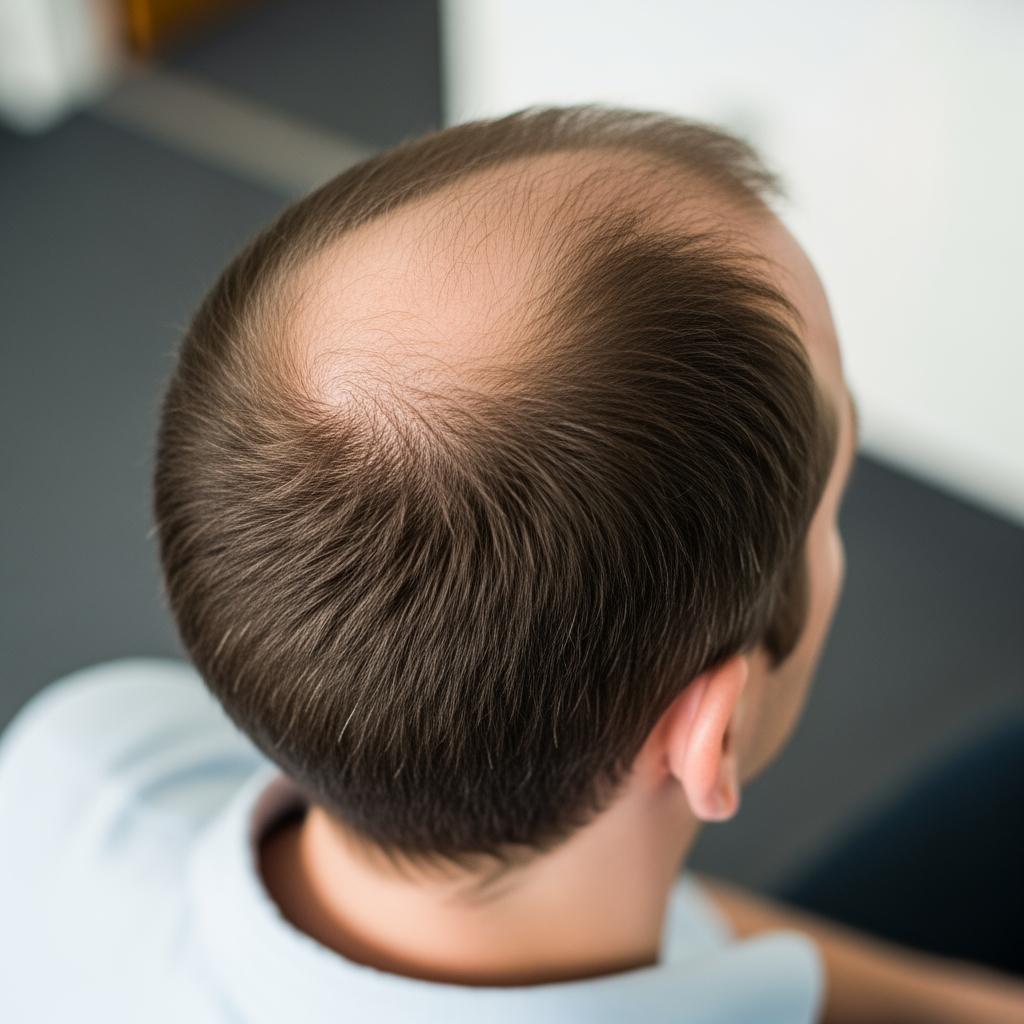
    • Hair thinning or lack of volume
    • Severely damaged hair due to chemical processes

    Professional treatments are far more effective than at-home products because they use concentrated formulas and deeper penetration techniques that directly strengthen the hair’s internal structure.


    Types of Hair Treatment Guide You Should Know

    Not all hair concerns are the same, which is why there are multiple types of hair treatments. Each one is designed to solve a different problem. Here are the most effective and popular options available today:


    1. Keratin Treatment Guide

    A keratin treatment is one of the most in-demand smoothing procedures. It works by infusing natural keratin protein into the hair cuticle, making the hair smoother, straighter, and shinier.

    Benefits:

    • Reduces frizz
    • Adds silky shine
    • Smooths rough hair texture
    • Makes hair easier to style
    • Can last 3–5 months with proper aftercare

    Keratin treatment is ideal for people with frizzy, unruly, or wavy hair who want a smooth, polished look without permanent straightening.

    Hair Treatment Keratin Versi AloDoker


    2. Hair Repair Treatment Guide

    A hair repair treatment focuses on rebuilding damaged hair from the inside out. It often uses bond-building ingredients, protein masks, deep conditioners, and moisture-rich formulas.

    Benefits:

    • Repairs internal hair bonds
    • Strengthens weak or broken strands
    • Restores elasticity and softness
    • Prevents further breakage

    This treatment is most suitable for chemically damaged hair—especially after bleaching, coloring, perming, or excessive heat styling.


    3. Scalp Treatment Guide

    A scalp treatment targets the root of hair health: the scalp. When the scalp is balanced, nourished, and free of buildup, hair grows stronger and healthier.

    Benefits:

    • Controls oil production
    • Relieves dandruff and flakiness
    • Removes product buildup
    • Improves blood circulation
    • Reduces itchiness and inflammation

    Scalp treatments are especially useful for individuals with oily scalp, dry scalp, dandruff, or early-stage hair thinning.


    4. Hair Growth Treatment Guide

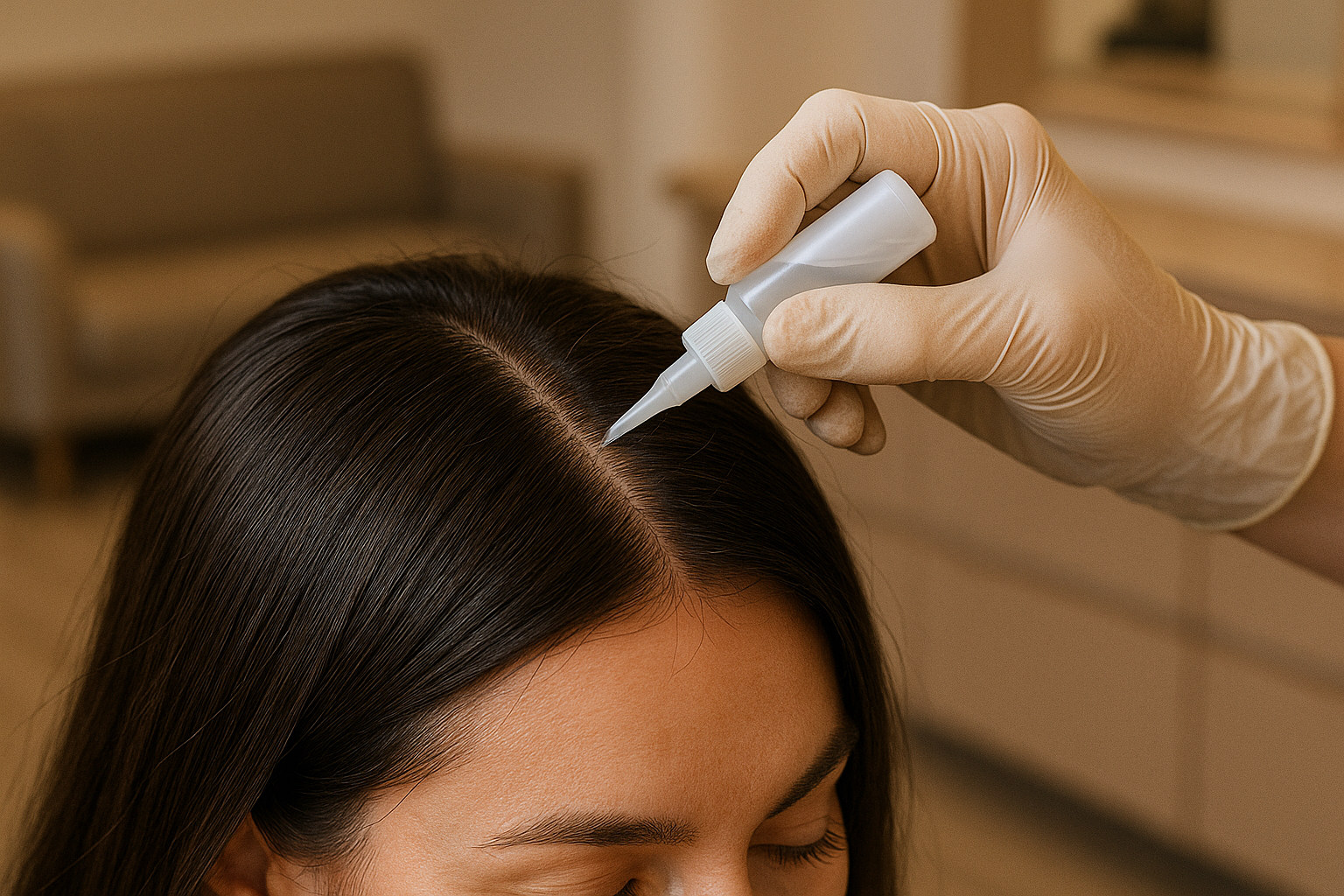
    Hair growth treatments focus on stimulating the follicles and improving density. They may include topical formulas, peptide serums, microneedling, PRP therapy, or SMP illusion density.

    Benefits:

    • Encourages new hair growth
    • Thickens weak strands
    • Boosts scalp health
    • Reduces shedding

    This treatment is ideal for individuals experiencing mild to moderate thinning, stress-related hair loss, or weakened follicles.


    5. Hair Botox Treatment Guide

    Despite the name, hair botox does not use actual Botox. Instead, it is a restorative treatment packed with collagen, proteins, vitamins, and amino acids.

    Benefits:

    • Deeply hydrates dry hair
    • Reduces frizz
    • Restores shine
    • Repairs damaged cuticles

    Hair botox is recommended for dry, brittle, or aging hair that needs deep nourishment.


    Signs You Need a Professional Hair Treatment Guide

    Not sure if you need a hair treatment? Your hair and scalp often show clear signs:

    1. Dry or Brittle Hair

    Your hair feels rough, lacks shine, and absorbs moisture quickly.

    2. Split Ends That Reappear Quickly

    Even after trimming, split ends return within weeks.

    3. Excessive Breakage

    Hair snaps easily when brushing or washing.

    4. Chemical or Color Damage

    Bleaching, coloring, or perming weakens hair fibers significantly.

    5. Oily, Itchy, or Flaky Scalp

    Indicates scalp imbalance, buildup, or dandruff.

    When these symptoms persist, a professional hair treatment becomes essential to restore balance and strengthen the hair.


    Best Hair Treatment Guide for Damaged Hair

    Damaged hair requires targeted repair. The ideal treatment depends on the type and severity of the damage:

    For Heat Damage

    → Protein and moisture-repair masks
    → Bond-building treatments

    For Chemical Damage (Bleaching/Coloring)

    → Hair repair treatment
    → Hair botox
    → Olaplex-style bond repair

    For Dry, Brittle Hair

    → Deep hydration treatment
    → Moisture infusion therapy

    For Structural Damage

    → Keratin or amino acid smoothing

    The best hair treatment for damaged hair is one that rebuilds the hair structure while restoring hydration and elasticity.


    How Often Should You Get a Hair Treatment?

    The ideal frequency depends on the treatment type:

    • Keratin treatment → every 3–5 months
    • Scalp treatment → every 2–4 weeks
    • Hair repair treatment → weekly or biweekly
    • Hair botox → every 2–3 months
    • Hair growth treatments → depend on the method (often monthly)

    A general rule:
    If your hair is severely damaged, more frequent treatments may be required until the structure improves.


    Hair Treatment vs Hair Replacement: What’s the Difference?

    These two terms are often confused, but they serve completely different purposes:

    Hair Treatment

    • Repairs, strengthens, or hydrates natural hair
    • Improves scalp health
    • Reduces damage
    • Enhances appearance
    • Helps prevent hair loss

    Hair Replacement

    • Does not repair natural hair
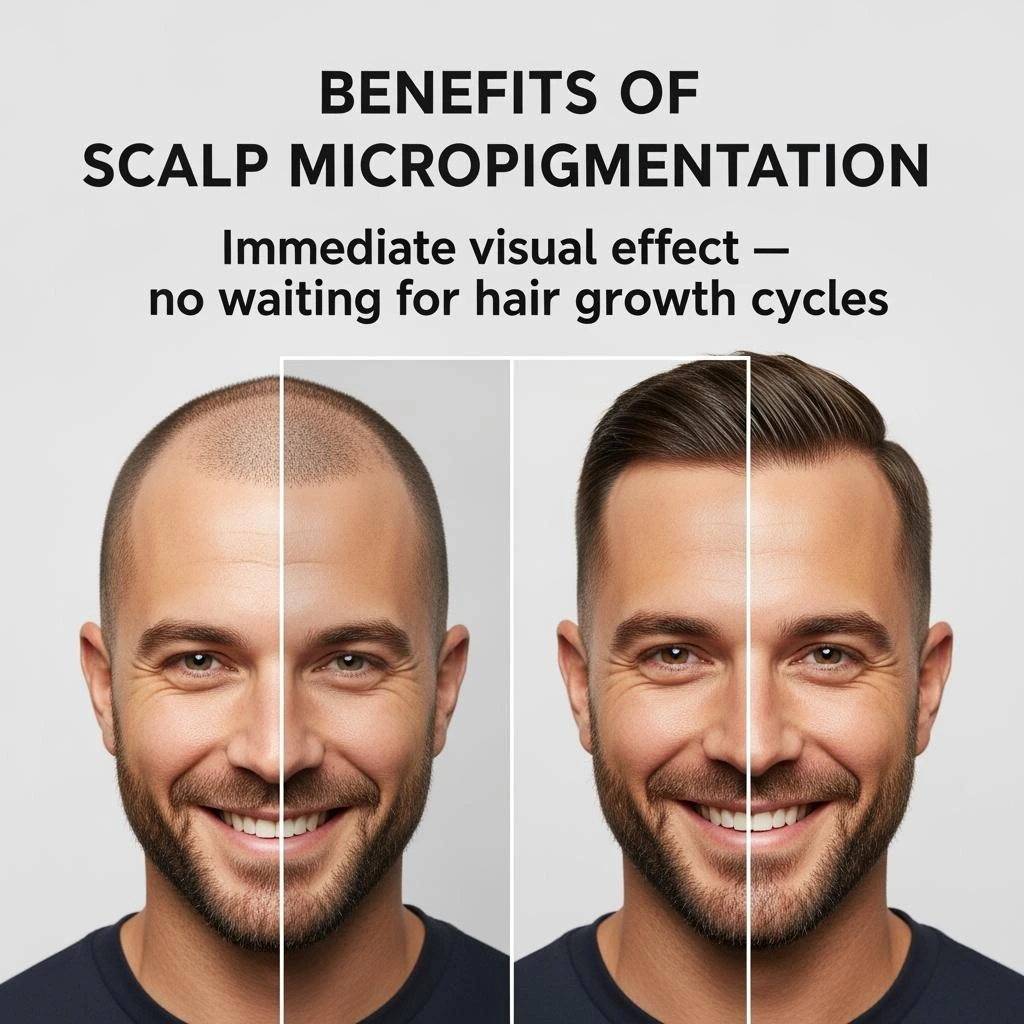
    • Includes wigs, hair systems, hair transplants, or scalp micropigmentation
    • Focuses on appearance, not hair health

    If your hair is thinning, a combination of both treatment and replacement may provide the best results.


    Cost of Hair Treatments

    The cost varies based on the type of treatment, length of hair, product quality, and location.

    Estimated Prices:

    • Keratin treatment: $150–$400
    • Hair repair treatment: $40–$150
    • Scalp treatment: $50–$120
    • Hair botox: $120–$250
    • Hair growth programs: $100–$600 per session (depending on method)

    Cost Factors:

    • Hair length and thickness
    • Level of damage
    • Stylist or clinic experience
    • Geographic location

    Searching for “hair treatment cost in [your city]” provides a more accurate estimate for your area.


    How to Maintain Results After a Hair Treatment Guide

    To make your treatment last longer, follow these maintenance tips:

    1. Use Sulfate-Free Products

    Sulfates strip moisture and cause dryness, shortening treatment longevity.

    2. Reduce Heat Styling

    Too much heat reverses the benefits of smoothing and repair treatments.

    3. Protect Hair While Sleeping

    Use a silk pillowcase or wrap your hair to reduce friction.

    4. Schedule Regular Follow-Up Treatments

    Consistency helps build and maintain healthy hair over time.

    5. Avoid Saltwater and Chlorine

    Chlorine and salt can reduce treatment effectiveness, especially keratin.


    FAQs About Hair Treatments Guide

    What is the best treatment for extremely damaged hair?

    Bond-building repair treatments combined with deep hydration are typically the best solution.

    Can hair treatment fix split ends permanently?

    No treatment can permanently fix split ends. Only trimming removes them, but treatments help prevent new ones from forming.

    Is keratin treatment safe for all hair types?

    Keratin is generally safe, but extremely fine or fragile hair may require a lighter formula.

    How long does a hair treatment last?

    Depending on the treatment type, results can last anywhere from 2 weeks to 5 months.

    Do scalp treatments help with hair loss?

    Yes, scalp treatments improve circulation, reduce inflammation, and remove buildup—factors that support healthier hair growth.


    Final Thoughts: Choosing the Right Hair Treatment for You

    Choosing the right hair treatment depends on your unique hair condition, daily habits, and long-term hair goals. If your hair is damaged, dry, brittle, frizzy, or thinning, a professional treatment can quickly restore strength and shine. Keratin treatments smooth the hair, scalp treatments support growth, hair repair treatments rebuild structure, and hair botox deeply nourishes every strand.

    Read More: Information About Hair Transplant Guide 2025 With AzScalp

    For best results, consult with a qualified stylist or hair specialist who can assess your hair condition and create a tailored treatment plan. When combined with the right aftercare, hair treatments can completely transform your hair—helping you achieve healthier, stronger, and more beautiful strands every day.