Seborrheic dermatitis is a common, chronic scalp condition with greasy or yellowish flakes, itch, and inflamed patches. It is not the same as simple dry scalp. AzScalpDoctor in Mesa, Arizona explains symptoms, over-the-counter care patterns, and when to see a clinician. Studio: 1061 N Dobson Rd Ste 107. Monday–Saturday 9am–5pm. Call (480) 599-0868. Education—not a diagnosis or prescription.
Sort flakes first: dandruff vs dry scalp, dry scalp, and itchy scalp.
What seborrheic dermatitis is
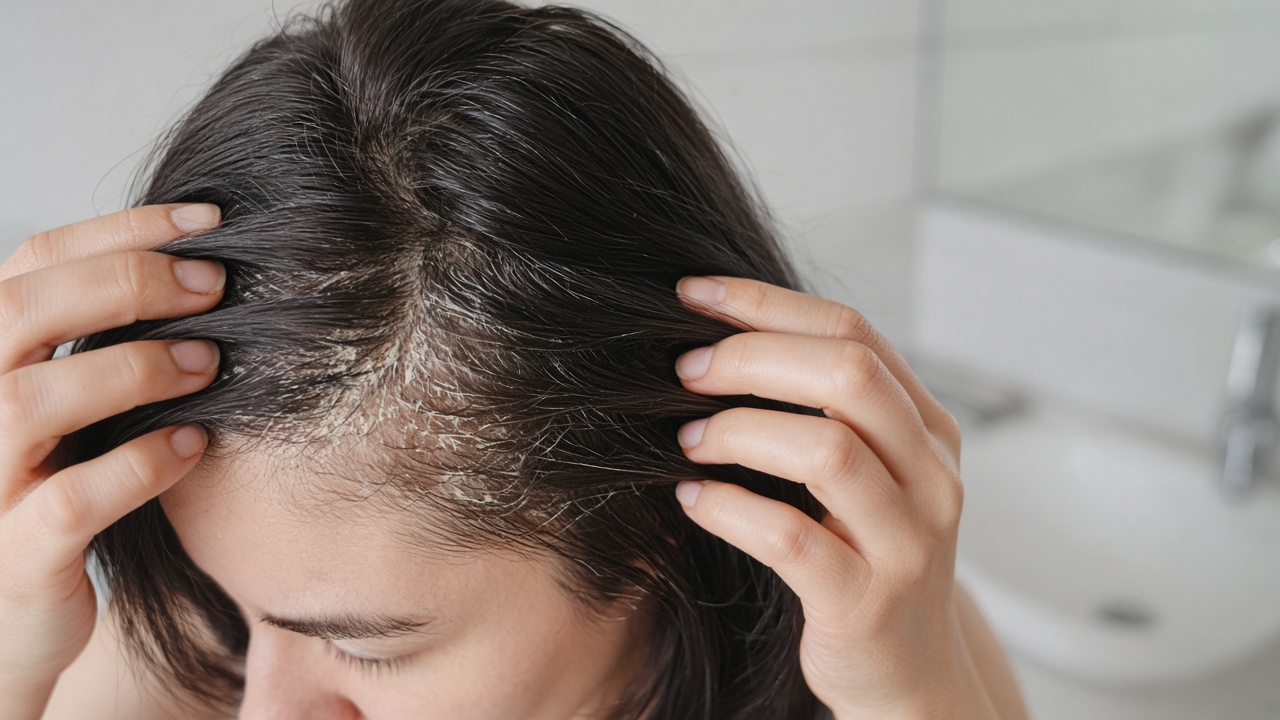
It often affects oil-rich areas: scalp, sides of the nose, eyebrows, ears, and chest. On the scalp you may see white-to-yellow scales that feel oily, redness or darker/lighter patches depending on skin tone, and stubborn itch. Flares can follow stress, fatigue, or weather shifts.
It is not contagious. It does not usually cause permanent baldness by itself. Scratching and secondary irritation can still increase breakage and temporary shed.
Wet, greasy flake patterns overlap with what many call ketombe basah: ketombe basah. Severe stuck scale is not the same as powdery dryness alone.
How it differs from dry scalp
Dry scalp flakes are usually small, white, and powdery on tight skin. Seborrheic patterns lean greasier, yellower, and more inflammatory. Moisturizing-only routines that help dry scalp can fail—or feel worse—when yeast-driven oil flakes are the driver.
Wrong shampoo choice wastes weeks. If you treated “dryness” with heavy oils and flakes got stickier, reconsider the diagnosis path with a clinician.
Oily scalp care tips are related but not identical: oily scalp. Buildup from products can mimic scale: product buildup hair.
Home care that often helps
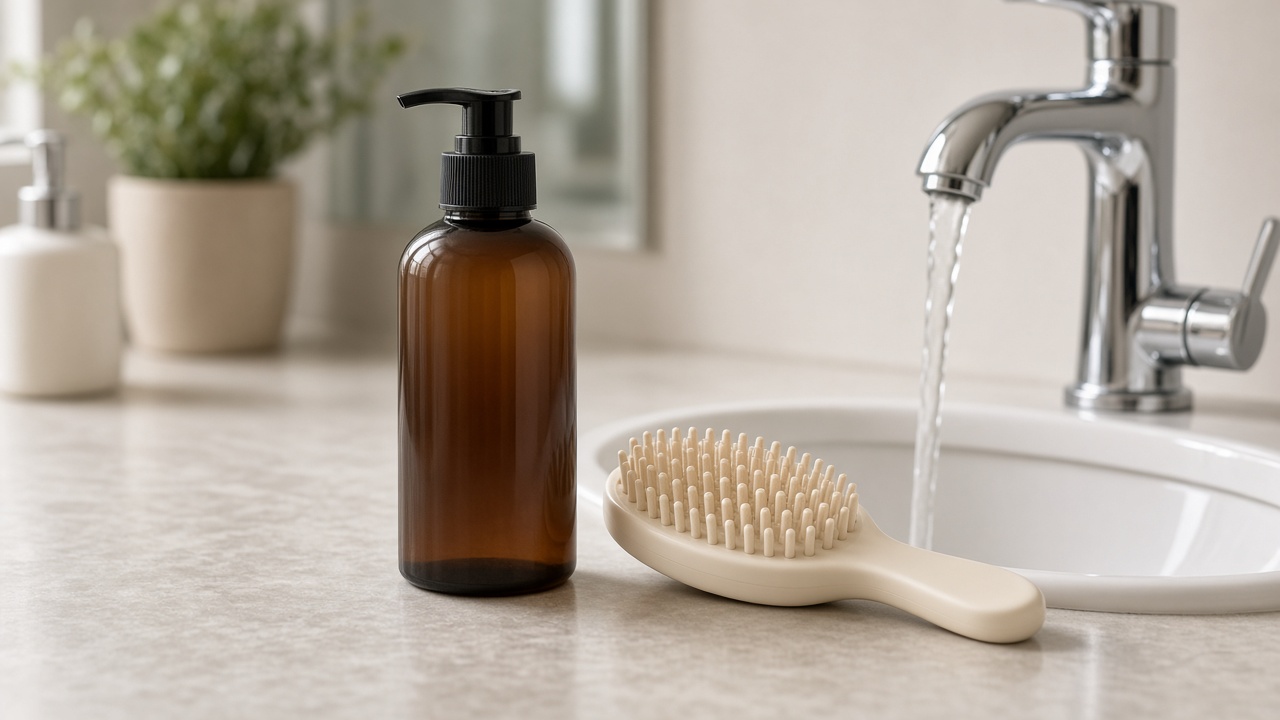
Many people start with over-the-counter medicated shampoos. Common actives include zinc pyrithione, selenium sulfide, ketoconazole, salicylic acid, or tar. Apply to the scalp, leave on for the labeled minutes, then rinse. Alternate actives if one stalls.
Frequency is often a few times weekly during flares, then less often for maintenance—follow the bottle and your clinician. Focus cleanser on skin, not only hair lengths. Use fingertip pads, not nails.
Choose wash habits that fit your texture: how often should I wash my hair and cara memilih sampo. After cleansing, condition mid-lengths to ends so medicated washes do not wreck shafts: cara merawat rambut setelah keramas.
What not to do
Do not scrape flakes bloody. Do not layer thick kitchen oils nightly on active greasy scale hoping to “moisturize it away.” Do not stack five new serums in one week. Do not ignore flares that spread to the face or ears.
Tea tree appears in some routines but can irritate; dilute and patch-test: tea tree oil for scalp. Heavy castor at the roots often backfires during flares: castor oil for hair.
Dry shampoo left for days can worsen itch: cara pakai dry shampoo. Clarifying helps film—not a cure for seborrheic disease: clarifying shampoo.
When medical care matters
See a clinician if OTC care fails after several weeks, itch is severe, plaques are thick, skin cracks or bleeds, hair loss is obvious, or patches involve the face extensively. Prescription antifungals or short anti-inflammatory courses may be discussed. This article does not dose or prescribe.
Psoriasis and other conditions can look similar. Sorting prevents the wrong long-term plan. Folliculitis patterns are a different pathway: folikulitis kulit kepala.
If shedding is the main scare, map bulbs vs flakes: hair shedding vs hair loss and stress hair loss.
A six-week tracking plan
Weeks 1–2: photo hairline and crown; list products; start one medicated shampoo correctly. Weeks 3–4: alternate a second active if needed; keep lengths moisturized. Weeks 5–6: compare itch and flake photos; book a clinician if little change.
Arizona heat and sweat under hats can aggravate itch. Wash hat liners. Rinse after heavy workouts. Hard water film can confuse the picture: hard water hair.
Gentle massage is fine; aggressive tools are not: scalp massage hair growth.
FAQ — seborrheic dermatitis
Is it contagious?
No. Sharing hats is still unwise for hygiene, but this is not a classic contagious infection between people.
Will it make me permanently bald?
Usually not by itself. Chronic inflammation and scratching can still harm comfort and shaft retention.
Can I use jojoba or argan during flares?
Keep oils light and off active greasy plaques unless a clinician agrees. Shaft ends can still get a drop: minyak jojoba untuk rambut and minyak argan untuk rambut.
Where does SMP fit?
Scalp micropigmentation camouflages density visually. Wait until the scalp is calm—not during active cracking or heavy scale. Typical plans are 2–4 sessions. Francisco Ahumada in Mesa discusses timing honestly.
Protecting hair shafts during treatment
Medicated shampoos can dry lengths. Use conditioner away from the scalp. Limit max heat. Repair damaged ends separately: cara merawat rambut rusak and leave-in conditioner.
Protein treatments help mushy shafts, not yeast-driven scale: protein treatment hair. Biotin does not treat seborrheic dermatitis: biotin for hair.
Pattern thinning can coexist; sort both: dht and hair loss and how to thicken hair.
Mesa climate and lifestyle notes
Sweat, sunscreen residue, and AC dryness stack irritation. Rinse after sports. Avoid sleeping in yesterday’s stylers. Manage stress when you can—flares often track fatigue.
Children need gentler plans; do not copy adult medicated routines onto kids without guidance: cara merawat rambut anak.
If post-illness shedding overlaps a flare, treat the scalp condition and the shed timeline as separate tracks: rambut rontok setelah sakit.
Judging progress without panic
Track morning itch, flake on a dark shirt, and how long redness lasts after washing. Improvement often shows as less itch first, then thinner scale. Matched photos under the same bathroom light beat daily mirror spirals.
Keep a short product diary. If one medicated shampoo stalls, switch the active rather than abandoning all scalp care. Lengths may still need leave-in and less heat while the scalp plan runs.
Frizz from dry lengths is a shaft issue—treat it without coating active plaques: frizzy hair. Split ends still need trims: split ends.
Consistency for several weeks beats weekend hero products. When the scalp is finally calm, cosmetic density options—including SMP over a typical 2–4 sessions—can be discussed honestly without pretending pigment cures dermatitis.
Bottom line
Seborrheic dermatitis needs accurate sorting from dry scalp, consistent medicated cleansing on the skin, and medical help when OTC care stalls. Protect hair lengths while you treat the scalp. Pigment camouflage waits for calm skin. Mesa Ste 107 · Monday–Saturday 9am–5pm · (480) 599-0868.