Tag: scalp health

  • How to Grow Hair Faster: Realistic Habits That Protect Length

    How to Grow Hair Faster: Realistic Habits That Protect Length

    How to grow hair faster is one of the most searched hair questions online. The honest answer: you cannot force follicles to sprint far beyond their biology, but you can stop breakage, support a healthy scalp, and keep more length. AzScalpDoctor in Mesa, Arizona explains realistic growth rates, habits that help retention, and when medical care matters. Studio: 1061 N Dobson Rd Ste 107. Monday–Saturday 9am–5pm. Call (480) 599-0868. Education—not a miracle protocol.

    First sort shedding from true loss: hair shedding vs hair loss, stress hair loss, and how to stop hair breakage.

    How fast hair actually grows

    Average scalp hair grows roughly half an inch per month, with personal variation. About most of your follicles are in a growth phase at any time. Viral “grow three inches in two weeks” claims ignore that cycle.

    What looks like faster growth is often better retention: fewer snapped ends, fewer tight styles, less max heat, and a calmer scalp. Trims feel counterintuitive but stop splits from traveling up the shaft: split ends.

    Pattern thinning needs a different plan than length goals: male pattern baldness and thinning hair women.
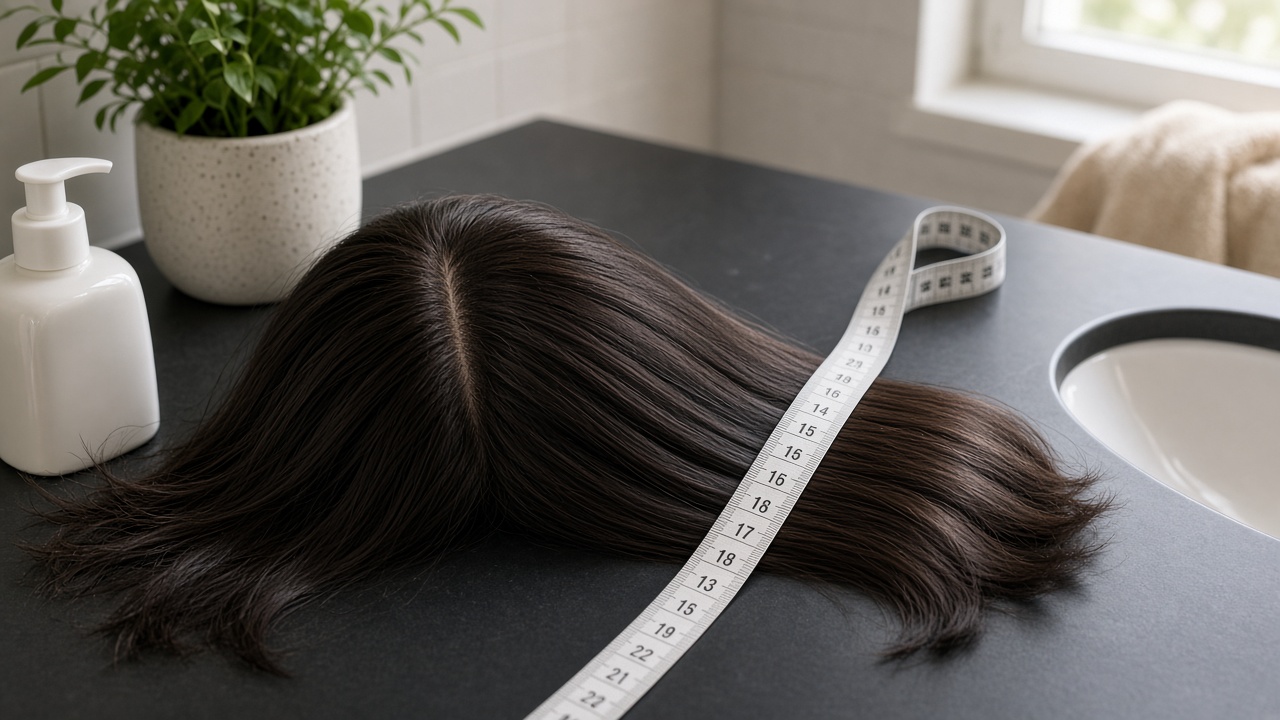
    How to grow hair faster: tracking length retention on healthy hair

    Habits that support length (without hype)

    Eat enough protein and correct true deficiencies with clinician guidance—iron issues can drive shed: rambut rontok karena zat besi. Biotin megadoses are not a default: biotin for hair.

    Limit bleach and daily max flat irons. Use heat protectant and lower temperatures: cara merawat rambut setelah catok and heat damaged hair.

    Loose styles beat constant traction. Gentle detangling. Conditioner on lengths. Wash for your scalp type: how often should I wash my hair.

    Nutrition that supports how to grow hair faster: protein-rich foods and greens

    Scalp health turns growth “on”

    Itchy, flaky, inflamed scalps distract follicles. Treat dandruff or seborrheic patterns rather than stacking growth oils on angry skin: itchy scalp, dandruff vs dry scalp, dermatitis seboroik.

    Scalp massage feels relaxing; evidence for dramatic speed gains is limited: scalp massage hair growth. Keep pressure gentle.

    Tea tree shampoo may help mild flakes for some people when diluted properly: tea tree oil for scalp.

    What will not magically speed follicles

    Overnight oils, random supplement towers, and aggressive tools that snag hair. Protein masks help damaged shafts temporarily—they do not rewrite growth rate: protein treatment hair.

    Argan and coconut oils soften ends; they are finishers: minyak argan untuk rambut and minyak kelapa untuk rambut.

    Rosemary interest is high online—keep expectations measured: rosemary oil hair growth.

    A 90-day length retention plan

    Days 1–30: photo log monthly in the same light; cut max heat days in half; switch to loose styles; start gentle wash and conditioner routine. Days 31–60: add a weekly moisture mask if ends are dry; clarify if buildup appears; track shed vs snapped pieces. Days 61–90: trim micro-splits; review photos—longer ponytail with fewer snaps beats drain anxiety.

    Postpartum or post-illness shed needs timeline patience: postpartum hair loss. Crash diets restart shed risk: rambut rontok setelah diet.

    Arizona sun and chlorine stress ends. Hats help. Rinse after pools. Dry gently: cara mengeringkan rambut dengan benar.

    FAQ — how to grow hair faster

    Can I double my growth speed?

    Unlikely. Focus on retention and medical sorting if density is falling.

    Do growth serums work?

    Some clinician-guided topicals help certain loss patterns. Drugstore “grow faster” bottles vary widely—ask a clinician before stacking.

    Should I stop cutting hair?

    Skipping trims lets splits climb and can shorten usable length. Micro-trims protect progress.

    Where does SMP fit?

    Scalp micropigmentation camouflages scalp show. It does not accelerate follicle speed. Plans usually need 2 to 4 sessions. Francisco Ahumada keeps Mesa consults honest about timing and limits.

    When to see a clinician

    Seek care for patchy loss, sudden handfuls of shed, pain, or a rapidly widening part. Labs may check iron, thyroid, or other drivers. AzScalpDoctor educates; medicine owns diagnosis and prescriptions.

    Studio Ste 107 on N Dobson Rd, Mesa. Hours Monday–Saturday 9–5. Call (480) 599-0868.

    Cosmetic density after expectations are clear

    Hairstyles and color can create the look of density while you retain length. If you explore pigment later, wait until goals and skin health are clear: scalp micropigmentation density.

    Gray contrast can make scalp show more obvious even when growth is normal: gray hair care.

    Buildup from stacking “growth” products flattens fine hair: product buildup hair and cara pakai dry shampoo when oil control is the real need.

    Tracking progress without obsession

    Pick one mirror light and one ponytail elastic. Photograph monthly. Weighing daily shed clumps without context fuels anxiety. Count snapped short pieces separately from bulbs on shed hairs—breakage and telogen look different.

    Sleep and stress load matter for shed waves. Treat recovery as part of the growth plan, not a side note. If shedding spikes after illness, give the cycle months while you protect lengths.

    Shampoo choice supports comfort; it will not triple speed alone: cara memilih sampo. After-wash moisture helps retention: cara merawat rambut setelah keramas.

    Hard water, chlorine, and desert air

    Mineral film and pool chemicals roughen shafts so ends snap sooner. Clarify occasionally, then moisturize lengths. Rinse after swimming. Mesa dryness means leave-ins on ends beat skipping conditioner “to grow faster.”

    Helmets and tight caps add friction at the crown. Loosen when you can. If oily roots push you toward daily dry shampoo, reset with real washes so scalp stays comfortable enough to grow well.

    Gray or highlighted hair shows breakage sooner in photos. Gentle handling still wins: cara merawat rambut diwarnai.

    When cosmetics enter the conversation

    Length retention and density camouflage are different goals. If scalp show bothers you more than inches, discuss options after medical sorting. Francisco Ahumada plans pigment work over multiple visits—usually 2 to 4 sessions—with healed examples, not overnight promises.

    Do not delay clinician visits because an oil routine “needs three more months” while patches expand. Parallel tracks: protect lengths now, diagnose loss when indicated.

    Castor oil myths linger; keep it as a possible end sealer, not a speed drug: castor oil for hair.

    Bottom line

    How to grow hair faster, honestly: protect what grows, calm the scalp, feed the body, reduce breakage, and get medical help for true loss patterns. There is no overnight Rapunzel switch—only months of steady habits. Mesa studio: Ste 107 · Mon–Sat 9–5 · (480) 599-0868.

  • Healthy Hair: Preventing Damage and Keeping Your Hair Strong

    Having healthy hair isn’t just about looking good — it’s a reflection of your overall well-being, daily habits, and the way you protect your hair from damage. Every day, your hair is exposed to heat, chemicals, friction, environmental stress, and improper routines that slowly weaken its structure. Over time, the damage becomes visible: split ends, dryness, frizz, breakage, thinning, and dullness.

    This complete guide will help you understand how to maintain truly healthy hair and prevent damage before it starts. Whether your hair is straight, wavy, curly, chemically treated, or naturally thick, these strategies form the foundation for strong, shiny, and resilient hair.


    Why Hair Gets Damaged in the First Place

    Hair damage occurs when the cuticle, the protective outer layer of the hair shaft, becomes weakened or lifted. Once the cuticle breaks down, moisture escapes, proteins deteriorate, and the inner layers of the hair become vulnerable.

    The most common causes include:

    1. Heat Styling

    Blow dryers, flat irons, and curling irons reach temperatures as high as 230°C (450°F). This heat breaks down keratin and strips moisture, leading to brittleness.

    2. Chemical Treatments

    Bleaching, coloring, perming, relaxing, and straightening treatments alter your hair’s natural structure. While they can look beautiful, they weaken protein bonds dramatically.

    3. Mechanical Damage

    Brushing aggressively, sleeping with wet hair, tight hairstyles, and friction from towels all cause breakage.

    4. Environmental Stressors

    UV rays, pollution, chlorine, and saltwater slowly dry out and roughen the hair shaft.

    5. Poor Haircare Routine

    Using harsh products, skipping conditioner, or washing too frequently weakens hair over time.

    Understanding the root causes is the first step toward maintaining healthy hair long-term.


    Signs Your Hair Is Damaged

    Before damage becomes severe, your hair will display early symptoms. Watch for:

    • Rough, dry texture
    • Excessive frizz
    • Lack of shine
    • Split ends
    • Tangling easily
    • Hair breaking when brushed
    • Weak or stretchy hair when wet
    • Increased shedding

    If several of these sound familiar, it’s time to adopt preventive habits immediately.


    How to Prevent Hair Damage: The Ultimate Healthy Hair Routine

    Below are the essential steps proven to protect hair, stop breakage, and keep hair strong.


    1. Reduce Heat Styling to a Minimum

    Heat is the number one cause of preventable hair damage.

    Tips to minimize heat damage:

    • Air-dry hair whenever possible
    • Use heat tools on the lowest effective temperature
    • Never straighten or curl hair without heat protectant
    • Choose ceramic tools, which distribute heat more evenly
    • Limit heat styling to 1–2 times per week

    A quality heat protectant forms a barrier on the cuticle, reducing moisture loss and preventing protein degradation.


    2. Protect Your Hair From Chemical Damage

    Coloring and bleaching can be safe — but only with proper care.

    How to reduce chemical damage:

    • Get color treatments done by professionals
    • Avoid overlapping bleach on previously lightened hair
    • Space chemical treatments at least 8–12 weeks apart
    • Use bond-repair products after bleaching
    • Deep-condition weekly

    If your hair is already weakened, choose glosses, demi-permanent dyes, or natural alternatives instead of harsh bleaching.


    3. Strengthen the Hair With Protein & Moisture Balance

    Healthy hair needs both moisture and protein. Too much of one and too little of the other leads to breakage.

    Protein treatments help:

    • Strengthen weak strands
    • Restore elasticity
    • Repair internal bonds

    Moisture treatments help:

    • Hydrate dry hair
    • Reduce frizz
    • Improve softness and shine

    How to balance:

    • If hair is dry → add moisture
    • If hair is weak or stretchy → add protein
    • If hair breaks easily → combine both

    Using a hydrating mask one week and a strengthening mask the next keeps hair stable.


    4. Avoid Mechanical Damage (Brushing, Towels, Hairstyles)

    Mechanical damage is often overlooked, but it contributes heavily to breakage.

    Ways to prevent mechanical damage:

    • Use a wide-tooth comb on wet hair
    • Brush starting from the ends, then move upward
    • Use microfiber towels instead of cotton
    • Avoid tight ponytails, braids, or buns
    • Don’t sleep with wet hair

    Switching to silk pillowcases reduces friction and keeps hair smoother.


    5. Choose the Right Shampoo and Conditioner

    Not all products work for every hair type.

    Healthy hair shampoo tips:

    • Avoid sulfate shampoos if your hair is dry or damaged
    • Use clarifying shampoo only once per month
    • Choose moisturizing formulas for dry hair
    • Strengthening formulas for weak hair

    Conditioner is non-negotiable:

    It seals the cuticle, prevents tangling, and locks in moisture. Always condition the mid-lengths to ends — never the scalp unless using a scalp conditioner.


    6. Protect Hair From UV and Environmental Damage

    Just like your skin, your hair needs protection from the sun.

    How to protect your hair:

    • Use UV-protection sprays
    • Wear hats during strong sunlight
    • Rinse hair after swimming
    • Apply leave-in conditioner before going outdoors

    UV rays weaken protein bonds, causing dryness and color fading.


    7. Keep Your Scalp Healthy

    Healthy hair starts with a healthy scalp. Irritation, buildup, or blocked follicles can stop hair from growing properly.

    How to maintain scalp health:

    • Exfoliate scalp once per week
    • Use lightweight oils (tea tree, rosemary)
    • Avoid heavy products that clog follicles
    • Treat dandruff or oil imbalance promptly

    A balanced scalp produces stronger, healthier strands.


    8. Maintain Nutrition for Strong Hair

    Your hair’s growth and strength depend on the nutrients you consume.

    Key nutrients for healthy hair:

    • Protein – building block of hair
    • Biotin – strengthens hair growth
    • Omega-3 fatty acids – reduce inflammation
    • Iron – prevents shedding
    • Zinc – supports scalp health
    • Vitamin D – essential for follicle activity

    A balanced diet or supplementation supports long-term hair health.


    9. Schedule Regular Trims

    Even the healthiest hair develops split ends over time.

    Trim every:

    • 6–8 weeks if your hair is damaged
    • 10–12 weeks for healthy hair

    Trimming prevents split ends from traveling up the hair shaft and causing more damage.


    10. Use Protective Styles When Needed

    Protective styles reduce daily friction and preserve hair moisture.

    Great examples include:

    • Loose braids
    • Low buns
    • Twists
    • Heatless curls
    • Silk wraps

    Avoid extremely tight styles that pull on the roots.


    11. Hydrate Hair With Oils and Leave-in Conditioners

    These products act like shields against dryness and friction.

    Best oils for healthy hair:

    • Argan oil
    • Coconut oil
    • Jojoba oil
    • Olive oil
    • Castor oil

    Use sparingly — too much oil can clog the scalp or make hair greasy.


    How to Tell If Your Hair Is Getting Healthier

    As you follow consistent damage-prevention habits, you’ll notice:

    • Less breakage when brushing
    • More shine and smoothness
    • Better curl pattern (for curly hair)
    • Reduced frizz
    • Stronger strands
    • Easier styling
    • Fewer split ends

    Healthy hair is soft, flexible, and resilient.


    Frequently Asked Questions About Healthy Hair & Damage Prevention

    Can damaged hair be completely repaired?

    Only early damage can be repaired. Severe damage can be improved but not reversed — trimming is necessary.

    How often should I deep-condition?

    Weekly for damaged hair, biweekly for healthy hair.


    Final Thoughts: Healthy Hair Starts With Prevention

    Healthy hair isn’t just about expensive products — it’s about everyday choices. By protecting your hair from heat, chemicals, friction, and environmental stress, you can dramatically reduce damage and keep your hair looking strong, shiny, and beautiful.

    Consistency is key.
    When you combine proper care, protection, nutrition, and professional guidance, healthy hair becomes not just achievable — but your new normal.