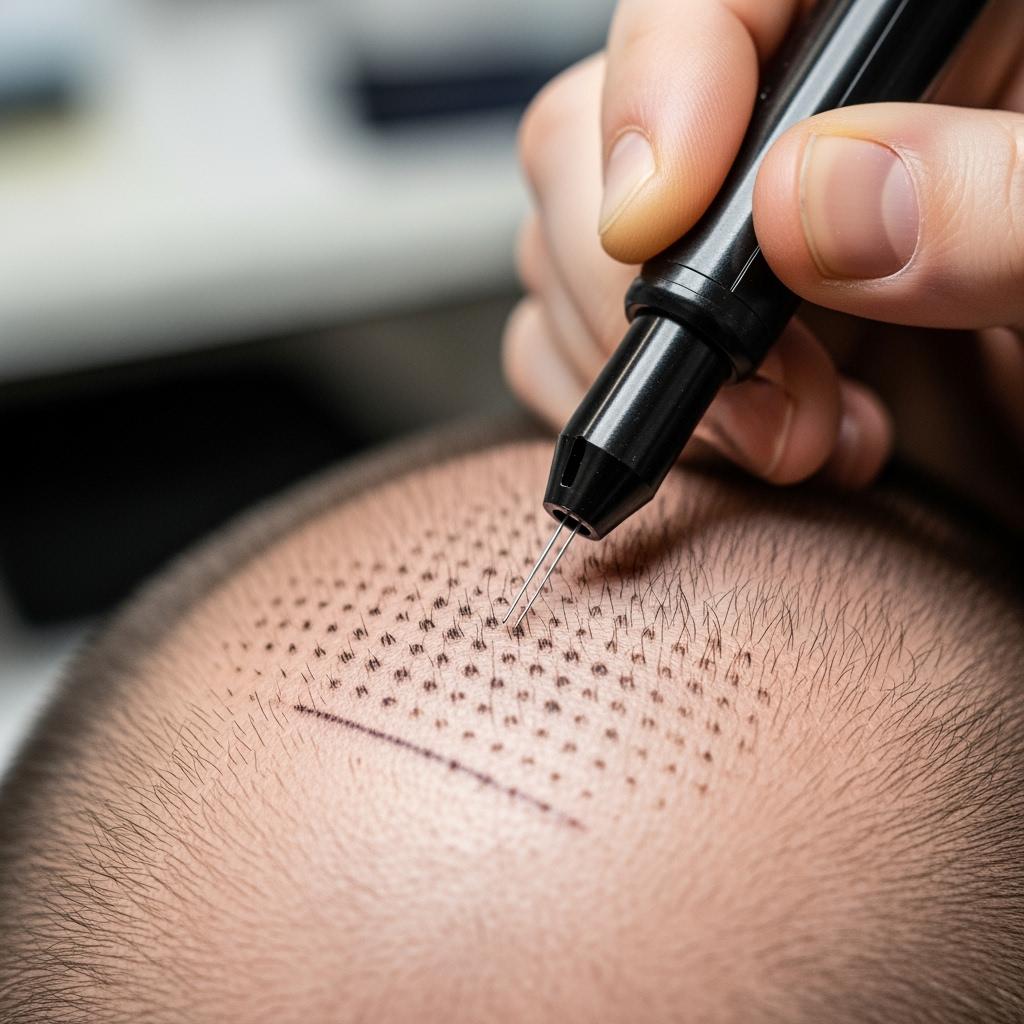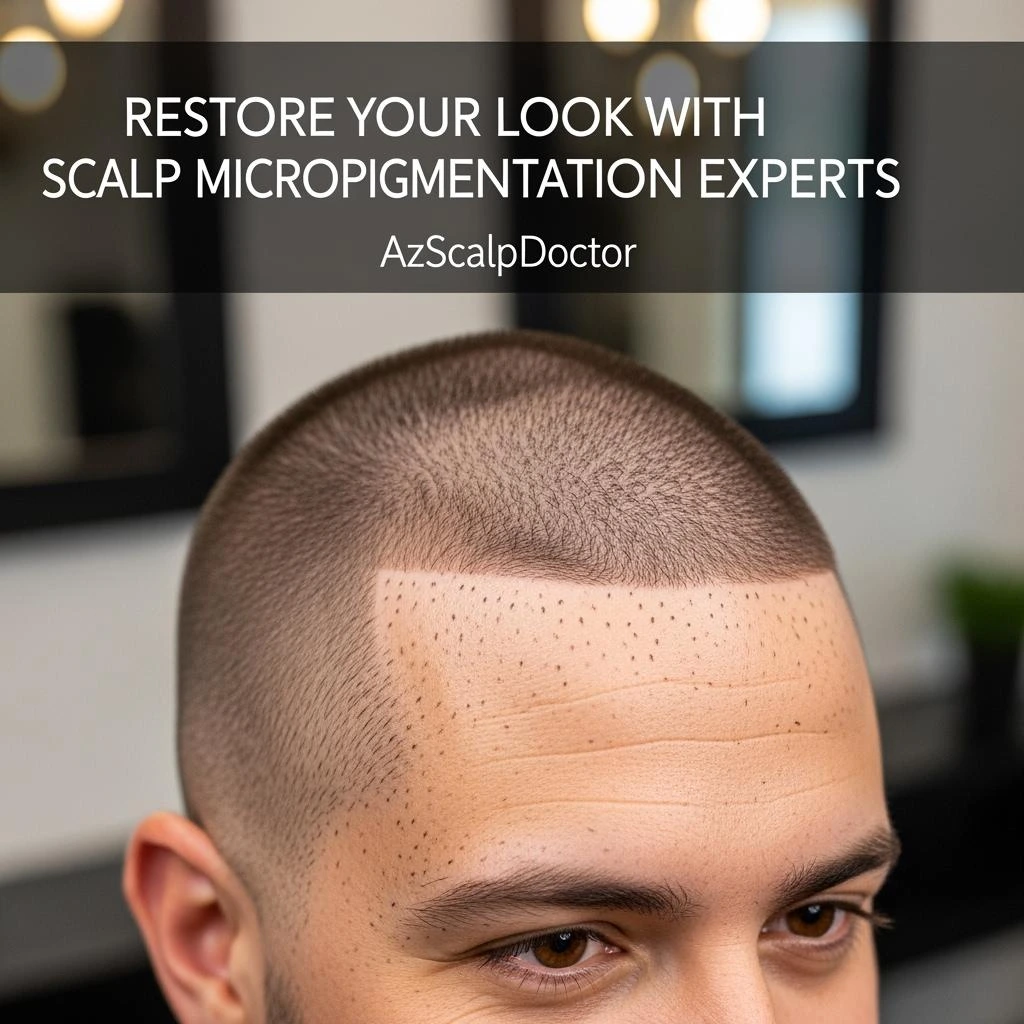
Tag: Mesa SMP

  • Scalp Micropigmentation Crown: Density or a Shaved Whorl

    Scalp Micropigmentation Crown: Density or a Shaved Whorl

    Scalp micropigmentation crown work hides skin that shows through the whorl. It does not grow hair on the vertex, and it does not look like a full head of long hair from straight above. The crown is the hardest patch because overhead light hits it and the swirl has no neat edge.

    At AzScalpDoctor, Francisco Ahumada plans that patch in Mesa at 1061 N Dobson Rd Ste 107, Mesa, AZ 85201. Phone (480) 599-0868. Monday through Saturday, 9am to 5pm. Cleveland Clinic describes SMP as a cosmetic treatment that can cover thinning or a shaved look. It does not replace a medical workup (clevelandclinic.org).

    Two different scalp micropigmentation crown goals

    One goal is density under hair you still have. Dots sit between shafts so the skin is less bright. You keep a short or medium length. The dots should stay small. A solid dark cap under longer hair reads as a stain, especially in a photo taken from above.

    The other goal is a shaved crown. The whole area is kept very short, and the dots stand in for follicles. That only works if the hair around it is just as short. A bald circle filled with pigment, with long hair everywhere else, looks like a patch. No artist can hide that contrast.

    Pick the goal before the first session. Switching from “keep my length” to “shave it” after dense dots are in is a harder repair than choosing up front. The Norwood guide shows why a vertex-only stage is not the same plan as a receded front.
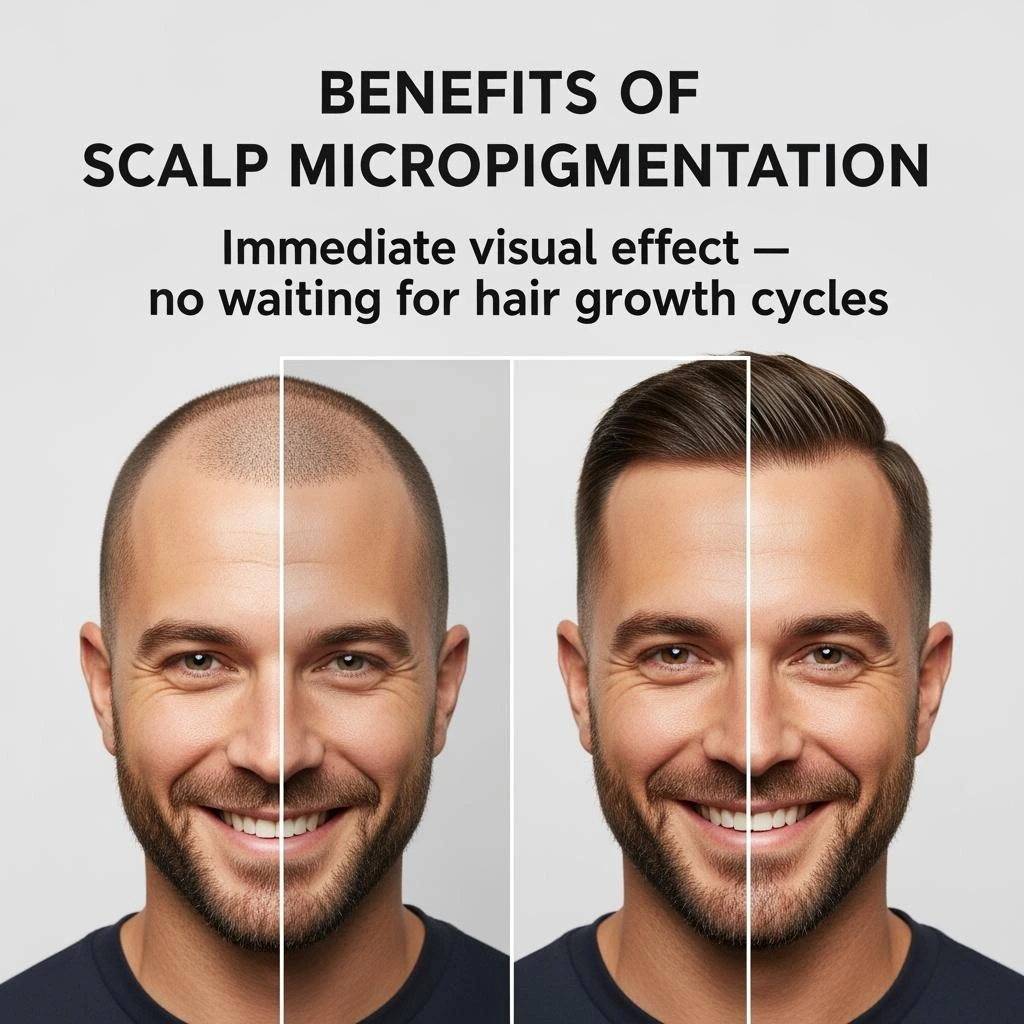
    Scalp micropigmentation crown work is planned for the whorl, not as a solid dark cap

    Why the crown is easy to overdo

    People stare at the whorl in bathroom light and ask for more darkness. More darkness, packed in one visit, turns separate dots into a blur. The crown also has oily skin. Pigment that sits too deep can spread and look cool or blotchy. That is the same failure described in the blue SMP article. The fix is not another heavy pass.

    A useful crown plan is two to four sessions. The first pass is lighter. Later passes add only where the healed skin still shows. You should see the softened color before anyone adds more. One session that “finishes the crown” is a sales line, not a plan.

    Overhead photos are the honest test. Eye-level photos hide the whorl. Ask for healed crown photos taken from above, in daylight, on a head that matches your length. The look-real guide is about that difference between a pattern and a painted field.

    What to bring to the Mesa consult

    Come with the haircut you actually wear. Do not shave the crown the morning of a consult if that is not your normal look. Bring a photo from above, and an older photo if the thin spot is spreading. Say whether you will keep length or move to a short cut.

    Mention a prior transplant. A thin crown after grafts is a different map from a crown that was never operated on. Fresh grafts are not a canvas. Wait until the surgeon says the skin is calm and the growth has declared itself. Scar camouflage is its own job.

    The consultation does not place pigment. You leave with the goal, the session range, and a reason to wait if the loss is still moving fast. Sudden shedding belongs with a doctor first.

    Aftercare on the crown after scalp micropigmentation, before judging the healed shade

    Limits you should hear out loud

    SMP will not give you a thick ponytail from a bald vertex. From directly above, a crown with little real hair can still look softer than the sides. That is light and missing shafts, not a failed secret. Chasing a perfect overhead photo is how crowns get too dark.

    The front hairline is a separate design. A natural edge is slightly irregular and age-appropriate. Read the hairline article if the front is thinning too. Do not let a crown quote silently include a new teenage hairline.

    Sun on a bare whorl fades pigment. A hat after healing helps. It does not pull a bad dot back to the surface. Fading lighter over years is normal. Turning blotchy is not the same event. The regrets notes cover the rushed-density pattern.

    Who should wait on crown SMP

    Wait if the thin spot is still spreading fast and you have not had a medical check. Pigment does not pause pattern loss. A crown filled tightly this month can look too dark next year if more hair drops around it. A softer plan is easier to build on than a black circle you later want removed.

    Wait if the scalp is inflamed, scabbed, or freshly operated. The artist needs calm skin. Oily skin can hold pigment less evenly, so the first pass should stay light enough to judge. That is another reason the crown is a poor place for a single saturated session.

    If you are deciding whether the upkeep is worth it, use the worth-it checklist with overhead photos, not instead of them. Long-term fading is covered in the timeline guide. A crown in full sun will not stay as sharp as a covered hairline. Plan for a hat and a possible touch-up years later. Do not plan for a result that never changes.

    Questions about the crown

    Can SMP make a bald crown look fully thick from above?

    It can reduce the bright skin. It cannot invent hair shafts. Overhead light still shows the difference where real hair is scarce.

    Do I have to shave?

    Only if the goal is a shaved look. Density between existing hairs does not require a shaved head. The length around the crown has to match the plan.

    How many sessions?

    Usually two to four. The crown is built in layers after the skin calms.

    Where is the studio?

    1061 N Dobson Rd Ste 107, Mesa, AZ 85201. Call (480) 599-0868.

    Decide the crown goal first

    Scalp micropigmentation on the crown works when the length, the photos, and the session count match one goal. Francisco Ahumada can look at the whorl in person and say whether density or a short finish fits. If you want hair you can grow long from bare skin, that is a surgeon’s question, not a pigment question.
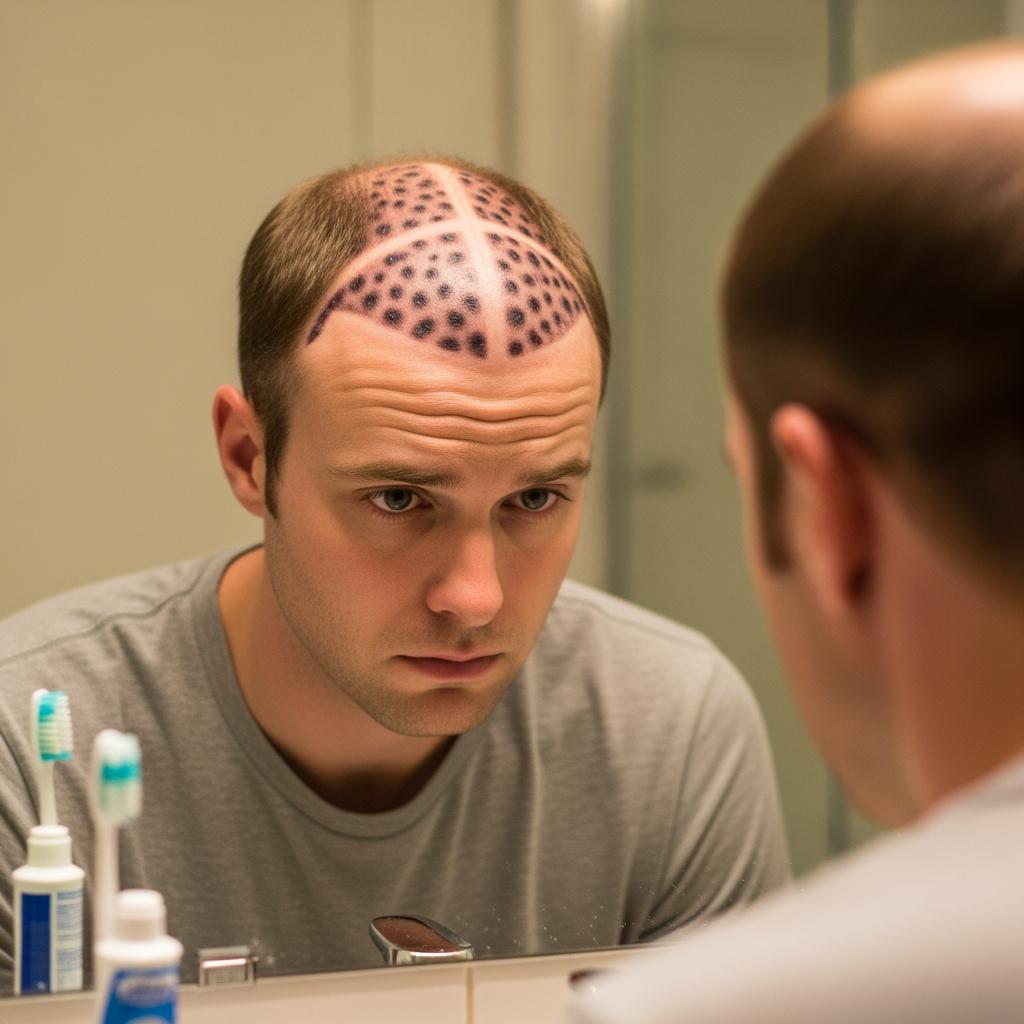
  • Why Scalp Micropigmentation Turns Blue

    Why Scalp Micropigmentation Turns Blue

    Why scalp micropigmentation turns blue, or looks gray-blue, is usually dots that sit too deep, dots that are too large, or the wrong kind of ink. A fresh session also looks darker than the healed result. That first-day darkness is not the same problem as a scalp that stays cool and blurry after the skin has calmed.

    At AzScalpDoctor in Mesa, Francisco Ahumada treats this as a planning issue before pigment goes in, and as a limit if the blue work is already in the skin. More dots on top of a blue field usually make a darker patch. They do not repaint the physics of light in the skin. The studio is at 1061 N Dobson Rd Ste 107, Mesa, AZ 85201. Phone (480) 599-0868. Monday through Saturday, 9am to 5pm.

    Why scalp micropigmentation turns blue

    Skin scatters light. Short blue wavelengths bounce back more easily when a dark particle sits deeper. Artists call the look a blue or gray cast. The International Society of Hair Restoration Surgery describes the same failure in plain terms: conventional tattoo ink, placed too deep or with a larger needle, can shift toward a color that does not belong on a scalp, including blue (ishrs.org).

    Dot size matters. A big dot has more edge for light to catch. Dots packed into a solid sheet look flatter and cooler than separate impressions of hair. A hairline halo that is deep and sharp can read blue in daylight even when the photo looked brown indoors.

    Pigment choice matters too. Body-tattoo ink is built for a different job. Mixed colors can separate as they age. SMP pigment is chosen to heal as a hair-like tone. The bottle does not protect you if the depth is wrong. Depth and formula both have to be right.

    Why scalp micropigmentation turns blue when dots are too deep or too large

    What is normal in the first weeks

    Right after a session the scalp is red and the dots look bold. As the skin settles, the color softens. Some of the darkness you see on day one is surface pigment and irritation, not the final shade. Judging a blue disaster from a same-day photo is a common mistake.

    Look again after the scalp has calmed, in daylight, without a ring light. Separate dots that match nearby hair are the goal. A blur that spreads past the dot, or a cool cast that shows at the temples in sun, is the problem this article is about. The side effects guide separates ordinary redness from results that should not be ignored.

    Arizona sun speeds fading and makes a cool shift easier to see. A hat after healing is basic care. It will not pull a deep blue dot back up to the surface. Sun protection preserves good work. It does not repair bad depth.

    Why another layer often makes it worse

    People ask for a darker pass to hide blue. If the blue comes from depth, new pigment at the correct level can only sit over a cool base. The eye still reads the deeper color, and the area gets heavier. A hairline that was slightly blue can become a helmet.

    Cover-up is the wrong promise. A removal specialist may lighten carbon pigment with a laser, and only then can an artist rebuild dots. That is a different appointment, with its own healing time. AzScalpDoctor does not describe laser settings and does not guarantee that old work can be erased in one visit. Some blue is lightened enough to rebuild. Some needs more than one lightening visit. Some scars and some very deep ink stay visible.

    Read the regrets notes before you pay a second artist to “just go darker.” Rushed density is how a fix becomes a second regret.

    Healed scalp care after SMP, when a blue cast should be judged in daylight

    How to lower the chance before you start

    Ask for healed photos in daylight, including temples and the crown, not only a fresh hairline. Ask what the artist does if a shade heals cooler than planned. A real answer names a wait, a lighter pass, or a stop. A slogan is not an answer.

    Ask whether the ink is for scalp work. Ask who holds the machine. The person in the consult should be the person who works on your head. If you already have SMP, say so. Old pigment changes the plan.

    Natural SMP is a pattern of small impressions, not a painted cap. The look-real guide shows what that difference means in photos. Match those photos to your skin tone. A shade that looks right on someone else can look ashy on you.

    Sessions are part of color control. Two to four visits let the artist see healed color before adding more. One heavy session is how dots get too dark and too deep. The timeline guide explains fading after a good treatment. Fading lighter is not the same as turning blue. Both can happen. They are not one repair.

    Photos lie about blue

    Phone cameras push contrast. Cool bathroom LEDs make a neutral brown look gray. A warm filter does the opposite and hides a cast you will see outdoors. If you are checking old work, step outside at midday and look at the temples, where the skin is thinner and a cool edge shows first.

    Send Francisco daylight photos if you cannot come in yet, and still expect an in-person look before anyone talks about adding pigment. A compressed chat photo is enough to decide you need a visit. It is a weak way to decide you need more ink.

    Questions people ask

    Does all SMP turn blue?

    No. Blue is a known failure of depth, dot size, or ink. Plenty of healed work stays a soft hair color. Nobody honest can promise your skin will never soften or shift over years of sun.

    Can I tell on day one?

    Not reliably. Wait until redness is gone and judge in daylight. Day-one darkness is expected.

    Will sunscreen fix a blue scalp?

    No. Sunscreen and a hat help slow fade on work that healed well. They do not lift deep pigment.

    Where do I ask about my own scalp?

    1061 N Dobson Rd Ste 107, Mesa, AZ 85201. Call (480) 599-0868. A consult can tell you whether new work, a wait, or a removal consult comes first. You can leave without booking.

    Judge the healed color

    Why scalp micropigmentation turns blue is mostly depth, size, and ink, seen through skin and sun. Fresh darkness is a different stage. If your healed scalp already looks cool and blurry, do not buy a darker pass as the first fix. If you are starting new, make Francisco show healed daylight photos and a two-to-four session plan before any pigment is placed.

  • Scalp Micropigmentation Consultation: What Happens Before Any Pigment

    Scalp Micropigmentation Consultation: What Happens Before Any Pigment

    A scalp micropigmentation consultation is a planning visit, not the treatment. At AzScalpDoctor, Francisco Ahumada looks at your scalp in Mesa, shows healed examples, and tells you how many sessions he expects. No pigment is placed unless you have already agreed to start a session. You can leave without booking.

    The studio is at 1061 N Dobson Rd Ste 107, Mesa, AZ 85201. Hours are Monday through Saturday, 9am to 5pm. Phone is (480) 599-0868. If you want the procedure explained first, read what scalp micropigmentation is, then bring your questions to the chair.

    What a scalp micropigmentation consultation is checking

    Francisco is not selling a hairstyle from a chart. He is checking whether pigment can look like hair on your skin.

    He looks at the pattern of loss. A front line, a crown, diffuse thinning, and a surgical scar are not the same job. He looks at skin tone, because the dot has to sit next to your skin without turning blue-gray. He looks at existing hair, so density work can hide between hairs you still have. He looks at scars. Raised or very shiny scar tissue does not always hold pigment the way normal scalp does.

    He also asks how you live. Daily sun in the East Valley, swimming, gym hats, and tight headwear change early aftercare. If your shedding started suddenly, or you have a scalp disease that is still active, cosmetic pigment is the wrong first step. A doctor should sort that out before an artist draws a plan.

    Healed scalp micropigmentation examples to review during a consultation

    What you should bring

    Come with your hair in its normal state. Do not shave to the skin the morning of a consult if that is not how you usually wear it. The artist needs the baseline.

    Older photos help. A picture from a few years ago shows where the line used to sit and how fast the loss moved. A phone photo is enough. You do not need a studio shoot.

    Write your questions down. People forget them once the mirror is in front of them. Useful questions are simple. How many sessions? What do healed photos of a similar pattern look like? What does the shade do in direct sun? What would make you tell me not to start?

    Mention medicines that affect bleeding or healing, a history of keloid scars, and any SMP you already have. Old pigment that was placed too deep is harder to correct than a first treatment. Hiding that fact wastes the visit.

    What you should see, and what you should ignore

    Ask for healed photos. Fresh SMP is darker. The color softens as the skin calms. A portfolio of only day-of photos hides that change. If you are deciding whether the result is worth the cost and the upkeep, use the worth-it checklist alongside the photos, not instead of them.

    Ignore a promise of a perfect match to a celebrity hairline. Your face, age, and remaining hair set the limit. A low, straight line on a mature face looks drawn. The hairline guide explains why the edge should be slightly irregular. You should hear that in the consult, not only on a blog.

    Mesa studio where a scalp micropigmentation consultation with Francisco Ahumada takes place

    The plan you should leave with

    A useful consult ends with four facts. The goal is hairline, density, scar camouflage, or a mix. The expected plan is two to four sessions, not one. The sessions are spaced so the skin can settle before the next pass. The quote matches the area being treated, not a vague package name.

    You should also know what the first days look like. The dots will look bold. You will limit sweat, swimming, and direct sun for a short window. That is aftercare, not a permanent rule. Long-term, pigment can fade, especially with desert UV. A future touch-up is normal. A claim that the work never changes is not.

    If you want the session math in Indonesian, the panduan jumlah sesi walks through the same two-to-four range. The English consult is where that range becomes a plan for your scalp.

    When the consult should slow you down

    Do not start if the artist will not show healed work. Do not start if the only answer on pain, shade, or sessions is “you will love it.” Do not start if you are in the middle of a sudden shed and nobody has looked for a medical cause.

    SMP does not regrow hair. It does not remove a scar. It changes what the eye reads as hair or as skin. If that is the result you want, the consult is the right next step. If you want grafts, a surgeon is the right next step. Mixing the two decisions in one sales pitch helps the seller, not you.

    How session one differs from the consult

    If you book treatment, session one starts by confirming the plan from the consult. The hairline or the density zone is drawn first. You look in the mirror before pigment goes in. That pause is the last easy moment to move a line. After pigment is placed, changes are slower.

    The work itself is a long series of small dots. It is not a single pass with a stamp. You can ask for a break. When the session ends, the color will look stronger than the healed result. You leave with written aftercare, not a verbal reminder you will forget in the parking lot. Later sessions exist because that healed color has to be seen before the plan is finished.

    Questions people ask before they book

    Is pigment applied during the consultation?

    Not on a consult-only visit. Pigment starts when you agree to a treatment session.

    How long should I plan to be there?

    Plan on a focused visit, not a full treatment day. The point is the scalp check, the photos, and the session count. If you already booked session one, that day is longer because the work itself takes time.

    Do I have to decide the same day?

    No. Take the plan home. Compare it with healed photos and with your calendar. Two to four sessions means you need real dates, not a same-day impulse.

    Where is the studio?

    1061 N Dobson Rd Ste 107, Mesa, AZ 85201. Monday through Saturday, 9am to 5pm. Call (480) 599-0868.

    Come with the scalp you actually have

    A scalp micropigmentation consultation works when both people can see the same facts. Your pattern, your skin, healed examples, and a two-to-four session plan. Francisco Ahumada does that at the Mesa studio. Call or write before you come if you want to ask whether your case is hairline, density, or a scar. Then judge the answer against the photos, not against a promise.

  • Hair Tattoo Cost in 2026: What Scalp Micropigmentation Really Costs

    Hair Tattoo Cost in 2026: What Scalp Micropigmentation Really Costs

    One of the first questions people ask before booking scalp micropigmentation is simple: what is the hair tattoo cost? Because “hair tattoo” is the everyday phrase many clients use for SMP, search interest around pricing is high — and the answers online are often vague or outdated.

    This guide explains what drives hair tattoo cost, typical price ranges in Arizona, what is usually included, and how to avoid cheap work that leads to expensive corrections.

    Hair tattoo cost for scalp micropigmentation treatment at AzScalpDoctor
    Understanding hair tattoo cost starts with knowing what is included in a full SMP treatment plan.

    What “Hair Tattoo Cost” Really Means

    When people search for hair tattoo cost, they are usually researching scalp micropigmentation (SMP) — a cosmetic procedure that places microdots of pigment into the scalp to simulate hair follicles. It is not a traditional body tattoo. Specialized pigments, needle configurations, and shallow placement make the result look like stubble or added density rather than inked artwork.

    If you are new to the procedure, start with our foundational guide: What Is Scalp Micropigmentation?

    Average Hair Tattoo Cost in 2026

    Pricing varies by city, artist experience, and how much scalp coverage you need. In many U.S. markets, full SMP treatment plans commonly fall in a broad range of roughly $1,500 to $4,000+. In the Arizona market, clients often see quotes around $1,200 to $3,500 depending on Norwood level, density goals, and number of sessions.

    At AzScalpDoctor in Mesa, pricing is commonly structured by hair-loss pattern (for example Norwood stages) and typically requires multiple sessions for the most natural blend. A consultation is the only way to get an exact quote for your scalp.

    What Affects Hair Tattoo Cost?

    1. Size of the Treatment Area

    A soft hairline touch-up costs less than a full scalp density build. Larger balding patterns need more time, pigment, and sessions — so hair tattoo cost rises with coverage.

    2. Number of Sessions

    Quality SMP is layered. Most clients need two to four sessions so pigment can settle and density can be built gradually. Clinics that promise “one session forever” often under-deliver on realism.

    3. Artist Experience and Technique

    Experienced artists charge more because design, depth control, and color matching determine whether results look natural. Low prices can hide rushed work, incorrect pigment, or poor hairline design — issues covered in our article on scalp micropigmentation regrets.

    Factors that affect hair tattoo cost and SMP quality outcomes
    Choosing skill over the lowest hair tattoo cost helps you avoid correction work later.

    4. Scar Camouflage or Correction Work

    Covering FUE/FUT scars, old tattoo ink, or previous SMP mistakes is more technical than a standard buzz-cut look. Complex cases usually cost more because they require slower, more precise blending.

    5. Aftercare and Touch-Ups

    Ask whether aftercare products, follow-up checks, or a first touch-up window are included. Sun exposure, skincare habits, and healing all affect longevity. Use a strong aftercare plan like the one in our SMP aftercare tips guide to protect your investment.

    What Is Usually Included in the Price?

    • Consultation and hairline design
    • Multiple treatment sessions
    • Medical-grade SMP pigment (not regular tattoo ink)
    • Aftercare instructions and product recommendations
    • Progress checks between sessions

    Always confirm inclusions in writing. Two clinics can advertise similar hair tattoo cost numbers while offering very different session counts and materials.

    Hair Tattoo Cost vs Hair Transplant Cost

    Many clients compare SMP pricing with surgical restoration. Transplants often cost significantly more and require downtime, donor hair, and months of growth before final results appear. SMP is usually more affordable upfront and delivers a finished look much faster.

    If you are still deciding between procedures, our Arizona overview at AzScalpDoctor’s scalp micropigmentation page explains how non-surgical density and hairline work can fit different goals.

    Is a Lower Price Ever Worth It?

    Sometimes promotional pricing is legitimate — especially for soft density fills or limited zones. But be cautious when quotes are dramatically below market averages. Common red flags include:

    • No healed before-and-after portfolio
    • Using standard tattoo ink instead of SMP pigment
    • Skipping consultation or hairline mapping
    • Promising permanent results with zero maintenance
    • No clear sanitation or aftercare protocol

    Correction work after a bad hair tattoo can cost as much as — or more than — doing it right the first time.

    How to Get an Accurate Quote

    1. Share clear photos of your hairline, crown, and donor/thinning areas.
    2. Explain your goal — buzz-cut look, density fill, women’s part-line blend, or scar cover.
    3. Ask about sessions — how many are included in the quoted hair tattoo cost?
    4. Review healed results for clients with a similar hair-loss pattern and skin tone.
    5. Confirm touch-up policy so you know long-term maintenance expectations.

    Hair Tattoo Cost for Men vs Women

    Men often seek a full scalp or hairline restoration look, which can require more coverage. Women frequently need density around the part line, temples, or baby-hair areas. Smaller targeted zones can lower cost, but color matching and soft blending still require advanced technique.

    Either way, personalized design matters more than a generic package price.

    Investing in Results That Look Real

    The smartest way to evaluate hair tattoo cost is value per year of confidence — not the cheapest session on day one. A well-executed SMP treatment can look natural for years with proper sun care and occasional touch-ups.

    At AzScalpDoctor in Mesa, AZ, Master Artist Francisco Ahumada focuses on natural hairlines, correct pigment selection, and layered density so your result holds up in daylight, photos, and everyday life.

    Final Thoughts

    So, what should you expect for hair tattoo cost? Plan for a multi-session investment that reflects coverage area, artist skill, and case complexity. In Arizona, many clients find SMP more accessible than surgery while still delivering a dramatic visual upgrade.

    If you want a clear quote based on your scalp and goals, contact AzScalpDoctor for a consultation. We will walk through options, session planning, and transparent pricing — so you know exactly what your hair tattoo cost includes before you begin.

    FAQ: Quick Answers About Hair Tattoo Cost

    Does insurance cover hair tattoo cost?
    Usually no. Scalp micropigmentation is considered a cosmetic procedure, so most clients pay privately. Some clinics offer payment plans to make budgeting easier.

    How many sessions are included in the quoted price?
    Always ask. A realistic hair tattoo cost quote should cover the full plan — commonly 2–4 sessions — not just the first visit. Layering pigment across sessions is what creates natural depth.

    Will I need yearly touch-ups?
    Not always yearly. Many clients wait several years, depending on sun exposure, skincare, and how their skin holds pigment. Touch-up pricing is often lower than a full new treatment.

  • Scalp Micropigmentation vs Hair Transplant: Which Is Right for You?

    Scalp Micropigmentation vs Hair Transplant: Which Is Right for You?

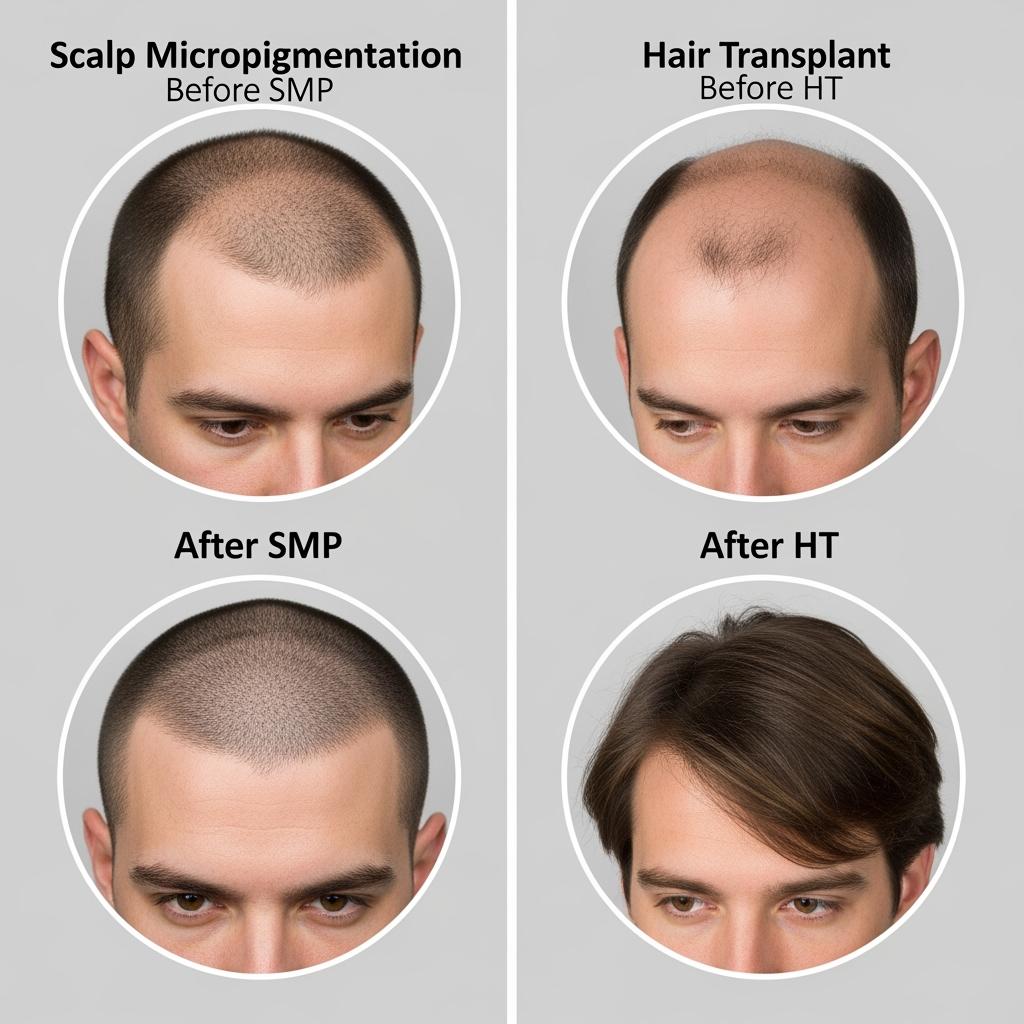
    Choosing a hair loss solution can feel overwhelming. Two of the most searched options today are scalp micropigmentation vs hair transplant — and for good reason. Both can dramatically improve how you look and feel, but they work in completely different ways, cost different amounts, and suit different hair-loss patterns.

    If you are comparing these treatments in Arizona — or anywhere else — this guide breaks down the real differences so you can decide with confidence.

    Scalp micropigmentation vs hair transplant comparison for hair loss solutions
    Understanding scalp micropigmentation vs hair transplant helps you choose the right path for your hair-loss goals.

    What Is Scalp Micropigmentation?

    Scalp micropigmentation (SMP), often called a hair tattoo, deposits tiny pigment dots into the upper layer of the scalp to mimic natural hair follicles. The result can look like a clean buzz cut or denser hair behind thinning strands — without surgery, grafts, or weeks of recovery.

    If you want a deeper foundation on how the procedure works, read our complete overview: What Is Scalp Micropigmentation?

    At AzScalpDoctor in Mesa, Arizona, SMP is used for hairline restoration, density fills, scar camouflage, and alopecia-related hair loss. Most clients complete treatment in two to four sessions.

    What Is a Hair Transplant?

    A hair transplant surgically moves healthy hair follicles from a donor area (usually the back of the scalp) to thinning or bald regions. Common techniques include FUE (Follicular Unit Extraction) and FUT (Follicular Unit Transplantation). Transplants create real growing hair, but they require donor availability, downtime, and a higher budget.

    Many people research transplants first, then discover SMP as a non-surgical alternative — or as a way to camouflage transplant scars later. That is why the comparison of scalp micropigmentation vs hair transplant shows up so often in Google searches.

    Scalp Micropigmentation vs Hair Transplant: Side-by-Side

    1. How Results Look

    • SMP: Creates the illusion of density or a closely shaved head. Results are immediate and highly customizable for hairline shape and density.
    • Hair transplant: Produces real hair that grows. Final density and coverage depend on graft count and donor quality, and full results take months.

    2. Invasiveness and Downtime

    • SMP: Minimally invasive. Most clients return to normal activities quickly, with aftercare focused on keeping the scalp clean and protected.
    • Hair transplant: Surgical. Expect swelling, scabbing, activity limits, and a longer healing timeline.

    Proper healing still matters for SMP. Follow a proven routine like the one in our scalp micropigmentation aftercare guide to protect pigment and longevity.

    Benefits of scalp micropigmentation compared with hair transplant surgery
    SMP offers natural-looking density with far less downtime than surgical hair restoration.

    3. Cost Comparison

    Cost varies by city and clinic, but general ranges look like this:

    • Scalp micropigmentation: Often a few thousand dollars for a full treatment plan (multiple sessions).
    • Hair transplant: Frequently several thousand to well over ten thousand dollars, depending on graft count and surgeon.

    When people weigh scalp micropigmentation vs hair transplant on budget alone, SMP usually wins. That said, cost should never be the only factor — the right treatment is the one that matches your goals and scalp condition.

    4. Longevity and Maintenance

    • SMP: Semi-permanent. Pigment can last several years and may need a touch-up as skin renews and sun exposure fades color.
    • Hair transplant: Permanent growing hair in transplanted areas, though surrounding native hair can still thin over time, which may create an uneven look later.

    5. Who Is a Better Candidate?

    SMP may be ideal if you:

    • Want a sharp buzz-cut or shadowed density look
    • Have limited donor hair for transplant
    • Prefer a non-surgical option with minimal downtime
    • Need scar camouflage after FUE/FUT
    • Want predictable, styled hairline control

    A hair transplant may be ideal if you:

    • Want real hair length and styling flexibility
    • Have strong donor density
    • Are comfortable with surgery, healing time, and higher cost
    • Prefer growing hair rather than a pigmented follicle effect

    Common Myths When Comparing Both Treatments

    Myth: “SMP always looks fake.”
    Modern SMP, done with medical-grade pigment and precise depth control, can look remarkably natural — especially when the hairline softens correctly and density matches skin tone. Poor technique causes unnatural results, which is why choosing an experienced artist matters. Learn how to avoid common pitfalls in our article on scalp micropigmentation regrets.

    Myth: “A transplant fixes everything forever.”
    Transplants move existing follicles; they do not stop future hair loss. Many transplant patients later use SMP for density blending or scar coverage.

    Myth: “You must choose only one.”
    Some clients combine both. Transplant for growth where possible, then SMP for density fill or scar camouflage. The debate around scalp micropigmentation vs hair transplant is not always either/or.

    How to Decide: A Simple Framework

    1. Define your goal. Do you want growing hair, or a crisp low-maintenance look?
    2. Assess your donor area. Weak donor supply often points toward SMP.
    3. Weigh downtime. Busy schedules usually favor SMP.
    4. Set a realistic budget. Include sessions, aftercare, and possible touch-ups.
    5. Review healed results. Look at before-and-after photos from the actual clinic you are considering.

    For local clients comparing options in Arizona, see how AzScalpDoctor approaches natural results in our Arizona scalp micropigmentation guide.

    Why Many Clients in Mesa Choose SMP First

    At AzScalpDoctor, clients often start with SMP because it delivers visible transformation quickly, works for men and women, and does not require surgery. Francisco, our master SMP artist, designs hairlines and density patterns that fit your face shape, lifestyle, and Norwood pattern — whether you want a soft fade look or fuller coverage through thinning hair.

    We also serve clients who already had transplants and want scar blending or added density. That dual experience is exactly why understanding scalp micropigmentation vs hair transplant matters before you book either procedure.

    Final Takeaway

    There is no universal winner in the scalp micropigmentation vs hair transplant decision. Hair transplants grow real hair but demand surgery, donor supply, and higher cost. SMP creates a natural follicle effect with minimal downtime and strong visual impact.

    If you want a non-surgical, high-definition solution for thinning, baldness, or scars, scalp micropigmentation is often the smarter first step. Ready to compare options for your scalp? Contact AzScalpDoctor in Mesa, AZ, and schedule a consultation to see which approach fits your goals.