One of the first practical questions clients ask is: how long does scalp micropigmentation last? Most people want a clear timeline before investing time and money. The honest answer is that SMP is long-lasting but not permanent forever — and longevity depends on pigment quality, technique, aftercare, skin type, and sun exposure.
This guide explains realistic lifespan ranges, what causes fading, when touch-ups make sense, and how clients in Arizona can protect results longer.
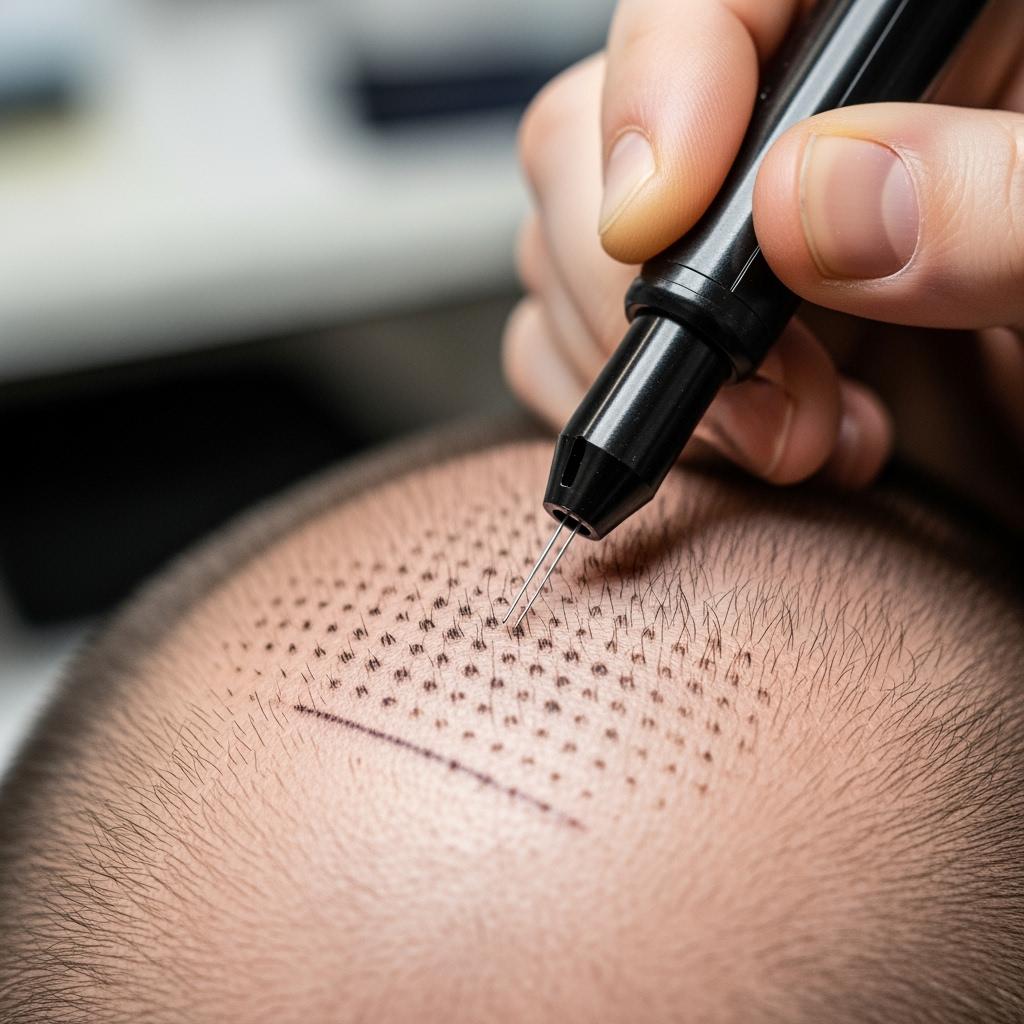
Typical Lifespan of Scalp Micropigmentation
In real clinic experience, many clients keep a solid look for about 3 to 8 years before wanting a refresh. Some need a small touch-up sooner; others wait longer. When people ask how long does scalp micropigmentation last, they should expect a range, not a single guaranteed date.
SMP places pigment in the upper dermis. As skin renews and UV breaks down color, contrast softens. That fade is gradual, not sudden overnight disappearance.
New to the procedure? Start with What Is Scalp Micropigmentation?
What Affects How Long SMP Lasts
1. Pigment Quality and Color Match
SMP-specific pigment is designed for scalp work. Regular tattoo ink can shift color and age poorly. Correct undertone matching also affects how natural the fade looks over time.
2. Technique and Depth
Too shallow and pigment may fade quickly. Too deep and it can blur or look too dark. Consistent depth and layered sessions create durable, natural results.
3. Aftercare in the First Weeks
Healing determines how much pigment retains. Sweat, premature washing, picking scabs, or harsh products can reduce longevity. Follow a proven routine in our SMP aftercare guide.
4. Sun Exposure
UV is one of the biggest fade accelerators — especially in Mesa and Phoenix. Hats and scalp-safe sun habits after healing help preserve contrast.
5. Skin Type and Lifestyle
Oily skin, frequent exfoliation, swimming, and high outdoor activity can influence fade speed. That is why two clients can get the same treatment and see different timelines.
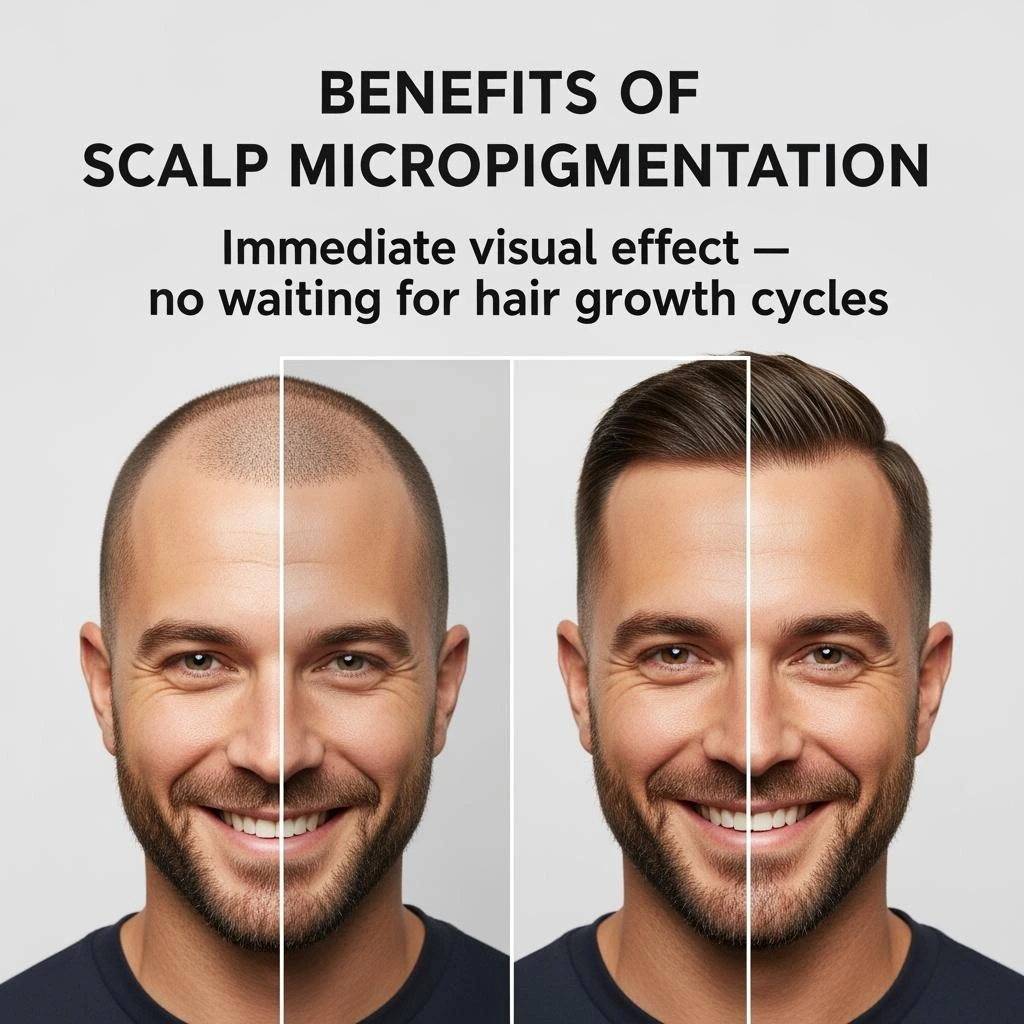
Does SMP Fade Unevenly?
Quality work usually fades softly and evenly. Patchy fading often comes from inconsistent depth, poor aftercare, or low-quality pigment. If you are worried about bad aging, review common mistakes in scalp micropigmentation regrets.
When Should You Get a Touch-Up?
- Hairline edges look softer than you prefer
- Crown density appears lighter in daylight
- Scar camouflage contrast has reduced
- You changed your preferred style slightly
Touch-ups are usually faster and less expensive than a full first treatment plan. Many clients treat them as maintenance, similar to keeping a haircut sharp.
SMP Longevity vs Hair Transplant Longevity
Transplants grow real hair that can last permanently in grafted zones, but surrounding native hair may still thin. SMP does not grow hair; it maintains a visual density effect that can be refreshed. Comparing both options helps set expectations: scalp micropigmentation vs hair transplant.
How to Make Scalp Micropigmentation Last Longer
- Complete all recommended sessions, not just one.
- Follow aftercare instructions precisely during healing.
- Limit intense sun on the scalp after healed.
- Avoid abrasive scrubs on treated areas.
- Book a maintenance review when contrast softens.
Local clients can also review our Mesa guide for process expectations: scalp micropigmentation Mesa. For realism questions, see does scalp micropigmentation look real. Pricing and session planning are covered in our hair tattoo cost guide.
What “Lasting Results” Means Day to Day
When people ask how long does scalp micropigmentation last, they often mean: will I still look good next year, in photos, and at the gym? With proper work, yes. You should wake up with the same visual density you left the clinic aiming for — no daily fibers, no special styling required for the pigmented look.
Over years, the look may soften. That soft stage still often looks natural. A touch-up simply restores crispness.
Arizona-Specific Longevity Tips
Desert sun, pool chlorine, and outdoor lifestyles are common around Mesa. After healing, protect your scalp during long sun days. If you train outdoors, plan shade or head coverage. These small habits meaningfully extend how long scalp micropigmentation lasts in Arizona conditions.
Learn more about clinic standards and local treatment style here: AzScalpDoctor Arizona SMP.
FAQ
Is SMP permanent?
It is semi-permanent. Pigment remains for years, then gradually fades and can be refreshed.
Can faded SMP be fixed?
Usually yes, with a touch-up or densification session by an experienced artist.
Does color turn blue?
That risk rises with unsuitable ink and poor technique. SMP pigment and correct depth reduce that risk.
Final Answer
So, how long does scalp micropigmentation last? Plan for multi-year results, protect your scalp, and expect optional touch-ups for peak freshness. At AzScalpDoctor in Mesa, we design treatment plans for natural healing and durable contrast — then help you maintain them over time.
Ready for a longevity-focused consultation? Contact AzScalpDoctor to map your sessions and aftercare plan.
Month-by-Month Expectations After SMP
In the first week, color often looks darker than the final healed tone. Over the next few weeks, pigment settles and softens. By one to three months, you usually see the true baseline result. From there, the question shifts from healing to maintenance: how long does scalp micropigmentation last before contrast needs a boost?
Most clients enjoy a confident look through years of normal life — workouts, workdays, and photos — before considering a refresh. If your fade feels early, review aftercare history, sun habits, and whether all planned sessions were completed.
Full Treatment Plans Last Longer Than One Session
A single session rarely builds durable density. Layered sessions create overlapping microdots that age more gracefully. Clients who stop after session one often feel results fade faster because the foundation was incomplete. Longevity starts with finishing the plan your artist recommends.
If budget is a concern, discuss phased scheduling rather than cutting necessary sessions. A complete plan usually costs less long-term than correcting an underbuilt result later.
Tinggalkan Balasan