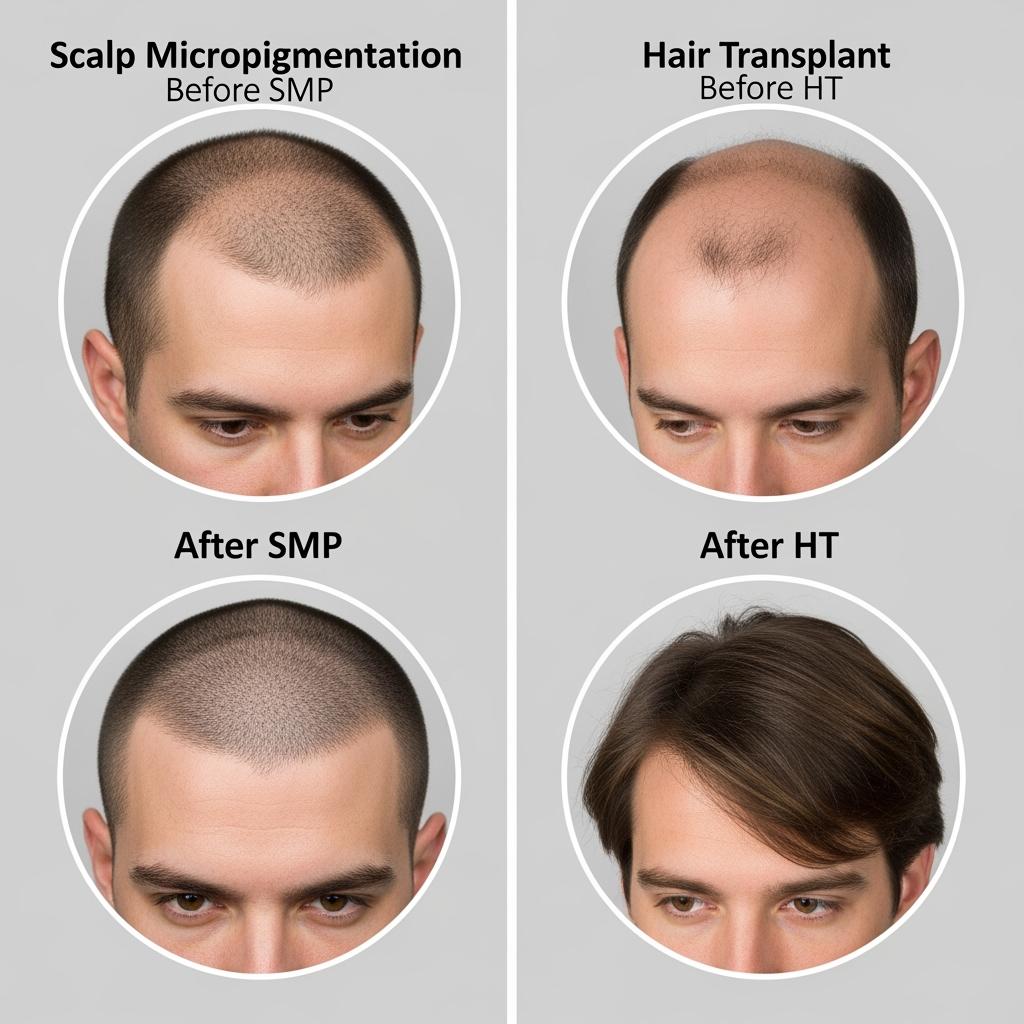
Tag: healed SMP

  • Can Scalp Micropigmentation Be Removed?

    Can Scalp Micropigmentation Be Removed?

    Scalp micropigmentation can be lightened, and sometimes largely cleared, but not with soap, and not by adding a darker pass. Removal is a different procedure, done by a removal provider, usually over more than one visit. AzScalpDoctor does not perform laser removal. Francisco Ahumada can tell you whether your scalp needs a repair conversation, a wait, or a referral for lightening. He cannot promise the dots will vanish.

    The studio is at 1061 N Dobson Rd Ste 107, Mesa, AZ 85201. Phone (480) 599-0868. Monday through Saturday, 9am to 5pm. This page is not a set of laser instructions and it is not medical advice.

    When people ask if scalp micropigmentation can be removed

    The usual reasons are a hairline that is too low or too straight, dots that blurred, a color that healed blue or gray, or a density that looks like a cap. Some people simply changed their mind. Those are not the same job as a faded result that only needs a refresh.

    A touch-up adds to healed work that you still want. Removal tries to reduce pigment you do not want. Doing both in one breath, on the same day, is how a scalp gets busier instead of quieter. Name the goal first.

    If the problem is depth and a cool cast, read why SMP turns blue before you pay anyone to go darker. More ink on a deep blue field usually makes a heavier patch. The regret notes list the patterns that lead people here.
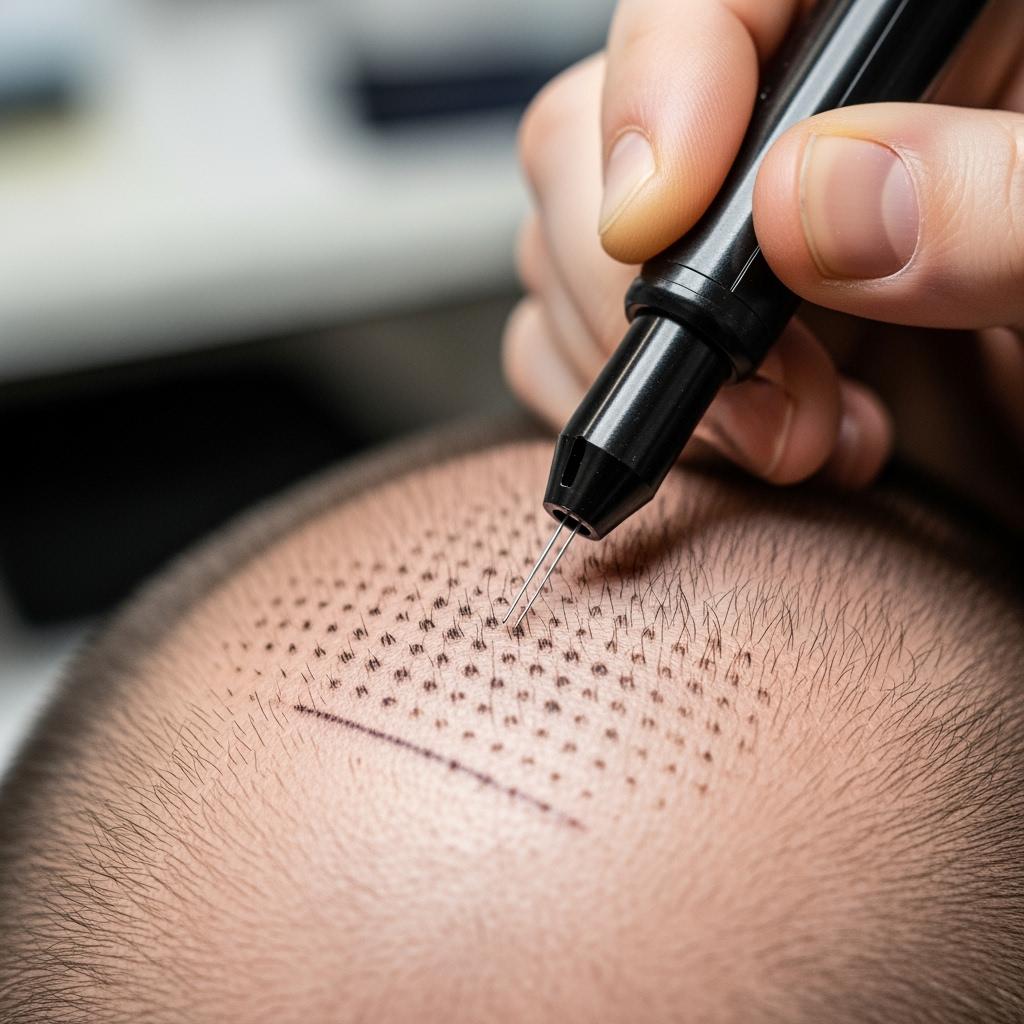
    Scalp micropigmentation that can be removed only by a separate lightening process, not by shampoo

    What removal is, in plain language

    A removal specialist uses energy aimed at the pigment so the body can clear fragments over time. It is gradual. One visit rarely finishes a dense scalp. How many visits you need depends on how deep the dots are, how packed they are, how old they are, and how your skin responds. Nobody honest can set that number from a chat photo.

    A small test area comes before a whole head. The test shows whether that pigment lightens on your skin. Skipping it to “just do it all today” is a sales move. Full clearing is not guaranteed. Some ink lightens enough to rebuild. Some stays visible. Skin can change color. Existing hair can look odd for a while. Ask the removal provider those risks in their office, not from this blog.

    This studio will not quote laser settings, wavelengths, or a session recipe. Those belong to the person who does the lightening, after they see the scalp. Creams and scrubs sold as erasers are not a substitute.

    What to try before you talk about removal

    Wait until the work has healed. Day-one darkness is not the final color. Judging a disaster from a fresh mirror is a common panic. If the healed result is only a little soft, a touch-up or simply leaving it alone may be enough.

    If the design is the problem, lightening a harsh edge can be a smaller job than erasing the whole scalp. Say which part you hate. A provider who only sells full removal has one tool.

    If you still want SMP afterward, the rebuild waits until the skin is calm. Stacking new dots onto a fresh lightening visit is a bad sequence. The consultation at Mesa can look at healed work and say whether new pigment is even appropriate. You can leave without booking.
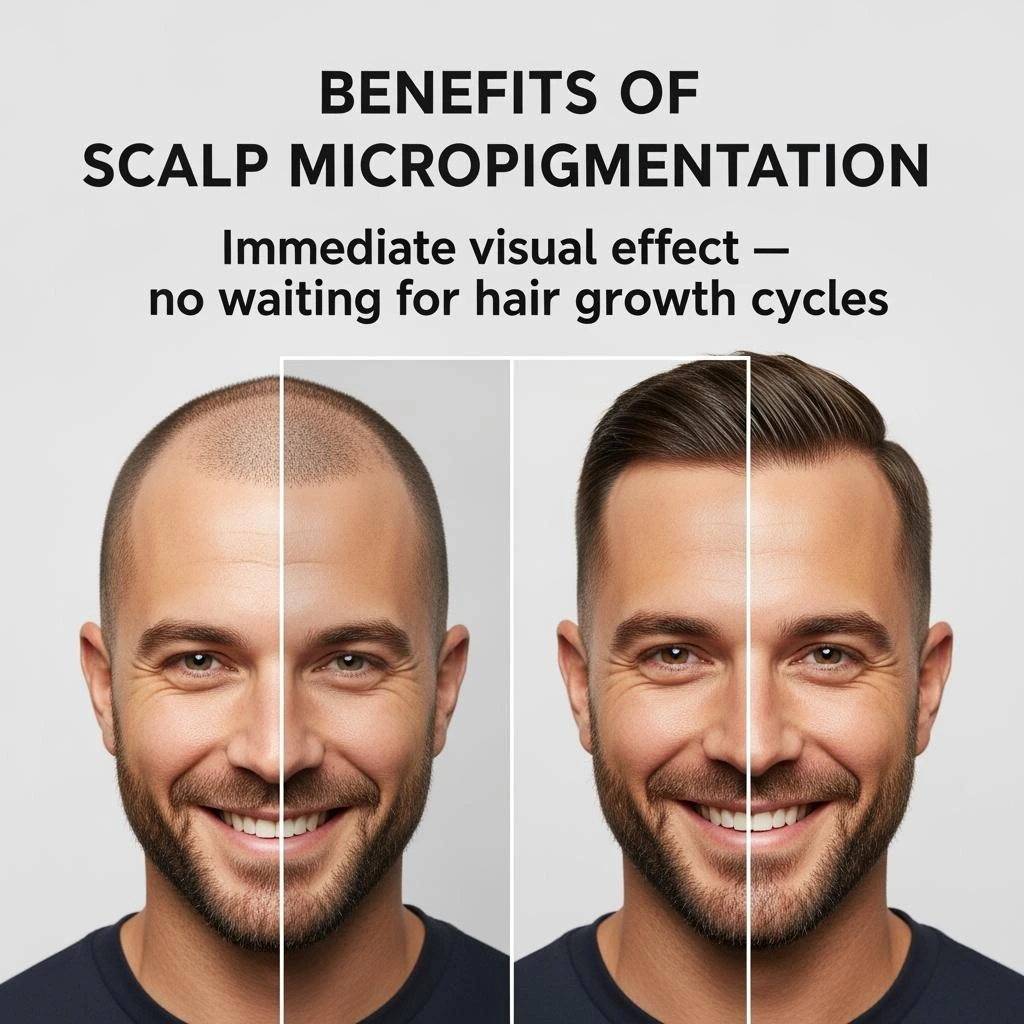
    Small SMP impressions that are harder to judge for removal until the skin has calmed

    Hair, scars, and promises to refuse

    Do not believe a guarantee that every follicle is untouched and every dot disappears. A careful provider explains limits. An ad that says “gone in one session, hair unaffected, every time” is advertising.

    Raised scars and very deep ink are harder. Keloid-prone skin needs that history on the table before anyone lights the scalp. Sunburned or infected skin is a reason to wait.

    SMP does not grow hair, and removing it does not grow hair either. If the original goal was long hair from a bald crown, neither pigment nor lightening will create shafts. The look-real guide is what natural dots should have been. Use it to describe the problem, not as a promise that removal restores a younger head.

    Photos are not a treatment plan

    Send daylight pictures if you cannot travel yet. Use them to decide you need a visit, not to buy a package. A compressed photo hides blur and invents color. The removal provider, and Francisco if you want an opinion on new pigment, should see the scalp in the room.

    Ask whether the goal is lighter density, a higher hairline, or as close to bare skin as your pigment allows. Those are different amounts of work. “Take it all off” when you only hate the front edge can erase hair-like texture you would have kept.

    Budget time, not a weekend. Skin needs to settle between lightening visits. Rebuilding SMP, if you still want it, comes after that, in two to four sessions of its own. People who want the old dots gone and a new hairline in the same month are asking the skin to do two jobs at once.

    If the work is only days old, wait. Swelling and darkness are not the map. The side effects guide separates ordinary redness from a result that stays wrong after healing.

    Questions about removal

    Can I wash SMP out?

    No. Shampoo does not remove settled pigment.

    Does AzScalpDoctor laser it off?

    No. Lightening is a different provider. We can look at the scalp and tell you if a darker pass would make it worse.

    Is one removal visit enough?

    Usually not for a full, dense scalp. The count is set after a test, on your skin, by the person doing the lightening.

    Where do I start if I am unsure?

    1061 N Dobson Rd Ste 107, Mesa, AZ 85201. Call (480) 599-0868. Bring daylight photos of the healed work, not only the day it was done.

    Name the outcome before you pay

    Can scalp micropigmentation be removed? Often it can be lightened, sometimes cleared, over more than one visit, with limits. Francisco Ahumada will not pretend a new layer of dots is removal. If you want less pigment, see a removal specialist and ask for a test area. If you want better pigment later, wait until that skin is calm.
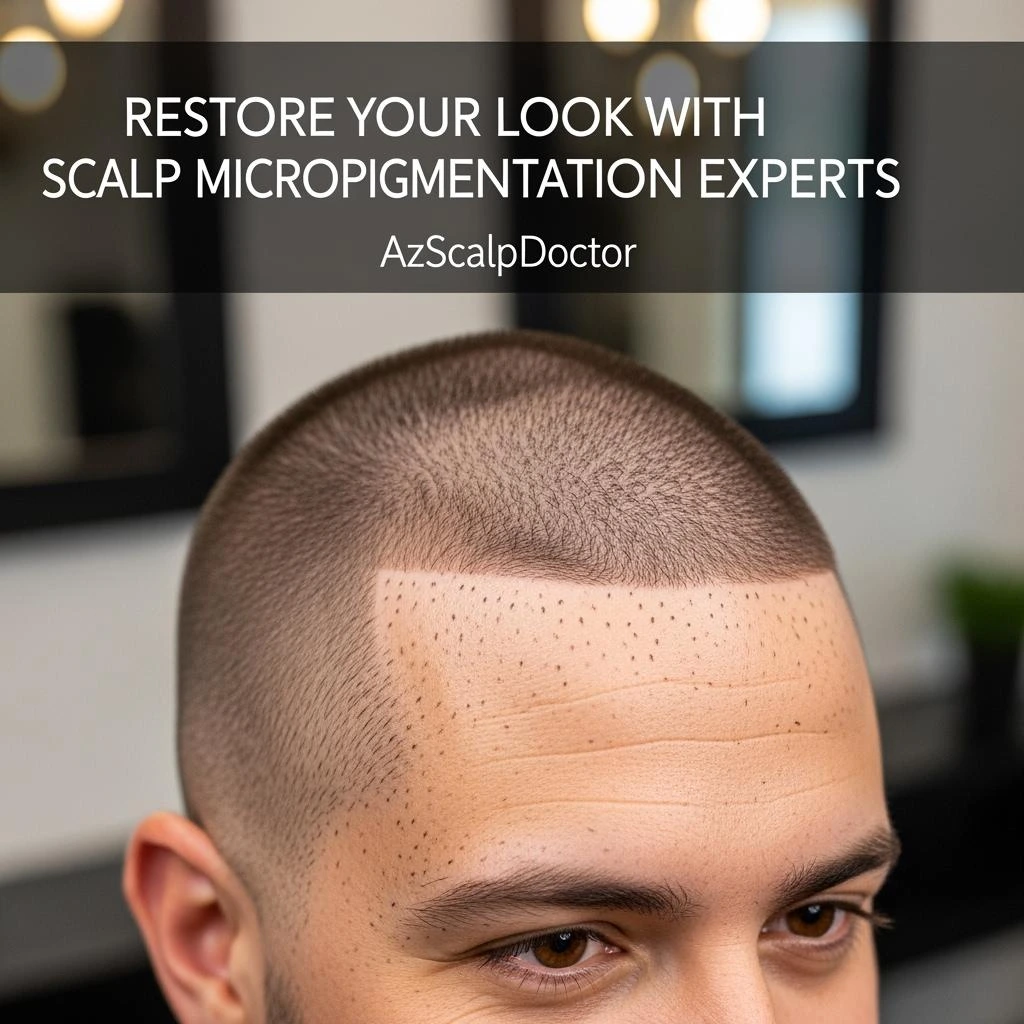
  • Scalp Micropigmentation Touch-Up: A Refresh, Not a Second Start

    Scalp Micropigmentation Touch-Up: A Refresh, Not a Second Start

    A scalp micropigmentation touch up is a later visit that refreshes work that already healed. It is not session two of a new treatment, and it is not a promise to repaint a bad result darker. Most new work at AzScalpDoctor is built in two to four sessions. A touch-up comes years afterward, when that finished pattern has softened.

    Francisco Ahumada does that refresh at 1061 N Dobson Rd Ste 107, Mesa, AZ 85201. Phone (480) 599-0868. Monday through Saturday, 9am to 5pm. If your first sessions are not finished, you are still in the original plan. Call it by its name so the quote matches the job.

    When a scalp micropigmentation touch up makes sense

    It makes sense when the hairline looks softer in daylight, the crown shows more skin than it did, or the whole scalp has lightened after years of sun. The original dots are still there. They need a careful boost, not a new identity.

    There is no expiration date. Some people are fine past five years. Desert sun on a shaved head can push the conversation sooner. The timeline guide covers that fade. This page is about the visit itself. Do not book a refresh because an ad said “year three.” Book it because you can see the change.

    A touch-up is usually one shorter visit when the pattern is intact. A full new hairline, a move forward, or a switch from density to a buzz cut is a different plan. Say that when you book. Surprises in the chair waste the day.

    Scalp micropigmentation touch up refreshes healed dots rather than starting a new design

    What a touch-up will not fix

    It will not lift pigment that was placed too deep and healed blue or blotchy. Adding darkness on that field makes a heavier patch. Read why SMP turns blue before you ask for “just a refresh.” A removal consult may come first. That is another provider. This studio does not promise laser erasure.

    It will not turn a straight, low hairline into a natural one by itself. If the design was wrong, the design has to change. That is closer to a repair than to maintenance. The regret notes are the checklist. Bring them if you are unhappy, not only if you are slightly faded.

    It will not grow hair, and it will not chase new baldness into a perfect cap if you insist on more density every year. Pattern loss can continue. A softer edge ages better than a dark island.

    How the visit goes

    Come with your normal short length, product washed out, in time to be seen in daylight. The artist looks at what held and what softened. Dots should match the size and spacing already in the skin. A refresh that uses bigger dots looks like a second haircut on top of the first.

    The color looks darker the day of the visit. That is true of first sessions too. Judge the touch-up after the skin calms. The early care window starts again on the area that was worked: less sweat, no swimming, no hard shave until the written sheet says so. The aftercare routine is the reference. Your sheet from the studio wins if they differ.

    If you have never been here, the first meeting may be a consultation rather than pigment. Old work from another artist has to be seen. You can leave without booking.

    Aftercare starts again on the area treated in a scalp micropigmentation touch up

    Sun, price, and other people’s schedules

    A hat after healing slows the next fade. It does not replace a touch-up forever. Arizona UV is the main reason a calendar from a cloudy city will not match your scalp.

    Price follows the area that needs work. A hairline edge is not a full scalp. Do not pay a new-client package if you only need a small refresh, and do not expect a small refresh to rebuild a ruined pattern. The Indonesian note on the word “permanent” is apakah SMP permanen. Lasting is not “never again.”

    If your loss is still fast, or the scalp is irritated, wait. Pigment on angry skin is a poor use of a maintenance visit.

    Work done somewhere else

    Bring the old notes if you have them: how many sessions, roughly when, and whether the ink was called a scalp pigment or a regular tattoo. You may not know. Say that. Guessing “it was SMP” when it was body-tattoo ink changes the risk of a cool color later.

    Francisco can refuse a same-day refresh if the scalp is sunburned, flaking, or still angry from a recent session elsewhere. That refusal protects the skin. A studio that adds pigment onto a burn is hurrying the sale.

    If only one side faded, the touch-up should stay on that side. Filling the whole head “so it matches” can make the good side too dark. Ask the artist to point to the soft areas before the machine starts. You should agree with that map in the mirror.

    Clients who drive in from Tucson or the West Valley should not book the last slot and sprint home into a workout. The aftercare window starts the hour you leave. Plan the quiet day the same way you did for the original sessions.

    Questions about touch-ups

    Is a touch-up the same as session two?

    No. Session two finishes a new treatment after the first pass heals. A touch-up refreshes a result that was already complete.

    Do I need one every year?

    No. Look at the scalp. Some people go many years. Heavy sun can shorten that. An annual contract is a sales plan.

    Can you change the hairline during a touch-up?

    Only if you agree to a redesign. A true touch-up follows the pattern that is already there.

    Where do I book?

    1061 N Dobson Rd Ste 107, Mesa, AZ 85201. Call (480) 599-0868.

    Name the job before you pay

    A scalp micropigmentation touch up is maintenance of healed work. Francisco Ahumada can tell you whether that is what your scalp needs, or whether you are looking at a repair, a new design, or simply unfinished sessions. Bring daylight, not a filtered selfie, and do not accept a darker pass as the answer to every problem.