Tag: SMP removal

  • Can Scalp Micropigmentation Be Removed?

    Can Scalp Micropigmentation Be Removed?

    Scalp micropigmentation can be lightened, and sometimes largely cleared, but not with soap, and not by adding a darker pass. Removal is a different procedure, done by a removal provider, usually over more than one visit. AzScalpDoctor does not perform laser removal. Francisco Ahumada can tell you whether your scalp needs a repair conversation, a wait, or a referral for lightening. He cannot promise the dots will vanish.

    The studio is at 1061 N Dobson Rd Ste 107, Mesa, AZ 85201. Phone (480) 599-0868. Monday through Saturday, 9am to 5pm. This page is not a set of laser instructions and it is not medical advice.

    When people ask if scalp micropigmentation can be removed

    The usual reasons are a hairline that is too low or too straight, dots that blurred, a color that healed blue or gray, or a density that looks like a cap. Some people simply changed their mind. Those are not the same job as a faded result that only needs a refresh.

    A touch-up adds to healed work that you still want. Removal tries to reduce pigment you do not want. Doing both in one breath, on the same day, is how a scalp gets busier instead of quieter. Name the goal first.

    If the problem is depth and a cool cast, read why SMP turns blue before you pay anyone to go darker. More ink on a deep blue field usually makes a heavier patch. The regret notes list the patterns that lead people here.
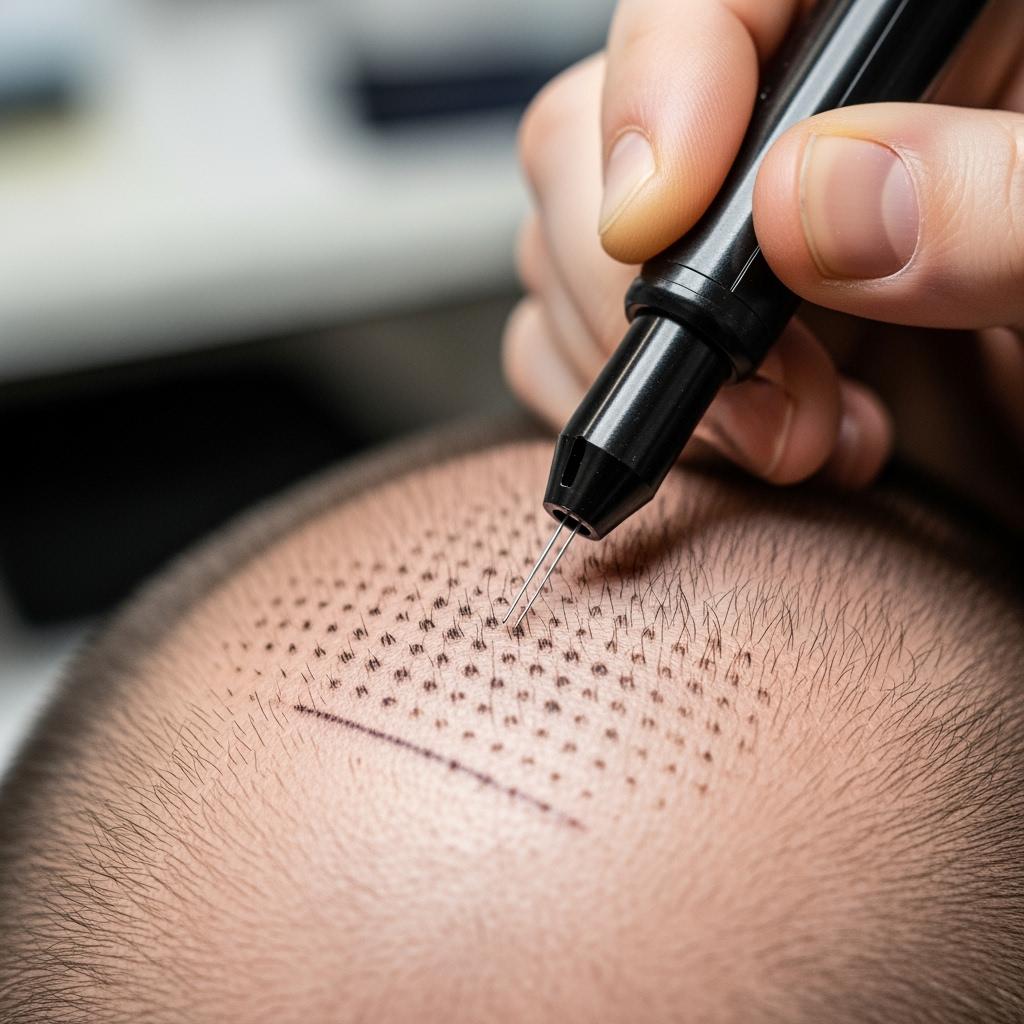
    Scalp micropigmentation that can be removed only by a separate lightening process, not by shampoo

    What removal is, in plain language

    A removal specialist uses energy aimed at the pigment so the body can clear fragments over time. It is gradual. One visit rarely finishes a dense scalp. How many visits you need depends on how deep the dots are, how packed they are, how old they are, and how your skin responds. Nobody honest can set that number from a chat photo.

    A small test area comes before a whole head. The test shows whether that pigment lightens on your skin. Skipping it to “just do it all today” is a sales move. Full clearing is not guaranteed. Some ink lightens enough to rebuild. Some stays visible. Skin can change color. Existing hair can look odd for a while. Ask the removal provider those risks in their office, not from this blog.

    This studio will not quote laser settings, wavelengths, or a session recipe. Those belong to the person who does the lightening, after they see the scalp. Creams and scrubs sold as erasers are not a substitute.

    What to try before you talk about removal

    Wait until the work has healed. Day-one darkness is not the final color. Judging a disaster from a fresh mirror is a common panic. If the healed result is only a little soft, a touch-up or simply leaving it alone may be enough.

    If the design is the problem, lightening a harsh edge can be a smaller job than erasing the whole scalp. Say which part you hate. A provider who only sells full removal has one tool.

    If you still want SMP afterward, the rebuild waits until the skin is calm. Stacking new dots onto a fresh lightening visit is a bad sequence. The consultation at Mesa can look at healed work and say whether new pigment is even appropriate. You can leave without booking.
    Small SMP impressions that are harder to judge for removal until the skin has calmed

    Hair, scars, and promises to refuse

    Do not believe a guarantee that every follicle is untouched and every dot disappears. A careful provider explains limits. An ad that says “gone in one session, hair unaffected, every time” is advertising.

    Raised scars and very deep ink are harder. Keloid-prone skin needs that history on the table before anyone lights the scalp. Sunburned or infected skin is a reason to wait.

    SMP does not grow hair, and removing it does not grow hair either. If the original goal was long hair from a bald crown, neither pigment nor lightening will create shafts. The look-real guide is what natural dots should have been. Use it to describe the problem, not as a promise that removal restores a younger head.

    Photos are not a treatment plan

    Send daylight pictures if you cannot travel yet. Use them to decide you need a visit, not to buy a package. A compressed photo hides blur and invents color. The removal provider, and Francisco if you want an opinion on new pigment, should see the scalp in the room.

    Ask whether the goal is lighter density, a higher hairline, or as close to bare skin as your pigment allows. Those are different amounts of work. “Take it all off” when you only hate the front edge can erase hair-like texture you would have kept.

    Budget time, not a weekend. Skin needs to settle between lightening visits. Rebuilding SMP, if you still want it, comes after that, in two to four sessions of its own. People who want the old dots gone and a new hairline in the same month are asking the skin to do two jobs at once.

    If the work is only days old, wait. Swelling and darkness are not the map. The side effects guide separates ordinary redness from a result that stays wrong after healing.

    Questions about removal

    Can I wash SMP out?

    No. Shampoo does not remove settled pigment.

    Does AzScalpDoctor laser it off?

    No. Lightening is a different provider. We can look at the scalp and tell you if a darker pass would make it worse.

    Is one removal visit enough?

    Usually not for a full, dense scalp. The count is set after a test, on your skin, by the person doing the lightening.

    Where do I start if I am unsure?

    1061 N Dobson Rd Ste 107, Mesa, AZ 85201. Call (480) 599-0868. Bring daylight photos of the healed work, not only the day it was done.

    Name the outcome before you pay

    Can scalp micropigmentation be removed? Often it can be lightened, sometimes cleared, over more than one visit, with limits. Francisco Ahumada will not pretend a new layer of dots is removal. If you want less pigment, see a removal specialist and ask for a test area. If you want better pigment later, wait until that skin is calm.
  • Scalp Micropigmentation Regrets – 6 thing you need to Know!

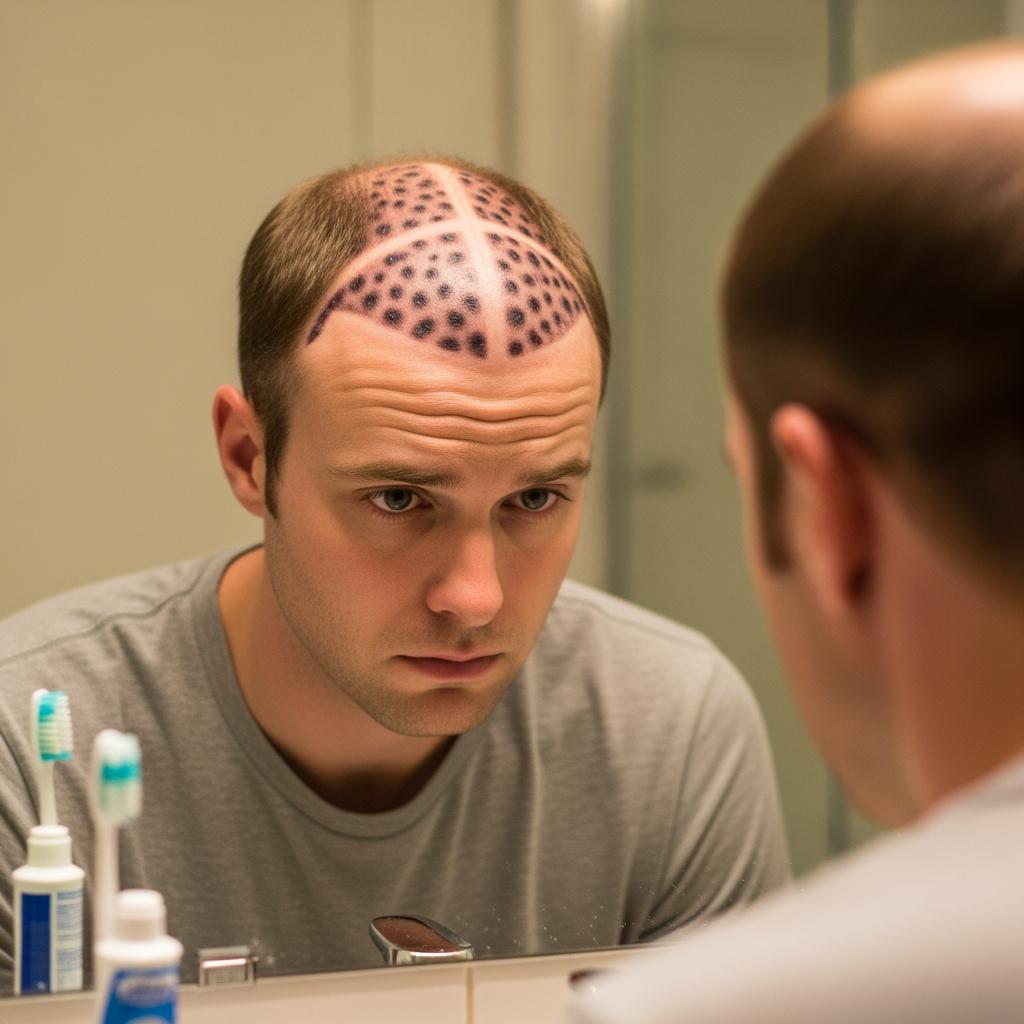
    Scalp Micropigmentation (SMP) has become a popular solution for men and women struggling with baldness or thinning hair. It offers fast, realistic results that simulate a freshly shaved scalp or denser hairline. Yet behind countless success stories, there’s a smaller but important group of patients who experience scalp micropigmentation regrets — dissatisfaction or disappointment after the procedure.

    6 Scalp Micropigmentation Regrets & How to Avoid Them

    This article dives deep into why people regret SMP, what common mistakes lead to those outcomes, and how to avoid them so your investment truly boosts your confidence — not your frustration.


    What Is Scalp Micropigmentation (SMP)?

    Scalp Micropigmentation is a non-surgical cosmetic procedure that mimics the appearance of hair follicles by implanting micro-dots of pigment into the scalp. The result creates an illusion of density or a clean buzz-cut look, depending on your hair loss pattern.

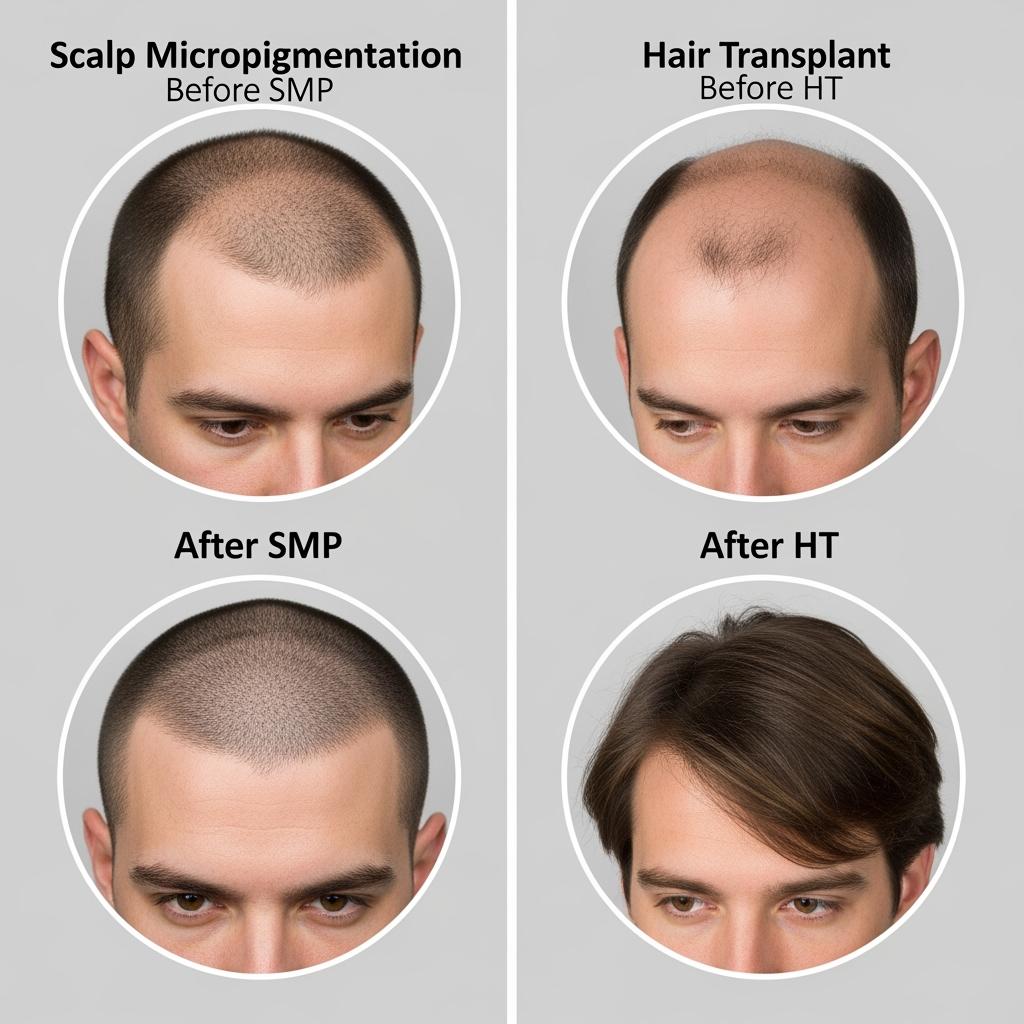
    Unlike a hair transplant, SMP doesn’t restore real hair growth — it simply creates the illusion of thicker hair. The treatment usually takes two to three sessions and can last up to five years with proper aftercare.

    However, the quality of the result depends heavily on three key factors: technique, pigment choice, and design precision. When these elements fail, disappointment follows — and that’s where most regrets begin.


    Why Do People Regret Scalp Micropigmentation?

    While SMP can be life-changing, not every experience is perfect. Below are the most common reasons some people end up regretting their scalp micropigmentation procedure.


    1. Poor Technique and Inexperienced Technician

    The most frequent cause of SMP failure is poor execution. When a technician lacks skill or experience, the dots may be too large, unevenly spaced, or too deeply implanted. This can lead to discoloration or a “tattooed” appearance instead of natural hair follicles.

    Many clients fall for cheap clinics without verifying the artist’s background. But SMP is equal parts art and science — every stroke and depth matters.

    Tip: Always ask to see healed results, not just freshly done photos. The true test of quality appears after 2–4 weeks.


    2. Wrong Pigment Color or Fading Issues

    One of the biggest sources of scalp micropigmentation regrets comes from choosing the wrong pigment. Too dark, and it looks like a painted cap. Too light, and it fades unevenly. Worse, using tattoo ink instead of SMP-specific pigment can cause color shifts — often turning blue or green after exposure to UV light.

    Professional clinics use carbon-based or organic pigments designed to fade naturally. If your provider can’t explain what pigments they use, that’s a major red flag.


    3. Unnatural Hairline Design

    Your hairline defines your face. If it’s too straight, too low, or doesn’t match your age and bone structure, the entire result will look fake.

    A skilled SMP artist designs hairlines that complement your features and mimic realistic recession patterns. Unfortunately, many low-cost operators use cookie-cutter templates that make clients look unnatural or “painted on.”

    Restore Your Look with Scalp Micropigmentation Experts


    4. Unrealistic Expectations

    Another common cause of regret comes from expecting miracles. SMP doesn’t regrow hair — it creates an optical illusion of density. Clients who expect a full head of hair afterward often feel disappointed once they realize it’s a visual solution, not a biological one.

    Clear education before treatment prevents this problem. A well-informed client rarely regrets SMP.


    5. Poor Aftercare and Healing Problems

    Even the best SMP can fail if the client ignores aftercare instructions. Sun exposure, scratching, or washing the scalp too early can cause scabbing and pigment loss.

    Studies and clinic data show that nearly one-third of SMP failures are due to poor aftercare, not technician error.
    Every reputable clinic provides a detailed healing guide — and following it precisely is essential for long-term satisfaction.

    Scalp Micropigmentation Aftercare Tips | AzScalpDoctor


    6. Ongoing Hair Loss Over Time

    Hair loss doesn’t stop after SMP. For clients who continue to lose hair, untreated areas may become exposed, making the original SMP look patchy or unbalanced.

    Professional artists anticipate this by designing a “future-proof” hairline that still looks natural even if balding continues. Short-term design choices often lead to long-term regrets.


    Real Stories of Scalp Micropigmentation Regrets

    It’s easy to find real experiences shared online. On Reddit, one user in r/SMPchat wrote:

    “I loved it at first. But after two years, the pigment faded unevenly and looked patchy. I wish I had chosen a more experienced artist.”

    Another wrote:

    “It looks good indoors, but in natural sunlight, the dots appear bluish. I regret not doing more research beforehand.”

    These cases remind us that SMP regrets usually come from poor technique or rushed decisions, not the procedure itself.


    How to Avoid Scalp Micropigmentation Regrets

    The good news: most SMP regrets are preventable. Follow these professional guidelines from AzScalpDoctor to ensure your treatment becomes a success story, not a cautionary tale.


    1. Research Your Technician’s Credentials and Portfolio

    Always verify your artist’s certification, years of experience, and portfolio of healed results.
    Look for consistent, natural finishes under different lighting conditions. Ask for client testimonials, not just promotional images.

    A reputable SMP artist will be transparent about their process, pigments, and maintenance expectations.


    2. Ask the Right Pre-Treatment Questions

    Before committing, ask:

    • What type of pigment do you use?
    • How long will the results last before a touch-up?
    • Do you offer corrections or guarantees if I’m unsatisfied?

    These questions separate professional clinics from risky operators.


    3. Demand a Customized Hairline Consultation

    Avoid cookie-cutter hairlines. Request a personalized hairline design based on your facial shape, age, and hair pattern.
    Many premium clinics use digital simulations to preview potential outcomes.

    Pro tip: A slightly receded, soft-edge hairline looks far more natural than a straight, sharp line.


    4. Ask to See Healed Photos

    Fresh SMP work looks darker and sharper than the healed result. Pigment fades 20–30% during healing, so the final look is always softer. Make sure you review photos taken one month post-treatment to judge the artist’s true skill.


    5. Avoid Cheap Clinics

    Low-cost clinics often cut corners — using tattoo ink, unsterile needles, or untrained staff.
    Correction or removal of bad SMP can cost two to three times more than a proper procedure.

    Think of it this way: cheap work is expensive in the end.


    What to Do If You Already Regret Your SMP

    If you’re unhappy with your result, don’t panic. Most cases of scalp micropigmentation regrets can be corrected by experienced specialists.


    1. SMP Correction or Touch-Up

    If your SMP is too dark or uneven, an expert can fix it with color dilution, blending, or re-pigmentation techniques.
    This often takes one or two sessions and can dramatically improve the look without full removal.


    2. SMP Removal (Laser or Saline Method)

    For severe cases, pigment can be removed using either Q-switched laser or saline removal.
    Laser breaks pigment particles for the body to absorb naturally, while saline draws pigment out through the skin’s surface.

    Each method has pros and cons depending on pigment type and depth. A consultation will determine the safest choice for you.


    3. Camouflage and Blending Techniques

    If only part of the scalp looks unnatural, blending techniques can soften and balance the color gradient.
    This approach works well for uneven shading, dark spots, or harsh hairlines — offering a subtle fix instead of complete redo.


    4. Consult a Professional SMP Clinic

    Never try to fix bad SMP at home. Always consult an expert SMP practitioner for evaluation.
    At AzScalpDoctor, we offer free assessments to determine whether your case needs correction, removal, or simple touch-up.

    “Not every failed SMP requires removal. Many can be transformed with professional blending and pigment balancing.”
    — Dr. Francisco Ahumada, SMP Specialist, AzScalpDoctor


    Long-Term SMP Maintenance: The Key to Staying Regret-Free

    SMP isn’t a one-time fix. Pigments fade naturally over years due to skin renewal and sun exposure.
    Proper maintenance ensures your SMP continues to look clean and realistic.

    Essential Maintenance Tips

    • Protect your scalp from UV rays — use sunscreen SPF 50 or a hat outdoors.
    • Moisturize daily with alcohol-free lotion to prevent dryness.
    • Schedule touch-ups every 2–3 years to refresh pigment brightness.

    The better your aftercare and maintenance, the longer you’ll stay happy with your SMP.


    Alternatives to SMP for Hair Loss

    Still unsure about committing to SMP? Here’s a quick comparison of hair restoration options:

    MethodProsCons
    Hair TransplantReal hair growthExpensive, surgical risks
    Hair System (custom wig)Instant resultsHigh maintenance, limited lifespan
    Medication (Minoxidil, Finasteride)Stimulates natural growthHormonal side effects
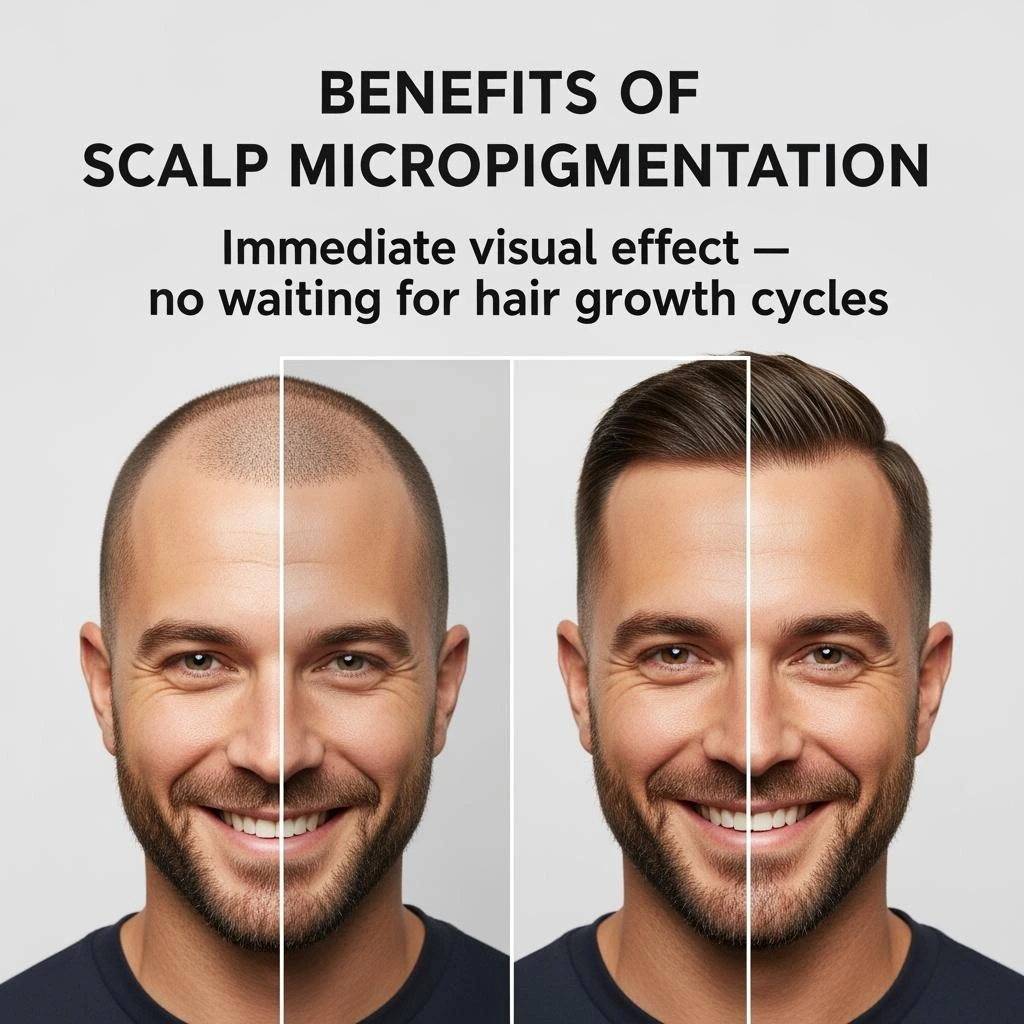
    SMP (Scalp Micropigmentation)Immediate visual density, low maintenanceDoesn’t regrow hair

    SMP remains the most practical and cost-efficient solution for men and women who want an instant, natural look — when done by the right hands.


    Conclusion

    Scalp Micropigmentation is an incredible innovation that can transform appearance and confidence. But like any aesthetic procedure, results depend entirely on skill, preparation, and realistic expectations.

    Most cases of scalp micropigmentation regrets could have been avoided with better research, communication, and technician choice.

    By trusting a certified specialist like AzScalpDoctor, you can ensure professional pigment quality, proper hairline design, and a natural, fade-resistant result.

    AzscalpDoctor Location in Arizona

    “A great SMP doesn’t just change how you look — it changes how you feel about yourself.”


    FAQs About Scalp Micropigmentation Regrets

    1. Can scalp micropigmentation be removed?

    Yes. Both laser and saline removal methods can safely lighten or erase unwanted pigment.

    2. How much does SMP correction cost?

    Correction typically costs between $300–$800 per session, depending on the area and severity.

    3. Does SMP fade over time?

    Yes, pigment naturally fades within 3–5 years. Regular touch-ups help maintain color consistency.

    4. What if I don’t like my hairline?

    You can have your hairline reshaped or blended by a skilled SMP technician.

    5. Does everyone regret SMP eventually?

    Not at all. Most clients are highly satisfied, especially when they choose an experienced practitioner and follow aftercare like Azscalpdoctor.

    6. Is SMP suitable for women?

    Yes. SMP can effectively camouflage thinning hair in the crown or part line for women as well.

    7. How can I avoid bad SMP results?

    Choose a certified clinic, check healed results, and follow aftercare precisely. Never rush your decision.