Tag: Scalp Micropigmentation

  • How Long Does Scalp Micropigmentation Last? Real Timeline and Touch-Up Guide

    How Long Does Scalp Micropigmentation Last? Real Timeline and Touch-Up Guide

    One of the first practical questions clients ask is: how long does scalp micropigmentation last? Most people want a clear timeline before investing time and money. The honest answer is that SMP is long-lasting but not permanent forever — and longevity depends on pigment quality, technique, aftercare, skin type, and sun exposure.

    This guide explains realistic lifespan ranges, what causes fading, when touch-ups make sense, and how clients in Arizona can protect results longer.
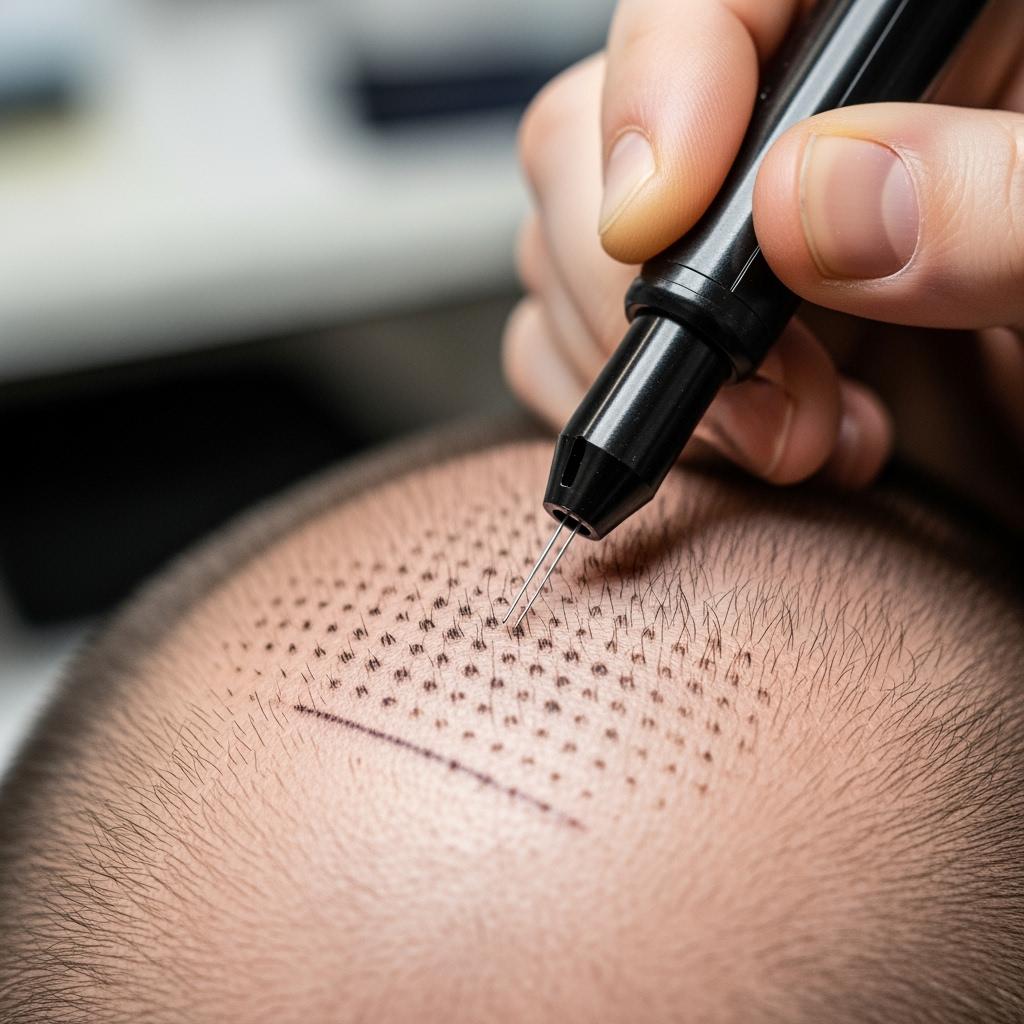
    How long does scalp micropigmentation last healed SMP results
    How long does scalp micropigmentation last? Most clients enjoy strong results for several years with proper care.

    Typical Lifespan of Scalp Micropigmentation

    In real clinic experience, many clients keep a solid look for about 3 to 8 years before wanting a refresh. Some need a small touch-up sooner; others wait longer. When people ask how long does scalp micropigmentation last, they should expect a range, not a single guaranteed date.

    SMP places pigment in the upper dermis. As skin renews and UV breaks down color, contrast softens. That fade is gradual, not sudden overnight disappearance.

    New to the procedure? Start with What Is Scalp Micropigmentation?

    What Affects How Long SMP Lasts

    1. Pigment Quality and Color Match

    SMP-specific pigment is designed for scalp work. Regular tattoo ink can shift color and age poorly. Correct undertone matching also affects how natural the fade looks over time.

    2. Technique and Depth

    Too shallow and pigment may fade quickly. Too deep and it can blur or look too dark. Consistent depth and layered sessions create durable, natural results.

    3. Aftercare in the First Weeks

    Healing determines how much pigment retains. Sweat, premature washing, picking scabs, or harsh products can reduce longevity. Follow a proven routine in our SMP aftercare guide.

    4. Sun Exposure

    UV is one of the biggest fade accelerators — especially in Mesa and Phoenix. Hats and scalp-safe sun habits after healing help preserve contrast.

    5. Skin Type and Lifestyle

    Oily skin, frequent exfoliation, swimming, and high outdoor activity can influence fade speed. That is why two clients can get the same treatment and see different timelines.
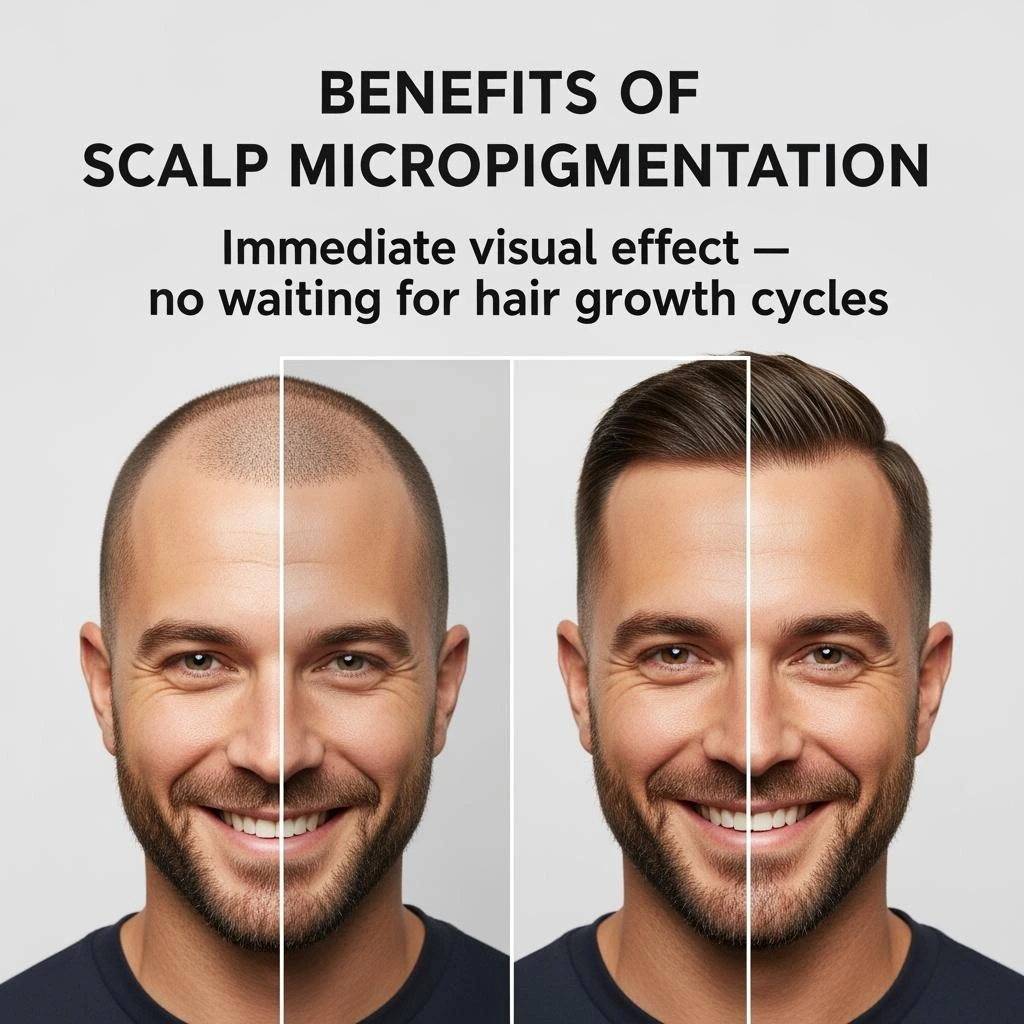
    Factors that affect how long scalp micropigmentation lasts
    Technique, aftercare, and sun protection all influence how long scalp micropigmentation lasts.

    Does SMP Fade Unevenly?

    Quality work usually fades softly and evenly. Patchy fading often comes from inconsistent depth, poor aftercare, or low-quality pigment. If you are worried about bad aging, review common mistakes in scalp micropigmentation regrets.

    When Should You Get a Touch-Up?

    • Hairline edges look softer than you prefer
    • Crown density appears lighter in daylight
    • Scar camouflage contrast has reduced
    • You changed your preferred style slightly

    Touch-ups are usually faster and less expensive than a full first treatment plan. Many clients treat them as maintenance, similar to keeping a haircut sharp.

    SMP Longevity vs Hair Transplant Longevity

    Transplants grow real hair that can last permanently in grafted zones, but surrounding native hair may still thin. SMP does not grow hair; it maintains a visual density effect that can be refreshed. Comparing both options helps set expectations: scalp micropigmentation vs hair transplant.

    How to Make Scalp Micropigmentation Last Longer

    1. Complete all recommended sessions, not just one.
    2. Follow aftercare instructions precisely during healing.
    3. Limit intense sun on the scalp after healed.
    4. Avoid abrasive scrubs on treated areas.
    5. Book a maintenance review when contrast softens.

    Local clients can also review our Mesa guide for process expectations: scalp micropigmentation Mesa. For realism questions, see does scalp micropigmentation look real. Pricing and session planning are covered in our hair tattoo cost guide.

    What “Lasting Results” Means Day to Day

    When people ask how long does scalp micropigmentation last, they often mean: will I still look good next year, in photos, and at the gym? With proper work, yes. You should wake up with the same visual density you left the clinic aiming for — no daily fibers, no special styling required for the pigmented look.

    Over years, the look may soften. That soft stage still often looks natural. A touch-up simply restores crispness.

    Arizona-Specific Longevity Tips

    Desert sun, pool chlorine, and outdoor lifestyles are common around Mesa. After healing, protect your scalp during long sun days. If you train outdoors, plan shade or head coverage. These small habits meaningfully extend how long scalp micropigmentation lasts in Arizona conditions.

    Learn more about clinic standards and local treatment style here: AzScalpDoctor Arizona SMP.

    FAQ

    Is SMP permanent?
    It is semi-permanent. Pigment remains for years, then gradually fades and can be refreshed.

    Can faded SMP be fixed?
    Usually yes, with a touch-up or densification session by an experienced artist.

    Does color turn blue?
    That risk rises with unsuitable ink and poor technique. SMP pigment and correct depth reduce that risk.

    Final Answer

    So, how long does scalp micropigmentation last? Plan for multi-year results, protect your scalp, and expect optional touch-ups for peak freshness. At AzScalpDoctor in Mesa, we design treatment plans for natural healing and durable contrast — then help you maintain them over time.

    Ready for a longevity-focused consultation? Contact AzScalpDoctor to map your sessions and aftercare plan.

    Month-by-Month Expectations After SMP

    In the first week, color often looks darker than the final healed tone. Over the next few weeks, pigment settles and softens. By one to three months, you usually see the true baseline result. From there, the question shifts from healing to maintenance: how long does scalp micropigmentation last before contrast needs a boost?

    Most clients enjoy a confident look through years of normal life — workouts, workdays, and photos — before considering a refresh. If your fade feels early, review aftercare history, sun habits, and whether all planned sessions were completed.

    Full Treatment Plans Last Longer Than One Session

    A single session rarely builds durable density. Layered sessions create overlapping microdots that age more gracefully. Clients who stop after session one often feel results fade faster because the foundation was incomplete. Longevity starts with finishing the plan your artist recommends.

    If budget is a concern, discuss phased scheduling rather than cutting necessary sessions. A complete plan usually costs less long-term than correcting an underbuilt result later.
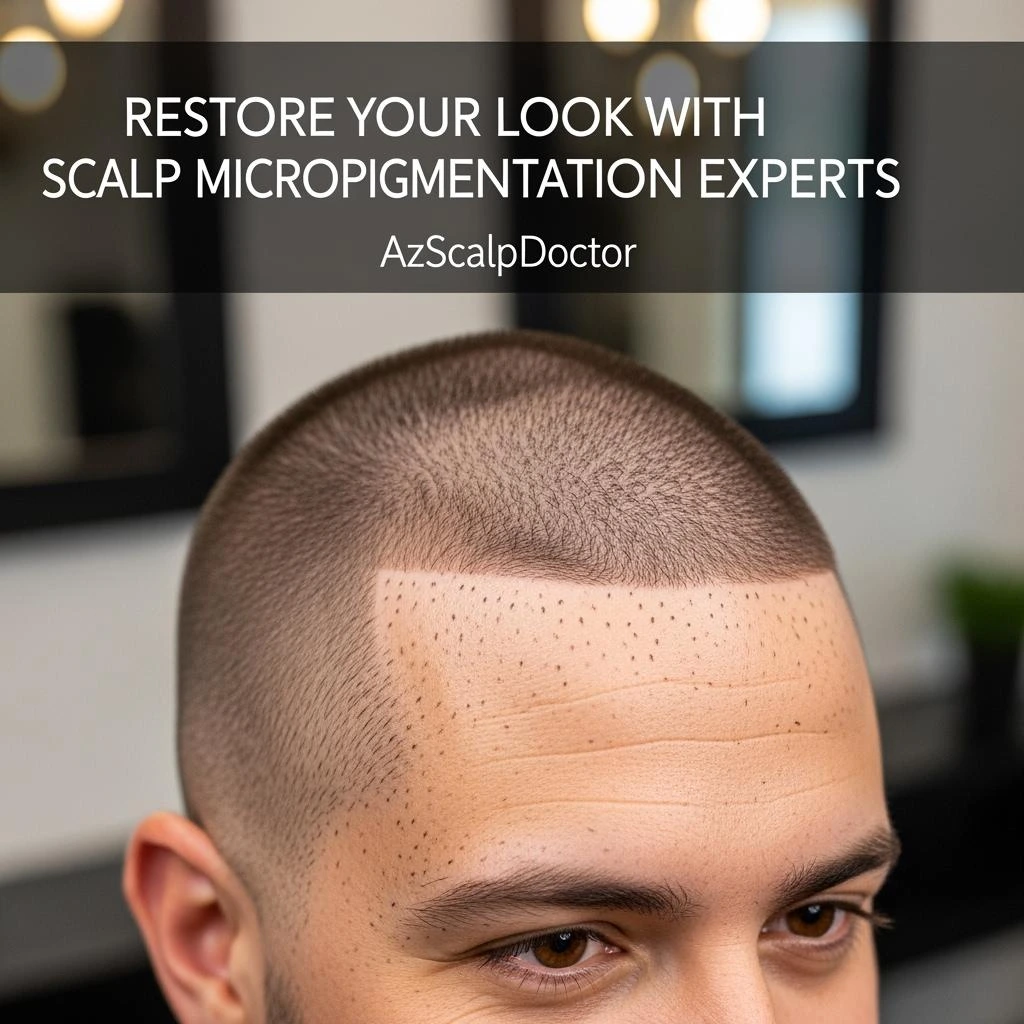
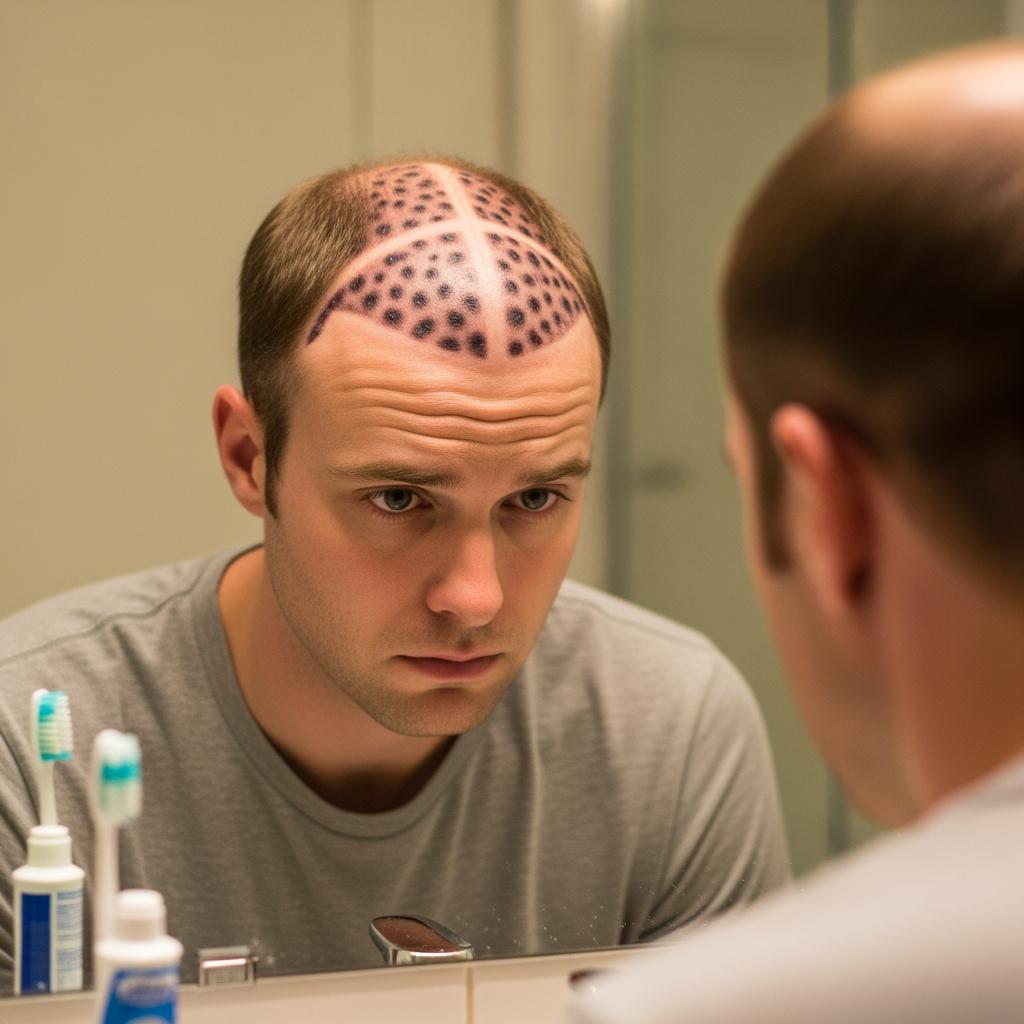
  • Scalp Micropigmentation untuk Rambut Tipis: Solusi Densitas Tanpa Operasi

    Scalp Micropigmentation untuk Rambut Tipis: Solusi Densitas Tanpa Operasi

    Banyak orang mulai mencari solusi saat rambut mulai menipis di area belahan, pelipis, atau mahkota. Salah satu opsi non-bedah yang semakin populer adalah scalp micropigmentation untuk rambut tipis. Teknik ini tidak menumbuhkan rambut baru, tetapi menciptakan ilusi densitas agar kulit kepala tidak terlalu terlihat dan tampilan rambut terlihat lebih penuh.

    Artikel ini menjelaskan cara kerja SMP untuk rambut tipis, siapa kandidat yang cocok, perbedaan dengan transplantasi, serta tips memilih artist yang tepat — termasuk pertimbangan untuk klien di Arizona.

    Scalp micropigmentation untuk rambut tipis menambah densitas visual
    Scalp micropigmentation untuk rambut tipis membantu mengurangi kontras kulit kepala agar rambut terlihat lebih tebal.

    Apa Itu Scalp Micropigmentation untuk Rambut Tipis?

    Scalp micropigmentation (SMP) adalah prosedur kosmetik yang menempatkan titik-titik pigmen mikro di lapisan atas kulit kepala. Untuk kasus rambut tipis, titik pigmen disusun agar menyamarkan kulit kepala yang “mengkilap” di sela rambut. Hasilnya sering disebut density fill: rambut yang ada tetap dipertahankan, sementara area tipis terlihat lebih solid.

    Jika Anda ingin memahami dasar prosedurnya, baca panduan lengkap kami: What Is Scalp Micropigmentation?

    Mengapa Rambut Tipis Membutuhkan Pendekatan Khusus?

    Rambut tipis pada pria dan wanita bisa disebabkan pola genetik, stres, hormon, atau kondisi seperti androgenetic alopecia. Pada wanita, penipisan sering terlihat di garis belahan. Pada pria, biasanya di crown atau area depan.

    Untuk memahami pola kerontokan pada wanita, lihat juga: Androgenetic Alopecia Pada Wanita: Penyebab dan Ciri. Jika kerontokan terjadi mendadak setelah stres atau sakit, informasi ini relevan: Penyebab Telogen Effluvium dan Faktor Pemicunya.

    Bagaimana SMP Membantu Rambut Tipis?

    • Mengurangi kontras kulit kepala sehingga area tipis tidak mencolok di bawah cahaya.
    • Menyempurnakan baby hair dan garis belahan pada wanita.
    • Menambah kesan volume tanpa operasi atau donor hair.
    • Bisa dikombinasikan dengan gaya rambut yang masih dipanjangkan.

    Berbeda dengan full buzz-cut look, scalp micropigmentation untuk rambut tipis biasanya lebih lembut dan selektif. Pigmen tidak harus menutup seluruh kepala; fokusnya pada zona yang paling transparan.

    Siapa yang Cocok Menjalani SMP Density Fill?

    • Pria atau wanita dengan penipisan difus
    • Klien yang ingin tetap mempertahankan panjang rambut
    • Pasien pasca transplantasi yang butuh blending densitas
    • Orang yang belum siap operasi
    • Klien dengan ekspektasi realistis: ilusi ketebalan, bukan pertumbuhan folikel baru
    Proses scalp micropigmentation untuk rambut tipis di klinik
    Hasil alami scalp micropigmentation untuk rambut tipis bergantung pada pencocokan warna dan layer densitas.

    SMP vs Cara Menebalkan Rambut Lain

    Banyak orang membandingkan SMP dengan perawatan topikal, vitamin, atau transplantasi. Perawatan medis bisa membantu pada kondisi tertentu, tetapi hasilnya bertahap dan tidak selalu cukup untuk menutupi area transparan. Transplantasi menumbuhkan rambut nyata, namun butuh donor, biaya lebih tinggi, dan masa pemulihan.

    Untuk opsi menebalkan rambut secara umum, Anda bisa membaca: Cara Menebalkan Rambut Tipis Secara Alami dan Medis. Jika ingin membandingkan SMP dengan operasi, lihat juga: Scalp Micropigmentation vs Hair Transplant.

    Proses Perawatan: Apa yang Terjadi di Klinik?

    1. Konsultasi: analisis pola penipisan, warna rambut, dan tujuan gaya.
    2. Desain densitas: menentukan zona prioritas (belahan, pelipis, crown).
    3. Sesi berlapis: biasanya 2–4 sesi agar hasil tidak terlalu gelap di awal.
    4. Aftercare: menjaga pigment settle dengan benar selama penyembuhan.

    Aftercare sangat menentukan hasil akhir. Ikuti panduan lengkap di Scalp Micropigmentation Aftercare Tips.

    Kesalahan yang Membuat Hasil Terlihat Tidak Alami

    Hasil buruk biasanya muncul dari pigmen terlalu gelap, titik terlalu besar, atau densitas dipaksakan dalam satu sesi. Hindari memilih klinik hanya karena harga termurah. Pelajari risiko umum di artikel Scalp Micropigmentation Regrets.

    Berapa Biaya Scalp Micropigmentation untuk Rambut Tipis?

    Biaya bergantung pada luas area, tingkat penipisan, dan jumlah sesi. Density fill terbatas biasanya lebih hemat dibanding restorasi full scalp. Untuk gambaran pasar dan faktor harga, baca panduan Hair Tattoo Cost.

    Tips Memilih Artist untuk Hasil Alami

    • Minta foto hasil yang sudah healed, bukan hanya fresh session.
    • Pastikan artist berpengalaman pada kasus wanita dan density fill.
    • Tanyakan jenis pigmen SMP yang digunakan.
    • Pastikan ada rencana multi-sesi yang jelas.
    • Diskusikan ekspektasi gaya rambut setelah prosedur.

    Kenapa Banyak Klien Memilih AzScalpDoctor

    AzScalpDoctor di Mesa, Arizona, fokus pada scalp micropigmentation untuk hairline restoration, density fill, dan scar camouflage. Master Artist Francisco Ahumada merancang densitas sesuai bentuk wajah, warna kulit, dan pola penipisan agar hasil tetap natural di cahaya siang.

    Untuk gambaran layanan di Arizona, kunjungi: Scalp Micropigmentation AzScalpDoctor Arizona.

    FAQ Singkat

    Apakah SMP menumbuhkan rambut?
    Tidak. SMP menciptakan ilusi folikel/ densitas visual.

    Apakah rambut tipis tetap bisa distyling?
    Ya. Banyak klien tetap mempertahankan panjang rambut setelah density fill.

    Berapa lama hasil bertahan?
    Beberapa tahun, dengan perawatan dan touch-up berkala sesuai kondisi kulit dan paparan matahari.

    Kesimpulan

    Scalp micropigmentation untuk rambut tipis adalah solusi praktis bagi Anda yang ingin tampilan lebih penuh tanpa operasi. Kunci hasil alami ada pada desain densitas, pencocokan pigmen, sesi berlapis, dan aftercare yang disiplin.

    Jika Anda ingin konsultasi personal, hubungi AzScalpDoctor untuk evaluasi area tipis Anda dan rencana perawatan yang sesuai tujuan.

    Perbedaan Density Fill Pria dan Wanita

    Pada pria, scalp micropigmentation untuk rambut tipis sering difokuskan di crown dan area transisi menuju hairline. Tujuannya agar saat cahaya datang dari atas, kulit kepala tidak terlihat mencolok. Pada wanita, pendekatan biasanya lebih halus di sekitar belahan rambut, pelipis, dan baby hair. Pigmen harus menyatu dengan warna rambut yang masih ada agar tidak terlihat seperti bayangan buatan.

    Karena itu, konsultasi visual sangat penting. Artist perlu melihat ketebalan rambut saat basah dan kering, karena area transparan sering lebih jelas saat rambut basah atau di bawah lampu terang.

    Persiapan Sebelum Sesi Pertama

    • Datang dengan rambut bersih tanpa produk styling berat.
    • Siapkan referensi gaya yang diinginkan.
    • Sampaikan riwayat perawatan rambut, transplantasi, atau alergi kulit.
    • Diskusikan aktivitas olahraga dan paparan matahari setelah sesi.
    • Pastikan jadwal sesi berikutnya sudah direncanakan sejak awal.

    Persiapan yang baik membantu artist menentukan kedalaman dan jarak titik yang tepat. Hasil scalp micropigmentation untuk rambut tipis yang natural biasanya lahir dari perencanaan, bukan dari sesi yang terburu-buru.

    Perawatan Jangka Panjang di Iklim Panas

    Bagi klien di Arizona atau daerah berjemur tinggi, proteksi UV setelah masa healing sangat berpengaruh. Paparan matahari berlebih dapat mempercepat pudarnya kontras pigmen. Gunakan kebiasaan melindungi kulit kepala, hindari scrub kasar, dan jaga kelembapan kulit agar hasil tetap terlihat rapi lebih lama.

    Touch-up berkala bukan tanda kegagalan. Ini bagian normal dari perawatan semi-permanen agar densitas visual tetap optimal seiring regenerasi kulit.

    Kapan SMP Bukan Pilihan Utama?

    Jika Anda masih dalam fase kerontokan aktif yang belum dievaluasi medis, sebaiknya konsultasikan dulu penyebabnya. SMP tetap bisa membantu secara visual, tetapi penanganan penyebab kerontokan tetap penting. Pada kasus infeksi kulit aktif atau kondisi dermatologis tertentu, prosedur mungkin perlu ditunda sampai kulit stabil.

    Dengan evaluasi yang jujur, scalp micropigmentation untuk rambut tipis menjadi solusi yang aman, terarah, dan sesuai ekspektasi.

    Langkah Berikutnya

    Ingin tahu apakah area tipis Anda cocok untuk density fill? Hubungi AzScalpDoctor untuk konsultasi. Kami akan menilai pola penipisan, menjelaskan rencana sesi, dan memberikan gambaran hasil yang realistis sebelum perawatan dimulai.

  • Scalp Micropigmentation Mesa: Local Guide to Natural SMP Results

    Scalp Micropigmentation Mesa: Local Guide to Natural SMP Results

    Looking for scalp micropigmentation Mesa residents actually trust? Mesa and the East Valley have become a practical hub for clients who want natural SMP without traveling across Phoenix traffic for every session. This guide explains what to expect locally — from consultation and session planning to results, pricing factors, and how to choose the right artist.

    AzScalpDoctor is based at 1061 N Dobson Rd #107 in Mesa, AZ, and serves clients from Mesa, Tempe, Chandler, Gilbert, Scottsdale, and greater Phoenix.

    Scalp micropigmentation Mesa Arizona clinic AzScalpDoctor
    Scalp micropigmentation Mesa clients often want natural hairlines, density fills, and convenient East Valley access.

    Why Mesa Is a Strong Location for SMP

    Scalp micropigmentation usually needs multiple visits. Choosing a Mesa studio means less travel between sessions and easier follow-ups. East Valley clients also benefit from a growing local market — more artists, more before-and-after examples, and more education around what quality SMP should look like.

    If you are completely new to the treatment, start here: What Is Scalp Micropigmentation?

    What Scalp Micropigmentation Mesa Clinics Typically Offer

    Hairline Restoration

    Ideal for receding temples and Norwood-pattern loss. A well-designed Mesa SMP hairline should look soft, age-appropriate, and balanced with your facial structure.

    Density Fill

    For thinning crowns or see-through areas, pigment reduces scalp contrast so hair looks thicker under light. This option is popular with both men and women who still keep length.

    Scar Camouflage

    FUE and FUT scars, trauma marks, or prior procedure lines can often be blended with precise micropigmentation. Technique matters more here than speed.

    Our Arizona service overview covers these options in depth: scalp micropigmentation by AzScalpDoctor Arizona.

    How to Choose a Scalp Micropigmentation Mesa Provider

    1. Review healed photos in daylight, not only fresh work.
    2. Ask about pigment — SMP pigment versus standard tattoo ink.
    3. Confirm session plan — most natural results need 2–4 sessions.
    4. Discuss hairline design before any needle work begins.
    5. Check aftercare support so healing protects your investment.

    Avoiding rushed clinics is critical. Common pitfalls are explained in our article on scalp micropigmentation regrets.

    Benefits of scalp micropigmentation Mesa for hairline and density
    Quality scalp micropigmentation Mesa treatments prioritize soft design, layered density, and healed natural results.

    What a Typical Mesa SMP Process Looks Like

    Consultation: Photos, hair-loss pattern review, style goals, and quote.

    Session 1: Hairline mapping and base density.

    Session 2–3: Build depth, refine transitions, adjust color as pigment settles.

    Optional later touch-up: Maintain contrast after natural fade over years.

    After each visit, follow a clear healing routine. Use our complete scalp micropigmentation aftercare guide to protect pigment and reduce blotchiness.

    Scalp Micropigmentation Mesa Cost Factors

    Local pricing depends on coverage area, Norwood level, scar complexity, and artist experience. Smaller density fills cost less than full-scalp restorations. Always ask what is included: number of sessions, aftercare guidance, and touch-up policy.

    For a broader pricing breakdown, read our hair tattoo cost guide. If you are comparing SMP with surgery, this comparison helps: scalp micropigmentation vs hair transplant.

    Who Travels to Mesa for SMP?

    • East Valley residents who want convenient multi-session care
    • Phoenix and Scottsdale clients seeking specialized artists
    • Men wanting a crisp buzz-cut restoration
    • Women needing soft density around the part or temples
    • Transplant patients needing scar blending

    Why Clients Choose AzScalpDoctor in Mesa

    Francisco Ahumada, Master SMP Artist and owner, focuses on natural hairlines, medical-grade materials, and hands-on precision. Beyond client treatments, AzScalpDoctor also offers professional SMP training for artists building careers in Arizona — which keeps technique standards high inside the studio.

    That combination — treatment quality plus education — is one reason searches for scalp micropigmentation Mesa increasingly lead people to request consultations here.

    Local Tips Before Your First Appointment

    • Arrive with a clear style reference (buzz cut, soft density, or scar cover).
    • Share medication and skin-sensitivity history during consultation.
    • Plan downtime for aftercare, especially around workouts and swimming.
    • Schedule sessions with enough healing time between visits.
    • Ask to see healed examples matching your skin tone.

    Arizona Climate and SMP Longevity

    Mesa sun is intense. UV exposure can fade pigment faster if you skip protection. After healing, use scalp-safe SPF habits and avoid unnecessary prolonged sun. Good aftercare in Arizona is not optional — it is part of keeping results sharp.

    Ready to Book Scalp Micropigmentation in Mesa?

    If you want natural-looking SMP with a clear plan and local convenience, AzScalpDoctor is ready to help. We will evaluate your pattern, design your hairline or density map, and give transparent expectations before treatment begins.

    Contact the Mesa studio to schedule your consultation and see whether scalp micropigmentation Mesa services are the right next step for your hair-loss goals.

    Scalp Micropigmentation Mesa vs Nearby Cities

    Clients often compare Mesa with Scottsdale, Tempe, Chandler, and Phoenix. In practice, results depend more on the artist than the city label. What Mesa offers is convenience for East Valley schedules and a studio environment focused specifically on SMP rather than treating it as a side service.

    If you live in Gilbert or Chandler, a Mesa location can cut commute time across multiple sessions. If you live in North Phoenix or Scottsdale, many clients still travel when they want a particular hairline style or instructor-level technique.

    Questions to Ask During Your Mesa Consultation

    • How many sessions do clients with my Norwood level usually need?
    • Will my hairline be mapped and photographed before treatment?
    • What pigment system do you use for long-term color stability?
    • How do you handle scar tissue differently from virgin scalp?
    • What aftercare products and restrictions should I follow in Arizona heat?

    Clear answers build trust. Vague promises about “permanent one-session magic” are a red flag for scalp micropigmentation Mesa shoppers.

    Who Is a Good Candidate in the East Valley?

    Most healthy adults with male or female pattern thinning, diffuse density loss, or transplant scars can be candidates. Active scalp infections, certain uncontrolled medical conditions, or unrealistic style expectations may require delay or alternative planning. A consultation is the safest way to confirm fit.

    Women with part-line thinning and men seeking a crisp buzz-cut restoration are both common at AzScalpDoctor. The design strategy changes, but the goal stays the same: natural contrast reduction that holds up in Mesa sunlight.

    Next Step

    Ready to move from research to results? Book a consultation for scalp micropigmentation Mesa services at AzScalpDoctor. Bring reference photos, share your goals, and leave with a realistic plan — not pressure.

  • Does Scalp Micropigmentation Look Real? What Natural SMP Actually Looks Like

    Does Scalp Micropigmentation Look Real? What Natural SMP Actually Looks Like

    One of the biggest questions clients ask before booking is: does scalp micropigmentation look real? The short answer is yes — when it is performed with the right pigment, depth, density, and hairline design. The longer answer is what this guide covers, so you know what separates natural results from obvious ones.

    At AzScalpDoctor in Mesa, Arizona, natural-looking SMP is the standard we design for daylight, photos, and close conversation — not just a flattering studio angle.

    Does scalp micropigmentation look real natural SMP results
    When technique and pigment are right, does scalp micropigmentation look real? Yes — especially in natural light.

    What “Looking Real” Actually Means

    People searching “does scalp micropigmentation look real” usually want three things: soft hairline edges, follicle-sized dots (not blobs), and color that matches their skin and hair tone. Realism is not about packing pigment as dark as possible. It is about restraint, layering, and optical blending.

    If you are new to the procedure, start with our foundation guide: What Is Scalp Micropigmentation?

    Why Some SMP Looks Fake

    • Hairline too hard or too low: A ruler-straight edge reads as drawn-on.
    • Dots too large or too deep: Oversized impressions look like freckles or a solid tattoo.
    • Wrong pigment chemistry: Regular tattoo ink can shift blue/green over time.
    • One-session overpacking: Skipping layered sessions often creates muddy density.
    • Poor aftercare: Premature washing, sweat, or sun can blur healing results.

    These mistakes are a major source of disappointment. Learn how to avoid them in our guide to scalp micropigmentation regrets.

    What Makes Natural SMP Look Convincing

    1. Soft, Age-Appropriate Hairline Design

    A believable hairline has micro-irregularities, not a stamped curve. Your face shape, age, and Norwood pattern should guide placement. For many men, a slightly higher, softer temple transition looks younger than forcing a teenage hairline.

    2. Layered Density Across Sessions

    Natural results are built in stages. Session one establishes map and base; later sessions refine density and soften transitions. That is why quality plans usually include two to four visits.

    3. Pigment Matched to Skin Undertone

    Color matching is where realism lives. Pigment that is too black can heal harsh; pigment that is too warm can look orange. Experienced artists adjust for undertone and expected fade.

    Natural looking scalp micropigmentation benefits and realistic density
    Layered density and correct pigment help answer “does scalp micropigmentation look real” with confidence.

    4. Proper Aftercare During Healing

    Even excellent technique needs clean healing. Follow a proven routine from our SMP aftercare tips so pigment settles evenly and edges stay crisp.

    Does Scalp Micropigmentation Look Real Up Close?

    From conversational distance, well-done SMP should read as shaved hair or denser coverage. Up close, you may still notice microdots — just as you can notice individual follicles on a real buzz cut. The goal is natural illusion, not microscopic invisibility.

    Clients often compare SMP with surgery when judging realism. If you are still weighing options, read our comparison of scalp micropigmentation vs hair transplant.

    Who Gets the Most Natural Results?

    • Men wanting a clean buzz-cut look
    • Clients with thinning crowns who need soft density fill
    • People covering FUE/FUT scars
    • Women blending part-line transparency (with specialized density work)
    • Clients open to a realistic hairline rather than an aggressive fashion line

    How to Evaluate an Artist Before You Book

    1. Ask for healed photos, not only fresh-session photos.
    2. Look for soft temples and varied dot spacing.
    3. Confirm SMP pigment is used — not standard tattoo ink.
    4. Ask how many sessions are planned for your pattern.
    5. Review consultation process and hairline mapping.

    For local context and clinic approach, see our Arizona overview: scalp micropigmentation by AzScalpDoctor. Pricing transparency also helps you compare quality — our hair tattoo cost guide explains what a full plan usually includes.

    Realistic Expectations After Treatment

    Immediately after a session, color can look darker. As the scalp heals, pigment softens into a more natural tone. That fade-in period is normal and part of why artists build density gradually. Long-term, sun protection and gentle scalp care keep results looking sharp for years.

    Final Answer

    So, does scalp micropigmentation look real? With skilled design, medical-grade pigment, layered sessions, and solid aftercare — yes. The difference between “wow, that looks natural” and “that looks tattooed” is technique and planning, not luck.

    If you want a natural-looking result in Mesa or the greater Phoenix area, schedule a consultation with AzScalpDoctor. We will map a hairline and density plan that fits your features, lifestyle, and goals.

    Daylight Test: The True Realism Check

    Studio lighting can flatter almost any result. The better test for “does scalp micropigmentation look real” is outdoor daylight and bathroom lighting. Natural SMP should hold up when light hits the crown, temples, and hairline from multiple angles. If pigment looks painted only under warm lamps, density or color matching likely needs refinement.

    Ask your artist for healed daylight photos of clients with a similar skin tone and hair-loss pattern. That single habit filters out most portfolios that look impressive only when freshly done.

    SMP for Buzz Cut vs Density Fill: Different Realism Goals

    A full buzz-cut style uses more uniform follicle simulation across the scalp. Density fill for thinning hair works differently: pigment is placed to reduce scalp shine through existing strands. Both can look real, but the design rules change. Over-darkening a density fill can create a “shadow cap” effect, while under-building a buzz-cut look can appear patchy.

    Women seeking baby-hair or part-line blend also need a softer approach than classic male Norwood restorations. The same question — does scalp micropigmentation look real — has different technical answers depending on style.

    How Long Natural Results Stay Natural

    Even excellent work softens over years as skin renews and UV exposure fades pigment. That does not mean results suddenly look fake. It usually means contrast decreases. A timed touch-up restores crispness. Clients who protect their scalp from sun and follow aftercare typically keep a natural appearance longer between visits.

    If you are comparing long-term value with surgery, remember transplants grow real hair but may still leave density gaps or scars that SMP later improves. Many clients combine both for the most natural overall look.

    Consultation Checklist for Realistic Results

    • Discuss your preferred style: buzz cut, soft density, or scar blend.
    • Review healed cases in daylight photos.
    • Confirm pigment brand category (SMP pigment vs tattoo ink).
    • Map hairline with face shape and age in mind.
    • Agree on session count before you pay a deposit.

    At AzScalpDoctor, Master Artist Francisco Ahumada builds each plan around those checkpoints so the final look reads as hair — not ink.

  • Hair Tattoo Cost in 2026: What Scalp Micropigmentation Really Costs

    Hair Tattoo Cost in 2026: What Scalp Micropigmentation Really Costs

    One of the first questions people ask before booking scalp micropigmentation is simple: what is the hair tattoo cost? Because “hair tattoo” is the everyday phrase many clients use for SMP, search interest around pricing is high — and the answers online are often vague or outdated.

    This guide explains what drives hair tattoo cost, typical price ranges in Arizona, what is usually included, and how to avoid cheap work that leads to expensive corrections.

    Hair tattoo cost for scalp micropigmentation treatment at AzScalpDoctor
    Understanding hair tattoo cost starts with knowing what is included in a full SMP treatment plan.

    What “Hair Tattoo Cost” Really Means

    When people search for hair tattoo cost, they are usually researching scalp micropigmentation (SMP) — a cosmetic procedure that places microdots of pigment into the scalp to simulate hair follicles. It is not a traditional body tattoo. Specialized pigments, needle configurations, and shallow placement make the result look like stubble or added density rather than inked artwork.

    If you are new to the procedure, start with our foundational guide: What Is Scalp Micropigmentation?

    Average Hair Tattoo Cost in 2026

    Pricing varies by city, artist experience, and how much scalp coverage you need. In many U.S. markets, full SMP treatment plans commonly fall in a broad range of roughly $1,500 to $4,000+. In the Arizona market, clients often see quotes around $1,200 to $3,500 depending on Norwood level, density goals, and number of sessions.

    At AzScalpDoctor in Mesa, pricing is commonly structured by hair-loss pattern (for example Norwood stages) and typically requires multiple sessions for the most natural blend. A consultation is the only way to get an exact quote for your scalp.

    What Affects Hair Tattoo Cost?

    1. Size of the Treatment Area

    A soft hairline touch-up costs less than a full scalp density build. Larger balding patterns need more time, pigment, and sessions — so hair tattoo cost rises with coverage.

    2. Number of Sessions

    Quality SMP is layered. Most clients need two to four sessions so pigment can settle and density can be built gradually. Clinics that promise “one session forever” often under-deliver on realism.

    3. Artist Experience and Technique

    Experienced artists charge more because design, depth control, and color matching determine whether results look natural. Low prices can hide rushed work, incorrect pigment, or poor hairline design — issues covered in our article on scalp micropigmentation regrets.

    Factors that affect hair tattoo cost and SMP quality outcomes
    Choosing skill over the lowest hair tattoo cost helps you avoid correction work later.

    4. Scar Camouflage or Correction Work

    Covering FUE/FUT scars, old tattoo ink, or previous SMP mistakes is more technical than a standard buzz-cut look. Complex cases usually cost more because they require slower, more precise blending.

    5. Aftercare and Touch-Ups

    Ask whether aftercare products, follow-up checks, or a first touch-up window are included. Sun exposure, skincare habits, and healing all affect longevity. Use a strong aftercare plan like the one in our SMP aftercare tips guide to protect your investment.

    What Is Usually Included in the Price?

    • Consultation and hairline design
    • Multiple treatment sessions
    • Medical-grade SMP pigment (not regular tattoo ink)
    • Aftercare instructions and product recommendations
    • Progress checks between sessions

    Always confirm inclusions in writing. Two clinics can advertise similar hair tattoo cost numbers while offering very different session counts and materials.

    Hair Tattoo Cost vs Hair Transplant Cost

    Many clients compare SMP pricing with surgical restoration. Transplants often cost significantly more and require downtime, donor hair, and months of growth before final results appear. SMP is usually more affordable upfront and delivers a finished look much faster.

    If you are still deciding between procedures, our Arizona overview at AzScalpDoctor’s scalp micropigmentation page explains how non-surgical density and hairline work can fit different goals.

    Is a Lower Price Ever Worth It?

    Sometimes promotional pricing is legitimate — especially for soft density fills or limited zones. But be cautious when quotes are dramatically below market averages. Common red flags include:

    • No healed before-and-after portfolio
    • Using standard tattoo ink instead of SMP pigment
    • Skipping consultation or hairline mapping
    • Promising permanent results with zero maintenance
    • No clear sanitation or aftercare protocol

    Correction work after a bad hair tattoo can cost as much as — or more than — doing it right the first time.

    How to Get an Accurate Quote

    1. Share clear photos of your hairline, crown, and donor/thinning areas.
    2. Explain your goal — buzz-cut look, density fill, women’s part-line blend, or scar cover.
    3. Ask about sessions — how many are included in the quoted hair tattoo cost?
    4. Review healed results for clients with a similar hair-loss pattern and skin tone.
    5. Confirm touch-up policy so you know long-term maintenance expectations.

    Hair Tattoo Cost for Men vs Women

    Men often seek a full scalp or hairline restoration look, which can require more coverage. Women frequently need density around the part line, temples, or baby-hair areas. Smaller targeted zones can lower cost, but color matching and soft blending still require advanced technique.

    Either way, personalized design matters more than a generic package price.

    Investing in Results That Look Real

    The smartest way to evaluate hair tattoo cost is value per year of confidence — not the cheapest session on day one. A well-executed SMP treatment can look natural for years with proper sun care and occasional touch-ups.

    At AzScalpDoctor in Mesa, AZ, Master Artist Francisco Ahumada focuses on natural hairlines, correct pigment selection, and layered density so your result holds up in daylight, photos, and everyday life.

    Final Thoughts

    So, what should you expect for hair tattoo cost? Plan for a multi-session investment that reflects coverage area, artist skill, and case complexity. In Arizona, many clients find SMP more accessible than surgery while still delivering a dramatic visual upgrade.

    If you want a clear quote based on your scalp and goals, contact AzScalpDoctor for a consultation. We will walk through options, session planning, and transparent pricing — so you know exactly what your hair tattoo cost includes before you begin.

    FAQ: Quick Answers About Hair Tattoo Cost

    Does insurance cover hair tattoo cost?
    Usually no. Scalp micropigmentation is considered a cosmetic procedure, so most clients pay privately. Some clinics offer payment plans to make budgeting easier.

    How many sessions are included in the quoted price?
    Always ask. A realistic hair tattoo cost quote should cover the full plan — commonly 2–4 sessions — not just the first visit. Layering pigment across sessions is what creates natural depth.

    Will I need yearly touch-ups?
    Not always yearly. Many clients wait several years, depending on sun exposure, skincare, and how their skin holds pigment. Touch-up pricing is often lower than a full new treatment.

  • Scalp Micropigmentation vs Hair Transplant: Which Is Right for You?

    Scalp Micropigmentation vs Hair Transplant: Which Is Right for You?

    Choosing a hair loss solution can feel overwhelming. Two of the most searched options today are scalp micropigmentation vs hair transplant — and for good reason. Both can dramatically improve how you look and feel, but they work in completely different ways, cost different amounts, and suit different hair-loss patterns.

    If you are comparing these treatments in Arizona — or anywhere else — this guide breaks down the real differences so you can decide with confidence.

    Scalp micropigmentation vs hair transplant comparison for hair loss solutions
    Understanding scalp micropigmentation vs hair transplant helps you choose the right path for your hair-loss goals.

    What Is Scalp Micropigmentation?

    Scalp micropigmentation (SMP), often called a hair tattoo, deposits tiny pigment dots into the upper layer of the scalp to mimic natural hair follicles. The result can look like a clean buzz cut or denser hair behind thinning strands — without surgery, grafts, or weeks of recovery.

    If you want a deeper foundation on how the procedure works, read our complete overview: What Is Scalp Micropigmentation?

    At AzScalpDoctor in Mesa, Arizona, SMP is used for hairline restoration, density fills, scar camouflage, and alopecia-related hair loss. Most clients complete treatment in two to four sessions.

    What Is a Hair Transplant?

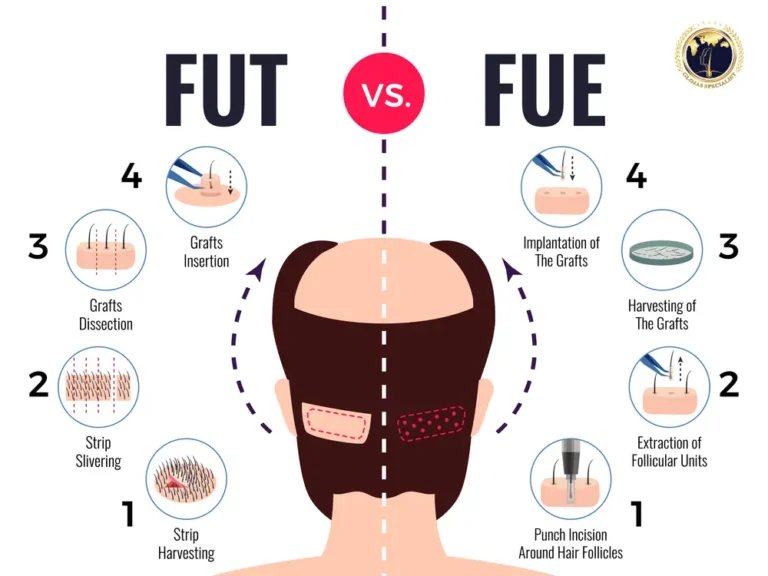
    A hair transplant surgically moves healthy hair follicles from a donor area (usually the back of the scalp) to thinning or bald regions. Common techniques include FUE (Follicular Unit Extraction) and FUT (Follicular Unit Transplantation). Transplants create real growing hair, but they require donor availability, downtime, and a higher budget.

    Many people research transplants first, then discover SMP as a non-surgical alternative — or as a way to camouflage transplant scars later. That is why the comparison of scalp micropigmentation vs hair transplant shows up so often in Google searches.

    Scalp Micropigmentation vs Hair Transplant: Side-by-Side

    1. How Results Look

    • SMP: Creates the illusion of density or a closely shaved head. Results are immediate and highly customizable for hairline shape and density.
    • Hair transplant: Produces real hair that grows. Final density and coverage depend on graft count and donor quality, and full results take months.

    2. Invasiveness and Downtime

    • SMP: Minimally invasive. Most clients return to normal activities quickly, with aftercare focused on keeping the scalp clean and protected.
    • Hair transplant: Surgical. Expect swelling, scabbing, activity limits, and a longer healing timeline.

    Proper healing still matters for SMP. Follow a proven routine like the one in our scalp micropigmentation aftercare guide to protect pigment and longevity.

    Benefits of scalp micropigmentation compared with hair transplant surgery
    SMP offers natural-looking density with far less downtime than surgical hair restoration.

    3. Cost Comparison

    Cost varies by city and clinic, but general ranges look like this:

    • Scalp micropigmentation: Often a few thousand dollars for a full treatment plan (multiple sessions).
    • Hair transplant: Frequently several thousand to well over ten thousand dollars, depending on graft count and surgeon.

    When people weigh scalp micropigmentation vs hair transplant on budget alone, SMP usually wins. That said, cost should never be the only factor — the right treatment is the one that matches your goals and scalp condition.

    4. Longevity and Maintenance

    • SMP: Semi-permanent. Pigment can last several years and may need a touch-up as skin renews and sun exposure fades color.
    • Hair transplant: Permanent growing hair in transplanted areas, though surrounding native hair can still thin over time, which may create an uneven look later.

    5. Who Is a Better Candidate?

    SMP may be ideal if you:

    • Want a sharp buzz-cut or shadowed density look
    • Have limited donor hair for transplant
    • Prefer a non-surgical option with minimal downtime
    • Need scar camouflage after FUE/FUT
    • Want predictable, styled hairline control

    A hair transplant may be ideal if you:

    • Want real hair length and styling flexibility
    • Have strong donor density
    • Are comfortable with surgery, healing time, and higher cost
    • Prefer growing hair rather than a pigmented follicle effect

    Common Myths When Comparing Both Treatments

    Myth: “SMP always looks fake.”
    Modern SMP, done with medical-grade pigment and precise depth control, can look remarkably natural — especially when the hairline softens correctly and density matches skin tone. Poor technique causes unnatural results, which is why choosing an experienced artist matters. Learn how to avoid common pitfalls in our article on scalp micropigmentation regrets.

    Myth: “A transplant fixes everything forever.”
    Transplants move existing follicles; they do not stop future hair loss. Many transplant patients later use SMP for density blending or scar coverage.

    Myth: “You must choose only one.”
    Some clients combine both. Transplant for growth where possible, then SMP for density fill or scar camouflage. The debate around scalp micropigmentation vs hair transplant is not always either/or.

    How to Decide: A Simple Framework

    1. Define your goal. Do you want growing hair, or a crisp low-maintenance look?
    2. Assess your donor area. Weak donor supply often points toward SMP.
    3. Weigh downtime. Busy schedules usually favor SMP.
    4. Set a realistic budget. Include sessions, aftercare, and possible touch-ups.
    5. Review healed results. Look at before-and-after photos from the actual clinic you are considering.

    For local clients comparing options in Arizona, see how AzScalpDoctor approaches natural results in our Arizona scalp micropigmentation guide.

    Why Many Clients in Mesa Choose SMP First

    At AzScalpDoctor, clients often start with SMP because it delivers visible transformation quickly, works for men and women, and does not require surgery. Francisco, our master SMP artist, designs hairlines and density patterns that fit your face shape, lifestyle, and Norwood pattern — whether you want a soft fade look or fuller coverage through thinning hair.

    We also serve clients who already had transplants and want scar blending or added density. That dual experience is exactly why understanding scalp micropigmentation vs hair transplant matters before you book either procedure.

    Final Takeaway

    There is no universal winner in the scalp micropigmentation vs hair transplant decision. Hair transplants grow real hair but demand surgery, donor supply, and higher cost. SMP creates a natural follicle effect with minimal downtime and strong visual impact.

    If you want a non-surgical, high-definition solution for thinning, baldness, or scars, scalp micropigmentation is often the smarter first step. Ready to compare options for your scalp? Contact AzScalpDoctor in Mesa, AZ, and schedule a consultation to see which approach fits your goals.

  • Do Hair Transplants Really Work?

    A Definitive Guide to Success, Longevity, and Results

    Introduction

    Hair loss can affect self-confidence, professional image, and overall well-being. As more people seek long-term solutions, hair transplants remain one of the most effective medical procedures available today. But many still ask: do hair transplants really work?

    The short answer is yes. When performed by a skilled and certified specialist, hair transplants provide natural-looking, permanent results that last for decades. In this guide, we’ll uncover everything you need to know — from how the procedure works to recovery, longevity, and real-world success rates — based on the clinical experience of AZ Scalp Doctor specialists.


    How Hair Transplants Work

    Do Hair Transplants Really Work? Definitive Guide to Success

    Hair transplant surgery involves moving healthy, DHT-resistant follicles from the back or sides of the scalp (the donor area) to areas affected by baldness (the recipient zone). These transplanted follicles are genetically programmed to continue growing permanently.

    There are two leading techniques:

    1. Follicular Unit Transplantation (FUT)

    • A thin strip of scalp is removed from the donor area and divided into grafts.
    • Allows for large graft numbers per session, making it ideal for extensive hair loss.
    • May leave a fine linear scar hidden by surrounding hair.

    2. Follicular Unit Excision (FUE)

    • Individual follicles are extracted using micro-punch tools.
    • Minimal scarring and faster recovery, perfect for patients who prefer short hairstyles.
    • Slightly lower graft yield per session but improving with modern robotics and precision tools.

    Learn more about our FUE vs FUT Techniques


    Do Hair Transplants Really Work?

    Absolutely. Modern transplant methods deliver up to 90–95 % graft survival when performed under sterile conditions by licensed specialists. Studies and patient follow-ups confirm that transplanted follicles retain their natural resistance to hair loss hormones (DHT) and continue to grow permanently.

    Most patients see visible results between 3 and 6 months, with full density appearing around 12 months. However, results vary depending on scalp condition, lifestyle, and adherence to aftercare guidelines.


    Comparing FUE vs FUT

    CriteriaFUEFUT
    ScarringTiny dot scars (virtually invisible)Thin linear scar (easily hidden)
    Recovery Time3–7 days10–14 days
    Pain/DiscomfortMinimalMild tension possible
    Graft QuantityModerate (ideal for small / medium areas)High (best for extensive cases)
    Recommended ForShort hairstyles, quick recoveryLarge-scale restoration

    Both techniques deliver outstanding outcomes when matched correctly to the patient’s hair type, pattern, and goals.


    What to Expect After Surgery

    1–2 Weeks: mild redness, swelling, and scabbing around grafts. Healing occurs quickly with proper care.
    2–8 Weeks: temporary shedding phase — transplanted hairs fall out before new growth begins.
    3–4 Months: first signs of regrowth appear; thin, soft hairs start emerging.
    6–9 Months: noticeable thickening and volume increase.
    10–18 Months: final, mature results with natural density and direction.

    Read our Post-Transplant Aftercare Guide


    Longevity & Maintenance

    Transplanted follicles are permanent. They continue to grow just like natural hair for a lifetime. However, non-transplanted hair may still thin with age. To maintain the best overall look, experts at AZ Scalp Doctor recommend:

    • Medications: Minoxidil or Finasteride (under supervision)
    • PRP Therapy: Platelet-rich plasma to boost graft survival
    • Healthy lifestyle: Nutrition, exercise, and scalp hygiene

    Who Is the Ideal Candidate?

    You’re a good candidate for hair transplant surgery if you:

    • Have stable pattern hair loss
    • Possess sufficient donor-area density
    • Maintain overall good health
    • Understand the gradual nature of results

    Those with advanced diffuse thinning or ongoing medical hair loss should stabilize first with professional treatment plans.

    Book a Consultation with AZ Scalp Doctor


    Enhancing Results with Combination Therapy

    Modern clinics now combine surgical and non-surgical methods for optimal outcomes.

    • Finasteride / Minoxidil: Protect existing hair from future thinning.
    • PRP: Strengthens newly transplanted follicles.
    • Low-Level Laser Therapy (LLLT): Increases blood flow and recovery speed.

    Integrating these methods ensures both transplanted and native hair remain dense and healthy.


    Potential Risks & How to Avoid Them

    When performed by certified surgeons, complications are rare. Still, patients should be aware of:

    • Temporary numbness or swelling
    • Mild infection risk
    • Graft failure from poor post-op care
    • Unnatural hairline design if done by inexperienced technicians

    AZ Scalp Doctor guarantees that all procedures are performed by licensed medical professionals following the highest international standards.


    Hair Transplant Industry Insights

    The global hair restoration market has surged over 60 % since 2020, driven by breakthroughs in FUE robotics and minimally invasive methods. FUE now represents over 70 % of all procedures worldwide.

    This rapid growth confirms one thing — hair transplants truly work, and modern innovations continue to make them more effective, accessible, and natural than ever.


    The Definitive Step-by-Step Journey

    Before the Procedure

    1. Scalp examination and donor analysis
    2. Hairline design based on facial proportions
    3. Medical history review and blood screening

    Day of Surgery

    • Local anesthesia administered
    • Graft extraction and implantation
    • Post-operative dressing applied

    Aftercare Timeline

    • Avoid scratching or washing aggressively for 10 days
    • Resume light activities after 3 days
    • Expect shedding by week 3 – 4
    • Begin new growth between 3 – 6 months

    Conclusion

    So — do hair transplants really work?
    Yes, and they remain the gold-standard solution for permanent hair restoration. When performed by experts, the transplanted hair grows naturally, matches existing texture, and lasts a lifetime.

    For anyone struggling with hair loss, this procedure doesn’t just restore hair — it restores confidence, personality, and self-esteem.

    Schedule Your Free Assessment Today

    Our Location : Az Scalp Doctor Arizona

  • Scalp Micropigmentation Scar Camouflage Concealing Scars Naturally

    Visible scalp scars — whether from a hair transplant, accident, or surgery — can leave more than just a mark on your skin. They often leave a mark on your confidence too. Many people struggle to hide these scars with hairstyles, concealers, or hats, only to feel frustrated when nothing truly works. That’s where Scalp Micropigmentation Scar Camouflage (SMP-SC) comes in. This innovative, non-surgical procedure uses micro-dots of pigment to blend scars seamlessly with your natural scalp tone, creating the appearance of real hair follicles.

    Scalp Micropigmentation Scar Camouflage Expert SMP Solution

    At AzScalpDoctor, we specialize in restoring confidence by transforming visible scars into invisible stories. This complete guide explains how scalp micropigmentation scar camouflage works, who it’s for, how much it costs, and what to expect before and after treatment.


    What Is Scalp Micropigmentation Scar Camouflage?

    Scalp Micropigmentation Scar Camouflage (SMP-SC) is a cosmetic treatment that conceals scalp scars using natural-looking pigment deposits. The process replicates the look of tiny hair follicles to make scars virtually disappear, even under close inspection.

    Unlike tattooing, SMP uses specialized pigments formulated to stay true in color and mimic natural follicle texture. It’s safe for all skin tones, and it can be used on shaved heads, thinning hair, or areas where scarring disrupted natural growth.

    How it differs from regular SMP:
    While traditional scalp micropigmentation targets baldness or density enhancement, scar camouflage specifically focuses on covering scar tissue — an area with unique texture and color. Special care is required because scar skin absorbs pigment differently from normal scalp skin.

    SMP scar camouflage is ideal for:

    • Hair transplant scars (FUT or FUE)
    • Injury or burn scars
    • Surgical incision marks
    • Alopecia-related scarring

    Types of Scars Treatable with Scalp Micropigmentation

    Different scars respond differently to SMP. Understanding the scar type helps determine the technique and pigment approach used by your specialist.

    1. FUT (Strip) Hair Transplant Scars

    Follicular Unit Transplantation (FUT) often leaves a long, horizontal scar at the back of the head where a strip of skin was removed. SMP fills the scar with micro-dots that replicate hair follicles, visually breaking up the white line and blending it with the surrounding scalp.

    2. FUE (Dot) Hair Transplant Scars

    Follicular Unit Extraction (FUE) leaves multiple small circular scars across the donor area. Though less noticeable than FUT, they can still create visible contrast on short haircuts. SMP reduces that contrast, creating a smooth, uniform tone.

    3. Trauma or Surgical Scars

    Accidents, burns, or scalp surgeries can leave irregularly shaped scars. SMP’s micro-layering technique helps disguise discoloration and restores a more even, natural look.

    4. Alopecia and Medical Scarring

    People with alopecia or skin conditions may have patchy pigmentation or uneven scalp texture. SMP evens out those variations, reducing visible contrast and improving overall scalp appearance.

    Pro tip: Always consult a certified SMP technician experienced with scar tissue. Scarred skin absorbs pigment differently, requiring careful adjustment in depth and density.


    How Scalp Micropigmentation Scar Camouflage Works

    The SMP process is highly precise, requiring both technical skill and artistry. Each treatment plan is customized based on scar type, scalp tone, and desired density.

    Step 1 – Consultation and Assessment

    Every treatment begins with a detailed consultation. The technician examines your scar’s color, size, and depth to determine the right approach. At AzScalpDoctor, we create a digital preview to simulate what your results will look like after healing.

    Step 2 – Pigment Selection and Patch Testing

    A custom pigment blend is mixed to match your natural hair follicle color and skin undertone. A patch test ensures that the pigment is safe and stable on your skin before the full procedure begins.

    Step 3 – Micropigmentation Process

    Using a micro-needle, the technician deposits pigment dots just below the skin’s surface. Each micro-dot replicates a natural follicle.
    In scar camouflage, the goal is to break up the lighter color of the scar and blend it with surrounding tissue. Multiple layers are applied in sessions to create a gradual, realistic effect.

    Step 4 – Healing and Refinement Sessions

    Scar tissue often requires 2–3 sessions spaced over several weeks. Each visit builds density and refines tone for a perfect match.
    After each session, you’ll receive specific aftercare instructions to ensure optimal healing and pigment retention.


    Benefits of Scalp Micropigmentation Scar Camouflage

    1. Instantly Reduces Scar Visibility

    SMP pigments disguise scars almost immediately, creating a uniform tone that makes them nearly impossible to detect.

    2. Non-Surgical and Safe

    There are no incisions, stitches, or anesthesia. Recovery is minimal, with most clients resuming normal activities within 24–48 hours.

    3. Natural and Long-Lasting Results

    When performed by professionals, SMP lasts between 3–5 years. It fades gradually and naturally, maintaining realistic results over time.

    4. Suitable for All Skin and Hair Types

    From light to dark complexions, SMP pigment shades can be customized for every individual. It’s equally effective for men and women.

    5. Confidence Restored

    Many clients report immediate emotional improvement. They can finally wear short hairstyles or go swimming without worrying about visible scars.

    “After SMP, my transplant scar completely vanished. I finally feel confident with a short fade again.” – David, AzScalpDoctor Client


    Why Choose SMP Over Other Scar Treatments

    TreatmentInvasivenessDowntimeRisk LevelResult Longevity
    SMP Scar CamouflageNon-surgical1–3 daysLow3–5 years
    Laser ResurfacingModerate1–2 weeksMediumVariable
    Scar Revision SurgerySurgical2–4 weeksHighPermanent but risky
    Makeup/ConcealerNon-surgicalNoneNoneDaily re-application

    SMP offers the best balance between effectiveness, safety, and cost. It achieves what creams and lasers can’t — instant visual camouflage that looks like natural hair follicles.


    Cost of Scalp Micropigmentation Scar Camouflage

    The cost depends on several factors:

    • Size and location of the scar
    • Number of sessions required
    • Technician’s expertise

    On average, scar camouflage ranges between $300 and $1,000 per session. Most clients need 2–3 sessions for complete blending.

    While cheaper clinics exist, they often use low-quality pigments or inexperienced artists — leading to fading or discoloration.
    AzScalpDoctor offers transparent pricing, free consultations, and pigment quality guaranteed to stay true in color.


    Aftercare and Healing Tips

    Proper aftercare determines how well your SMP heals and how long the results last.

    Immediate Aftercare (First 5 Days)

    • Avoid sweating, swimming, and hot showers.
    • Do not touch, scratch, or wash the area.
    • Sleep on a clean pillowcase to prevent irritation.

    Mid-Healing (Day 6–10)

    • Wash gently with antibacterial soap and lukewarm water.
    • Apply a light moisturizer to avoid dryness and flaking.
    • Let scabs fall off naturally — never pick them.

    Long-Term Maintenance

    • Use sunscreen (SPF 50+) when outdoors to prevent pigment fading.
    • Moisturize daily to keep scalp skin healthy.
    • Schedule touch-ups every 2–3 years to maintain pigment intensity.

    Scalp Micropigmentation Aftercare Tips


    Real-Life Results: Before and After SMP Scar Camouflage

    Visual results are often stunning. Once healed, scars blend seamlessly with surrounding hair follicles.

    At AzScalpDoctor, before-and-after photos consistently show 90–100% reduction in scar visibility.
    Clients who once felt forced to hide scars with hats or hairpieces often leave the clinic smiling — finally free to wear any hairstyle they like.

    “I had an old FUT transplant scar that bothered me for years. After two sessions, I couldn’t even find it in the mirror.” – James, 42


    Is Scalp Micropigmentation Scar Camouflage Right for You?

    Ideal Candidates

    • Hair transplant patients with visible scars
    • Individuals with scalp injuries or surgical scars
    • Clients with alopecia-related scarring
    • People with stable, healed scar tissue

    Who Should Avoid SMP

    • Those with open wounds, infections, or active psoriasis
    • People allergic to pigment ingredients (unless patch-tested)
    • Patients on medications that affect healing or pigmentation

    Contact Us for Free Consultation


    Why Choose AzScalpDoctor for SMP Scar Camouflage

    At AzScalpDoctor, we are more than practitioners — we are restoration artists dedicated to precision, safety, and aesthetics.

    1. Certified SMP Specialists

    Our practitioners are certified in advanced scar camouflage and skin-tone matching.

    2. Medical-Grade Pigments and Equipment

    We use top-tier pigments that remain color-true and safe for all skin types.

    3. Customized Color Blending

    Every pigment mix is designed to match your natural follicle shade and skin undertone perfectly.

    4. Private, Confidential Consultations

    We understand the sensitivity around scars and hair loss. All consultations are confidential and supportive.

    5. Proven Track Record

    Hundreds of satisfied clients and before-and-after results validate our expertise.

    Call to Action:

    “Book your free SMP scar consultation today and take the first step toward regaining your confidence — permanently.”

  • What Is FUT Hair Transplant? | AZ Scalp Doctor Arizona

    FUT Hair Transplant: The Proven Strip Method for Permanent Hair Restoration

    What Is FUT Hair Transplant? | AZ Scalp Doctor Arizona

    If you’ve been researching hair restoration, you’ve probably seen the term FUT Hair Transplant or heard people ask, “What is FUT?”

    FUT stands for Follicular Unit Transplantation — one of the most reliable and widely used hair-transplant techniques in modern medicine. At AZ Scalp Doctor, Arizona’s trusted hair-restoration clinic, we specialize in FUT for patients who need high-density coverage and lasting results.

    In this guide, we’ll explain everything about what FUT is, how it works, the benefits, recovery timeline, cost, and how it compares to other methods such as FUE Hair Transplant.

    What Is Scalp Micropigmentation by AzScalpDoctor


    What Is FUT Hair Transplant?

    The FUT technique, often called the strip method, involves removing a narrow strip of skin from the back of the scalp (the donor area). This strip is then carefully dissected under a microscope to isolate individual follicular units — tiny, naturally occurring hair groups of one to four hairs.

    These grafts are then implanted into areas experiencing hair thinning or baldness, typically at the frontal hairline or crown.

    Unlike older “plug” techniques, FUT Hair Transplant produces smooth, natural hairlines and uniform growth patterns. The donor area heals with a fine linear scar that’s easily concealed beneath surrounding hair.

    “FUT remains one of the most effective and scientifically validated hair-transplant methods for patients seeking high density and long-term coverage.” — AZ Scalp Doctor Team


    How FUT Hair Transplant Works Step-by-Step

    Every FUT procedure at AZ Scalp Doctor follows a meticulous, patient-centered protocol to ensure the highest graft survival and natural aesthetics.

    Step 1 – Personalized Consultation

    • A comprehensive scalp evaluation identifies the extent of hair loss, donor density, and scalp flexibility.
    • We design a customized treatment plan, including graft count and target areas.

    Step 2 – Donor Strip Extraction

    • Under local anesthesia, a thin strip (1–1.5 cm wide) is removed from the donor area.
    • The incision is closed with advanced suturing for minimal scarring.

    Step 3 – Microscopic Graft Dissection

    • Our technicians use high-power microscopes to separate follicular units without damaging roots.
    • This ensures grafts remain intact and viable for re-implantation.

    Step 4 – Recipient-Site Creation and Implantation

    • Tiny incisions are made following the natural direction of your hair.
    • Each graft is inserted precisely for even density and natural alignment.

    Step 5 – Recovery and Growth

    • Most patients resume non-strenuous activities within a few days.
    • Full results develop gradually, with noticeable density after 9–12 months.

    Benefits of FUT Hair Transplant

    1. High Graft Yield: FUT can harvest thousands of grafts in a single session — ideal for extensive hair loss.
    2. Cost-Effective: Per-graft pricing is generally lower than FUE, making it budget-friendly for large areas.
    3. Excellent Survival Rate: Grafts dissected under magnification have high success rates.
    4. Permanent & Natural: Results blend seamlessly with your existing hair.
    5. Proven & Trusted: FUT has been a medical standard for over two decades.

    At AZ Scalp Doctor, we combine advanced closure techniques with artistry to ensure your FUT results look effortless.


    FUT vs FUE: Key Differences

    FeatureFUT (Follicular Unit Transplantation)FUE (Follicular Unit Extraction)
    Donor MethodThin strip of scalpIndividual follicles
    ScarringLinear (hidden under hair)Micro-dot
    Healing10–14 days3–5 days
    Graft VolumeHigher per sessionModerate
    CostLower per graftSlightly higher
    Ideal ForLarge hair-loss areasSmall or moderate cases

    If you’re unsure which option suits you best, AZ Scalp Doctor provides detailed scalp analysis to determine whether FUT or FUE offers the best outcome.

    Learn About Follicular Unit Hair Transplant


    Who Should Consider FUT Hair Transplant

    You may be a good candidate if you:

    • Have significant hair loss requiring thousands of grafts
    • Possess good donor density and scalp elasticity
    • Don’t mind maintaining a slightly longer hairstyle
    • Prefer maximum density in fewer sessions

    FUT Hair Transplant Results and Timeline

    TimeframeWhat Happens
    1–2 WeeksSutures removed; mild redness subsides
    2–3 Months“Shock loss” — transplanted hairs shed (normal)
    4–6 MonthsNew follicles start growing
    9–12 MonthsFull density and permanent coverage achieved

    Our Arizona patients love the gradual, natural transformation that comes with FUT.


    FUT Hair Transplant Cost in Arizona

    Pricing depends on graft count and case complexity, but average rates at AZ Scalp Doctor range between $3,000 – $7,500 per session.
    We offer transparent estimates, flexible financing, and combination FUT + FUE packages.


    Recovery & Aftercare Tips

    • Keep the scalp dry for the first 48 hours.
    • Avoid heavy workouts for 10 days.
    • Sleep with head elevated to reduce swelling.
    • Use prescribed shampoo and medications.
    • Attend follow-up appointments to remove sutures and monitor growth.

    FUT Hair Transplant FAQ

    1. Is FUT still used today?
    Absolutely. FUT remains ideal for patients who need dense restoration.

    2. Will FUT leave a scar?
    A fine linear scar remains but is hidden beneath surrounding hair.

    3. How painful is FUT?
    Local anesthesia makes the procedure painless; mild tightness may occur briefly.

    4. When will new hair grow?
    Visible growth begins at 3–4 months, full results by 12 months.

    5. Can FUT and FUE be combined?
    Yes, hybrid techniques are common at AZ Scalp Doctor for maximum graft yield.


    Why Choose AZ Scalp Doctor for FUT in Arizona

    • Board-certified hair-restoration expert
    • Modern surgical technology and sterile environment
    • 95 %+ graft-survival rate
    • Personalized care and transparent pricing
    • 5-Star patient satisfaction

    “We’re not just restoring hair — we’re restoring confidence.”


    Schedule Your FUT Consultation

    Ready to discover if FUT is right for you?
    📅 Book your consultation at AZ Scalp Doctor today and take the first step toward thicker, natural hair.

    our Location : Google Maps

    1061 N Dobson Rd Ste 107,
    MESA, AZ 85201

  • Scalp Micropigmentation vs Hair Transplant — Which One Is Right for You?

    Understanding the Difference Between Scalp Micropigmentation and Hair Transplant

    Hair loss affects millions of men and women around the world, leading not only to physical changes but also to emotional stress and confidence issues. Today, two of the most effective hair restoration solutions are Scalp Micropigmentation (SMP) and Hair Transplant.

    As specialists at AZScalpDoctor, we’ve helped hundreds of clients regain confidence through both methods. In this article, we’ll compare Scalp Micropigmentation vs Hair Transplant—so you can make an informed, confident decision for your appearance and lifestyle.


    What Is Scalp Micropigmentation (SMP)?

    Scalp Micropigmentation is a non-surgical cosmetic procedure that uses micro-needles to deposit natural pigments into the upper dermal layer of the scalp. These pigments replicate the look of tiny hair follicles, creating the illusion of natural density or a clean, shaved-head style.

    Why clients choose SMP

    • Instant visual improvement after the first session.
    • No surgery, no downtime.
    • Ideal for all genders, skin tones, and hair colors.
    • Perfect for camouflaging scars or enhancing density after hair transplant.

    Unlike topical products or temporary concealers, SMP delivers long-lasting, realistic results. The color remains stable for several years before minor touch-ups are needed.

    Read More: What Is Scalp Micropigmentation by AzScalpDoctor


    What Is a Hair Transplant?

    A hair transplant is a surgical procedure in which hair follicles are extracted from a donor area (typically the back of the scalp) and transplanted to thinning or bald zones. The two main methods are:

    • FUE (Follicular Unit Extraction) – individual grafts harvested with micro-punch tools.
    • FUT (Follicular Unit Transplant) – a strip of scalp removed and dissected into grafts.

    Hair transplants provide real hair growth, but the process involves anesthesia, surgical skill, and recovery time. Full results can take 12–18 months as transplanted hair grows naturally.


    Scalp Micropigmentation vs Hair Transplant: A Detailed Comparison

    The keyword Scalp Micropigmentation vs Hair Transplant often leads searchers to this very question: Which one is better for me? Let’s compare them side-by-side.

    CriteriaScalp Micropigmentation (SMP)Hair Transplant
    TypeNon-surgical pigmentationSurgical graft relocation
    Recovery Time1–2 days2–3 weeks
    Results VisibleImmediately6–12 months
    Longevity3–5 years (with touch-ups)Permanent (may require additional sessions)
    Cost (Average)Lower – depends on coverage areaHigher – depends on graft count
    Risk LevelMinimalSurgical risks (infection, scarring)
    Ideal ForDiffuse thinning, scars, complete baldnessPatients with sufficient donor hair

    Both options have proven success—but your lifestyle, budget, and expectations play a major role in determining which fits best.


    Recovery and Downtime

    SMP requires virtually no downtime. Most clients return to work the next day. Mild redness fades within 24 hours, and aftercare mainly involves avoiding heavy sweating and sun exposure for a few days. Scalp Micropigmentation Aftercare Tips

    Hair Transplant, however, involves surgical healing. Scabs, minor swelling, and sensitivity may last a week. Proper washing, antibiotics, and rest are critical to avoid infection and ensure graft survival.


    Cost Comparison and Value

    The cost of Scalp Micropigmentation vs Hair Transplant differs significantly:

    • SMP typically ranges from $800 to $3,500 USD, depending on scalp size and density desired.
    • Hair Transplants cost between $3,000 and $10,000 USD, depending on graft numbers and surgeon expertise.

    While transplants grow real hair, SMP offers an affordable, immediate, and scar-free alternative—especially for those not medically suitable for surgery.


    Realistic Results and Aesthetic Goals

    SMP instantly creates the look of fuller hair or a clean buzz-cut style. It’s especially popular among clients who prefer a youthful, low-maintenance look.

    Hair Transplants restore actual strands, offering styling freedom—but require patience for growth and potential follow-up procedures.


    Pros and Cons of Each Treatment

    ✅ Advantages of Scalp Micropigmentation

    • Non-invasive and safe.
    • Immediate confidence boost.
    • Conceals scars or uneven patches.
    • No risk of donor hair depletion.
    • Great option for both men and women.

    ✅ Advantages of Hair Transplant

    • Uses your real hair for permanent coverage.
    • Suitable for mild to moderate balding patterns.
    • Allows styling and trimming naturally.

    ⚠️ Limitations to Consider

    • SMP doesn’t restore actual hair growth.
    • Hair Transplants require donor hair and surgical downtime.
    • SMP may need touch-ups; transplants may require maintenance if hair loss continues.

    Which Treatment Is Right for You?

    Choosing between Scalp Micropigmentation vs Hair Transplant depends on your personal goals, hair loss stage, and medical suitability.

    • If you have advanced baldness or thin donor hair, SMP offers a guaranteed aesthetic improvement.
    • If you have moderate thinning with good donor density, a transplant might be ideal for long-term regrowth.
    • Many clients choose both: SMP to enhance density and cover transplant scars.

    Combining SMP and Hair Transplant — The Hybrid Approach

    Did you know that these two treatments can work together? SMP can:

    • Fill in sparse areas after a hair transplant.
    • Camouflage donor scars.
    • Add perceived density to existing thin hair.

    When combined strategically, SMP enhances the visual density of transplanted hair, delivering unmatched natural results.


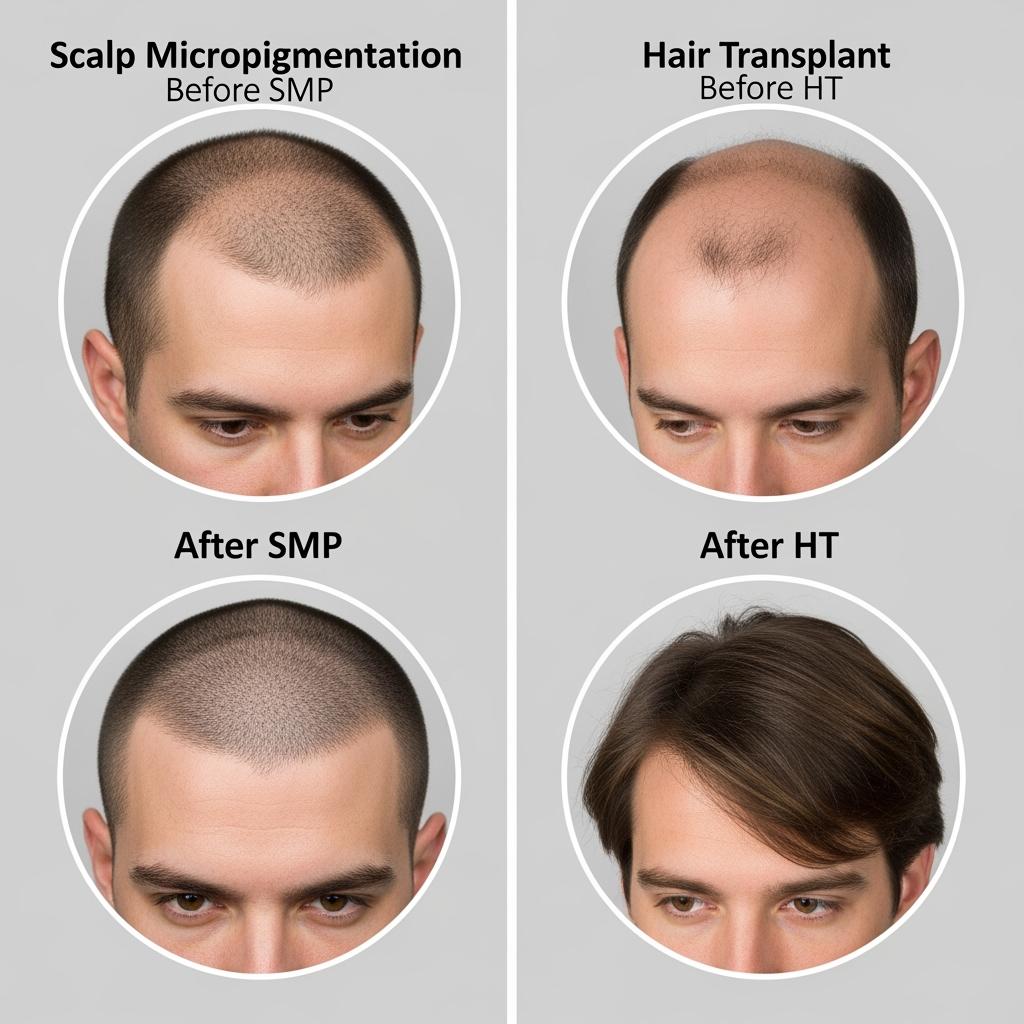
    Before and After: Real Transformations

    Scalp Micropigmentation vs Hair Transplant before and after

    At AZScalpDoctor, we believe results speak louder than words. Our before-and-after gallery showcases:

    • SMP density restorations.
    • Hair transplant regrowth journeys.
    • Hybrid transformations (SMP + Transplant).

    Each transformation is unique—because every scalp, lifestyle, and goal is different.

    (Use optimized image alt tags like “Scalp Micropigmentation vs Hair Transplant before and after”)


    Consultation and Cost Transparency

    We pride ourselves on transparent pricing and honest recommendations.

    • Free initial consultation.
    • Customized cost based on hair loss pattern, density goals, and treatment plan.
    • No hidden fees, no pressure.

    Ready to transform your confidence?
    👉 Schedule your consultation with AZScalpDoctor today.


    Frequently Asked Questions (FAQ)

    1. How long does Scalp Micropigmentation last?
    Typically 3–5 years, with simple touch-ups to maintain color vibrancy.

    2. Can I combine SMP and Hair Transplant?
    Yes — many patients enhance density or cover transplant scars using SMP.

    3. Which looks more natural?
    Both can look natural if performed by experienced professionals. SMP provides instant density; transplants provide real growth.

    4. Is SMP painful?
    Most clients describe mild discomfort, much less than tattooing.

    5. How soon can I go back to work after each treatment?
    SMP: within 24 hours. Hair Transplant: usually within 5–7 days.

    6. What’s the average cost difference?
    SMP costs less (average $1–3k) than transplants ($4–10k).


    Conclusion — Expert Care, Real Confidence

    Whether you choose Scalp Micropigmentation or a Hair Transplant, your goal remains the same: confidence and natural appearance.

    At AZScalpDoctor, our mission is to guide you toward the safest, most effective solution for your unique condition.
    Our treatments are built on science, precision, and compassion — because restoring your hair means restoring your self-belief.

    Your new look starts here. Let’s make it happen. visit us at Google