Tag: arizona

  • Castor Oil for Hair: Safer Use and Honest Limits

    Castor Oil for Hair: Safer Use and Honest Limits

    Castor oil for hair is a thick, sticky oil people use on ends or as a scalp massage experiment. It is not a guaranteed cure for genetic baldness. AzScalpDoctor covers safer use, dilution ideas, and honest limits. Studio: 1061 N Dobson Rd Ste 107, Mesa, AZ 85201. Monday–Saturday 9am–5pm. Call (480) 599-0868. Education only—not medical advice.

    Because castor oil is viscous, a little goes a long way. Heavy overnight coats often mean morning buildup.

    What castor oil can and cannot do

    Can: soften very dry ends for some people; support a short massage routine you might stick with; feel occlusive on rough tips.

    Cannot reliably: reverse male pattern baldness alone, replace prescribed therapies, or heal scalp disease. Viral “tablespoon = full head” claims oversell. See male pattern baldness and rosemary oil hair growth.

    Shaft moisture basics: cara merawat rambut kering, cara pakai masker rambut.
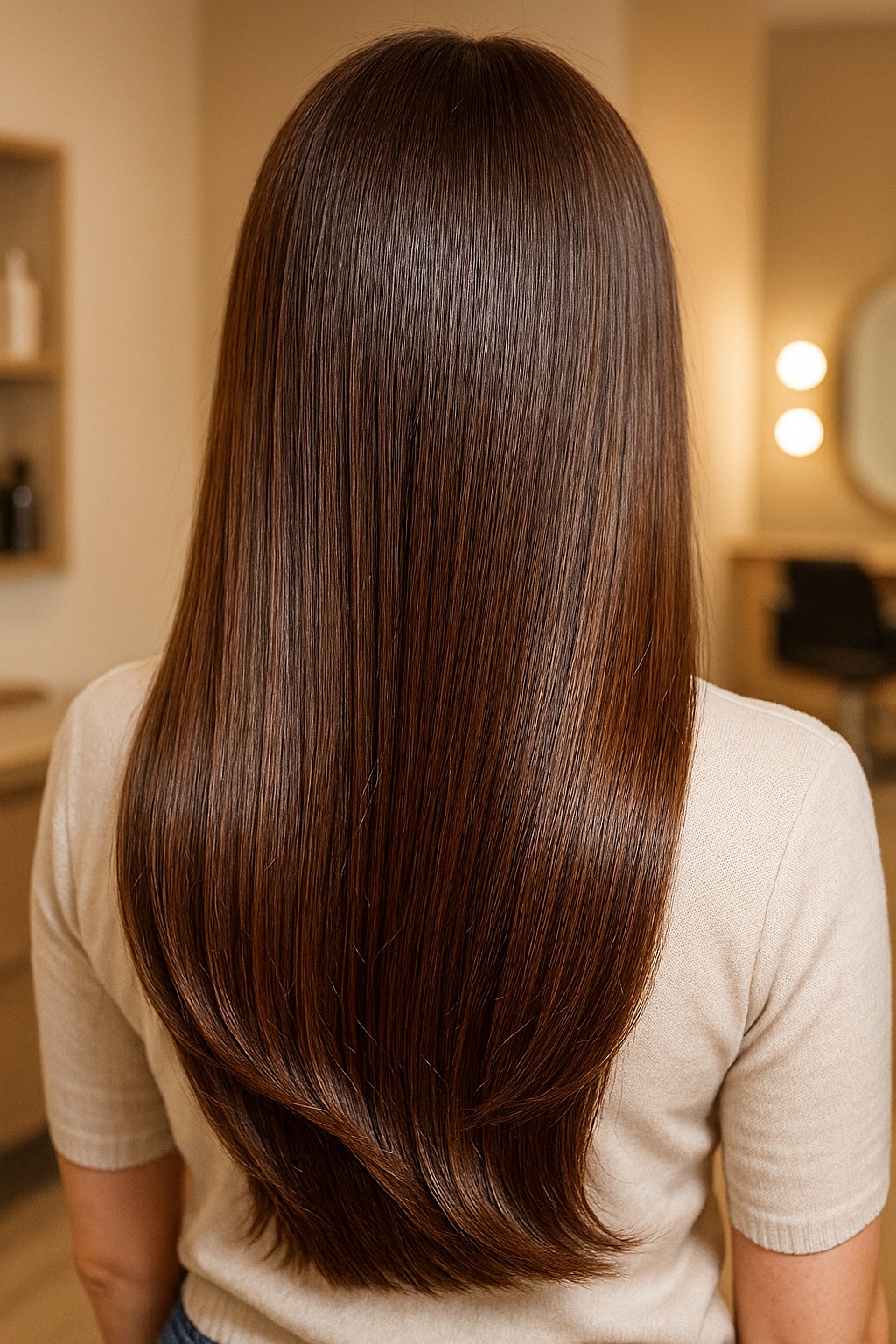
    Castor oil for hair should be used sparingly on lengths or diluted for scalp trials

    How to use castor oil for hair

    Warm a pea-sized amount between palms. Apply to mid-lengths and ends. Comb through. Leave 20–60 minutes or overnight with a cap if your hair is coarse—then shampoo thoroughly, sometimes twice.

    For scalp trials: dilute with a lighter carrier. Patch-test. Massage gently. Wash out well. Technique: cara mencuci rambut yang benar. Cleanser choice: cara memilih sampo and clarifying shampoo when residue sticks.

    Compare lighter kitchen oils: minyak kelapa untuk rambut, minyak zaitun untuk rambut.
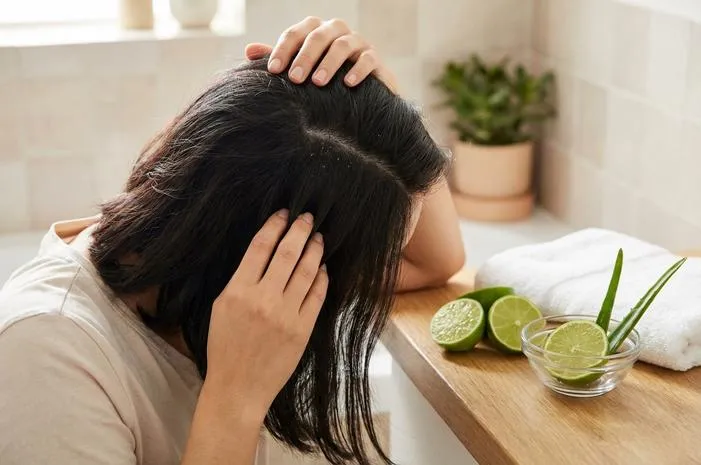
    Wash thoroughly after castor oil for hair to avoid sticky scalp buildup

    Who should be careful

    Fine or oily-rooted hair mats easily. Inflamed, itchy, or acne-prone scalps may worsen with heavy oils—oily scalp, jerawat kulit kepala, itchy scalp.

    Allergy risk: stop if redness or swelling appears. Avoid eyes. Ask a clinician before scalp experiments in pregnancy or on children.

    Do not oil over open sores or thick plaques—psoriasis kulit kepala.

    Castor oil vs real hair-loss sorting

    Telogen shed after diet or stress needs nutrition and time—rambut rontok setelah diet, postpartum hair loss. Pattern thinning needs clinical thinking—thinning hair women.

    Breakage and bleach damage are shaft problems—rambut rusak karena bleaching, split ends, heat damaged hair.

    Oil will not outwork a wrong diagnosis.

    Buildup, wash frequency, and drying

    Castor residue is stubborn. Clarify on a schedule if hair feels coated—product buildup hair. Set a wash rhythm that fits sweat and oil—how often should I wash my hair.

    After washing oil out, dry gently—cara mengeringkan rambut dengan benar. Rubbing sticky hair with a rough towel creates frizz—frizzy hair.

    Porosity notes: hair porosity.

    FAQ — castor oil for hair

    Should I use it every night?

    Usually no. Start once weekly on ends and judge feel and wash difficulty.

    Is Jamaican black castor oil better?

    Marketing varies. Thickness and cleansing discipline matter more than the label alone.

    Can it thicken edges overnight?

    Do not count on it for traction or pattern loss. Loosen styles and get evaluated.

    Do I need castor for SMP results?

    No. Pigment is cosmetic density—scalp micropigmentation—often 2 to 4 sessions.

    A cautious four-week trial

    Week 1: patch test; pea-size on ends only. Weeks 2–4: optional diluted scalp massage 1–2 times weekly with thorough wash. Photo ends and hairline in daylight.

    Stop if itch or pustules appear. Do not stack castor + rosemary + olive + coconut in one night.

    Arizona heat plus heavy oil plus workouts equals clog risk—cleanse sweat first.

    Straight fine vs curly coarse

    Fine straight hair: avoid roots—cara merawat rambut lurus. Curly coarse: ends may tolerate a bit more—cara merawat rambut keriting.

    Color-treated lengths need moisture but also clarifying discipline after sticky oils—cara merawat rambut diwarnai.

    Masks often rinse easier than pure castor for weekly moisture.

    When to see a pro

    Clinician: sudden shed, patches, pain, infection signs. Stylist: breakage map and trim plan.

    Bring a product diary. Francisco Ahumada keeps Mesa consults honest—oils are optional, not miracles.

    Call (480) 599-0868 · Ste 107 · Mon–Sat 9–5.

    Myths to drop

    “Castor regrows hairlines in seven days.” “More oil equals more growth.” “Skip shampoo so oil can work.” Hygiene still matters.

    If density cosmetics become a separate goal after medical sorting, discuss pigment with healed photos—not oil jars.

    AzScalpDoctor will not sell castor as a cure.

    Mixing castor with other oils

    Some people blend castor with jojoba or coconut to make spreading easier. Keep total volume small. One blend for two weeks beats five viral recipes in five nights.

    Essential oils add irritation risk. If you add rosemary, dilute carefully and patch-test—limits still apply.

    Never heat castor to boiling or drip onto skin that can burn.

    Edges, braids, and tension

    Castor on edges will not fix traction from tight braids or ponytails. Loosen styles first. Chronic tension needs habit change more than sticky oil.

    If bumps appear along the hairline after oily gels plus castor, stop and cleanse. Follicle irritation is not “detox.”

    Protective styles still need clean scalp days on a realistic schedule.

    Measuring progress

    Take daylight photos of ends and temples every four weeks. Note wash difficulty after oil nights. If clarifying becomes weekly only because of castor, you are using too much.

    Track shed separately from softness. Soft tips with a widening part still need pattern or telogen evaluation.

    Bring notes to any Mesa consult at Ste 107. Better notes, better triage.

    Studio expectations

    Francisco Ahumada discusses cosmetic density only after goals and skin health are clear. Pigment plans often need 2 to 4 sessions. Castor jars are unrelated to healed-dot quality.

    Sun, sweat, and hard water still shape how remaining hair feels in Arizona.

    Call (480) 599-0868 Monday–Saturday 9–5 for location education—not chat diagnosis.

    If mornings feel sticky even after two shampoos, cut the dose in half or switch to a rinse-out mask for moisture instead. Castor oil for hair should not turn every wash day into a battle.

    Keep towels you use for oil nights separate if staining bothers you. Wash them in hot cycles your fabric can handle.

    Consistency beats intensity: a pea-size routine you can cleanse beats a once-a-month scalp drowning.

    Small dose, clean rinse, clear goal

    Castor oil for hair is a heavy moisturizer experiment with cleanup costs. Use sparingly, wash well, and sort true hair-loss causes separately. AzScalpDoctor keeps Valley advice grounded.
  • Male Pattern Baldness: Patterns, Care, and Options

    Male Pattern Baldness: Patterns, Care, and Options

    Male pattern baldness—androgenetic alopecia in men—usually follows a predictable pattern: receding temples, thinning crown, or both. Genetics and androgen sensitivity shrink follicles over years. AzScalpDoctor explains patterns, realistic care, and where cosmetic options fit. Studio: 1061 N Dobson Rd Ste 107, Mesa, AZ 85201. Monday–Saturday 9am–5pm. Call (480) 599-0868. Education—not a prescription.

    This is gradual miniaturization, not the same as a short telogen shed after illness or diet shock.

    How male pattern baldness shows up

    Many men notice a higher forehead at the corners first, then vertex thinning. The Norwood scale is a common map clinicians use. Hair may get finer before the scalp is fully visible.

    Family history on either side raises likelihood. Onset can be late teens to middle age. Progression speed varies.

    Indonesian reads: rambut rontok pada pria and rambut rontok.

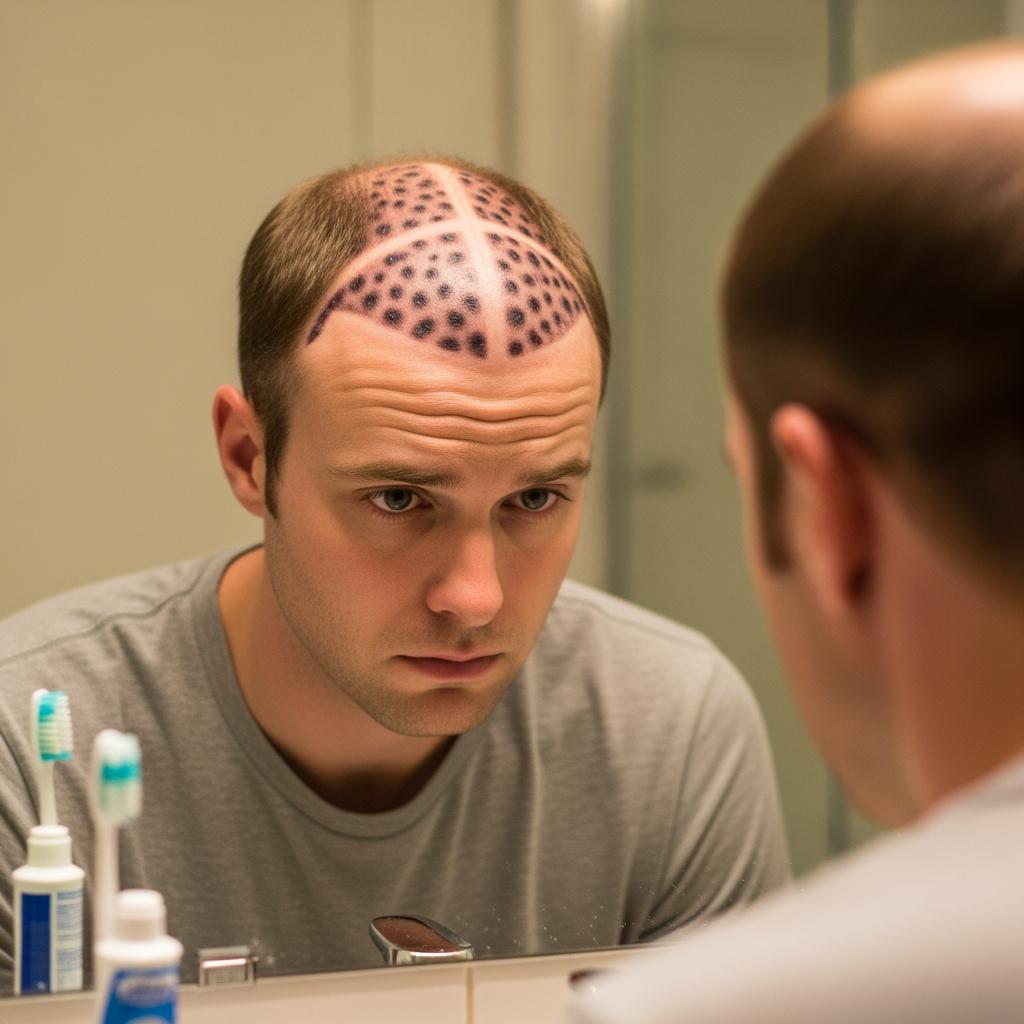
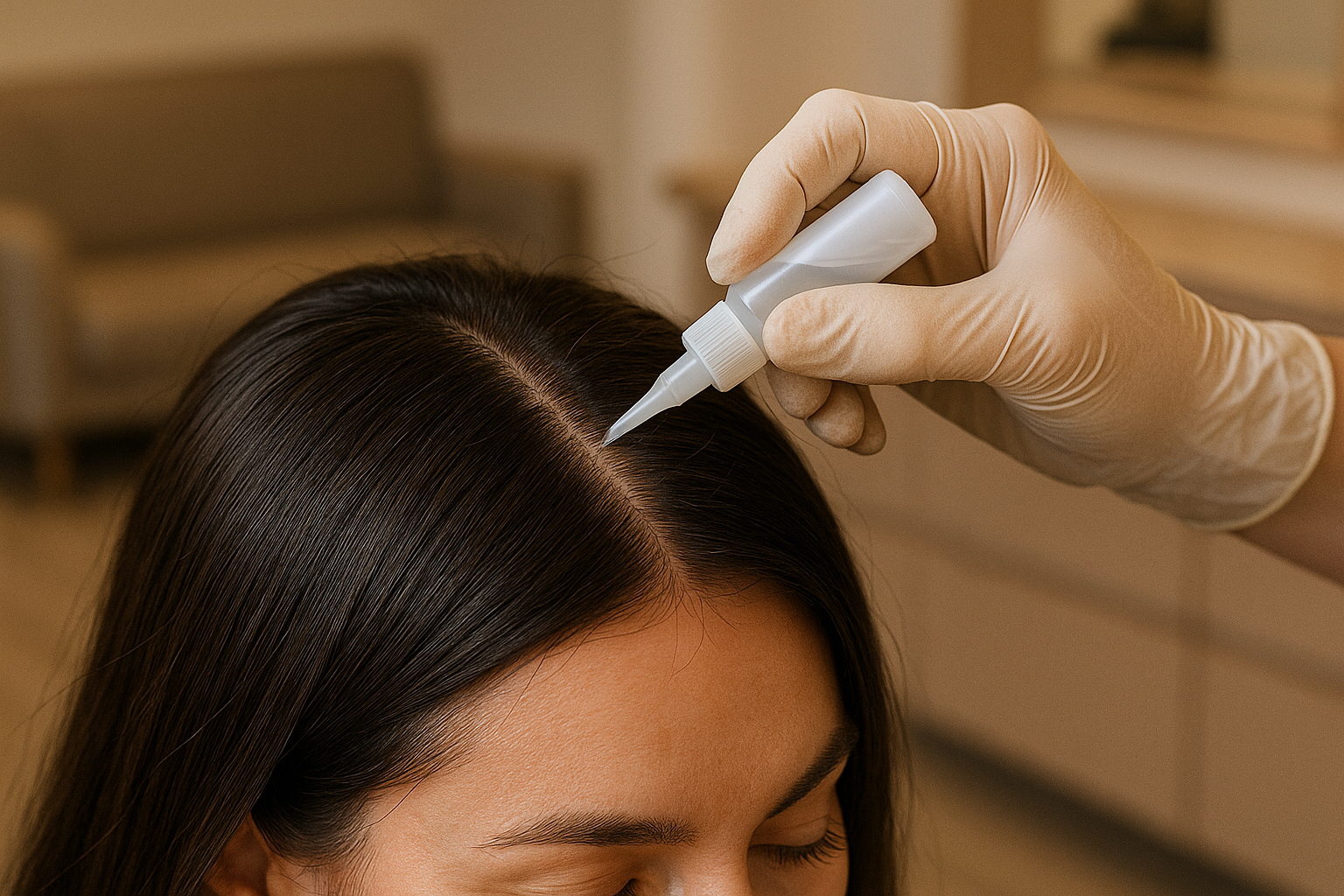
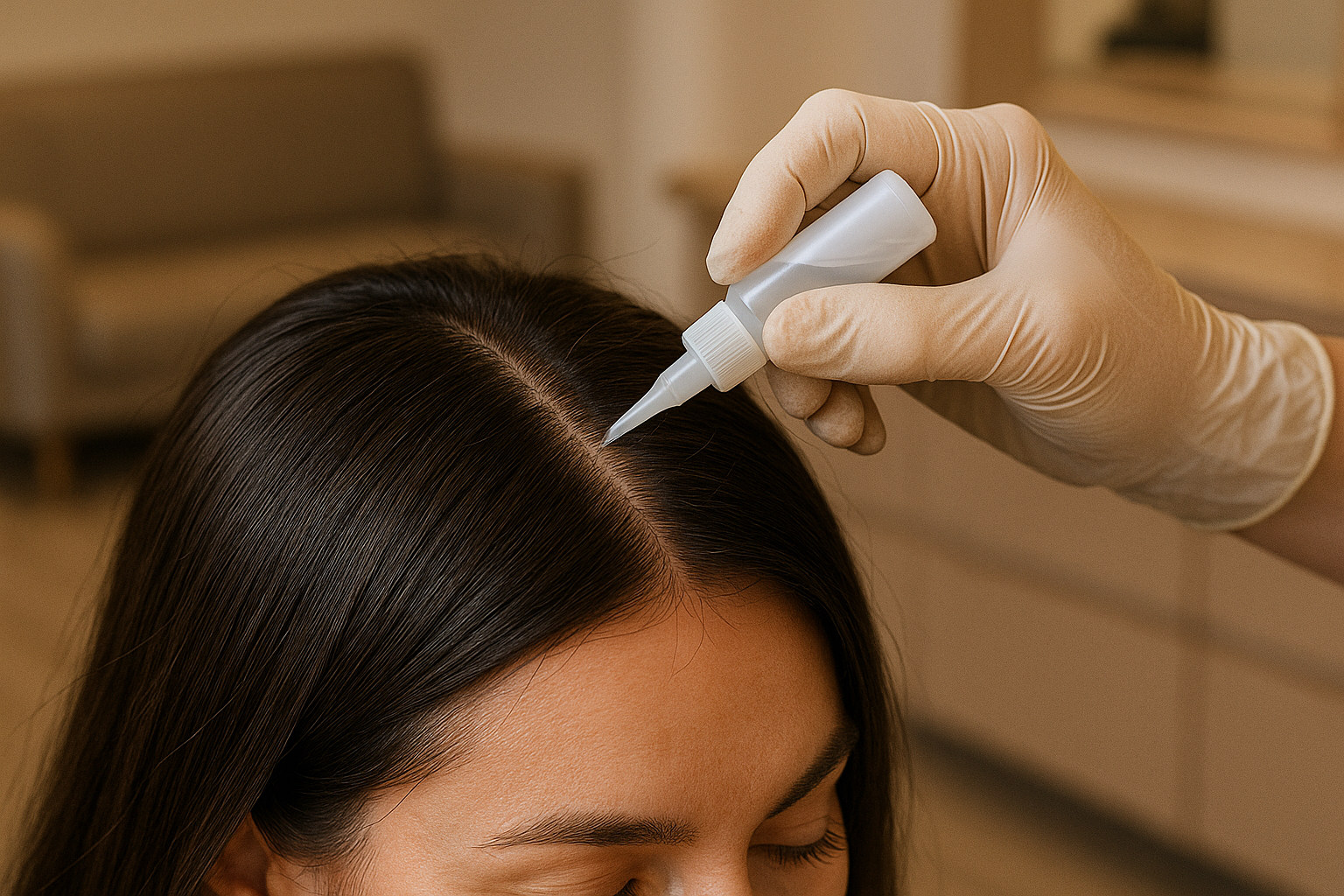
    Male pattern baldness often starts at the temples or crown with gradual thinning

    Pattern loss vs other shedding

    Telogen effluvium is diffuse and often follows a trigger months earlier—diet crash, fever, surgery. See rambut rontok setelah diet and telogen effluvium.

    Patchy bald spots suggest other diagnoses. Itchy inflamed maps need skin care—itchy scalp.

    Women’s thinning patterns differ—thinning hair women.

    Gentle scalp care supports comfort while male pattern baldness is evaluated

    Medical paths belong to clinicians

    Dermatologists may discuss topical or oral options, labs when indicated, or other therapies. This article will not prescribe doses. Self-megadosing supplements is a poor plan—biotin excess can interfere with some lab tests.

    Iron issues can coexist—rambut rontok karena zat besi. Do not assume every shed is only genetics.

    Bring photos over 6–12 months. Patterns are clearer than daily mirror panic.

    Home habits that still matter

    Gentle shampoo on the scalp. Condition lengths if dry. Less max heat. Avoid chronic tight traction styles. Wash sweat after workouts—how often should I wash my hair, cara memilih sampo.

    Oils will not reverse advanced Norwood patterns. Rosemary hype has limits—rosemary oil hair growth.

    Breakage from bleach is not pattern loss—rambut rusak karena bleaching, split ends.

    Cosmetic camouflage: SMP

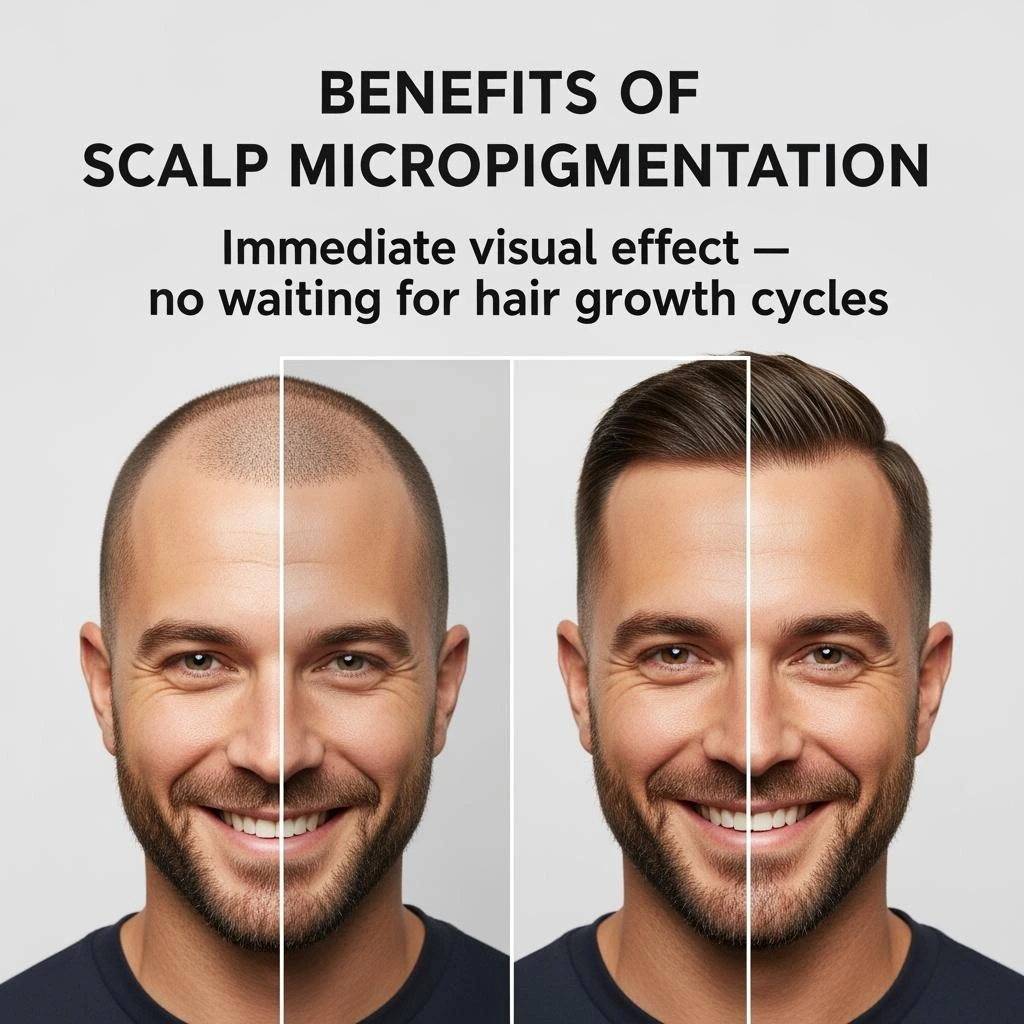
    Scalp micropigmentation can reduce the contrast of scalp show for many men when expectations are clear. It does not create new follicles. Plans usually take 2 to 4 sessions with healed-photo standards—not one-visit miracles.

    Overview: scalp micropigmentation and SMP untuk pria. Sun care after pigment matters in Arizona.

    Wait if you are mid-telogen shed and still changing rapidly—stabilize the picture first.

    Hair systems, transplants, and honesty

    Systems and surgery are separate pathways with their own maintenance and candidacy rules. Compare education pages carefully and ask clinicians about donor limits.

    Viral “one pill reverse baldness overnight” ads are not clinic standards. Francisco Ahumada keeps Mesa consults focused on limits and photos.

    If you already had a transplant, SMP can sometimes aid density cosmetics later—case by case.

    Styling for thinning zones

    Shorter cuts often look denser than long thin strands that separate. Avoid heavy greases on the crown if you run oily—oily scalp.

    Color can reduce scalp contrast temporarily but adds chemical stress. Use gentler color care if you dye—cara merawat rambut diwarnai.

    Hats help on high-UV days and on low-confidence days—choose styles that do not constantly rub one spot raw.

    FAQ — male pattern baldness

    Can it be cured permanently at home?

    Genetic pattern loss is managed, not cured by kitchen oils. Medical and cosmetic tools are chosen with professionals.

    Does washing more make it worse?

    No. Telogen hairs fall with washing; cleansing does not create pattern genetics.

    When should I start treatment?

    Earlier medical discussion often preserves more options. Do not wait until only a horseshoe remains if you care about intervention choices.

    Is SMP permanent?

    Pigment fades with sun and time; touch-ups are normal. Ask for healed examples.

    Arizona lifestyle notes

    Sun exposes crown contrast. Use shade and follow pigment aftercare if you tattoo the scalp. Sweat under helmets needs cleansing to avoid itch—itchy scalp.

    Hard water film can make remaining hair feel worse—hard water hair.

    Gym consistency is fine; crash dieting for aesthetics can add a telogen wave on top of pattern loss.

    Eight-week practical plan

    Weeks 1–2: daylight photos, gentle wash, stop max heat, list family pattern. Weeks 3–6: clinician visit if you want medical options; keep habits. Weeks 7–8: review photos; discuss cosmetics only with clear goals.

    Do not stack ten growth serums at once. Measure with photos, not hourly anxiety.

    Buildup from “thickening” sprays can mat fine hair—product buildup hair.

    Mental load

    Hairline changes affect confidence. Name it. Seek support if distress is heavy. Partners can help with realistic timelines: medical first, cosmetics second.

    Compare your own photos, not celebrity filters.

    AzScalpDoctor keeps conversations honest at Ste 107.

    What not to blame

    Daily shampoo, wearing hats occasionally, or one stressful week do not create classic Norwood patterns by themselves. Genetics dominate. Triggers can add diffuse shed on top—sort both.

    Leaving split ends untrimmed makes remaining hair look thinner at the tips but does not equal crown miniaturization—still trim—split ends.

    Straight fine hair shows scalp sooner—care tips in cara merawat rambut lurus—without meaning you invented a new disease.

    Consultation checklist

    Bring: family pattern notes, timeline of recession, meds, crash diet history, daylight photos, and wash routine. Ask about side effects before any medical therapy. Ask for healed SMP photos before pigment.

    If you recently lost weight fast and shed heavily, say so—rambut rontok setelah diet—so temporary telogen is not ignored.

    Write questions in advance. Short visits go better with a list.

    Long-term mindset

    Pattern loss is measured in years. Pick sustainable habits. Reassess yearly with photos. Update cosmetic plans as contrast changes with age and sun.

    AzScalpDoctor stays in Mesa for education with clear limits—no miracle oil claims, no one-session hype.

    Studio: 1061 N Dobson Rd Ste 107. Call (480) 599-0868.

    Sort pattern, then pick tools

    Male pattern baldness is a long game of genetics plus choices: clinical care when appropriate, gentle habits, and optional pigment camouflage with clear session counts. Call (480) 599-0868 · Mon–Sat 9–5.

  • How Often Should I Wash My Hair? A Practical Schedule

    How Often Should I Wash My Hair? A Practical Schedule

    How often should I wash my hair depends on scalp oil, sweat, styling products, water quality, and hair type—not a single internet number. Some people thrive washing daily; others do better every few days. AzScalpDoctor helps you set a schedule that keeps the scalp clean without shredding the lengths. Studio: 1061 N Dobson Rd Ste 107, Mesa, AZ 85201. Monday–Saturday 9am–5pm. Call (480) 599-0868. Education only.

    The goal is a comfortable scalp and manageable lengths. Bragging about “not washing for two weeks” is not a health badge if you itch or smell.

    What drives wash frequency

    Oily roots, workouts, helmets, humidity, and heavy product use push you toward more frequent cleansing. Dry, curly, or color-treated lengths often prefer fewer full washes with careful co-washing or conditioning in between—without neglecting a sweaty scalp.

    Arizona heat and gym culture matter. Sweat salts sit on the scalp. Rinse or wash after hard training when you can.

    Technique beats dogma: cara mencuci rambut yang benar. Choosing a cleanser: ID guide cara memilih sampo.

    How often should I wash my hair depends on scalp oil, sweat, and hair type

    Common schedules that work

    Daily: fine if your scalp gets oily or you sweat heavily—use a gentler shampoo and condition lengths every time. Every other day: common middle path. Two to three times weekly: frequent for curls and dry shafts if the scalp stays comfortable.

    Clarify occasionally if products or hard water build up—not every wash. See product buildup hair and hard water hair.

    Oily scalp patterns: oily scalp. Dry scalp comfort: kulit kepala kering.

    Wash the scalp thoroughly, then condition lengths when deciding how often should I wash my hair

    Hair type adjustments

    Curly and coily: longer gaps between washes are common, but scalp hygiene still counts—cara merawat rambut keriting. Fine oily hair: shorter gaps, lighter conditioners on ends only.

    Color and bleach: gentler cleansers, fewer clarifying days, moisture masks on lengths—cara merawat rambut diwarnai and rambut rusak karena bleaching.

    Porosity changes how lengths feel between washes—hair porosity.

    Signs you are washing too little

    Itch, odor, greasy roots that itch more when scratched, flaking that may be product or yeast-related, helmet scalp irritation. Do not confuse buildup flakes with dry scalp alone—dandruff vs dry scalp.

    Acne along the hairline can worsen with sweat plus product. See jerawat kulit kepala.

    If medicated shampoo was prescribed, follow that schedule—not a viral “wash less” challenge.

    Signs you are washing too much

    Lengths feel squeaky, rough, and tangled right after washing. Color fades fast. Frizz spikes—frizzy hair. You compensate with five leave-ins that then build up.

    Fix: milder shampoo, cooler water, conditioner every wash on mid-lengths, fewer clarifying days, less aggressive towel friction.

    Mask weekly if dry: cara pakai masker rambut.

    Workouts, pools, and desert life

    After heavy sweat: cleanse the scalp even if you skip a full style day. After pools: rinse chlorine promptly, then condition lengths.

    Hard water can make you feel like you need more shampoo when you actually need occasional clarifying plus moisture. Hats and sunscreen habits help color and dryness in Mesa sun.

    Night routines: loose styles, satin pillowcase, less tight elastics—reduce breakage between wash days.

    FAQ — how often should I wash my hair

    Is daily washing harmful?

    Not inherently. Harsh technique and very hot water are the bigger problems.

    Can I only rinse with water?

    Water helps sweat, but oils and product often need shampoo on the scalp.

    What about dry shampoo?

    Occasional bridge is fine. Daily layers without a real wash create buildup and itch for many people.

    Does washing less stop hair loss?

    No. Shedding and pattern loss need proper sorting—thinning hair women.

    Build your personal rule

    Track 14 days: wash dates, workouts, itch scores, and how lengths feel. Adjust by one day at a time. Keep shampoo on the scalp and conditioner on the lengths every wash you take.

    Kids and teens may need more frequent washes with sports. Older scalps may prefer milder cleansers.

    SMP clients still wash on clinician/aftercare timelines after pigment work—cosmetic density does not erase hygiene needs: scalp micropigmentation.

    Myths to drop

    “Hair gets used to dirt.” “Never wash curls.” “Oil fasting cures baldness.” None of these beat a clean, calm scalp and moisturized lengths.

    Rosemary or coconut experiments are optional extras with limits—not a wash schedule: rosemary oil hair growth.

    AzScalpDoctor keeps Mesa advice practical: observe your scalp, then set the calendar.

    A simple starting point

    If unsure, start every other day with gentle shampoo and conditioner on lengths. Move earlier if greasy/itchy; move later if lengths suffer and scalp stays fine. Reassess after two weeks of consistent technique.

    Francisco Ahumada emphasizes honest limits—no one-frequency-fits-all rule for the Valley.

    Call (480) 599-0868 · Ste 107 · Mon–Sat 9–5.

    Travel, hormones, and seasons

    Travel weeks with more sweat or pool days need more scalp cleanses. Hotel hard water may change how shampoo feels—pack a small conditioner for lengths.

    Hormonal shifts, postpartum shedding, or new meds can change oil and shed patterns. Adjust washing while you get medical clarity if density drops—postpartum hair loss.

    Seasonal allergies can increase itch; more scratching is not fixed by washing less. Treat the cause.

    Tools and towels between washes

    Microfiber or soft cotton reduces cuticle roughing on non-wash days. Wide-tooth combs beat ripping through knots dry.

    Dry shampoo at the roots only, then wash for real before the powder cakes. Brushing oily roots aggressively spreads oil down the shaft and can increase mid-length greasiness.

    Heat tools between washes still need protectant—frequency of washing will not save fried lengths.

    When to ask for help

    Sudden shedding clumps, painful scalp, thick scale, or pustules. Persistent itch despite a sensible wash plan. Patchy loss.

    Stylists help with cuts that remove damaged ends so wash days hurt less. Clinicians own disease and labs.

    Bring a two-week wash diary to any consult. It speeds useful advice more than a bag of unused bottles.

    Keep the rule simple

    Clean scalp. Moisturized lengths. Adjust by one day based on itch, oil, and shaft feel. Ignore extremes that shame daily washers or lionize month-long oil fasting.

    AzScalpDoctor serves Mesa readers who want calm routines over viral dares.

    Services page if cosmetic density becomes a separate goal after hygiene and medical sorting are clear.

    Match frequency to your scalp, not a trend

    How often should I wash my hair? Often enough to keep the scalp comfortable, gently enough to protect lengths. AzScalpDoctor keeps that answer personal and clear.

  • Thinning Hair Women: Patterns, Care, and Next Steps

    Thinning Hair Women: Patterns, Care, and Next Steps

    Thinning hair women notice a wider part, less ponytail volume, or more scalp show under bright light. Causes range from female pattern thinning to shedding after stress, illness, iron issues, or postpartum shifts. AzScalpDoctor outlines patterns, home care limits, and when to get checked. Studio: 1061 N Dobson Rd Ste 107, Mesa, AZ 85201. Monday–Saturday 9am–5pm. Call (480) 599-0868. Education—not a diagnosis.

    Thinning is not one disease. Sorting gradual pattern loss from sudden shed changes the next step.

    Common patterns of thinning in women

    Female pattern hair loss often shows a widening center part and lower density on the crown while the frontal hairline stays relatively intact. It is gradual and genetic/hormonal.

    Telogen effluvium is diffuse shedding after a trigger—illness, surgery, crash diet, high stress, or postpartum hormone drop. Many hairs enter rest together, then shed months later. See postpartum hair loss and telogen effluvium.

    Traction from tight styles damages edges over time. Breakage from heat mimics “thinning” when shafts snap—compare heat damaged hair and cara mengatasi rambut rapuh.

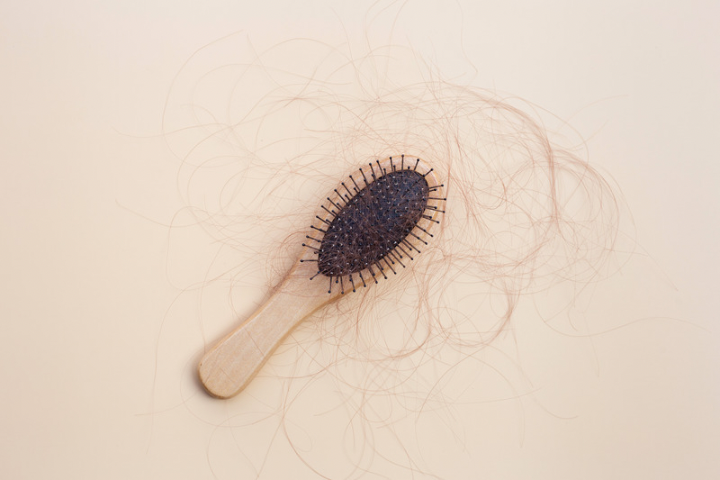
    Thinning hair women often notice a wider part before other changes

    Medical checks worth discussing

    Ask a clinician about iron studies, thyroid checks, and medication review when shedding is heavy or density keeps falling. Related reading: rambut rontok karena zat besi.

    Patchy bald spots, scale, pain, or pustules are not “just stress.” Get skin evaluated. Itchy or inflamed maps: itchy scalp.

    AzScalpDoctor educates; dermatology and primary care own labs and prescriptions.

    Gentle styling and less tension help while thinning hair women seek evaluation

    Home habits that help (and what does not)

    Gentle shampoo on the scalp. Conditioner on lengths. Less max heat. Loose styles. Wide-tooth detangling. Protein-iron balanced meals as your clinician advises—no self-megadose vitamin stacks.

    Wash basics: cara mencuci rambut yang benar. Dry lengths may need a weekly mask—cara pakai masker rambut.

    What fails: tight ponytails every day, daily max flat-iron to “hide” thin areas, scratching until sores form, and bleaching for fake density during a shed wave.

    Styling for a wider part

    Soft layers or bangs can camouflage temporarily—ask a stylist who will not over-thin already fine hair. Volumizing at roots is fine; heavy oils at the scalp backfire if you run oily—oily scalp.

    Color can create an illusion of density but adds chemical stress. If you color, use gentler care—cara merawat rambut diwarnai.

    Hats help on hard days and block Arizona sun. Choose styles that do not constantly tug the hairline—traction notes via traction alopecia.

    Where SMP fits—and where it does not

    Scalp micropigmentation can camouflage scalp show for some women after goals and skin health are clear. It does not restart follicles or replace medical therapy for pattern loss.

    Plans usually take more than one session. Expect honest photos of healed work, not one-session miracles. Overview: scalp micropigmentation and SMP for women thinning hair.

    If shedding is still peaking, wait until the wave stabilizes before pigment decisions.

    Thinning vs breakage checklist

    Shed with bulbs on the ends of fallen hairs suggests a root cycle issue. Short snapped pieces without bulbs suggest breakage. Both can coexist.

    Photograph the part monthly in the same daylight. Daily mirror checks exaggerate anxiety without measuring change.

    Broader framework: rambut rontok pada wanita and rambut tipis.

    FAQ — thinning hair women

    Will it all grow back?

    Telogen shed often improves after the trigger settles. Pattern thinning is managed over years, not cured by one shampoo.

    Do biotin gummies fix it?

    Only with clinician guidance. Excess biotin can interfere with some labs. Food-first is safer default.

    Is minoxidil required?

    Some dermatologists recommend it for pattern loss. That decision is medical—not a blog prescription.

    Can oil reverse thinning?

    Oils may soften lengths. They do not reliably reverse genetic pattern loss. Avoid heavy scalp oiling on inflamed skin.

    Eight-week practical plan

    Weeks 1–2: gentle wash, stop max heat, loose styles, start a photo log. Weeks 3–6: keep habits, book clinician visit if shed is heavy or part keeps widening. Weeks 7–8: review labs/advice; discuss cosmetic options only after the picture is clear.

    Skip crash diets without medical guidance. Sleep and stress load matter for telogen risk.

    Buildup from stacking “thickening” products can weigh hair down—clarify occasionally: product buildup hair.

    Mental load is real

    Wider parts affect confidence. Name the anxiety. Seek support if body-image distress is heavy. Progress photos beat hourly bathroom checks.

    Partners can help with realistic timelines: medical first, cosmetics second.

    AzScalpDoctor keeps Mesa conversations honest—limits included.

    Porosity, oils, and false fixes

    Matching hair porosity can soften dry lengths, but it will not reverse genetic crown thinning by itself. Coconut oil experiments belong on ends in tiny amounts—not as a baldness cure. ID notes: minyak kelapa untuk rambut.

    Frizz and dryness can make hair look thinner in photos. Fix friction and moisture while you pursue medical clarity—frizzy hair.

    Avoid stacking ten “thickening” sprays that coat the shaft and flatten fine hair further.

    Arizona lifestyle notes

    Sun and dry air stress already fine hair. Hats help. Chlorine dries lengths—rinse after pools. Helmets add crown friction; loosen when you can.

    Hard water roughness can make fine hair feel straw-like. Clarify occasionally, then moisturize lengths—hard water hair.

    Gym sweat needs scalp cleansing when oily; skip nightly scalp oils that clog and itch.

    What to bring to a consult

    Timeline of shedding, last pregnancy or surgery if any, medications, iron or thyroid history, wash frequency, and daylight photos of the part. Better notes, better triage.

    Francisco Ahumada discusses cosmetic density only after you understand medical options and timelines. Pigment plans usually need 2 to 4 sessions—not one-visit hype.

    Studio: Ste 107 on N Dobson Rd, Mesa. Hours Monday–Saturday 9–5. If you are comparing options, read healed-photo standards before booking pigment work.

    Thinning hair women often do best with a written plan: medical check, gentle routine, then cosmetics only if still needed.

    Sort the cause, then choose the tool

    Thinning hair women need pattern sorting, gentle habits, medical checks when indicated, and optional cosmetic camouflage after expectations are clear. Call (480) 599-0868 · Ste 107 · Mon–Sat 9–5.

  • Postpartum Hair Loss: Timeline, Care, and When to Get Help

    Postpartum Hair Loss: Timeline, Care, and When to Get Help

    Postpartum hair loss is usually temporary shedding a few months after birth, not permanent baldness for most people. Estrogen drops, many hairs enter the resting phase together, then shed. AzScalpDoctor explains timing, care, and when to get checked. Studio: 1061 N Dobson Rd Ste 107, Mesa, AZ 85201. Monday–Saturday 9am–5pm. Call (480) 599-0868. Education—not medical care for new parents.

    Seeing more hair in the shower drain feels alarming. For most moms, density recovers as the growth cycle resets—often by the child’s first birthday.

    Why postpartum hair loss happens

    During pregnancy, higher hormones keep more hairs in the growth phase. After delivery, hormone levels fall. A large group of hairs shifts into telogen (resting) and sheds a few months later. Clinicians call this a form of telogen effluvium.

    You may shed more than the usual 50–100 hairs per day. The part can look wider. Baby hairs may appear along the hairline later as growth returns.

    This is shedding from the root cycle—not the same as breakage from heat. Compare shaft breakage tips in cara mengatasi rambut rapuh and heat damaged hair if lengths snap without bulbs.

    Postpartum hair loss is often temporary shedding after hormone shifts

    Timeline: when it starts and stops

    Many people notice shedding around two to four months postpartum, with a peak near four months. Shedding often eases within three to six months. Fullness commonly returns by six to twelve months.

    Breastfeeding can prolong hormonal shifts for some, but it does not mean permanent loss. Individual genetics and nutrition still matter.

    If heavy shedding continues beyond six months, or density is not improving after a year, see a clinician. Something else—iron, thyroid, ongoing telogen trigger—may be involved. Related reading: rambut rontok karena zat besi and telogen effluvium.

    Gentle washing and less heat help during postpartum hair loss recovery

    What helps while you wait

    Gentle shampoo on the scalp. Conditioner on lengths. Less heat and less tight styling. Wide-tooth detangling. Protein-iron balanced meals as advised by your prenatal/postpartum clinician—do not self-megadose supplements.

    Wash technique: cara mencuci rambut yang benar. If lengths feel dry from stress and less self-care time, use a weekly mask—cara pakai masker rambut.

    Avoid crash dieting hard right after birth without medical guidance; rapid weight loss can worsen shedding. Sleep when you can—stress stacks with hormonal telogen.

    What does not speed magic regrowth

    Expensive “postpartum hair vitamins” without checking labs. Daily max flat-iron to hide thin areas. Tight ponytails that add traction risk—traction alopecia.

    Oiling an inflamed scalp. Scratching until sores form—see itchy scalp if itch dominates.

    SMP can camouflage density later for some people, but it does not restart follicles. Wait until shedding stabilizes and you understand goals—scalp micropigmentation. Most postpartum shedding does not need pigment.

    Shedding vs permanent pattern loss

    Postpartum telogen is diffuse shedding after a trigger. Female pattern thinning is gradual, patterned, and genetic/hormonal over years. Both can coexist. A dermatologist sorts them.

    Patchy bald spots with scale suggest other diagnoses (alopecia areata, infection). Do not assume “just postpartum.”

    Broader shedding education: rambut rontok and rambut rontok setelah melahirkan if that ID page is live for bilingual readers.

    When to call a clinician

    Shedding past six months without improvement. Bald patches. Scalp pain, pus, or thick scale. Extreme fatigue suggesting anemia or thyroid issues. Hair not fuller by the one-year mark.

    Bring a timeline: delivery date, peak shed month, diet changes, new meds. Labs may include iron studies and thyroid tests when indicated.

    AzScalpDoctor educates; obstetric and dermatology care own medical decisions for new moms.

    Practical styling for thin-looking months

    Soft layers or bangs can camouflage a wider part temporarily—ask a stylist who will not over-thin already shed hair. Volumizing at roots is fine; avoid heavy oils on the scalp if you run oily—oily scalp.

    Color can create illusion of density but adds chemical stress. If you color, use gentler care—cara merawat rambut diwarnai.

    Hats help on bad hair days and protect from Arizona sun. Choose styles that do not constantly tug the hairline.

    FAQ — postpartum hair loss

    Will my hair grow back?

    For most people, yes—shedding is temporary as cycles reset. A minority notice lasting change and should get evaluated.

    Does breastfeeding cause permanent loss?

    No. It may influence timing of hormonal shifts. Permanent pattern loss is a different diagnosis.

    Should I take biotin?

    Only with clinician advice. Excess biotin can interfere with some lab tests. Food-first nutrition is safer default.

    Can SMP fix postpartum shedding?

    Not as first-line. Pigment is cosmetic density after the shed settles and goals are clear.

    Partners and mental load

    Hair shed on pillows can spike anxiety. Name it as common and usually temporary. Seek support if body-image distress is heavy—mental health care matters as much as shampoo.

    Share baby-care nights when possible so sleep debt is not the only plan.

    Photograph the part monthly in daylight. Progress is easier to see than daily mirror checks.

    Nutrition notes without megadosing

    Balanced meals support recovery better than random hair gummies. Iron, protein, and overall calories matter when breastfeeding or recovering from birth—confirm labs and supplements with your obstetric or primary clinician.

    Do not start high-dose biotin just because a shelf display promises thicker hair. Biotin can skew some lab results. Food-first remains the safer default unless your clinician directs otherwise.

    If fatigue, cold intolerance, or heavy periods stack with shedding, ask about iron and thyroid checks. Related reading: rambut rontok karena zat besi.

    Breakage vs true postpartum shed

    True postpartum shed often shows bulbs on the shed hairs. Breakage from heat or tight styles shows snapped shafts without the same root cycle story. Fix friction and heat if lengths snap—see cara mengatasi rambut rapuh.

    Both can happen at once: hormonal shed plus rough styling while you have less time for gentle care. Soften the routine even while you wait for the telogen wave to settle.

    Indonesian readers may also use rambut rontok setelah melahirkan for a local-language overview of the same temporary pattern.

    Eight-week home plan

    Weeks 1–2: switch to gentle wash, stop max heat, loose styles only. Weeks 3–6: keep the same, add one moisture mask on lengths if dry, track shed on a weekly photo of the part. Weeks 7–8: review with your clinician if shedding is still climbing or patches appear.

    Skip daily scalp oils if you run oily or itchy. Skip tight extensions that add traction. Skip bleaching “to look fuller” during the peak shed months.

    AzScalpDoctor educates Mesa families on timelines and habits. Medical ownership stays with your postpartum and dermatology team.

    Patience is the main treatment

    Postpartum hair loss is usually a timed shedding wave, not a forever sentence. Gentle care, nutrition with your clinician, less heat and tension, and medical follow-up if the timeline overruns. AzScalpDoctor keeps expectations honest for Mesa-area families. Call (480) 599-0868 · Ste 107 · Mon–Sat 9–5.

  • Itchy Scalp Causes: How to Sort Dryness, Dandruff, and More

    Itchy Scalp Causes: How to Sort Dryness, Dandruff, and More

    Itchy scalp drives people to scratch until flakes and scabs appear. Causes range from dry skin and dandruff to product reactions, psoriasis, fungus, or lice. AzScalpDoctor maps the common forks so you pick a smarter first step. Studio: 1061 N Dobson Rd Ste 107, Mesa, AZ 85201. Monday–Saturday 9am–5pm. Call (480) 599-0868. Education—not a diagnosis.

    Arizona heat, AC, sweat under hats, and hard water all shape itch stories here. Still, not every itch is “just the desert.”

    Common causes of itchy scalp

    Dry scalp: tight feel, fine white flakes. Dandruff/seborrheic patterns: oilier flakes, redness. Compare carefully with dandruff vs dry scalp and kulit kepala kering.

    Product irritation or allergy: new dye (often PPD), fragrance, preservatives, leftover shampoo. Sensitive reactions: kulit kepala sensitif.

    Buildup and sweat: residue plus heat under helmets. Reset habits in product buildup hair and wash technique in cara mencuci rambut yang benar.

    Other causes: scalp pimples/folliculitis, psoriasis plaques, tinea (ringworm), lice, eczema. Painful bumps: jerawat kulit kepala and folikulitis. Thick plaques: psoriasis kulit kepala.

    Itchy scalp has many causes from dryness and dandruff to product reactions

    First steps that help many people

    Stop scratching with nails. Cool water rinses feel better than scalding showers. Simplify to one gentle shampoo for a week if you suspect product overload—unless greasy seborrheic flakes dominate, then a medicated direction may fit better.

    Rinse thoroughly. Residue itself itches. After workouts, clean the scalp when you can. Loosen tight hats.

    If flakes look greasy, try an OTC dandruff shampoo as labeled for two to four weeks. If the scalp feels tight and over-washed, reduce frequency and add moisture to lengths without dumping oil on inflamed skin.

    Stopping nail scratching is a key first step for itchy scalp relief

    Red flags — see a clinician

    Pus, fever, swelling lymph nodes. Bald patches with scale. Intense itch at night with suspected lice. Sudden rash after hair dye with face swelling. Itch with no visible rash lasting weeks may still need evaluation for neuropathy or other causes.

    Do not wait months rotating oils on open sores. Oral antifungals for tinea require prescriptions. Lice need proper treatment protocols.

    Bring daylight photos and a product list. AzScalpDoctor can educate; exams belong to clinicians.

    Itch after cosmetic scalp work

    Healing SMP can itch as pigment settles. Follow studio aftercare—not random kitchen oils. Related reads: itching after scalp micropigmentation and sun care via sunscreen after SMP.

    Active disease should calm before elective pigment. Overview: scalp micropigmentation.

    Services page: SMP services.

    Home routine checklist

    Daylight check: flake type, oil level, bumps, plaques. Wash direction matched to that pattern. Finger massage only. Clean pillowcase. Less heat near the scalp—heat damaged hair habits help lengths too.

    Hard water can make shafts feel rough and tempt more scratching. Context: hard water hair.

    Oily roots with itch: oily scalp and dermatitis seboroik.

    What usually fails

    Daily essential-oil “detox” on broken skin. Sharing hats during a lice outbreak without cleaning. Switching ten shampoos in ten days. Ignoring dye patch tests.

    Assuming every itch is fungus. Assuming every itch is dryness. Pattern recognition beats brand loyalty.

    Scraping with a metal comb “to exfoliate.” Barrier damage worsens itch cycles.

    FAQ — itchy scalp

    How long before I judge a dandruff shampoo?

    Often two to four weeks of correct scalp contact time—not two washes.

    Can stress cause itchy scalp?

    Stress can amplify itch perception and habits like scratching. Still examine skin patterns.

    Is itching always dandruff?

    No. Dryness, allergy, infection, and other diseases itch too.

    When is emergency care needed?

    Breathing trouble or facial swelling after dye, rapidly spreading infection signs, or severe pain with fever.

    Kids and textured hair notes

    Children’s itch needs lice checks and gentler products. Cradle-cap style scale belongs with pediatric guidance. Textured hair may use medicated shampoo on the scalp only, then moisturize coils.

    School outbreaks of lice are common and not a hygiene insult. Treat properly and clean shared gear.

    Athletes in Mesa should plan post-practice rinses during summer heat.

    Night itch and sleep disruption

    Itch often peaks at night when distractions drop. Keep nails short. Use a cool shower before bed if heat triggers you. Avoid stacking fragrance-heavy night oils on an already reactive scalp.

    If itch wakes you repeatedly with no visible rash, mention neuropathy risks and full history to a clinician. Do not self-diagnose nerve disease from a blog.

    Lice itch can also worsen at night. Check carefully before assuming “stress only.”

    Building a two-week itch log

    Record morning/evening itch scores (0–10), products used, sweat sessions, and flake photos weekly. Change one variable per week: wash frequency, medicated shampoo, or product elimination.

    Share the log at appointments. It beats vague “it always itches.” AzScalpDoctor uses the same habit-first questioning in educational consults about cosmetic density timing.

    If scores never move after a correct pattern-based plan, escalate care rather than buying another viral scrub.

    Sun, sweat, and summer Mesa itch

    Sunburned scalp itches while healing. Wear a hat and use appropriate scalp sun protection if hair is thin. Sweat plus sunscreen sprays can leave residue—rinse after long outdoor days.

    Pool chemical irritation feels like itch plus dryness. Rinse promptly. Do not scratch with pool toys or fingernails.

    After SMP, follow aftercare for sun and sweat windows instead of improvising.

    Medication and systemic clues

    New medications, chemotherapy history, or uncontrolled diabetes can change scalp sensation and infection risk. Tell clinicians the full list. Do not stop prescriptions based on hair blogs.

    Iron deficiency and thyroid disease more often show as shedding, but people still present with itch plus dryness. Labs belong to medical visits when systemic signs exist—see also our iron-related education at rambut rontok karena zat besi.

    If itch is only over scarred alopecia patches, nerve involvement is possible. That needs specialist input, not another fragrance shampoo.

    Name the pattern, protect the barrier

    Itchy scalp care starts with cause-sorting: dry vs oily flakes, product reaction, infection, or procedure healing. AzScalpDoctor keeps the map honest for Valley readers. Call (480) 599-0868 · 1061 N Dobson Rd Ste 107 · Monday–Saturday 9am–5pm.

  • Oily Scalp Causes and Practical Ways to Manage It

    Oily Scalp Causes and Practical Ways to Manage It

    An oily scalp looks shiny at the roots within hours of washing. Hair can feel heavy, flat, or itchy. Sometimes flakes join the oil. AzScalpDoctor explains causes and habits that actually change the feel—without promising a permanently “matte” scalp forever. Studio: 1061 N Dobson Rd Ste 107, Mesa, AZ 85201. Monday–Saturday 9am–5pm. Call (480) 599-0868. Education, not a prescription.

    Genetics, hormones, heat, product buildup, and seborrheic patterns all play roles. Desert sweat under hats makes Valley clients notice oil faster in summer.

    What an oily scalp is (and is not)

    Sebaceous glands produce sebum. Some people simply make more. Hormonal shifts in puberty, stress periods, or certain medications can raise output. That is different from dirty hair alone.

    Oily roots with dry ends are common. Shampoo the scalp; condition the lengths. Do not punish ends with clarifying every day. Pair this page with cara merawat rambut kering if lengths feel brittle.

    Oily scalp is not automatic baldness. Pattern thinning needs its own evaluation. Cosmetic density options exist later—after skin habits are clear—via scalp micropigmentation.

    Oily scalp shows shine and weight at the roots soon after washing

    Common causes

    Genetics. Hormones. Heavy creams, butters, and dry shampoo layered without a real wash. Over-washing with harsh surfactants can rebound into more oil for some people. Infrequent washing lets sebum and dead cells build.

    Seborrheic dermatitis pairs oil with greasy flakes and itch. Compare patterns in dandruff vs dry scalp and our Indonesian seborrheic guide dermatitis seboroik.

    Workout sweat trapped under caps accelerates the greasy feel. Rinse the scalp after heavy sessions when you can. Heat tools near the scalp add irritation on top of oil—see heat damaged hair.

    Habits that help an oily scalp

    Wash on a schedule that matches your oil clock—not a stranger’s routine. Focus shampoo on the scalp with fingertips. Rinse thoroughly. Conditioner from mid-lengths down.

    Clarify once weekly or biweekly if you use heavy styling products or dry shampoo often. Daily clarifying can strip and rebound. After clarifying, moisturize lengths.

    If flakes are greasy, rotate an OTC medicated shampoo as labeled (zinc pyrithione, ketoconazole, selenium sulfide, salicylic acid). Leave it on the scalp for the time the bottle states.

    Keep brushes clean. Dirty brushes reapply oil and product. Avoid scratching with nails.

    Scalp-focused shampooing helps manage oily scalp without drying the lengths

    Product mistakes

    Silicone-heavy serums on the roots every morning. Overnight kitchen oils on an already shiny scalp. Skipping conditioner on damaged lengths “because oily.” Conditioner belongs on ends.

    Fragrance overload when the scalp is also sensitive. Simplify. Technique guide: cara mencuci rambut yang benar.

    Hard water can leave a coated feel that people mistake for oil. If lengths feel mineral-rough after washing, read hard water hair.

    Oily scalp and flakes

    Fine white tight flakes lean dry. Larger greasy flakes lean dandruff/seborrheic. Wrong shampoo direction wastes weeks. Use the comparison page before buying five bottles.

    Indonesian readers covering oily hair shafts may also use rambut berminyak. This English page focuses on scalp oil behavior for Valley search intent.

    Persistent plaques, pus, or patchy loss need a clinician—not another viral “rice water” rinse.

    When to see a professional

    No change after several weeks of scalp-focused washing and appropriate medicated use. Painful sores. Sudden shedding. Suspected contact allergy to dye.

    Bring a product list. Note workout frequency and hat use. AzScalpDoctor educates; medical prescriptions come from examining clinicians.

    If your goal is cosmetic density after oil and inflammation settle, book a Mesa consult. Hours Mon–Sat 9–5. NAP: Ste 107, (480) 599-0868. Services: SMP services.

    FAQ — oily scalp

    Should I wash every day?

    If roots are oily by evening and your hair texture tolerates it, more frequent gentle scalp washes can help. Coily textures may need a different cadence—protect lengths.

    Does dry shampoo fix oily scalp?

    It masks oil briefly. Without real washing, powder builds up and can itch.

    Can diet alone stop oil?

    Diet may influence overall health. It rarely replaces cleansing when glands are genetically active.

    Will SMP reduce oil?

    No. SMP adds pigment contrast. It does not shrink oil glands.

    Workouts, helmets, and double cleansing days

    After intense training, a quick scalp-focused wash beats sleeping in dried sweat. If you must choose, clean the scalp and skip heavy styling that night.

    Motorcycle helmets and safety hard hats create a warm, humid microclimate. Wipe sweat when safe. Wash on those days even if your “normal” schedule is every other day.

    Two gentle shampoo passes on heavy product days can help more than one weak pass—still focused on the scalp, still followed by length conditioner.

    Hormones, stress, and realistic expectations

    Puberty, postpartum shifts, and high-stress months can raise oil. You manage frequency and product weight; you do not shame glands for biology.

    Stress reduction helps overall health. It is not a substitute for washing when roots are slick by noon.

    Medications that change hormones may alter oil. Ask the prescribing clinician before stopping anything based on a hair blog.

    Building a calm shelf

    Keep one daily shampoo, one clarifying option, one medicated option if flakes need it, and one conditioner for lengths. That is enough for most oily-scalp routines.

    Retire root oils “for growth” experiments that leave a helmet ring by lunch. Growth marketing rarely beats genetics and medical care for true thinning.

    Reassess every month with daylight photos of the part. Shine under bathroom yellow light lies.

    Fine hair vs thick hair on an oily scalp

    Fine hair shows oil faster because strands clump and lose volume. Thick hair can hide oil longer while the scalp still feels slick. Judge the scalp skin, not only the mirror volume.

    Fine-haired clients often prefer lighter leave-ins away from roots. Thick-haired clients still need scalp cleansing even if lengths look full.

    Stylists who section the scalp during shampoo help product reach the skin. Rush rinses leave residue that feels like “mystery oil.”

    Sensitive plus oily is possible. Use fewer fragrances and still clean the scalp—see kulit kepala sensitif for barrier tips.

    Match wash to oil—not to internet myths

    An oily scalp responds to scalp-focused cleansing, smart clarifying, flake-pattern checks, and less root product. AzScalpDoctor keeps the advice plain for Mesa and Phoenix-area readers who want fewer greasy afternoons—and clear limits on what cosmetics can do. Call (480) 599-0868 · 1061 N Dobson Rd Ste 107 · Monday–Saturday 9am–5pm.

  • Heat Damaged Hair: How to Repair Brittle Lengths

    Heat Damaged Hair: How to Repair Brittle Lengths

    Heat damaged hair feels brittle, looks dull, and snaps when you style. Flat irons, curling wands, and high-heat blow-dryers cook the cuticle when settings stay maxed out day after day. AzScalpDoctor covers realistic repair habits—not a miracle “reverse burn” serum. Studio: 1061 N Dobson Rd Ste 107, Mesa, AZ 85201. Monday–Saturday 9am–5pm. Call (480) 599-0868. Education only.

    Arizona heat outside plus tool heat inside is a double hit. Fix the tool habit first. Products work better after that.

    What heat does to the hair shaft

    Healthy cuticles lie relatively flat. High heat lifts and cracks them. Moisture escapes. The cortex weakens. Ends split. Mid-shaft can develop weak points that break into shorter pieces you find on the sink.

    Heat damage is not the same as shedding from the root. If bulbs come out in clumps, think medical causes and guides like our shedding explainers—not only cooler iron settings. For breakage along the length, pair this page with healthy hair damage prevention.

    Color and bleach already open the cuticle. Adding daily max heat accelerates snap. If you color often, heat limits matter more—not less.

    Heat damaged hair often looks dull and snaps after repeated high-temperature styling

    Early signs of heat damaged hair

    Ends feel straw-like within weeks of daily straightening. Hair smells faintly “toasted” after styling. Elasticity drops—wet strands stretch and break. Frizz rises even with serum. Ponytails leave a ring of broken hairs.

    Scalp burn from a tool pressed to skin is a separate injury. Cool the skin, avoid further heat, and seek care if blistered. Do not treat a burn like ordinary dryness.

    Hard water can make lengths feel rough too. If you live in Mesa or Phoenix, read hard water hair after this article so you do not blame only the iron.

    How to repair heat damaged hair (realistic steps)

    Cut the frequency. Many people need a two-week tool reset more than a new mask. Air-dry when you can. Use the lowest effective temperature when you must style. Keep the tool moving. Never clamp and hold on one section.

    Apply heat protectant on damp or dry hair as the product directs—before the tool, not after damage. Protectant reduces risk; it does not make 450°F safe every morning.

    Condition every wash from mid-lengths to ends. Use a moisturizing mask one to two times weekly. Protein treatments can help spongy, overly stretchy hair—but overuse makes hair stiff and more breakable. Alternate based on feel.

    Trim damaged ends every six to eight weeks. Trimming does not heal the mid-shaft overnight. It stops splits from traveling up.

    Lower heat settings and regular conditioning help repair heat damaged hair over time

    Wash and dry habits that protect weak hair

    Use lukewarm water. Shampoo the scalp; let foam run down. Do not scrub lengths like laundry. Squeeze water out with a microfiber towel. Detangle from the ends with a wide-tooth comb while conditioned.

    Blow-dry on low or medium with distance. Finish with a brief cool shot if you like shine. Sleeping on soaking wet hair for hours adds stress. Rough pillowcases increase friction—silk or satin can help some people.

    Tight styles add breakage on already weak shafts. Loosen elastics. Avoid daily tight buns. Traction risk rises when heat damage and tension combine—see traction alopecia if the hairline is receding from pull.

    Sun, pools, and stacked desert stress

    UV dries the shaft. Wear a hat in midday sun. After pools, rinse chlorine and condition lengths. Saunas and heavy sweat sessions are another heat source if you have recent scalp procedures—review sauna after scalp micropigmentation and sunscreen after SMP when relevant.

    SMP does not repair heat-damaged cuticles. Pigment changes how the scalp reads. Shaft repair stays a hair-care job. If density cosmetics are your goal after the hair is calmer, start at scalp micropigmentation.

    What will not fix heat damage

    A single “bond” treatment marketed as permanent reversal of years of max heat. Daily clarifying without moisture. Oiling an inflamed scalp. Taking random supplements instead of checking iron or thyroid when shedding is medical.

    Switching ten product lines in a month without changing iron temperature. Track one change for two weeks.

    Ignoring infection or plaques while chasing shine. Disease care first.

    When to get help

    See a clinician for scalp pain, infection, sudden root shedding, or patches. See a stylist for a truthful trim and color pause plan. Call AzScalpDoctor for Mesa consults about cosmetic density—not for prescribing medical topicals.

    Bring notes: tool temperature, days per week, last bleach date, clarifying habit. Better history, better plan.

    FAQ — heat damaged hair

    Can heat damaged hair fully recover?

    Broken ends do not “heal.” New growth can be healthier if you change habits. Trim away the worst damage.

    Is a heat protectant enough?

    It helps. Frequency and temperature still matter more than the brand name on the bottle.

    Should I stop blow-drying completely?

    Not always. Low heat with distance is safer than daily max flat-iron passes on damp hair.

    Does protein repair heat damage overnight?

    No. Protein can temporarily firm stretchy hair. Moisture balance still required.

    Choosing temperatures without chasing myths

    Many irons default high. Start lower than the “salon max” sticker. Fine or bleached hair usually needs cooler settings than coarse virgin hair. If a section will not straighten at moderate heat, it may need a trim or moisture—not another hundred degrees.

    Ceramic, titanium, and tourmaline marketing will not override daily max heat. Material helps even heat distribution. Habit still wins.

    Wet-to-dry irons on soaking hair raise break risk. Towel blot first. Detangle. Then style.

    Building a two-week reset

    Week one: no flat iron. Low blow-dry only if needed. Mask once. Trim appointment booked. Week two: add heat protectant and one moderate styling day if required for work. Compare breakage in the sink.

    Photograph lengths in daylight on day one and day fourteen. Bathroom mirrors lie. Daylight shows straw ends more honestly.

    Clients from Gilbert, Tempe, and Scottsdale who keep this log make cleaner decisions in consults—whether the next step is more hair care or a talk about SMP services.

    Cooler habits beat hotter promises

    Heat damaged hair improves when you cut temperature and frequency, condition the lengths, trim splits, and stop stacking sun and chlorine abuse. AzScalpDoctor keeps the message plain for Valley clients who want stronger hair habits—and clear limits on what cosmetics can do. Mesa studio: 1061 N Dobson Rd Ste 107 · (480) 599-0868 · Mon–Sat 9–5.