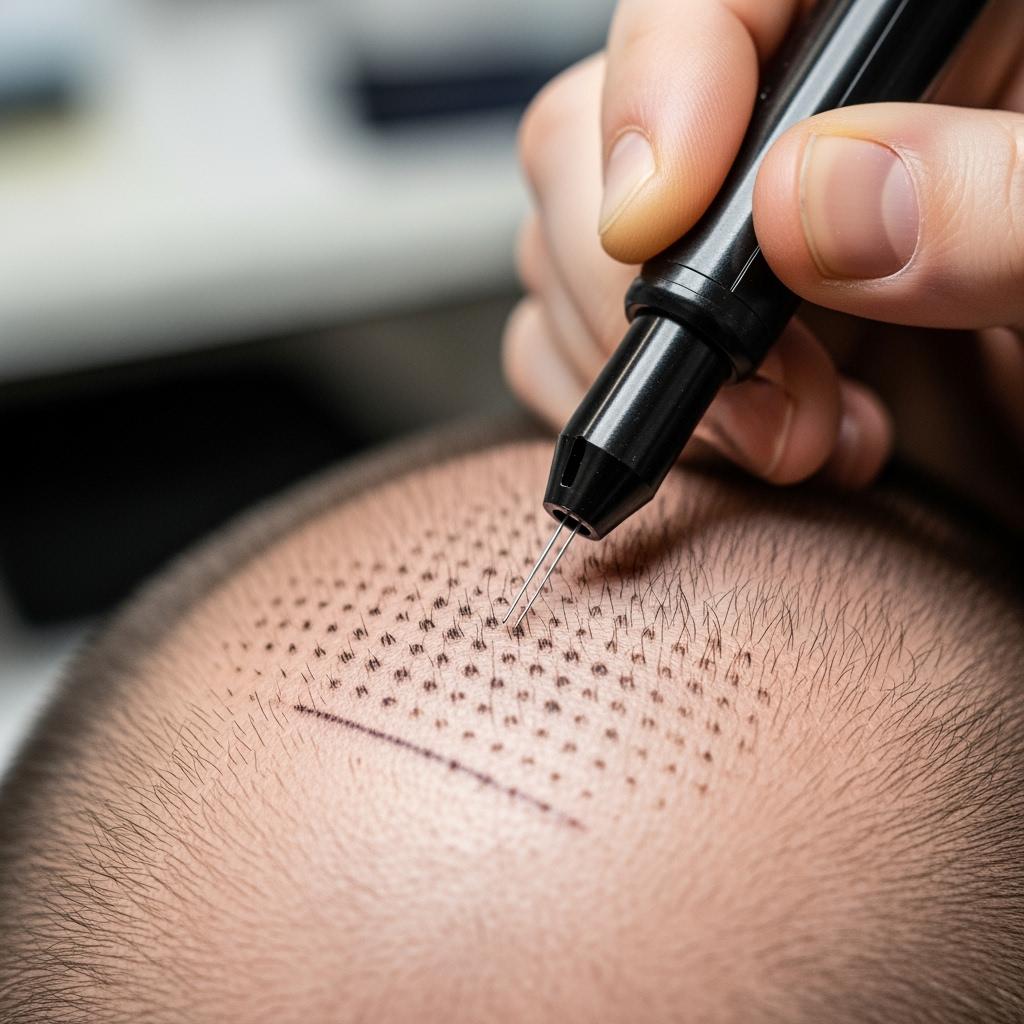
Alopecia can change how you see yourself long before anyone else comments on it. SMP for alopecia is a non-surgical way to restore the look of hair follicles, soften patchy contrast, or create a clean buzz-cut appearance when regrowth is unpredictable. This guide explains which alopecia patterns SMP can help, what it cannot do, and how AzScalpDoctor plans treatment in Mesa, Arizona.
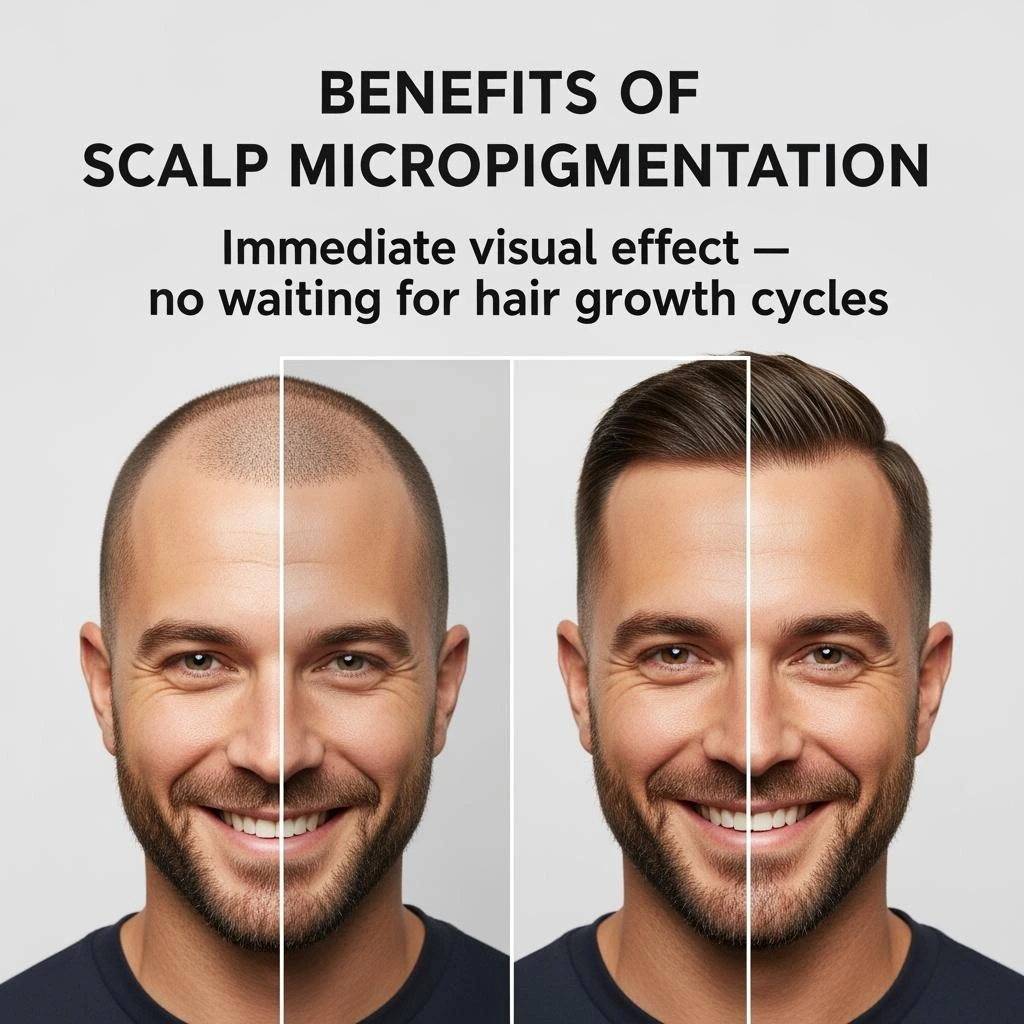
SMP does not cure alopecia and it does not regrow hair. It changes what the eye sees. For many clients, that visual control is the point.
What Alopecia Patterns SMP Can Address
Alopecia is not one condition. Androgenetic alopecia, alopecia areata, traction alopecia, and more extensive forms such as totalis or universalis behave differently. SMP for alopecia is most often used when the goal is cosmetic coverage: a fuller part, hidden patches, or a uniform shaved look.
- Androgenetic pattern loss: density through thinning zones or a defined hairline.
- Alopecia areata patches: blending bare circles into surrounding hair when the patch is stable.
- Traction-related thinning: softening edges and temples after tight styling damage.
- Widespread loss: a consistent buzz-cut simulation when little hair remains.
Learn the procedure basics first: What Is Scalp Micropigmentation?
When to Wait Before SMP for Alopecia
If patches are actively changing, pigment placed today may sit beside new hair tomorrow, or a new bald spot may appear nearby. Many artists prefer a period of stability before SMP for alopecia, especially with areata. A dermatologist can help you understand whether loss is active. Cosmetic planning and medical care can run side by side.
Related education on pattern loss: androgenetic alopecia pada wanita and alopecia totalis.
How Treatment Is Designed
The artist maps remaining hair, skin tone, and the style you actually wear. Patch blending uses lighter, irregular impressions so the border disappears into existing strands. A full shaved look uses more even follicle simulation across the scalp. Women often need a softer density approach than a classic male hairline.
See how density is handled for thinning hair: SMP for women thinning hair and scalp micropigmentation untuk rambut tipis.
Sessions and Healing
Most SMP for alopecia plans use two to four sessions. The first session sets the map. Later sessions adjust density after pigment settles and the skin calms. Areata borders sometimes need extra feathering so the patch edge does not look stamped.
Healing care matters. Use the steps in our aftercare guide. Longevity and touch-ups are covered in how long does scalp micropigmentation last.
Will SMP for Alopecia Look Real?
Realism depends on dot size, color, and restraint. Too much black pigment can look like a cap. Too little leaves the patch visible. Healed daylight photos are the best proof. Read the realism checklist: does scalp micropigmentation look real.
Avoid clinics that promise a medical cure or one-session perfection. Common disappointments are listed in scalp micropigmentation regrets.
SMP, Medicine, and Other Options
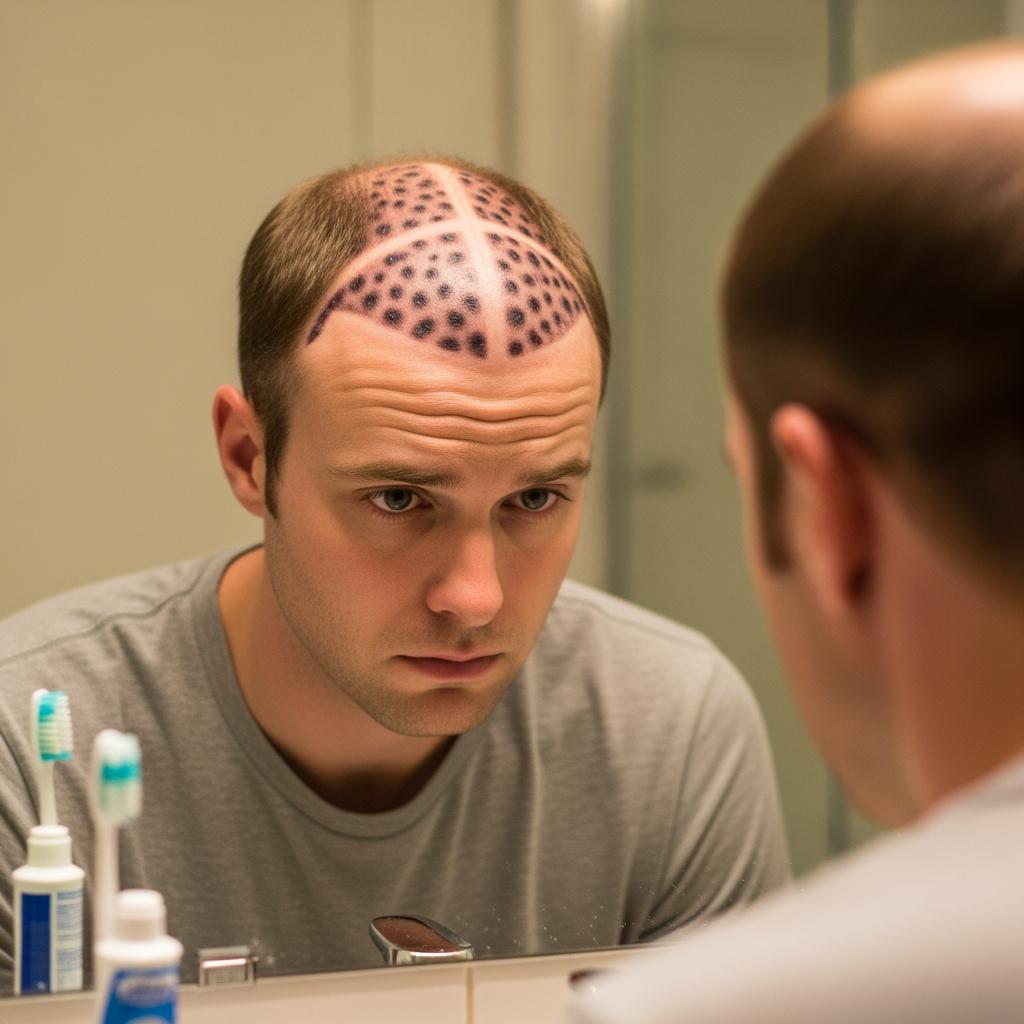
Some people use medical treatments and still want immediate visual coverage. SMP for alopecia can sit alongside those plans because it does not require donor hair. Surgery is a different path and is not suitable for every alopecia type. Compare approaches here: scalp micropigmentation vs hair transplant.
Scars and Alopecia Together
Some clients have both patchy loss and a surgical scar. Those cases need two densities: softer blend through alopecia patches and tighter camouflage inside scar tissue. Treating them with one flat shade usually looks painted. A mapped plan keeps each zone believable. If a transplant scar is part of your history, this guide helps: hair transplant scar camouflage.
Cost Planning
Small stable patches usually cost less than full-scalp work. Quotes should state session count, not only a starting price. Pricing context: hair tattoo cost.
Choosing an Artist in Arizona
Ask whether the artist has healed alopecia examples, not only male pattern buzz cuts. Patch edges and skin-tone matching are a different skill. AzScalpDoctor in Mesa plans SMP for alopecia around your pattern, lifestyle, and how short you wear your hair. Local details: scalp micropigmentation Mesa.
Daily Life After SMP for Alopecia
After healing, most clients return to work, exercise, and normal washing. Arizona sun can fade contrast faster, so a hat or scalp-safe protection on long outdoor days helps the look last. You will not need fibers every morning for the pigmented zones, which is a major reason people choose SMP for alopecia over temporary concealers.
If your style changes later, a touch-up can add or soften density. Maintenance is normal and usually smaller than the first plan. Bring daylight photos of the look you want so SMP for alopecia is planned around your real hairline, patches, and daily styling habits.
What to Bring to Consultation
- Photos of patches in daylight, not only bathroom lighting.
- A short history of when loss started and whether it is still changing.
- Notes from your dermatologist if you have them.
- A clear style goal: blend, buzz cut, or hairline only.
- Questions about sessions, sun, and touch-ups.
FAQ
Can SMP trigger more alopecia?
SMP is a cosmetic pigment procedure. Share your diagnosis so your artist and doctor can advise on timing. Do not treat an inflamed scalp.
What if hair grows back later?
New hair can grow through or beside pigment. A stable period before treatment reduces awkward overlap. Touch-ups can adjust density if regrowth changes the look.
Is it only for men?
No. Women use SMP for alopecia to soften parts, patches, and temple loss while keeping longer styles when possible.
Final Takeaway
SMP for alopecia is a practical cosmetic option when you want the look of density or a clean shaved scalp without waiting on uncertain regrowth. The best results come from stable skin, honest expectations, and layered pigment work.
Contact AzScalpDoctor in Mesa for a consultation. We will review your pattern and tell you clearly whether SMP for alopecia fits your goals right now.