Penulis: Francisco Ahumada

  • Scalp Micropigmentation vs Hair Transplant — Which One Is Right for You?

    Understanding the Difference Between Scalp Micropigmentation and Hair Transplant

    Hair loss affects millions of men and women around the world, leading not only to physical changes but also to emotional stress and confidence issues. Today, two of the most effective hair restoration solutions are Scalp Micropigmentation (SMP) and Hair Transplant.

    As specialists at AZScalpDoctor, we’ve helped hundreds of clients regain confidence through both methods. In this article, we’ll compare Scalp Micropigmentation vs Hair Transplant—so you can make an informed, confident decision for your appearance and lifestyle.


    What Is Scalp Micropigmentation (SMP)?

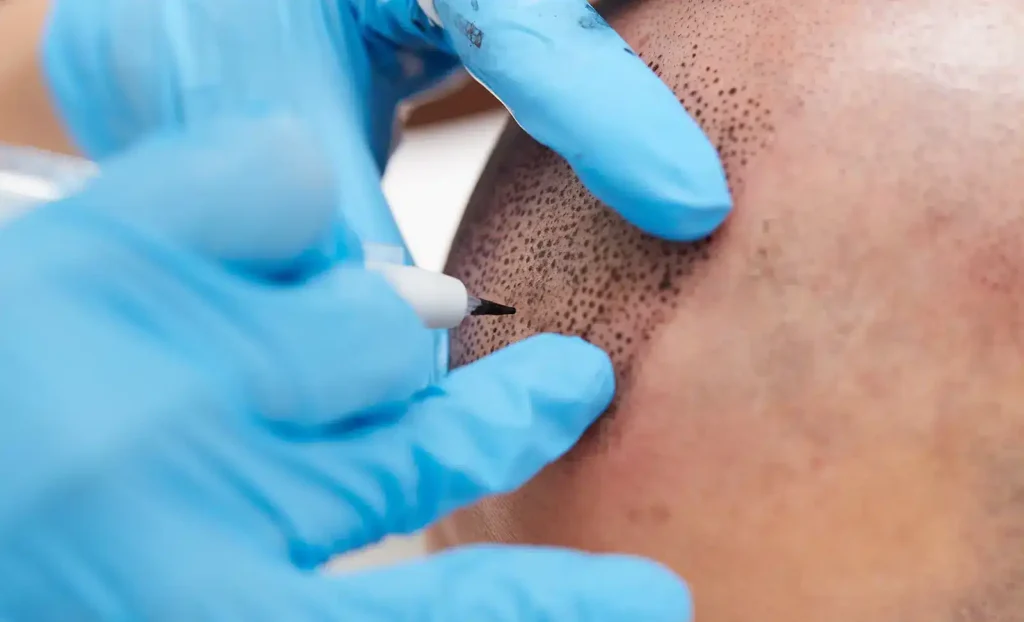
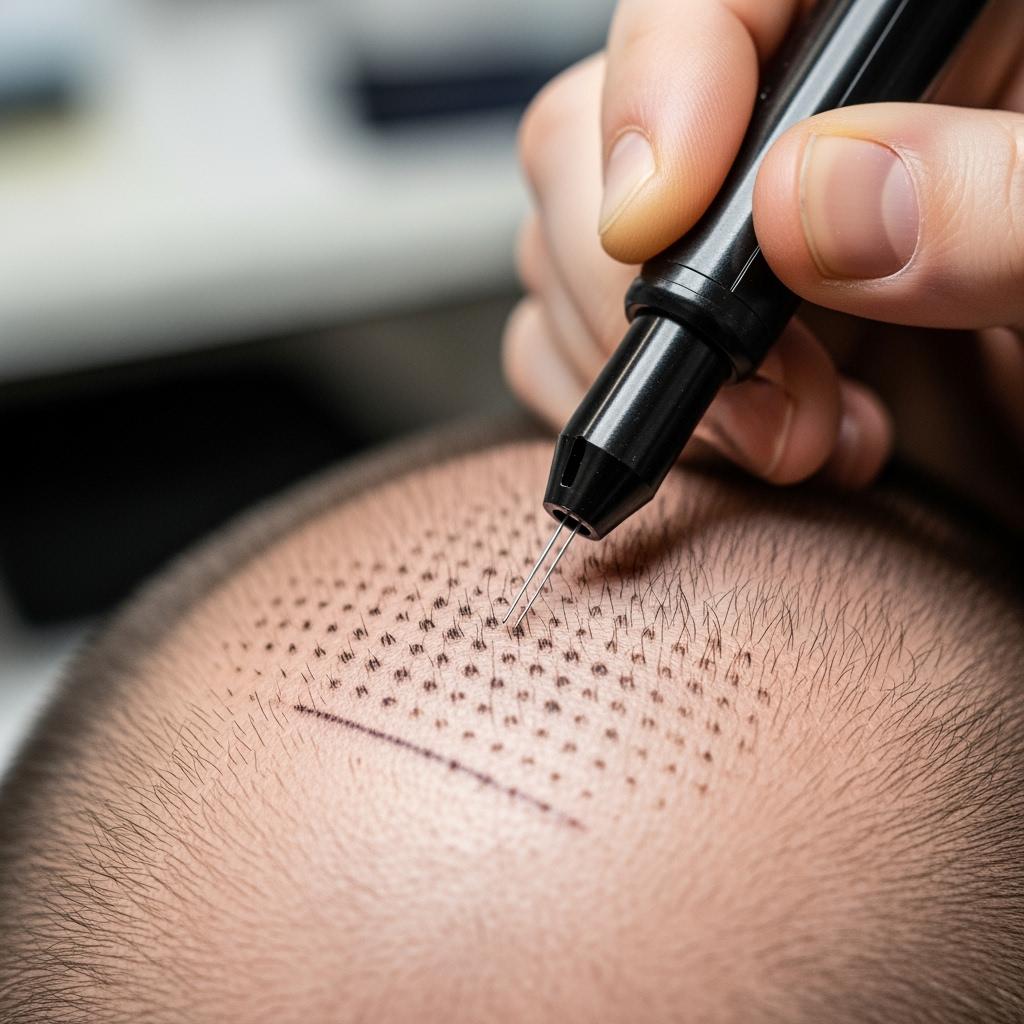
    Scalp Micropigmentation is a non-surgical cosmetic procedure that uses micro-needles to deposit natural pigments into the upper dermal layer of the scalp. These pigments replicate the look of tiny hair follicles, creating the illusion of natural density or a clean, shaved-head style.

    Why clients choose SMP

    • Instant visual improvement after the first session.
    • No surgery, no downtime.
    • Ideal for all genders, skin tones, and hair colors.
    • Perfect for camouflaging scars or enhancing density after hair transplant.

    Unlike topical products or temporary concealers, SMP delivers long-lasting, realistic results. The color remains stable for several years before minor touch-ups are needed.

    Read More: What Is Scalp Micropigmentation by AzScalpDoctor


    What Is a Hair Transplant?

    A hair transplant is a surgical procedure in which hair follicles are extracted from a donor area (typically the back of the scalp) and transplanted to thinning or bald zones. The two main methods are:

    • FUE (Follicular Unit Extraction) – individual grafts harvested with micro-punch tools.
    • FUT (Follicular Unit Transplant) – a strip of scalp removed and dissected into grafts.

    Hair transplants provide real hair growth, but the process involves anesthesia, surgical skill, and recovery time. Full results can take 12–18 months as transplanted hair grows naturally.


    Scalp Micropigmentation vs Hair Transplant: A Detailed Comparison

    The keyword Scalp Micropigmentation vs Hair Transplant often leads searchers to this very question: Which one is better for me? Let’s compare them side-by-side.

    CriteriaScalp Micropigmentation (SMP)Hair Transplant
    TypeNon-surgical pigmentationSurgical graft relocation
    Recovery Time1–2 days2–3 weeks
    Results VisibleImmediately6–12 months
    Longevity3–5 years (with touch-ups)Permanent (may require additional sessions)
    Cost (Average)Lower – depends on coverage areaHigher – depends on graft count
    Risk LevelMinimalSurgical risks (infection, scarring)
    Ideal ForDiffuse thinning, scars, complete baldnessPatients with sufficient donor hair

    Both options have proven success—but your lifestyle, budget, and expectations play a major role in determining which fits best.


    Recovery and Downtime

    SMP requires virtually no downtime. Most clients return to work the next day. Mild redness fades within 24 hours, and aftercare mainly involves avoiding heavy sweating and sun exposure for a few days. Scalp Micropigmentation Aftercare Tips

    Hair Transplant, however, involves surgical healing. Scabs, minor swelling, and sensitivity may last a week. Proper washing, antibiotics, and rest are critical to avoid infection and ensure graft survival.


    Cost Comparison and Value

    The cost of Scalp Micropigmentation vs Hair Transplant differs significantly:

    • SMP typically ranges from $800 to $3,500 USD, depending on scalp size and density desired.
    • Hair Transplants cost between $3,000 and $10,000 USD, depending on graft numbers and surgeon expertise.

    While transplants grow real hair, SMP offers an affordable, immediate, and scar-free alternative—especially for those not medically suitable for surgery.


    Realistic Results and Aesthetic Goals

    SMP instantly creates the look of fuller hair or a clean buzz-cut style. It’s especially popular among clients who prefer a youthful, low-maintenance look.

    Hair Transplants restore actual strands, offering styling freedom—but require patience for growth and potential follow-up procedures.


    Pros and Cons of Each Treatment

    ✅ Advantages of Scalp Micropigmentation

    • Non-invasive and safe.
    • Immediate confidence boost.
    • Conceals scars or uneven patches.
    • No risk of donor hair depletion.
    • Great option for both men and women.

    ✅ Advantages of Hair Transplant

    • Uses your real hair for permanent coverage.
    • Suitable for mild to moderate balding patterns.
    • Allows styling and trimming naturally.

    ⚠️ Limitations to Consider

    • SMP doesn’t restore actual hair growth.
    • Hair Transplants require donor hair and surgical downtime.
    • SMP may need touch-ups; transplants may require maintenance if hair loss continues.

    Which Treatment Is Right for You?

    Choosing between Scalp Micropigmentation vs Hair Transplant depends on your personal goals, hair loss stage, and medical suitability.

    • If you have advanced baldness or thin donor hair, SMP offers a guaranteed aesthetic improvement.
    • If you have moderate thinning with good donor density, a transplant might be ideal for long-term regrowth.
    • Many clients choose both: SMP to enhance density and cover transplant scars.

    Combining SMP and Hair Transplant — The Hybrid Approach

    Did you know that these two treatments can work together? SMP can:

    • Fill in sparse areas after a hair transplant.
    • Camouflage donor scars.
    • Add perceived density to existing thin hair.

    When combined strategically, SMP enhances the visual density of transplanted hair, delivering unmatched natural results.


    Before and After: Real Transformations
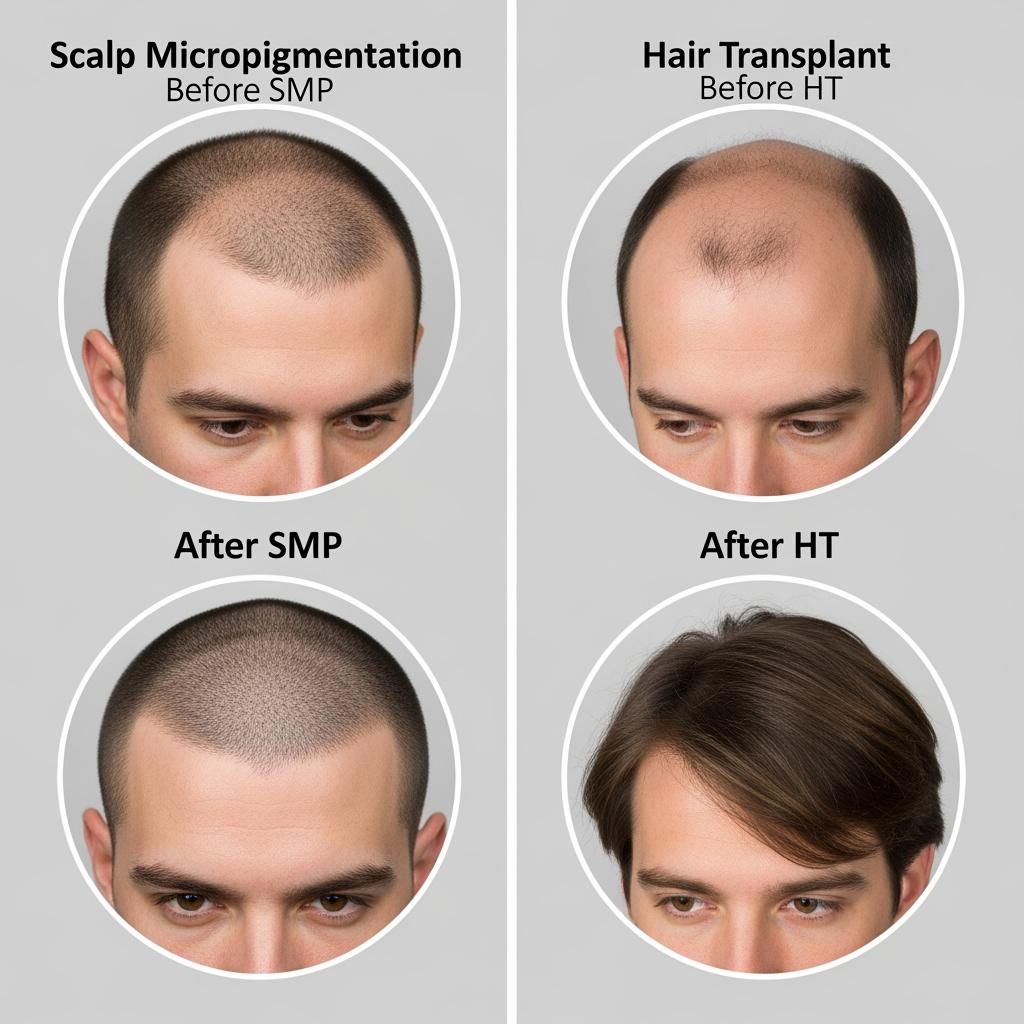
    Scalp Micropigmentation vs Hair Transplant before and after

    At AZScalpDoctor, we believe results speak louder than words. Our before-and-after gallery showcases:

    • SMP density restorations.
    • Hair transplant regrowth journeys.
    • Hybrid transformations (SMP + Transplant).

    Each transformation is unique—because every scalp, lifestyle, and goal is different.

    (Use optimized image alt tags like “Scalp Micropigmentation vs Hair Transplant before and after”)


    Consultation and Cost Transparency

    We pride ourselves on transparent pricing and honest recommendations.

    • Free initial consultation.
    • Customized cost based on hair loss pattern, density goals, and treatment plan.
    • No hidden fees, no pressure.

    Ready to transform your confidence?
    👉 Schedule your consultation with AZScalpDoctor today.


    Frequently Asked Questions (FAQ)

    1. How long does Scalp Micropigmentation last?
    Typically 3–5 years, with simple touch-ups to maintain color vibrancy.

    2. Can I combine SMP and Hair Transplant?
    Yes — many patients enhance density or cover transplant scars using SMP.

    3. Which looks more natural?
    Both can look natural if performed by experienced professionals. SMP provides instant density; transplants provide real growth.

    4. Is SMP painful?
    Most clients describe mild discomfort, much less than tattooing.

    5. How soon can I go back to work after each treatment?
    SMP: within 24 hours. Hair Transplant: usually within 5–7 days.

    6. What’s the average cost difference?
    SMP costs less (average $1–3k) than transplants ($4–10k).


    Conclusion — Expert Care, Real Confidence

    Whether you choose Scalp Micropigmentation or a Hair Transplant, your goal remains the same: confidence and natural appearance.

    At AZScalpDoctor, our mission is to guide you toward the safest, most effective solution for your unique condition.
    Our treatments are built on science, precision, and compassion — because restoring your hair means restoring your self-belief.

    Your new look starts here. Let’s make it happen. visit us at Google
  • AzScalpDoctor’s Complete Scalp Micropigmentation Aftercare Routine for Lasting Results

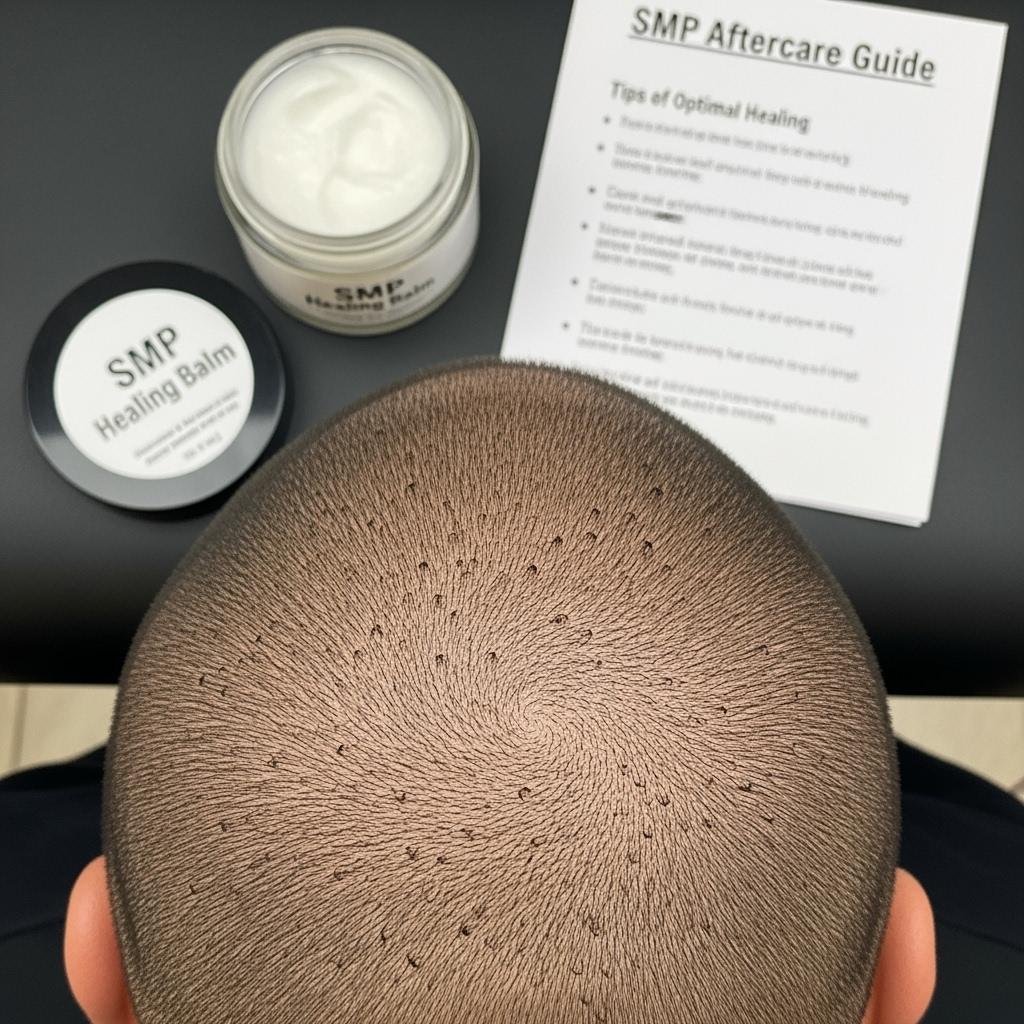
    AzScalpDoctor’s Complete Scalp Micropigmentation Aftercare Routine for Lasting Results

    Scalp Micropigmentation (SMP) has become one of the most effective cosmetic solutions for hair loss — offering the appearance of natural hair follicles without surgery or downtime. However, the success of your treatment doesn’t end when you leave the clinic. The secret to maintaining that realistic, sharp look lies in proper scalp micropigmentation aftercare and maintenance.

    At AzScalpDoctor, we believe your journey doesn’t stop with your final session. Our experts emphasize post-procedure care just as much as precision during treatment. This comprehensive guide reveals practical SMP aftercare tips, healing advice, and long-term maintenance habits to preserve your look for years.


    Why Scalp Micropigmentation Aftercare Matters

    Many clients are surprised to learn that SMP results depend 60% on the technician’s skill and 40% on aftercare. The scalp needs time to heal, allowing pigment to settle evenly beneath the skin. Ignoring aftercare instructions can cause premature fading, patchiness, or pigment migration.

    Proper aftercare ensures that your scalp remains healthy, pigments retain their depth, and results last longer. At AzScalpDoctor, we use medical-grade, dermatologist-tested pigments that heal naturally with your skin tone. Combined with correct maintenance, they can last 4–6 years before needing a touch-up.

    Read More: What Is Scalp Micropigmentation by AzScalpDoctor


    Immediate Aftercare: The First 7 Days Post-Treatment

    Day 1–3: Protect and Rest

    The first 72 hours are crucial. Your scalp is still healing, and the pigment is settling.
    Here’s what to do:

    • Avoid touching, rubbing, or washing your scalp.
    • Stay away from heavy exercise, sweating, or swimming.
    • Don’t wear tight hats that cause friction.
    • Sleep on clean pillowcases to prevent infection.

    During these early days, your scalp may appear slightly darker or shinier than expected — this is normal and temporary.


    Day 4–7: Gentle Cleaning and Hydration

    After the first three days, your scalp begins forming light scabs as part of the healing process. It’s safe to gently cleanse your scalp using lukewarm water and fragrance-free soap.

    • Pat dry with a clean towel — never rub.
    • Apply a thin layer of AzScalpDoctor’s recommended non-alcoholic moisturizer twice a day.
    • Avoid sun exposure and extreme temperatures.

    💡 Pro Tip: Create a “healing checklist” to keep track of your daily routine — consistency during week one determines long-term results.


    The Next Phase: Weeks 2–4 of SMP Healing

    Around week two, your scalp starts to normalize. Mild flaking or dryness may appear, but resist the urge to scratch — doing so can lift pigment prematurely.

    Between weeks two and four:

    • Resume gentle cleansing twice daily.
    • You may begin shaving or trimming, but only if the scalp feels fully healed.
    • Keep moisturizing to prevent dryness.
    • Avoid swimming pools, saunas, and tanning booths for another week.

    By the end of the first month, the pigment should have settled, revealing a natural, matte finish that mimics real hair follicles.

    At AzScalpDoctor, our specialists conduct a brief virtual or in-person follow-up during this phase to ensure pigment stability and even healing.

    Check Another Aftercare Tips Here


    Long-Term Maintenance for Lasting SMP Results

    Scalp Micropigmentation Aftercare Tips | AzScalpDoctor

    Daily Care Routine

    Once healed, maintaining your SMP is simple.

    • Wash your scalp daily with gentle, sulfate-free shampoo.
    • Keep your skin hydrated — a dry scalp causes premature fading.
    • Use alcohol-free moisturizers and avoid abrasive exfoliants.

    Hydration is essential both externally and internally. Drink plenty of water to keep your skin supple and your pigment vibrant.


    Sun Protection is Essential

    UV radiation is one of the biggest causes of SMP fading. Direct sunlight can oxidize pigment, leading to a dull, uneven look.

    Here’s how to protect your investment:

    • Always apply SPF 30+ sunscreen when outdoors.
    • Wear a breathable cap during peak sun hours.
    • Limit tanning sessions and avoid sunbathing for long periods.

    ☀️ AzScalpDoctor Tip: In sunny climates like Arizona or Southeast Asia, sunscreen should be part of your daily routine year-round.


    Touch-Ups and Color Refreshing

    Even with perfect care, all pigments naturally fade over time. Most clients need a touch-up every 3–6 years to maintain color density.

    At AzScalpDoctor, we offer annual pigment evaluations to monitor tone consistency and provide gentle refresh sessions if needed. This proactive approach ensures your scalp always looks sharp and natural.


    Common Mistakes to Avoid During Scalp Micropigmentation Aftercare

    Even small errors can shorten your SMP’s lifespan. Avoid these common pitfalls:

    1. Picking at scabs or flakes — this removes pigment.
    2. Overwashing the scalp or using hot water.
    3. Applying oil-based or alcohol-heavy products.
    4. Ignoring sunscreen or staying under strong UV rays.
    5. Returning to workouts or steam rooms too early.

    “Proper SMP care is simple but vital. Neglect can reduce results by years,” — AzScalpDoctor Team.


    Regional Tips for Hot and Humid Climates

    In tropical or desert regions, extra attention is required. Heat and sweat can speed up pigment fading.

    For clients in areas like Arizona, Cambodia, or Bali:

    • Use lightweight, non-greasy moisturizers.
    • Always wear a breathable hat under strong sunlight.
    • Clean your scalp twice daily to prevent sweat buildup.
    • Schedule periodic checkups — humidity may alter pigment tone faster.

    At AzScalpDoctor, we provide customized aftercare kits formulated for humid climates, ensuring consistent color retention.


    When to Schedule an SMP Follow-Up

    SMP isn’t a one-time procedure. Touch-ups help maintain crisp lines and realistic density.

    You should schedule a follow-up:

    • 30 days after your final session for assessment.
    • Every 3–6 years for pigment refreshing.
    • Anytime you notice noticeable fading or tone unevenness.

    AzScalpDoctor’s digital pigment tracking system keeps detailed records of your treatment to ensure future touch-ups perfectly match your original shade.


    Expert Tips from AzScalpDoctor SMP Specialists

    Our SMP artists have performed thousands of successful treatments. Here are their insider tips for flawless results:

    • Wait at least 7–10 days before shaving.
    • Keep your scalp moisturized with paraben-free lotions.
    • Use a clean electric shaver to avoid irritation.
    • Maintain a balanced diet rich in omega-3s and vitamin E for healthy skin.
    • Sleep well — skin regenerates faster at night, improving pigment retention.

    “Think of SMP like a luxury watch — polish it, protect it, and it will always look timeless,” — Dr. Francisco Ahumada, Founder of AzScalpDoctor.


    FAQ: Scalp Micropigmentation Aftercare

    Q1. When can I wash my scalp after SMP?
    After 3–4 days. Use mild soap and avoid scrubbing.

    Q2. Can I exercise after SMP treatment?
    Wait 5–7 days before heavy sweating or gym sessions.

    Q3. How long before the pigment settles completely?
    The pigment typically stabilizes within 30 days.

    Q4. When do I need a touch-up session?
    Most clients benefit from a touch-up every 3–6 years.

    Q5. What should I do if my scalp feels itchy or tight?
    Apply fragrance-free moisturizer or consult AzScalpDoctor for specific soothing gels.


    Conclusion

    Scalp Micropigmentation is more than just an aesthetic treatment — it’s a long-term investment in confidence and self-image. By following the scalp micropigmentation aftercare tips and maintenance guidelines above, you’ll extend the lifespan of your treatment and maintain a natural, clean look for years.

    At AzScalpDoctor, our mission goes beyond restoring appearances. We help clients restore their confidence, providing ongoing guidance and professional touch-ups tailored to each individual’s lifestyle and scalp condition.

    Ready to preserve your new look?
    👉 Book Restore Your Look with Scalp Micropigmentation Experts at AzScalpDoctor.com — where expertise meets excellence.

  • What Is Scalp Micropigmentation? The Complete Guide to the Modern Hair Loss Solution

    Hair loss affects millions of men and women around the world, often impacting confidence and self-esteem. Among the many available solutions, scalp micropigmentation has emerged as one of the most effective and realistic non-surgical treatments. But what exactly is it, how does it work, and why are people calling it a life-changing experience?

    Let’s explore the world of scalp micropigmentation (SMP) — from the process and benefits to aftercare and cost — and see why AZ ScalpDoctor in Arizona stands out as one of the top SMP specialists today.

    Your SMP Trusted Friend – AzScalpDoctor


    Introduction to Scalp Micropigmentation (SMP)

    What Is Scalp Micropigmentation? Full SMP Guide

    Scalp micropigmentation, often referred to as SMP or hair tattoo, is a cosmetic procedure that uses natural pigments to replicate the look of real hair follicles.
    Unlike a traditional tattoo, SMP does not penetrate deeply into the skin or use standard tattoo ink. Instead, it applies specialized pigment using microneedles to the scalp’s upper dermis, creating tiny dots that resemble shaved hair stubble.

    The main purpose of SMP is to give the appearance of a fuller, thicker head of hair — or, for completely bald individuals, a clean and stylish buzz-cut look. It’s suitable for both men and women who experience hair thinning, baldness, or scars on the scalp.

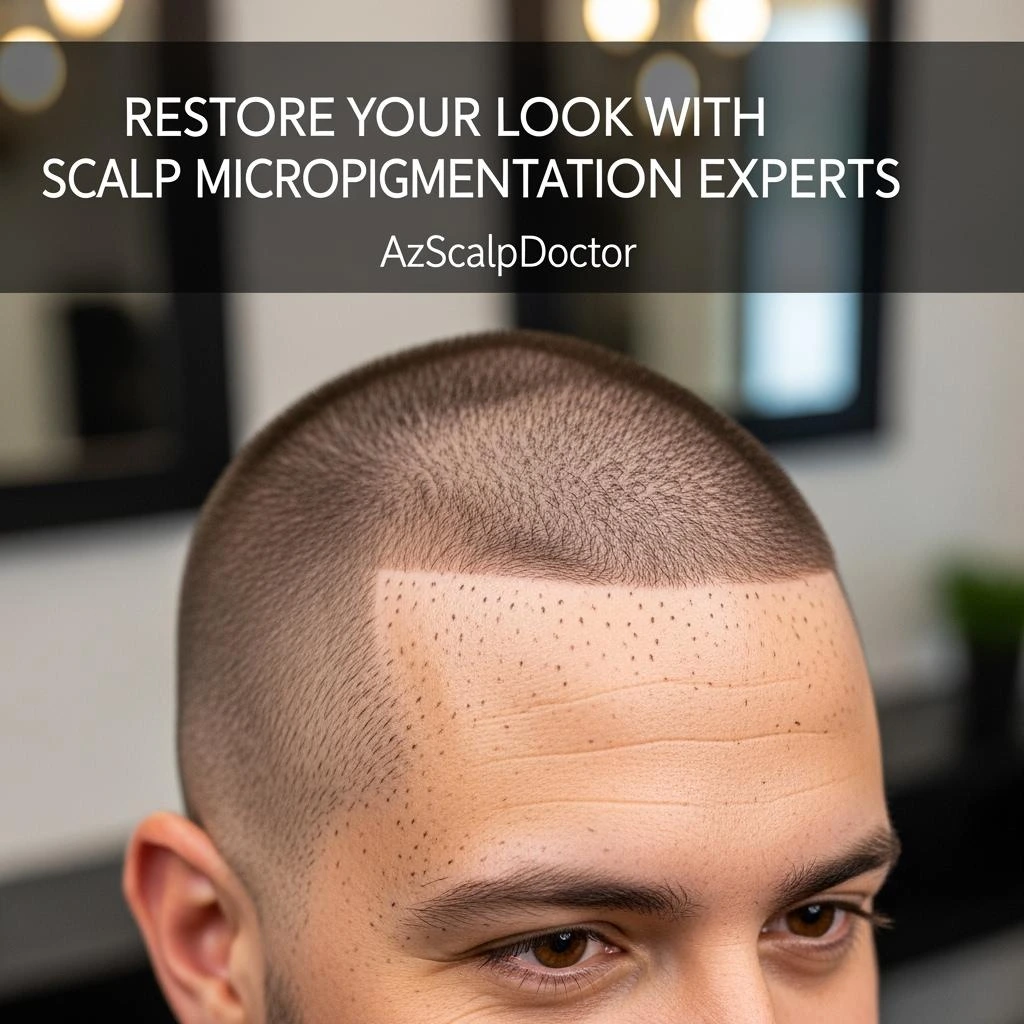
    Restore Your Look with Scalp Micropigmentation Experts


    How Scalp Micropigmentation Works

    The SMP process is meticulous and requires both artistry and precision. Here’s how it typically unfolds:

    1. Consultation and Hairline Design
      Every SMP journey begins with a consultation. The practitioner examines your scalp condition, hairline pattern, and desired result. Together, you’ll discuss a custom hairline design that complements your facial shape and natural style.
    2. Color Matching
      A professional SMP artist carefully selects the pigment color to match your skin tone and hair color. The goal is to ensure seamless blending and a natural finish.
    3. Pigment Application
      Using a sterile micro-needle machine, the artist deposits small pigment dots into the scalp’s upper layer. This creates the visual illusion of hair density or hair follicles.
    4. Session Duration and Recovery
      Each session lasts between 2–4 hours depending on the size of the treatment area. Most people require two to three sessions for complete, even coverage. Recovery is fast — mild redness usually fades within 24–48 hours.

    The key to outstanding results lies in the skill of the technician, pigment quality, and precision in dot placement.


    The Benefits of Scalp Micropigmentation

    People choose SMP for many reasons, and its popularity continues to rise. Here are the biggest benefits:

    • Instant Results — Unlike transplants or medications, SMP delivers visible improvement right after the first session.
    • Non-Surgical and Safe — There are no incisions, scars, or anesthesia involved.
    • Cost-Effective — Compared to surgical hair restoration, SMP is far more affordable and long-lasting.
    • Natural Appearance — With correct color matching, it looks authentic even under close inspection.
    • Versatile Applications — Ideal for covering bald spots, scars, or thinning hairlines.
    • Low Maintenance — No special shampoo or medication required; just basic scalp care.
    • Confidence Boost — The visual improvement immediately enhances self-esteem and appearance.

    Who Can Benefit from SMP

    Scalp micropigmentation works for a wide variety of people. Whether you’re fully bald or just experiencing thinning hair, SMP can make a noticeable difference.

    • Men with Male Pattern Baldness: Creates the illusion of a buzz-cut hairstyle.
    • Women with Thinning Hair: Adds density to visible scalp areas, giving a fuller look.
    • Patients with Scalp Scars: Camouflages transplant or injury scars effectively.
    • People Seeking a Sharp Style: For those who prefer the clean, modern shaved look.

    SMP is suitable for most skin tones and hair colors, but consultation is essential to customize pigment selection and design.


    Scalp Micropigmentation vs. Hair Transplant

    While both SMP and hair transplants aim to solve hair loss, they differ greatly in approach, cost, and maintenance.

    FeatureScalp Micropigmentation (SMP)Hair Transplant (FUE/FUT)
    Procedure TypeNon-surgicalSurgical
    Healing Time2–3 days2–3 weeks
    Cost Range$1,500 – $4,000$6,000 – $15,000+
    MaintenanceMinimal, touch-ups every few yearsRequires medical follow-ups
    Result TypeVisual illusion of densityReal transplanted hair
    SuitabilityMost hair loss typesLimited by donor hair availability

    SMP doesn’t grow hair — it creates a natural illusion. For many people, that’s enough to regain confidence without surgery or risk.


    Potential Risks and Aftercare Tips

    Scalp micropigmentation is safe when performed by trained professionals. Still, as with any cosmetic treatment, minor side effects may occur.

    Possible Side Effects

    • Temporary redness or tenderness.
    • Mild swelling or scabbing.
    • Pigment fading over time due to sun exposure.

    Aftercare Recommendations

    1. Avoid washing or touching the scalp for at least 4 days.
    2. Stay away from direct sunlight, saunas, or swimming pools for one week.
    3. Keep the scalp clean and lightly moisturized after healing.
    4. Use gentle, fragrance-free products to prevent irritation.
    5. Schedule touch-ups every 2–4 years for color refreshment.

    Following aftercare instructions is vital to preserve pigment brightness and prevent uneven fading.


    How Long Does Scalp Micropigmentation Last?

    Typically, SMP results last between 3 to 8 years. The exact longevity depends on skin type, sun exposure, and personal care habits.
    People with oily skin may notice faster fading, while proper sun protection and skincare can extend pigment lifespan.

    Over time, touch-up sessions can be performed to maintain sharpness, adjust color tones, or modify the hairline if desired.


    Scalp Micropigmentation Cost and Pricing Factors

    The cost of SMP varies widely depending on several factors:

    1. Area Size and Hair Loss Level — Full scalp coverage costs more than partial or scar camouflage.
    2. Technician Expertise — Experienced SMP artists charge higher rates, reflecting quality assurance.
    3. Clinic Reputation and Location — Major city clinics or high-profile studios generally charge premium prices.
    4. Number of Sessions — Most clients need 2–3 sessions for ideal coverage.

    In Arizona, the average price for SMP ranges from $1,800 to $3,500 for full scalp work. Considering the long-term results and low maintenance, it’s a worthwhile investment compared to ongoing medication or surgery.


    How to Choose the Right SMP Clinic

    Choosing the right SMP provider can make all the difference. Use these tips to select a trustworthy and professional clinic:

    • Check Portfolios: Look for detailed before-and-after photos.
    • Verify Credentials: Ensure the artist is certified and has proper SMP training.
    • Ask About Pigments and Equipment: Clinics should use hypoallergenic, medical-grade materials.
    • Assess Cleanliness and Hygiene: A sterile environment is non-negotiable.
    • Read Reviews and Testimonials: Real client experiences speak volumes.
    • Schedule a Consultation: The best clinics offer personalized assessments before booking.

    AZ ScalpDoctor — Arizona’s Trusted Scalp Micropigmentation Expert

    When it comes to professional scalp micropigmentation in Arizona, AZ ScalpDoctor is among the most reputable names in the industry.
    Located in Mesa, Arizona, the clinic specializes exclusively in SMP treatments and professional SMP training.

    Expertise and Services

    Founded by Francisco Ahumada, an experienced barber turned SMP master artist, AZ ScalpDoctor brings precision, artistry, and medical-grade safety together. Their services include:

    • Hairline Restoration — Designing natural, age-appropriate hairlines.
    • Density Treatments — Increasing the illusion of fullness in thinning areas.
    • Scar Camouflage — Concealing transplant or trauma scars seamlessly.
    • SMP Training Courses — A 3-day intensive class designed for barbers, artists, and beginners who want to master SMP techniques.

    Why Clients Trust AZ ScalpDoctor

    • Certified and experienced SMP professionals.
    • Clean, modern facility with strict hygiene standards.
    • Customized pigment tones for all skin types.
    • Transparent pricing and free consultations.
    • Impressive portfolio of real-life results.

    Whether you’re a client seeking transformation or an artist eager to learn, AZ ScalpDoctor delivers expertise that inspires trust and confidence.

    👉 Visit azscalpdoctor.com to book a free consultation or enroll in a certified SMP training program today.


    Conclusion

    Scalp micropigmentation represents more than just a cosmetic procedure — it’s a powerful way to restore self-confidence. By replicating the natural look of hair follicles, SMP provides a permanent, low-maintenance solution for hair loss without the risks or costs of surgery.

    If you’re ready to redefine your appearance, consider consulting a certified expert like AZ ScalpDoctor. With professional skill, advanced techniques, and proven results, they help clients rediscover not only their hairline — but their confidence, too.

    Hair may fade, but confidence can always grow back.


    FAQ — Frequently Asked Questions About Scalp Micropigmentation

    1. What is scalp micropigmentation, and how does it work?
    Scalp micropigmentation (SMP) is a cosmetic treatment that deposits natural pigments into the scalp using microneedles to mimic real hair follicles, creating the illusion of thicker hair.

    2. Is scalp micropigmentation painful?
    Most clients describe the sensation as mild discomfort rather than pain. Artists usually apply a numbing agent to keep you comfortable.

    3. How long does SMP last?
    Results last around 3–8 years depending on lifestyle and aftercare, with touch-ups recommended every few years.

    4. Can women get scalp micropigmentation?
    Yes. SMP works effectively for women with thinning hair or visible scalp areas.

    5. Does SMP look natural?
    When performed by a skilled artist using the correct pigment tone, SMP looks completely natural — even under bright light.

    6. What does scalp micropigmentation cost in Arizona?
    Pricing typically ranges between $1,800 and $3,500 depending on treatment area and sessions required.

    7. Can scalp micropigmentation be removed or corrected?
    Yes, laser removal or pigment correction can adjust results if necessary.

    8. What should I do before and after my SMP session?
    Avoid sunburn or scalp irritation before treatment, and follow all aftercare instructions to ensure proper healing and long-lasting color.

  • Scalp Pigmentation Training: Learn to Become a Certified SMP Expert

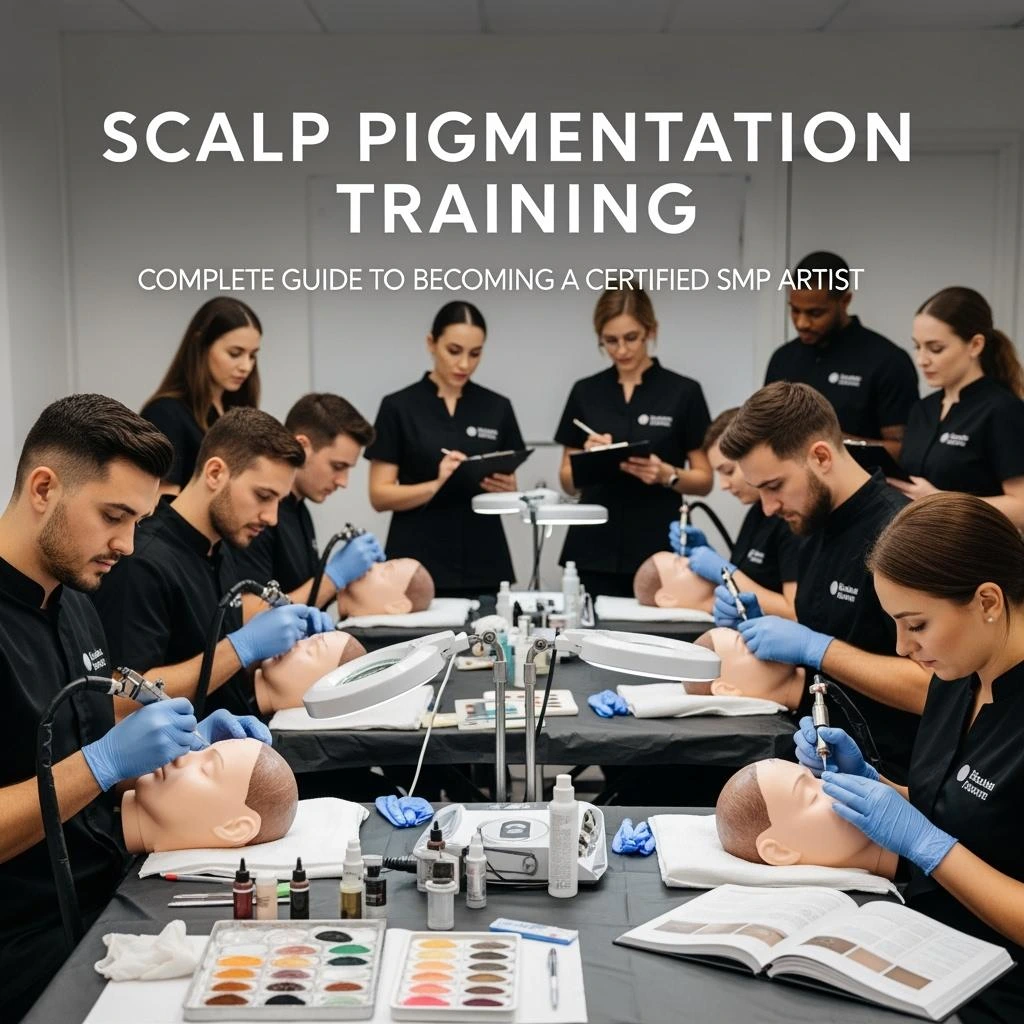
    Scalp Pigmentation Training | Become a Certified SMP Artist

    In recent years, the demand for scalp pigmentation training has grown rapidly as more people seek non-surgical solutions for hair loss. Scalp micropigmentation (SMP) has become a global phenomenon, transforming the lives of men and women who want the look of fuller hair without surgery. For professionals in the beauty, tattoo, or aesthetic industry, learning scalp pigmentation is a lucrative opportunity to expand their career and skillset.


    What Is Scalp Pigmentation Training?

    Understanding Scalp Micropigmentation (SMP)

    Scalp micropigmentation, commonly known as SMP, is a cosmetic tattooing procedure that replicates the appearance of natural hair follicles using specialized pigments and micro-needles. Unlike traditional tattooing, the technique requires precision, medical-level hygiene, and advanced knowledge of scalp anatomy.

    Through scalp pigmentation training, students learn how to create realistic hairlines, increase visual density for thinning hair, and camouflage scars caused by surgery or injury. SMP is a meticulous art form that blends aesthetic design with medical understanding — which is why structured training is essential before performing it professionally.

    Why Scalp Pigmentation Training Matters

    Proper scalp pigmentation training ensures every artist applies pigments safely, consistently, and hygienically. The course teaches not only artistic technique but also medical protocols like sterilization, pigment storage, and infection control.

    As SMP becomes more recognized globally, clients are increasingly aware of the importance of certified practitioners. By undergoing professional training, artists build credibility, protect clients from risks, and ensure their business complies with industry regulations.


    What You’ll Learn in a Scalp Pigmentation Training Course

    A professional scalp pigmentation training program combines theoretical and practical lessons designed to prepare you for real-world application.

    Theoretical Lessons

    The theory section focuses on the scientific and technical foundations of SMP. You’ll study:

    • Anatomy of the scalp and skin layers
    • Pigment color theory and blending
    • Hairline design for different face shapes
    • Density planning and visual realism

    Understanding these fundamentals ensures you can adapt techniques for different scalp types and client preferences.

    Practical Application

    Hands-on training is where skill and artistry come alive. Under expert supervision, students practice:

    • Needle angle and depth control
    • Shading and blending techniques
    • Creating natural transitions on bald or thinning areas
    • Working on mannequins and live models

    This is where you’ll build the muscle memory and visual confidence necessary for professional SMP procedures.

    Health & Safety Standards

    SMP involves skin penetration, so hygiene and safety are critical. During scalp pigmentation training, you’ll learn:

    • Sterilization procedures and equipment sanitation
    • Bloodborne pathogen prevention
    • Personal protective equipment (PPE) protocols
    • Client consultation and aftercare

    Following these standards keeps both artist and client safe while ensuring the best healing results.


    Types of Scalp Pigmentation Training Available

    In-Person vs Online SMP Training

    There are two main formats of scalp pigmentation training: in-person and online.
    In-person training offers hands-on practice with live clients, providing direct feedback from certified trainers — ideal for beginners who need to see real pigment behavior on skin.

    Online training suits experienced tattoo or PMU artists who want flexibility and theory-based learning. Many academies now offer hybrid options, combining online modules with optional live sessions for certification.

    Basic, Intermediate, and Masterclass Levels

    Training programs are usually divided into three levels:

    1. Basic Course – Covers fundamentals like pigment control, line creation, and scalp mapping.
    2. Intermediate Course – Focuses on complex density work and scar camouflage.
    3. Masterclass – Perfect for professionals seeking advanced blending techniques and mentorship under senior SMP artists.

    By progressing through each level, students refine their skill set and prepare for real-world clientele.


    How to Choose the Right Scalp Pigmentation Training Provider

    Accreditation and Certification

    Not all training programs are equal. When choosing where to study, ensure the scalp pigmentation training provider is accredited and recognized by professional aesthetic or cosmetic organizations. Certification not only enhances credibility but also helps you obtain insurance and comply with local health laws.

    Trainer Credentials & Experience

    Learn from experts who actively perform SMP procedures, not just teach them. The best trainers have years of practical experience, extensive client portfolios, and ongoing education in pigment technology and scalp physiology.

    Mentorship and post-course support are also crucial — good academies provide ongoing consultation even after graduation to help you succeed.

    Training Equipment & Facilities

    Professional SMP academies should offer sterile, medical-grade environments. Check whether the training includes:

    • A complete SMP starter kit (machine, needles, pigments)
    • Clean, well-lit workstations
    • Access to real clients during practice sessions

    These facilities reflect how serious a provider is about professional standards.


    Scalp Pigmentation Training Cost and Duration

    The scalp pigmentation training cost varies depending on region, trainer experience, and course level.

    • Basic training (2–3 days): USD 1,000–2,500
    • Intermediate/advanced (5–7 days): USD 2,500–4,500
    • Masterclass or certification (up to 10 days): USD 4,500+

    Some programs also include lifetime access to online modules, free refresher courses, and continuous mentorship.

    Most training can be completed in less than two weeks, making it a fast and effective pathway to enter a high-income field.


    Career Opportunities After Completing Scalp Pigmentation Training

    Once you complete scalp pigmentation training, several professional paths open up.

    Start Your Own SMP Clinic

    Many graduates start private SMP studios or integrate SMP into existing barbershops and beauty salons. With minimal equipment and a small workspace, you can build a six-figure business serving clients who seek hair restoration solutions.

    A strong online presence — before-and-after photos, testimonials, and social media marketing — will help attract new clients.

    Work in Aesthetic or Hair Clinics

    If you prefer collaboration, aesthetic clinics and dermatologists often seek certified SMP technicians. You’ll work alongside professionals performing hair transplants, PRP, or laser treatments, providing clients with comprehensive solutions.

    Becoming an SMP Trainer

    Experienced artists can eventually become mentors themselves. Teaching scalp pigmentation training helps expand your reputation, generate passive income, and contribute to industry growth.


    Common Mistakes to Avoid During Scalp Pigmentation Training

    New learners often make avoidable errors that affect results:

    • Ignoring proper depth control, leading to pigment blowout
    • Skipping hygiene protocols or PPE usage
    • Practicing too soon on live clients without supervision
    • Using unverified pigments or low-quality machines

    Good trainers emphasize practice, patience, and precision — three pillars of successful SMP artistry.


    Real Success Stories from Scalp Pigmentation Training Graduates

    Many graduates describe scalp pigmentation training as a life-changing experience. Some transition from barbers or tattoo artists into full-time SMP professionals. Others find renewed passion in helping clients regain confidence.

    Sharing these stories on your academy website builds trust. Include before-and-after images, short video testimonials, and case studies highlighting student growth — all of which enhance SEO and conversion rates.


    How to Enroll in a Scalp Pigmentation Training Program

    Here’s a simple step-by-step guide:

    1. Research – Compare accredited providers with proven track records.
    2. Consultation – Contact the academy to discuss your experience level and goals.
    3. Register – Choose your desired training schedule and make the payment.
    4. Prepare – Bring personal tools (gloves, PPE) and review study materials.
    5. Train & Practice – Attend sessions diligently and seek feedback from mentors.
    6. Certification & Portfolio – Complete assessments to earn your certificate and start building your SMP portfolio.

    FAQs About Scalp Pigmentation Training

    1. How long does scalp pigmentation training take?
    Most courses last 3–7 days, with optional advanced sessions up to 10 days.

    2. Do I need tattoo or PMU experience?
    No, beginners are welcome. A good scalp pigmentation training program covers everything from fundamentals to advanced techniques.

    3. Is the certification recognized globally?
    Many academies issue internationally valid certificates — verify before enrolling.

    4. How much can SMP artists earn?
    Certified SMP artists typically charge USD 1,000–5,000 per client, depending on complexity and region.

    5. What equipment is required?
    A professional SMP machine, pigments, micro-needles, mannequin, gloves, and sanitation tools.


    Conclusion: Begin Your Scalp Pigmentation Training Journey Today

    The beauty industry is constantly evolving, and scalp pigmentation training is one of its most promising frontiers. By mastering SMP, you can empower people struggling with hair loss while building a profitable and creative career.

    Whether you want to open your own clinic, join a medical team, or become a certified trainer, your first step begins with proper education. Choose an accredited provider, stay dedicated, and perfect your technique — success will follow.

    Start your professional journey today. Enroll in a reputable scalp pigmentation training program and become the next certified SMP artist making confidence visible again.

  • Restore Your Look with Scalp Micropigmentation Experts | AzScalpDoctor

    Restore Your Look with Scalp Micropigmentation Experts | AzScalpDoctor

    Introduction Scalp Micropigmentation (SMP) With AzScalpDoctor

    Hair thinning, bald patches, or visible scalp can erode confidence and affect quality of life. But what if there’s a non-surgical cosmetic option that gives the appearance of fuller hair — quickly and with minimal downtime? That’s what scalp micropigmentation (SMP) offers. As specialists in this technique, AzScalpDoctor delivers natural, high-fidelity results that help clients reclaim a confident look.

    In this article, we’ll dive into the medical and technical foundations of scalp micropigmentation, explore benefits and risks, compare SMP with other hair restoration options, and explain why AzScalpDoctor is a trusted choice for achieving a permanent look of density and definition.


    What Is Scalp Micropigmentation (SMP)?

    Scalp Micropigmentation is a cosmetic procedure where micro-dots of pigment are carefully embedded into the upper dermal layer of the scalp. These dots mimic the appearance of hair follicles or create a visual density behind thinning hair. Unlike hair transplantation, SMP does not produce new hair growth — instead, it enhances the illusion of hair.

    How SMP Differs from Other Hair Loss Solutions

    ApproachAdds Real Hair?DowntimeMaintenanceIdeal Use
    Scalp MicropigmentationNoMinimalTouch-up sessionsCamouflage thinning, scars, create buzz-cut look
    Hair Transplant (FUE/FUT)YesWeeksPossibly none or minor touch-upsFor patients with donor hair available
    Topical / Pharmacologic (e.g. minoxidil, finasteride)Stimulates hairNoneContinuous useEarly-stage thinning, diffuse hair-loss
    Tricopigmentation (temporary pigment)NoMinimalMore frequent renewals (1–2 year fade)“Trial” SMP or short-term visual density

    Because SMP is a non-invasive, low-downtime procedure, it’s especially appealing for clients who either don’t want surgery or have limited donor hair for transplants.


    How Scalp Micropigmentation Works: Medical & Technical Foundations

    Where & How Pigment Is Implanted

    • The pigment is placed into the upper dermal layer of the scalp — shallow enough to maintain crisp, fine dots, yet deep enough to hold the pigment and avoid surface fading.
    • Inserting too deep can lead to pigment migration (i.e. “blowouts”) or a blurred effect; too shallow and the pigment fades quickly.
    • The size, shape, and spacing of these micro-dots must be carefully calibrated based on the client’s hair texture, scalp tone, and design goals.

    Sessions & Layering

    • Most full SMP cases require 2 to 4 sessions, typically spaced days to weeks apart.
    • Initial sessions lay down the baseline density; subsequent sessions refine dot size, shading, and blending.
    • This layered approach helps create natural transitions and avoids over-darkening.

    Instrumentation, Pigments, and Technique

    • Single-use micro-needles are standard, sterilized under medical protocols.
    • The hand pressure, angle, and rhythm must be consistent to avoid uneven results.
    • Cosmetic-grade pigments designed for scalp use are selected for stability (resistance to fading and color shift) and safety.
    • The practitioner must anticipate UV exposure, skin tone changes, and natural pigment degradation over time.

    Anesthesia & Comfort

    • Topical numbing agents are typically used to minimize discomfort.
    • Patients may feel mild prickling or stinging, but most describe it as tolerable.
    • Scalp areas differ in sensitivity, so the practitioner must monitor carefully.

    Aftercare & Healing

    • After SMP, mild redness or swelling is common for a few hours to a day.
    • The client should avoid washing the scalp for a few days and refrain from sweating, swimming, or heavy sun exposure during that period.
    • Over subsequent weeks, minor flaking or scabbing may occur; gentle care is critical.
    • Long-term, clients must protect the scalp from UV rays (use hats / sunscreen) to slow pigment fading.

    Benefits of Scalp Micropigmentation

    Benefits of Scalp Micropigmentation
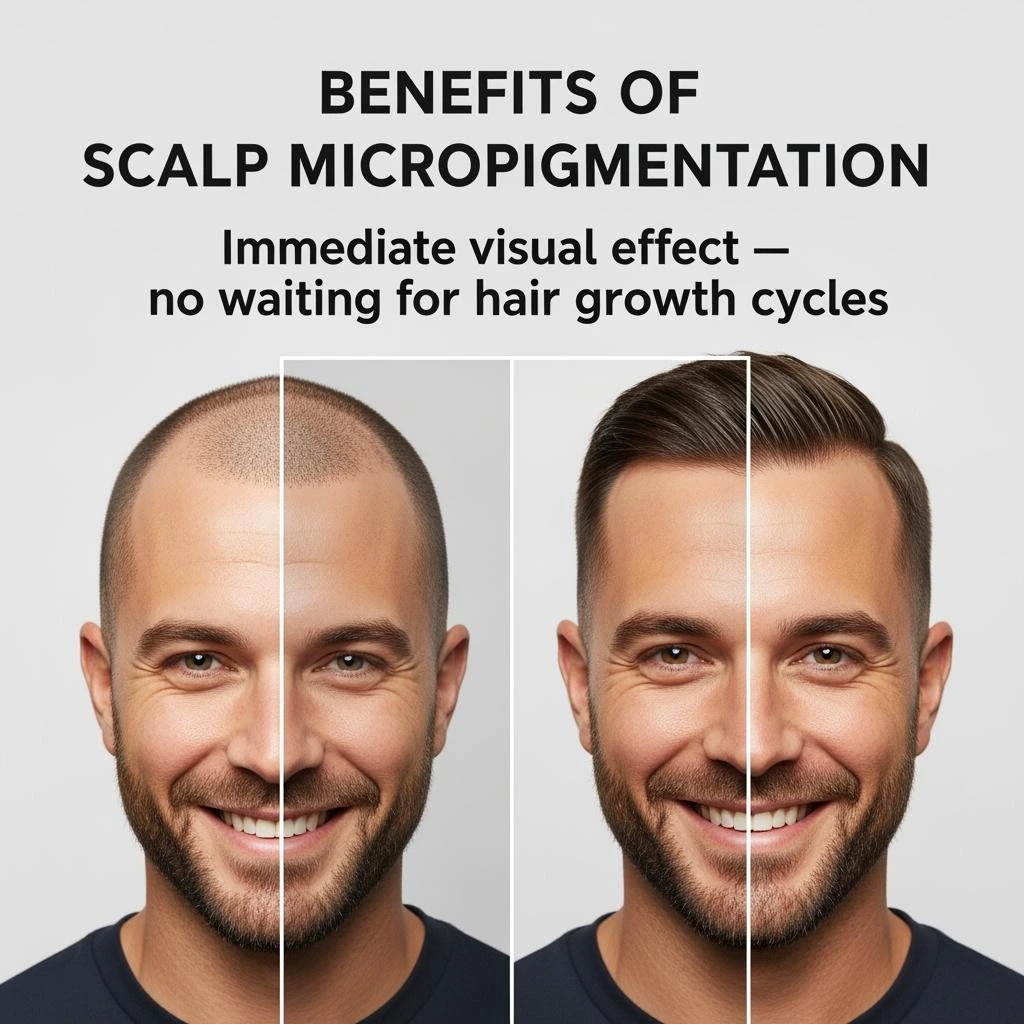
    1. Immediate visual effect — no waiting for hair growth cycles
    2. Minimal downtime — return to normal life quickly
    3. Low maintenance — periodic touch-up sessions (e.g. every 3–5 years)
    4. Scar camouflage — hides surgical scars (FUT, FUE) or trauma
    5. Versatility — suitable for men, women, various hair loss types
    6. Cost-effective alternative when comparing with transplantation + multiple treatments

    When done properly by a reputable practitioner like AzScalpDoctor, SMP can dramatically improve the aesthetic of hair density and restore confidence.


    Realistic Expectations: Before & After with AzScalpDoctor

    To set proper client expectations, AzScalpDoctor showcases before-and-after galleries with consistent lighting and angle. These examples help clients visualize the transformation and calibrate expectations realistically.

    Important considerations:

    • Hairline design should be conservative and sculpted to achieve a natural effect.
    • Dot density should mimic natural scalp visibility—too dense may look artificial; too light may not hide scalp.
    • Color matching is critical—pigments must be selected to harmonize with existing hair color, skin tone, and future changes (e.g., graying).

    Testimonials from AzScalpDoctor clients reinforce trust and illustrate outcome satisfaction in real-world settings.


    Is Scalp Micropigmentation Safe?

    When performed by trained professionals following medical protocols, SMP is considered a low-risk cosmetic procedure. However, safety depends heavily on:

    • Use of sterile, single-use equipment
    • High-grade, allergy-tested pigments
    • Proper client screening (for skin conditions, allergies, keloid history)
    • Effective aftercare and infection monitoring

    Potential complications — though rare — include infection, pigment migration, allergic reaction, and blown-out dots if done improperly.

    At AzScalpDoctor, safety is a priority. All technicians adhere to strict sterilization protocols and clinical standards to minimize risk and protect clients.


    Scalp Micropigmentation vs Hair Transplant: A Comparative View

    FeatureScalp MicropigmentationHair Transplant (FUE / FUT)
    Nature of ProcedureNon-surgical cosmetic (pigment only)Surgical relocation of actual hair follicles
    DowntimeLow (days)Medium to high (weeks)
    Pain / DiscomfortMild, controllableMore substantial — surgical healing required
    Hair GrowthNone (illusion only)Yes, new hair grows
    CostModerateHigh (surgery, donor harvesting, multiple procedures)
    Ideal ForClients with modest donor or wanting non-surgical optionClients with enough donor hair and desire for real hair
    MaintenanceTouch-up pigment sessionsSome follow-up procedures, graft care

    In many cases, a combination approach works best — SMP can fill visual gaps, soften scars, or densify areas after transplant. At AzScalpDoctor, we evaluate each client to recommend the right mix of techniques.


    How Long Does Scalp Micropigmentation Last?

    SMP is semi-permanent — it does fade with time. The durability depends on:

    • Pigment quality and depth
    • Scalp type, skin chemistry, UV exposure
    • Aftercare compliance
    • Layering technique and shading strategy

    Typical lifespan is 5 to 10 years, though many clients opt for touch-up sessions every 3–5 years to maintain crispness and contrast. In some cases, yearly small touch-ups help preserve optimal aesthetics.


    Who’s a Good Candidate for SMP?

    Ideal candidates include:

    • Men and women with androgenetic hair loss
    • People with thinning hair seeking increased scalp coverage
    • Clients with scars from past surgery (FUT/FUE) or injuries
    • Those who prefer a non-surgical, low-risk alternative
    • Individuals with limited donor hair who aren’t transplant candidates

    However, SMP is not recommended for:

    • Active scalp infections, dermatitis, or psoriasis
    • People prone to keloid scarring
    • Those with unrealistic expectations (thinking SMP will grow hair)
    • Individuals allergic to pigments or with unstable immune conditions

    A professional evaluation by AzScalpDoctor ensures safe candidacy and manages expectations.


    Cost of Scalp Micropigmentation

    Costs vary widely depending on:

    • Size of area treated
    • Density goals
    • Scar mitigation complexity
    • Geographic region and practitioner reputation

    As a ballpark, many SMP providers charge between US$1,000 and US$5,000 for full-head treatment. Smaller zones or touch-ups cost less.

    At AzScalpDoctor, we offer free consultations where we assess your scalp and provide a custom quote. Flexible financing or payment plans may be available to help make SMP accessible.


    AzScalpDoctor’s Training & Certification Program

    One unique advantage of AzScalpDoctor is that beyond being a clinic, we’re also a training institute for SMP artists. Our curriculum includes:

    • Hands-on pigment technique modules
    • Skin science, color theory, and hygiene protocols
    • Mentorship and supervised live-client practice
    • Certification upon completion

    This dual role helps us maintain a high standard of care and grow a community of skilled artists. For aspiring SMP professionals, we welcome enquiries about enrollment.


    Why Choose AzScalpDoctor?

    Expert Practitioners

    We are led by Francisco Ahumada, a certified and experienced SMP artist who ensures precision and artistry in every procedure.

    Clinical-Grade Safety

    We adhere to strict sterilization, single-use tools, and FDA-approved pigment materials to protect your scalp health.

    Proven Results

    Our portfolio includes numerous successful transformations, supported by before/after galleries and client testimonials.

    Local Trust

    Based in Mesa, Arizona, AzScalpDoctor is known locally for reliability, transparency, and client care. We take pride in our regional reputation.

    Ongoing Support

    After your SMP procedure, we provide structured aftercare instructions, monitoring, and touch-up guidance to sustain your results.


    Booking Your Consultation

    Ready to take the first step? Booking with us is simple:

    1. Visit our AzScalpDoctor booking page
    2. Fill out your hair-loss history and upload photos
    3. We’ll schedule a consultation (in-person or virtual)
    4. You receive a detailed treatment plan and quote
    5. Our Location : 1061 N Dobson Rd Ste 107, Mesa, Arizona, USA. [ Google Maps ]

    Restore your look and confidence — schedule your SMP consultation with AzScalpDoctor now


    Frequently Asked Questions (FAQ)

    1. Is scalp micropigmentation painful?

    Most clients feel minimal discomfort. Topical anesthetics mitigate stinging, and the process is generally tolerable.

    2. How many sessions are needed?

    Typically between 2 to 4 sessions, depending on area size and detail required.

    3. Can SMP match gray or blond hair?

    Yes. Our pigment specialists at AzScalpDoctor customize tones to blend naturally with any hair color and compensate for aging or graying.

    4. Is SMP permanent?

    It’s semi-permanent. Expect 5–10 years of retention, with occasional touch-up sessions recommended.

    5. How soon can I return to work?

    Most clients resume normal activity within 1–2 days; avoid sweating, swimming, or sun exposure for several days post-procedure.


    Final Thoughts

    Scalp micropigmentation is a powerful, medically grounded solution for individuals seeking to restore the illusion of density to thinning hair or conceal scalp scars — all without surgery. When delivered by experienced practitioners who prioritize safety, design, and long-term maintenance, SMP offers both aesthetic and psychological benefits.

    At AzScalpDoctor, every treatment is built on precision, care, and client satisfaction. We combine clinical safety protocols, artistic technique, and dedicated customer support to help you reclaim confidence — one dot at a time.

    “Restore your confidence with the art of SMP — trust AzScalpDoctor to bring your scalp back to life.”