Tag: non surgical hair loss

  • Hair Tattoo Cost in 2026: What Scalp Micropigmentation Really Costs

    Hair Tattoo Cost in 2026: What Scalp Micropigmentation Really Costs

    One of the first questions people ask before booking scalp micropigmentation is simple: what is the hair tattoo cost? Because “hair tattoo” is the everyday phrase many clients use for SMP, search interest around pricing is high — and the answers online are often vague or outdated.

    This guide explains what drives hair tattoo cost, typical price ranges in Arizona, what is usually included, and how to avoid cheap work that leads to expensive corrections.
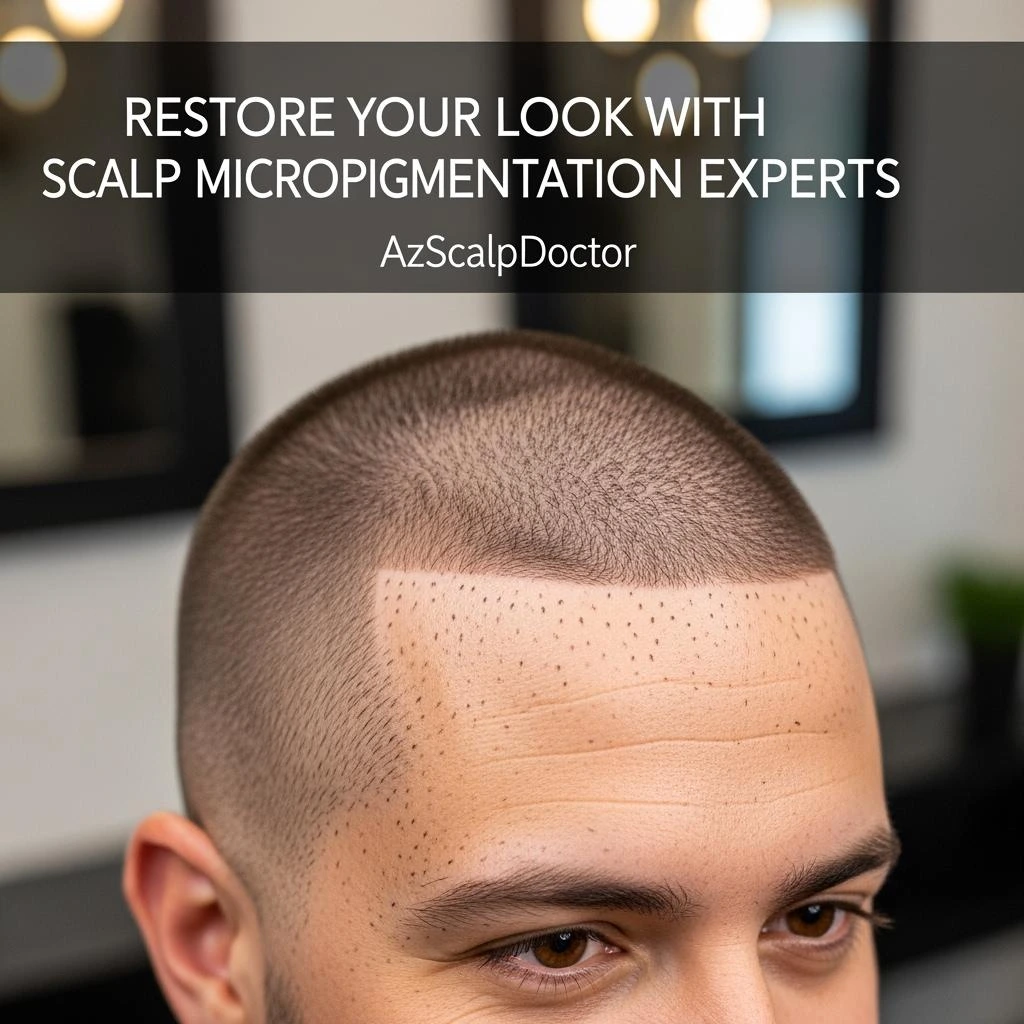
    Hair tattoo cost for scalp micropigmentation treatment at AzScalpDoctor
    Understanding hair tattoo cost starts with knowing what is included in a full SMP treatment plan.

    What “Hair Tattoo Cost” Really Means

    When people search for hair tattoo cost, they are usually researching scalp micropigmentation (SMP) — a cosmetic procedure that places microdots of pigment into the scalp to simulate hair follicles. It is not a traditional body tattoo. Specialized pigments, needle configurations, and shallow placement make the result look like stubble or added density rather than inked artwork.

    If you are new to the procedure, start with our foundational guide: What Is Scalp Micropigmentation?

    Average Hair Tattoo Cost in 2026

    Pricing varies by city, artist experience, and how much scalp coverage you need. In many U.S. markets, full SMP treatment plans commonly fall in a broad range of roughly $1,500 to $4,000+. In the Arizona market, clients often see quotes around $1,200 to $3,500 depending on Norwood level, density goals, and number of sessions.

    At AzScalpDoctor in Mesa, pricing is commonly structured by hair-loss pattern (for example Norwood stages) and typically requires multiple sessions for the most natural blend. A consultation is the only way to get an exact quote for your scalp.

    What Affects Hair Tattoo Cost?

    1. Size of the Treatment Area

    A soft hairline touch-up costs less than a full scalp density build. Larger balding patterns need more time, pigment, and sessions — so hair tattoo cost rises with coverage.

    2. Number of Sessions

    Quality SMP is layered. Most clients need two to four sessions so pigment can settle and density can be built gradually. Clinics that promise “one session forever” often under-deliver on realism.

    3. Artist Experience and Technique

    Experienced artists charge more because design, depth control, and color matching determine whether results look natural. Low prices can hide rushed work, incorrect pigment, or poor hairline design — issues covered in our article on scalp micropigmentation regrets.
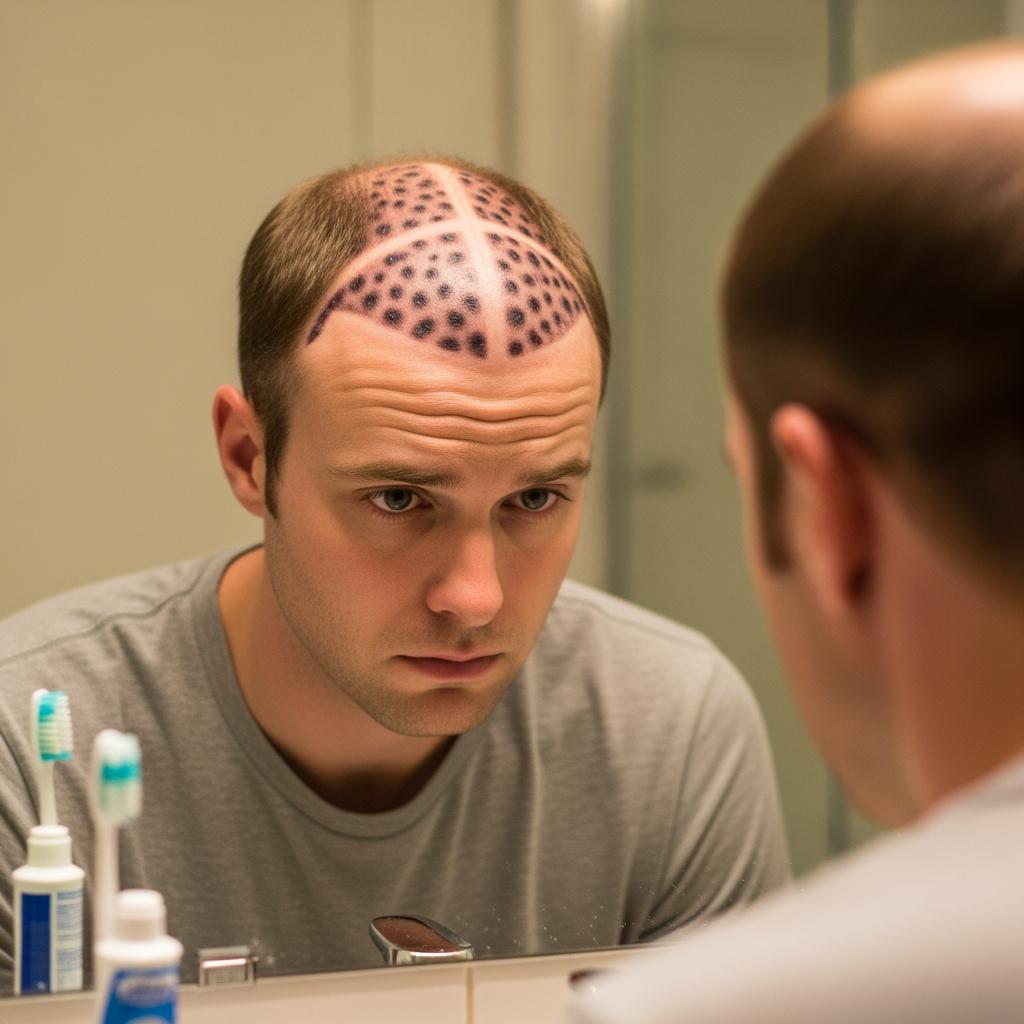
    Factors that affect hair tattoo cost and SMP quality outcomes
    Choosing skill over the lowest hair tattoo cost helps you avoid correction work later.

    4. Scar Camouflage or Correction Work

    Covering FUE/FUT scars, old tattoo ink, or previous SMP mistakes is more technical than a standard buzz-cut look. Complex cases usually cost more because they require slower, more precise blending.

    5. Aftercare and Touch-Ups

    Ask whether aftercare products, follow-up checks, or a first touch-up window are included. Sun exposure, skincare habits, and healing all affect longevity. Use a strong aftercare plan like the one in our SMP aftercare tips guide to protect your investment.

    What Is Usually Included in the Price?

    • Consultation and hairline design
    • Multiple treatment sessions
    • Medical-grade SMP pigment (not regular tattoo ink)
    • Aftercare instructions and product recommendations
    • Progress checks between sessions

    Always confirm inclusions in writing. Two clinics can advertise similar hair tattoo cost numbers while offering very different session counts and materials.

    Hair Tattoo Cost vs Hair Transplant Cost

    Many clients compare SMP pricing with surgical restoration. Transplants often cost significantly more and require downtime, donor hair, and months of growth before final results appear. SMP is usually more affordable upfront and delivers a finished look much faster.

    If you are still deciding between procedures, our Arizona overview at AzScalpDoctor’s scalp micropigmentation page explains how non-surgical density and hairline work can fit different goals.

    Is a Lower Price Ever Worth It?

    Sometimes promotional pricing is legitimate — especially for soft density fills or limited zones. But be cautious when quotes are dramatically below market averages. Common red flags include:

    • No healed before-and-after portfolio
    • Using standard tattoo ink instead of SMP pigment
    • Skipping consultation or hairline mapping
    • Promising permanent results with zero maintenance
    • No clear sanitation or aftercare protocol

    Correction work after a bad hair tattoo can cost as much as — or more than — doing it right the first time.

    How to Get an Accurate Quote

    1. Share clear photos of your hairline, crown, and donor/thinning areas.
    2. Explain your goal — buzz-cut look, density fill, women’s part-line blend, or scar cover.
    3. Ask about sessions — how many are included in the quoted hair tattoo cost?
    4. Review healed results for clients with a similar hair-loss pattern and skin tone.
    5. Confirm touch-up policy so you know long-term maintenance expectations.

    Hair Tattoo Cost for Men vs Women

    Men often seek a full scalp or hairline restoration look, which can require more coverage. Women frequently need density around the part line, temples, or baby-hair areas. Smaller targeted zones can lower cost, but color matching and soft blending still require advanced technique.

    Either way, personalized design matters more than a generic package price.

    Investing in Results That Look Real

    The smartest way to evaluate hair tattoo cost is value per year of confidence — not the cheapest session on day one. A well-executed SMP treatment can look natural for years with proper sun care and occasional touch-ups.

    At AzScalpDoctor in Mesa, AZ, Master Artist Francisco Ahumada focuses on natural hairlines, correct pigment selection, and layered density so your result holds up in daylight, photos, and everyday life.

    Final Thoughts

    So, what should you expect for hair tattoo cost? Plan for a multi-session investment that reflects coverage area, artist skill, and case complexity. In Arizona, many clients find SMP more accessible than surgery while still delivering a dramatic visual upgrade.

    If you want a clear quote based on your scalp and goals, contact AzScalpDoctor for a consultation. We will walk through options, session planning, and transparent pricing — so you know exactly what your hair tattoo cost includes before you begin.

    FAQ: Quick Answers About Hair Tattoo Cost

    Does insurance cover hair tattoo cost?
    Usually no. Scalp micropigmentation is considered a cosmetic procedure, so most clients pay privately. Some clinics offer payment plans to make budgeting easier.

    How many sessions are included in the quoted price?
    Always ask. A realistic hair tattoo cost quote should cover the full plan — commonly 2–4 sessions — not just the first visit. Layering pigment across sessions is what creates natural depth.

    Will I need yearly touch-ups?
    Not always yearly. Many clients wait several years, depending on sun exposure, skincare, and how their skin holds pigment. Touch-up pricing is often lower than a full new treatment.
  • Scalp Micropigmentation vs Hair Transplant: Which Is Right for You?

    Scalp Micropigmentation vs Hair Transplant: Which Is Right for You?

    Choosing a hair loss solution can feel overwhelming. Two of the most searched options today are scalp micropigmentation vs hair transplant — and for good reason. Both can dramatically improve how you look and feel, but they work in completely different ways, cost different amounts, and suit different hair-loss patterns.

    If you are comparing these treatments in Arizona — or anywhere else — this guide breaks down the real differences so you can decide with confidence.

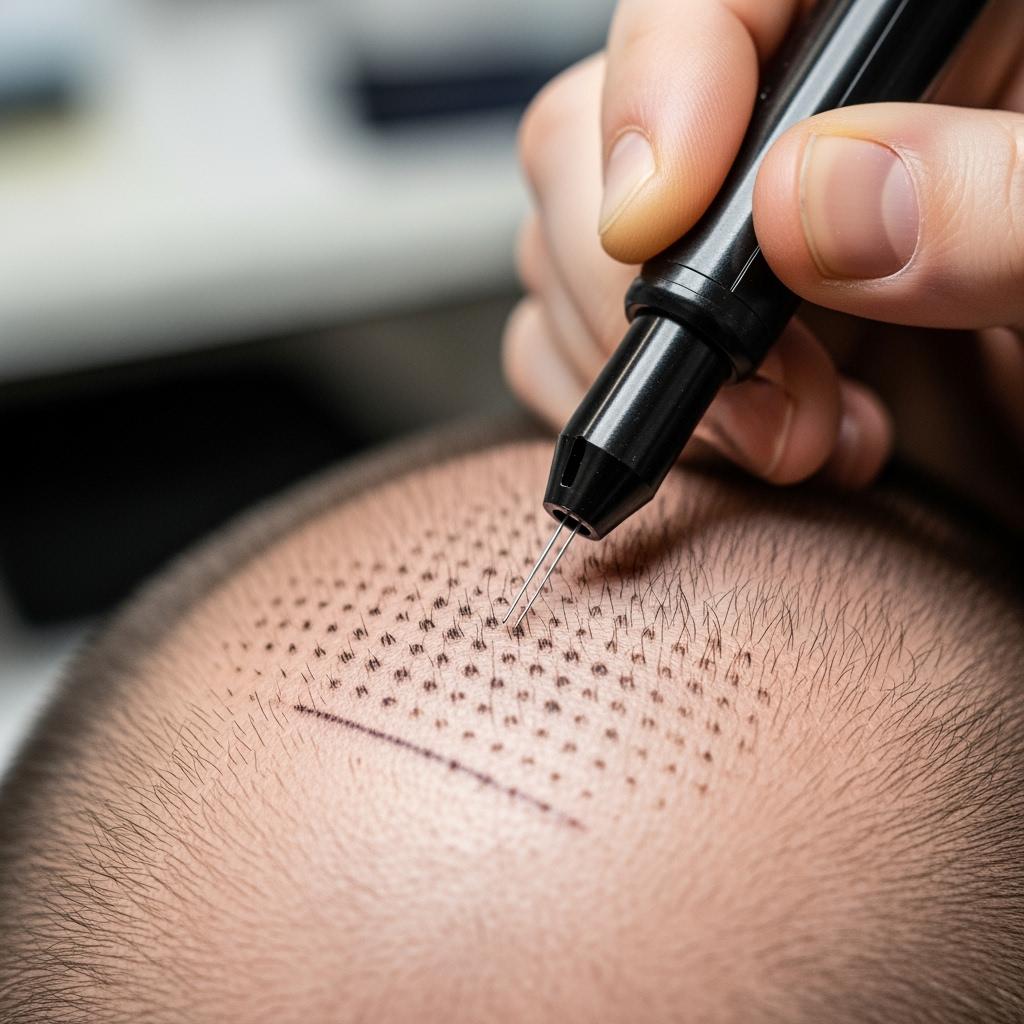
    Scalp micropigmentation vs hair transplant comparison for hair loss solutions
    Understanding scalp micropigmentation vs hair transplant helps you choose the right path for your hair-loss goals.

    What Is Scalp Micropigmentation?

    Scalp micropigmentation (SMP), often called a hair tattoo, deposits tiny pigment dots into the upper layer of the scalp to mimic natural hair follicles. The result can look like a clean buzz cut or denser hair behind thinning strands — without surgery, grafts, or weeks of recovery.

    If you want a deeper foundation on how the procedure works, read our complete overview: What Is Scalp Micropigmentation?

    At AzScalpDoctor in Mesa, Arizona, SMP is used for hairline restoration, density fills, scar camouflage, and alopecia-related hair loss. Most clients complete treatment in two to four sessions.

    What Is a Hair Transplant?

    A hair transplant surgically moves healthy hair follicles from a donor area (usually the back of the scalp) to thinning or bald regions. Common techniques include FUE (Follicular Unit Extraction) and FUT (Follicular Unit Transplantation). Transplants create real growing hair, but they require donor availability, downtime, and a higher budget.

    Many people research transplants first, then discover SMP as a non-surgical alternative — or as a way to camouflage transplant scars later. That is why the comparison of scalp micropigmentation vs hair transplant shows up so often in Google searches.

    Scalp Micropigmentation vs Hair Transplant: Side-by-Side

    1. How Results Look

    • SMP: Creates the illusion of density or a closely shaved head. Results are immediate and highly customizable for hairline shape and density.
    • Hair transplant: Produces real hair that grows. Final density and coverage depend on graft count and donor quality, and full results take months.

    2. Invasiveness and Downtime

    • SMP: Minimally invasive. Most clients return to normal activities quickly, with aftercare focused on keeping the scalp clean and protected.
    • Hair transplant: Surgical. Expect swelling, scabbing, activity limits, and a longer healing timeline.

    Proper healing still matters for SMP. Follow a proven routine like the one in our scalp micropigmentation aftercare guide to protect pigment and longevity.

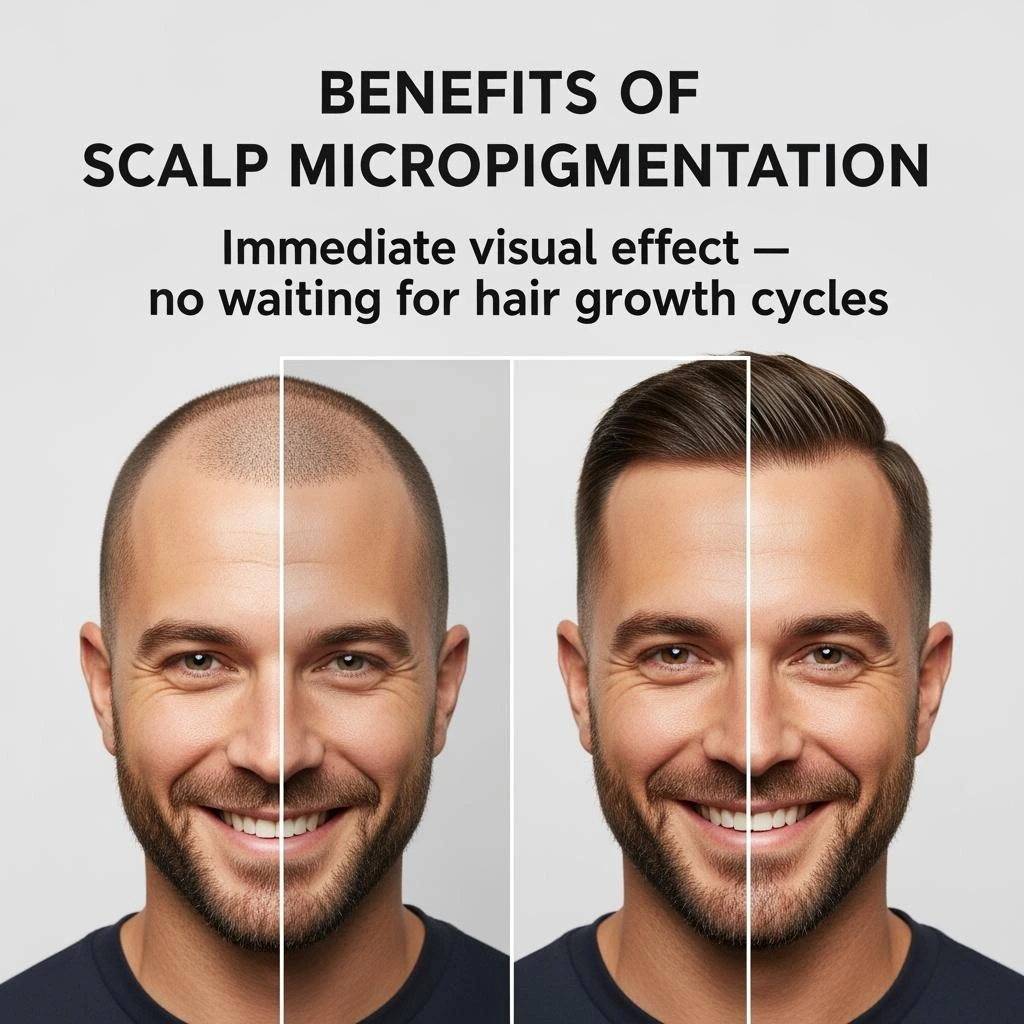
    Benefits of scalp micropigmentation compared with hair transplant surgery
    SMP offers natural-looking density with far less downtime than surgical hair restoration.

    3. Cost Comparison

    Cost varies by city and clinic, but general ranges look like this:

    • Scalp micropigmentation: Often a few thousand dollars for a full treatment plan (multiple sessions).
    • Hair transplant: Frequently several thousand to well over ten thousand dollars, depending on graft count and surgeon.

    When people weigh scalp micropigmentation vs hair transplant on budget alone, SMP usually wins. That said, cost should never be the only factor — the right treatment is the one that matches your goals and scalp condition.

    4. Longevity and Maintenance

    • SMP: Semi-permanent. Pigment can last several years and may need a touch-up as skin renews and sun exposure fades color.
    • Hair transplant: Permanent growing hair in transplanted areas, though surrounding native hair can still thin over time, which may create an uneven look later.

    5. Who Is a Better Candidate?

    SMP may be ideal if you:

    • Want a sharp buzz-cut or shadowed density look
    • Have limited donor hair for transplant
    • Prefer a non-surgical option with minimal downtime
    • Need scar camouflage after FUE/FUT
    • Want predictable, styled hairline control

    A hair transplant may be ideal if you:

    • Want real hair length and styling flexibility
    • Have strong donor density
    • Are comfortable with surgery, healing time, and higher cost
    • Prefer growing hair rather than a pigmented follicle effect

    Common Myths When Comparing Both Treatments

    Myth: “SMP always looks fake.”
    Modern SMP, done with medical-grade pigment and precise depth control, can look remarkably natural — especially when the hairline softens correctly and density matches skin tone. Poor technique causes unnatural results, which is why choosing an experienced artist matters. Learn how to avoid common pitfalls in our article on scalp micropigmentation regrets.

    Myth: “A transplant fixes everything forever.”
    Transplants move existing follicles; they do not stop future hair loss. Many transplant patients later use SMP for density blending or scar coverage.

    Myth: “You must choose only one.”
    Some clients combine both. Transplant for growth where possible, then SMP for density fill or scar camouflage. The debate around scalp micropigmentation vs hair transplant is not always either/or.

    How to Decide: A Simple Framework

    1. Define your goal. Do you want growing hair, or a crisp low-maintenance look?
    2. Assess your donor area. Weak donor supply often points toward SMP.
    3. Weigh downtime. Busy schedules usually favor SMP.
    4. Set a realistic budget. Include sessions, aftercare, and possible touch-ups.
    5. Review healed results. Look at before-and-after photos from the actual clinic you are considering.

    For local clients comparing options in Arizona, see how AzScalpDoctor approaches natural results in our Arizona scalp micropigmentation guide.

    Why Many Clients in Mesa Choose SMP First

    At AzScalpDoctor, clients often start with SMP because it delivers visible transformation quickly, works for men and women, and does not require surgery. Francisco, our master SMP artist, designs hairlines and density patterns that fit your face shape, lifestyle, and Norwood pattern — whether you want a soft fade look or fuller coverage through thinning hair.

    We also serve clients who already had transplants and want scar blending or added density. That dual experience is exactly why understanding scalp micropigmentation vs hair transplant matters before you book either procedure.

    Final Takeaway

    There is no universal winner in the scalp micropigmentation vs hair transplant decision. Hair transplants grow real hair but demand surgery, donor supply, and higher cost. SMP creates a natural follicle effect with minimal downtime and strong visual impact.

    If you want a non-surgical, high-definition solution for thinning, baldness, or scars, scalp micropigmentation is often the smarter first step. Ready to compare options for your scalp? Contact AzScalpDoctor in Mesa, AZ, and schedule a consultation to see which approach fits your goals.