Tag: hair tattoo

  • Scalp Micropigmentation Mesa: Local Guide to Natural SMP Results

    Scalp Micropigmentation Mesa: Local Guide to Natural SMP Results

    Looking for scalp micropigmentation Mesa residents actually trust? Mesa and the East Valley have become a practical hub for clients who want natural SMP without traveling across Phoenix traffic for every session. This guide explains what to expect locally — from consultation and session planning to results, pricing factors, and how to choose the right artist.

    AzScalpDoctor is based at 1061 N Dobson Rd #107 in Mesa, AZ, and serves clients from Mesa, Tempe, Chandler, Gilbert, Scottsdale, and greater Phoenix.
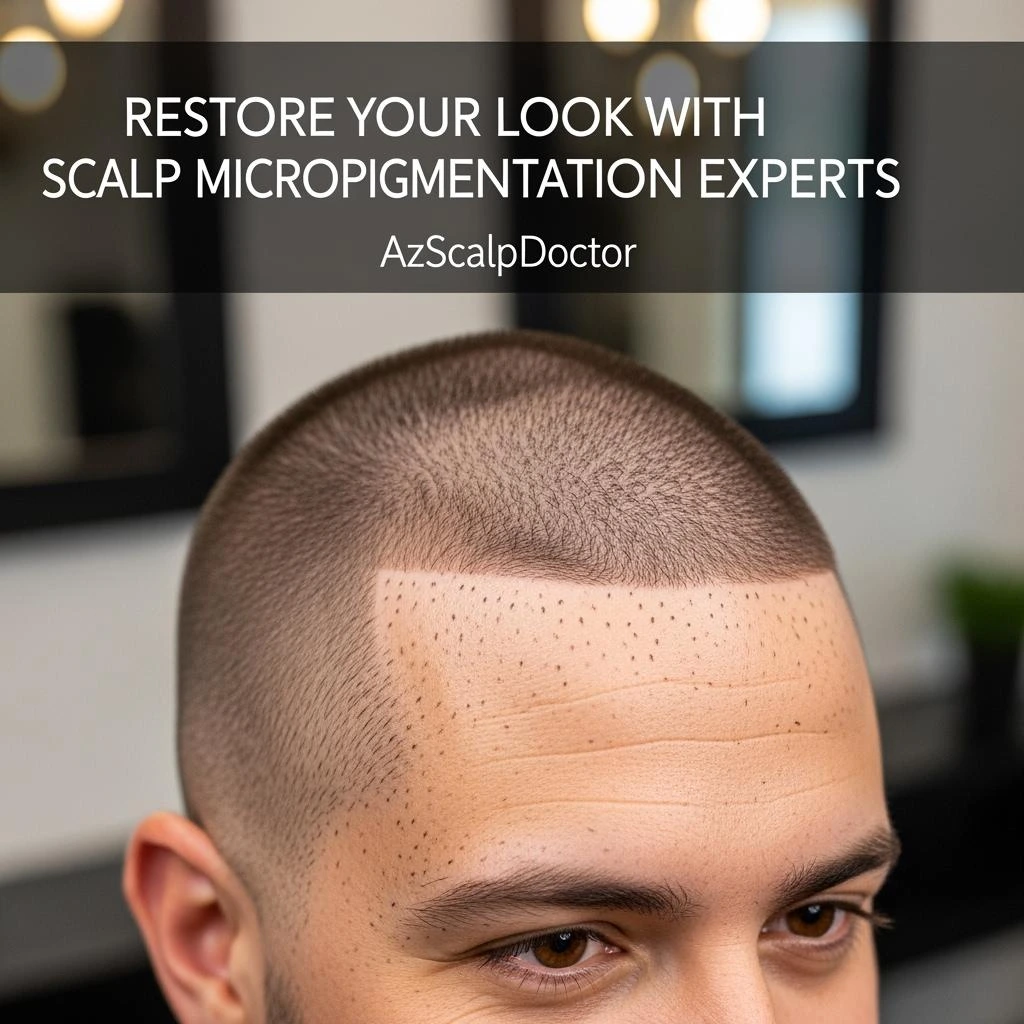
    Scalp micropigmentation Mesa Arizona clinic AzScalpDoctor
    Scalp micropigmentation Mesa clients often want natural hairlines, density fills, and convenient East Valley access.

    Why Mesa Is a Strong Location for SMP

    Scalp micropigmentation usually needs multiple visits. Choosing a Mesa studio means less travel between sessions and easier follow-ups. East Valley clients also benefit from a growing local market — more artists, more before-and-after examples, and more education around what quality SMP should look like.

    If you are completely new to the treatment, start here: What Is Scalp Micropigmentation?

    What Scalp Micropigmentation Mesa Clinics Typically Offer

    Hairline Restoration

    Ideal for receding temples and Norwood-pattern loss. A well-designed Mesa SMP hairline should look soft, age-appropriate, and balanced with your facial structure.

    Density Fill

    For thinning crowns or see-through areas, pigment reduces scalp contrast so hair looks thicker under light. This option is popular with both men and women who still keep length.

    Scar Camouflage

    FUE and FUT scars, trauma marks, or prior procedure lines can often be blended with precise micropigmentation. Technique matters more here than speed.

    Our Arizona service overview covers these options in depth: scalp micropigmentation by AzScalpDoctor Arizona.

    How to Choose a Scalp Micropigmentation Mesa Provider

    1. Review healed photos in daylight, not only fresh work.
    2. Ask about pigment — SMP pigment versus standard tattoo ink.
    3. Confirm session plan — most natural results need 2–4 sessions.
    4. Discuss hairline design before any needle work begins.
    5. Check aftercare support so healing protects your investment.

    Avoiding rushed clinics is critical. Common pitfalls are explained in our article on scalp micropigmentation regrets.
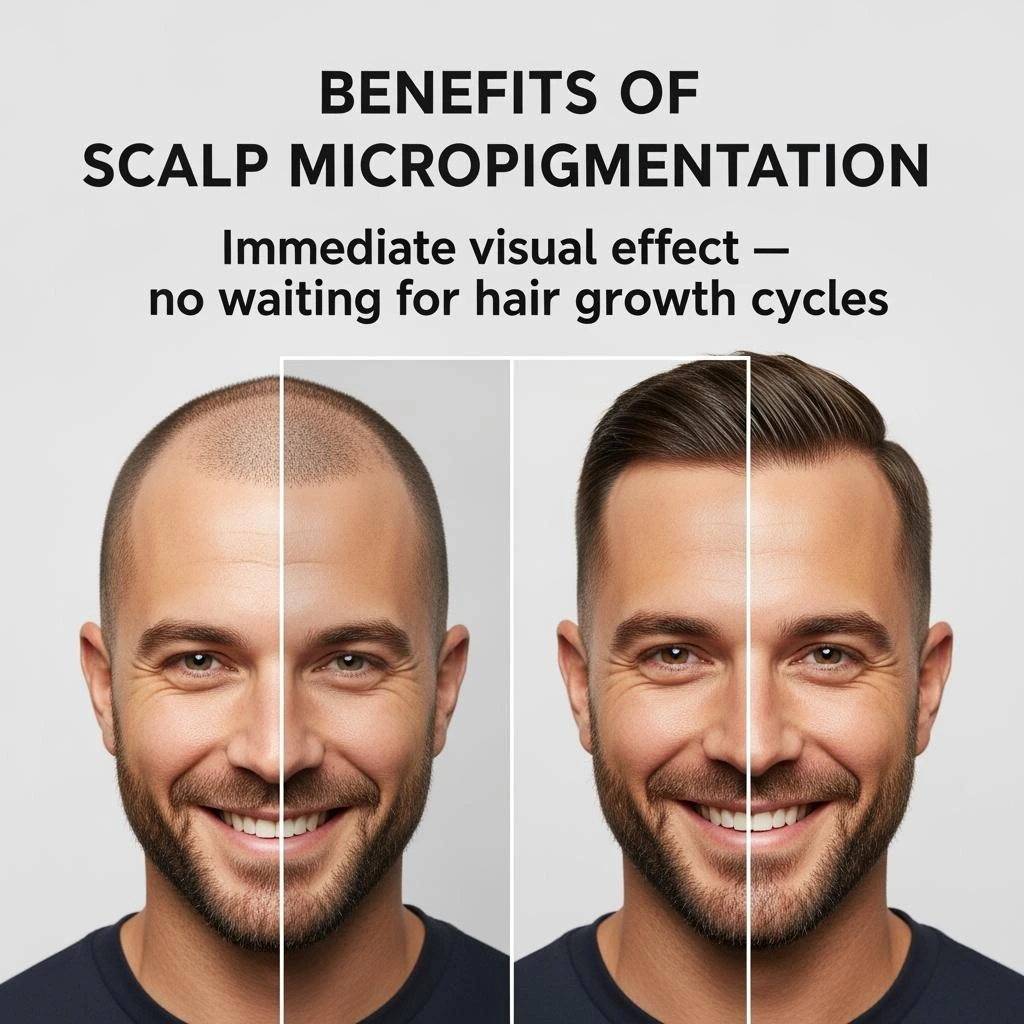
    Benefits of scalp micropigmentation Mesa for hairline and density
    Quality scalp micropigmentation Mesa treatments prioritize soft design, layered density, and healed natural results.

    What a Typical Mesa SMP Process Looks Like

    Consultation: Photos, hair-loss pattern review, style goals, and quote.

    Session 1: Hairline mapping and base density.

    Session 2–3: Build depth, refine transitions, adjust color as pigment settles.

    Optional later touch-up: Maintain contrast after natural fade over years.

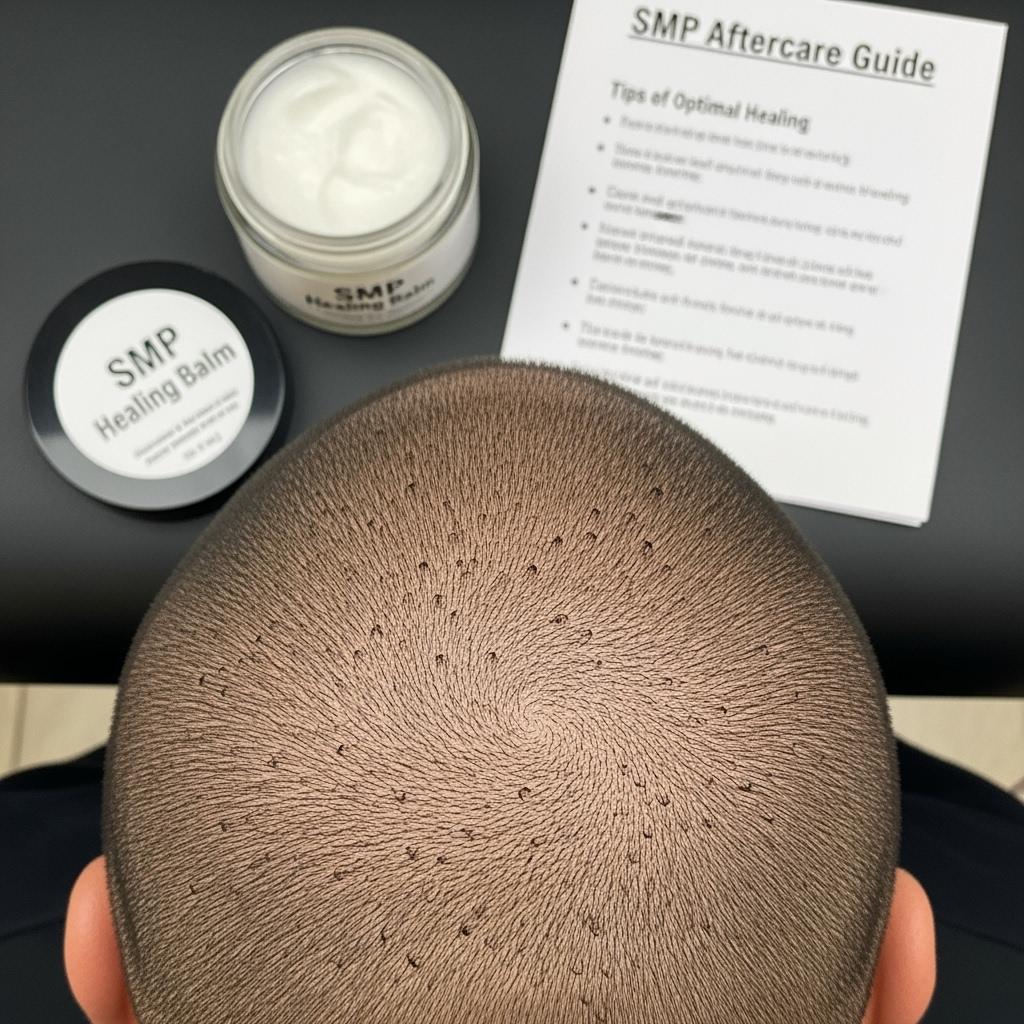
    After each visit, follow a clear healing routine. Use our complete scalp micropigmentation aftercare guide to protect pigment and reduce blotchiness.

    Scalp Micropigmentation Mesa Cost Factors

    Local pricing depends on coverage area, Norwood level, scar complexity, and artist experience. Smaller density fills cost less than full-scalp restorations. Always ask what is included: number of sessions, aftercare guidance, and touch-up policy.

    For a broader pricing breakdown, read our hair tattoo cost guide. If you are comparing SMP with surgery, this comparison helps: scalp micropigmentation vs hair transplant.

    Who Travels to Mesa for SMP?

    • East Valley residents who want convenient multi-session care
    • Phoenix and Scottsdale clients seeking specialized artists
    • Men wanting a crisp buzz-cut restoration
    • Women needing soft density around the part or temples
    • Transplant patients needing scar blending

    Why Clients Choose AzScalpDoctor in Mesa

    Francisco Ahumada, Master SMP Artist and owner, focuses on natural hairlines, medical-grade materials, and hands-on precision. Beyond client treatments, AzScalpDoctor also offers professional SMP training for artists building careers in Arizona — which keeps technique standards high inside the studio.

    That combination — treatment quality plus education — is one reason searches for scalp micropigmentation Mesa increasingly lead people to request consultations here.

    Local Tips Before Your First Appointment

    • Arrive with a clear style reference (buzz cut, soft density, or scar cover).
    • Share medication and skin-sensitivity history during consultation.
    • Plan downtime for aftercare, especially around workouts and swimming.
    • Schedule sessions with enough healing time between visits.
    • Ask to see healed examples matching your skin tone.

    Arizona Climate and SMP Longevity

    Mesa sun is intense. UV exposure can fade pigment faster if you skip protection. After healing, use scalp-safe SPF habits and avoid unnecessary prolonged sun. Good aftercare in Arizona is not optional — it is part of keeping results sharp.

    Ready to Book Scalp Micropigmentation in Mesa?

    If you want natural-looking SMP with a clear plan and local convenience, AzScalpDoctor is ready to help. We will evaluate your pattern, design your hairline or density map, and give transparent expectations before treatment begins.

    Contact the Mesa studio to schedule your consultation and see whether scalp micropigmentation Mesa services are the right next step for your hair-loss goals.

    Scalp Micropigmentation Mesa vs Nearby Cities

    Clients often compare Mesa with Scottsdale, Tempe, Chandler, and Phoenix. In practice, results depend more on the artist than the city label. What Mesa offers is convenience for East Valley schedules and a studio environment focused specifically on SMP rather than treating it as a side service.

    If you live in Gilbert or Chandler, a Mesa location can cut commute time across multiple sessions. If you live in North Phoenix or Scottsdale, many clients still travel when they want a particular hairline style or instructor-level technique.

    Questions to Ask During Your Mesa Consultation

    • How many sessions do clients with my Norwood level usually need?
    • Will my hairline be mapped and photographed before treatment?
    • What pigment system do you use for long-term color stability?
    • How do you handle scar tissue differently from virgin scalp?
    • What aftercare products and restrictions should I follow in Arizona heat?

    Clear answers build trust. Vague promises about “permanent one-session magic” are a red flag for scalp micropigmentation Mesa shoppers.

    Who Is a Good Candidate in the East Valley?

    Most healthy adults with male or female pattern thinning, diffuse density loss, or transplant scars can be candidates. Active scalp infections, certain uncontrolled medical conditions, or unrealistic style expectations may require delay or alternative planning. A consultation is the safest way to confirm fit.

    Women with part-line thinning and men seeking a crisp buzz-cut restoration are both common at AzScalpDoctor. The design strategy changes, but the goal stays the same: natural contrast reduction that holds up in Mesa sunlight.

    Next Step

    Ready to move from research to results? Book a consultation for scalp micropigmentation Mesa services at AzScalpDoctor. Bring reference photos, share your goals, and leave with a realistic plan — not pressure.
  • Does Scalp Micropigmentation Look Real? What Natural SMP Actually Looks Like

    Does Scalp Micropigmentation Look Real? What Natural SMP Actually Looks Like

    One of the biggest questions clients ask before booking is: does scalp micropigmentation look real? The short answer is yes — when it is performed with the right pigment, depth, density, and hairline design. The longer answer is what this guide covers, so you know what separates natural results from obvious ones.

    At AzScalpDoctor in Mesa, Arizona, natural-looking SMP is the standard we design for daylight, photos, and close conversation — not just a flattering studio angle.

    Does scalp micropigmentation look real natural SMP results
    When technique and pigment are right, does scalp micropigmentation look real? Yes — especially in natural light.

    What “Looking Real” Actually Means

    People searching “does scalp micropigmentation look real” usually want three things: soft hairline edges, follicle-sized dots (not blobs), and color that matches their skin and hair tone. Realism is not about packing pigment as dark as possible. It is about restraint, layering, and optical blending.

    If you are new to the procedure, start with our foundation guide: What Is Scalp Micropigmentation?

    Why Some SMP Looks Fake

    • Hairline too hard or too low: A ruler-straight edge reads as drawn-on.
    • Dots too large or too deep: Oversized impressions look like freckles or a solid tattoo.
    • Wrong pigment chemistry: Regular tattoo ink can shift blue/green over time.
    • One-session overpacking: Skipping layered sessions often creates muddy density.
    • Poor aftercare: Premature washing, sweat, or sun can blur healing results.

    These mistakes are a major source of disappointment. Learn how to avoid them in our guide to scalp micropigmentation regrets.

    What Makes Natural SMP Look Convincing

    1. Soft, Age-Appropriate Hairline Design

    A believable hairline has micro-irregularities, not a stamped curve. Your face shape, age, and Norwood pattern should guide placement. For many men, a slightly higher, softer temple transition looks younger than forcing a teenage hairline.

    2. Layered Density Across Sessions

    Natural results are built in stages. Session one establishes map and base; later sessions refine density and soften transitions. That is why quality plans usually include two to four visits.

    3. Pigment Matched to Skin Undertone

    Color matching is where realism lives. Pigment that is too black can heal harsh; pigment that is too warm can look orange. Experienced artists adjust for undertone and expected fade.

    Natural looking scalp micropigmentation benefits and realistic density
    Layered density and correct pigment help answer “does scalp micropigmentation look real” with confidence.

    4. Proper Aftercare During Healing

    Even excellent technique needs clean healing. Follow a proven routine from our SMP aftercare tips so pigment settles evenly and edges stay crisp.

    Does Scalp Micropigmentation Look Real Up Close?

    From conversational distance, well-done SMP should read as shaved hair or denser coverage. Up close, you may still notice microdots — just as you can notice individual follicles on a real buzz cut. The goal is natural illusion, not microscopic invisibility.

    Clients often compare SMP with surgery when judging realism. If you are still weighing options, read our comparison of scalp micropigmentation vs hair transplant.

    Who Gets the Most Natural Results?

    • Men wanting a clean buzz-cut look
    • Clients with thinning crowns who need soft density fill
    • People covering FUE/FUT scars
    • Women blending part-line transparency (with specialized density work)
    • Clients open to a realistic hairline rather than an aggressive fashion line

    How to Evaluate an Artist Before You Book

    1. Ask for healed photos, not only fresh-session photos.
    2. Look for soft temples and varied dot spacing.
    3. Confirm SMP pigment is used — not standard tattoo ink.
    4. Ask how many sessions are planned for your pattern.
    5. Review consultation process and hairline mapping.

    For local context and clinic approach, see our Arizona overview: scalp micropigmentation by AzScalpDoctor. Pricing transparency also helps you compare quality — our hair tattoo cost guide explains what a full plan usually includes.

    Realistic Expectations After Treatment

    Immediately after a session, color can look darker. As the scalp heals, pigment softens into a more natural tone. That fade-in period is normal and part of why artists build density gradually. Long-term, sun protection and gentle scalp care keep results looking sharp for years.

    Final Answer

    So, does scalp micropigmentation look real? With skilled design, medical-grade pigment, layered sessions, and solid aftercare — yes. The difference between “wow, that looks natural” and “that looks tattooed” is technique and planning, not luck.

    If you want a natural-looking result in Mesa or the greater Phoenix area, schedule a consultation with AzScalpDoctor. We will map a hairline and density plan that fits your features, lifestyle, and goals.

    Daylight Test: The True Realism Check

    Studio lighting can flatter almost any result. The better test for “does scalp micropigmentation look real” is outdoor daylight and bathroom lighting. Natural SMP should hold up when light hits the crown, temples, and hairline from multiple angles. If pigment looks painted only under warm lamps, density or color matching likely needs refinement.

    Ask your artist for healed daylight photos of clients with a similar skin tone and hair-loss pattern. That single habit filters out most portfolios that look impressive only when freshly done.

    SMP for Buzz Cut vs Density Fill: Different Realism Goals

    A full buzz-cut style uses more uniform follicle simulation across the scalp. Density fill for thinning hair works differently: pigment is placed to reduce scalp shine through existing strands. Both can look real, but the design rules change. Over-darkening a density fill can create a “shadow cap” effect, while under-building a buzz-cut look can appear patchy.

    Women seeking baby-hair or part-line blend also need a softer approach than classic male Norwood restorations. The same question — does scalp micropigmentation look real — has different technical answers depending on style.

    How Long Natural Results Stay Natural

    Even excellent work softens over years as skin renews and UV exposure fades pigment. That does not mean results suddenly look fake. It usually means contrast decreases. A timed touch-up restores crispness. Clients who protect their scalp from sun and follow aftercare typically keep a natural appearance longer between visits.

    If you are comparing long-term value with surgery, remember transplants grow real hair but may still leave density gaps or scars that SMP later improves. Many clients combine both for the most natural overall look.

    Consultation Checklist for Realistic Results

    • Discuss your preferred style: buzz cut, soft density, or scar blend.
    • Review healed cases in daylight photos.
    • Confirm pigment brand category (SMP pigment vs tattoo ink).
    • Map hairline with face shape and age in mind.
    • Agree on session count before you pay a deposit.

    At AzScalpDoctor, Master Artist Francisco Ahumada builds each plan around those checkpoints so the final look reads as hair — not ink.

  • Hair Tattoo Cost in 2026: What Scalp Micropigmentation Really Costs

    Hair Tattoo Cost in 2026: What Scalp Micropigmentation Really Costs

    One of the first questions people ask before booking scalp micropigmentation is simple: what is the hair tattoo cost? Because “hair tattoo” is the everyday phrase many clients use for SMP, search interest around pricing is high — and the answers online are often vague or outdated.

    This guide explains what drives hair tattoo cost, typical price ranges in Arizona, what is usually included, and how to avoid cheap work that leads to expensive corrections.

    Hair tattoo cost for scalp micropigmentation treatment at AzScalpDoctor
    Understanding hair tattoo cost starts with knowing what is included in a full SMP treatment plan.

    What “Hair Tattoo Cost” Really Means

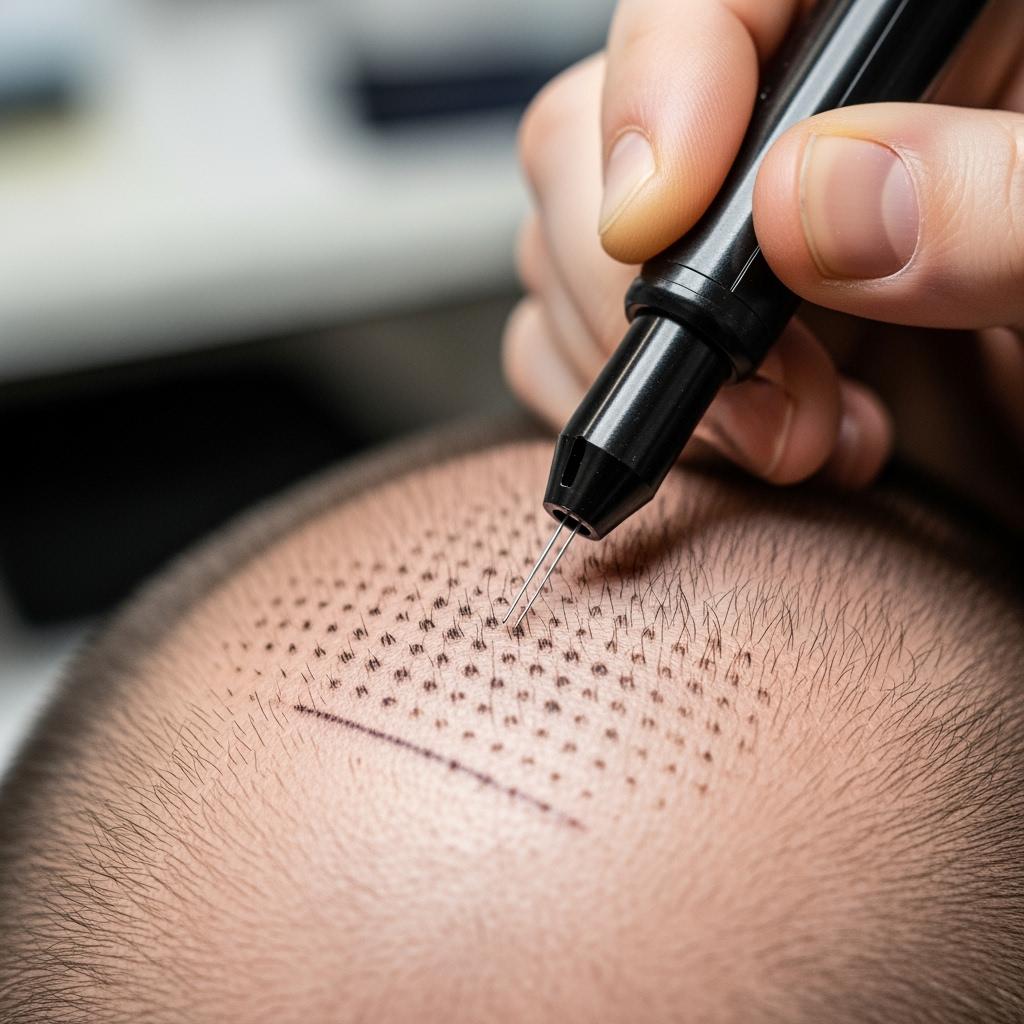
    When people search for hair tattoo cost, they are usually researching scalp micropigmentation (SMP) — a cosmetic procedure that places microdots of pigment into the scalp to simulate hair follicles. It is not a traditional body tattoo. Specialized pigments, needle configurations, and shallow placement make the result look like stubble or added density rather than inked artwork.

    If you are new to the procedure, start with our foundational guide: What Is Scalp Micropigmentation?

    Average Hair Tattoo Cost in 2026

    Pricing varies by city, artist experience, and how much scalp coverage you need. In many U.S. markets, full SMP treatment plans commonly fall in a broad range of roughly $1,500 to $4,000+. In the Arizona market, clients often see quotes around $1,200 to $3,500 depending on Norwood level, density goals, and number of sessions.

    At AzScalpDoctor in Mesa, pricing is commonly structured by hair-loss pattern (for example Norwood stages) and typically requires multiple sessions for the most natural blend. A consultation is the only way to get an exact quote for your scalp.

    What Affects Hair Tattoo Cost?

    1. Size of the Treatment Area

    A soft hairline touch-up costs less than a full scalp density build. Larger balding patterns need more time, pigment, and sessions — so hair tattoo cost rises with coverage.

    2. Number of Sessions

    Quality SMP is layered. Most clients need two to four sessions so pigment can settle and density can be built gradually. Clinics that promise “one session forever” often under-deliver on realism.

    3. Artist Experience and Technique

    Experienced artists charge more because design, depth control, and color matching determine whether results look natural. Low prices can hide rushed work, incorrect pigment, or poor hairline design — issues covered in our article on scalp micropigmentation regrets.

    Factors that affect hair tattoo cost and SMP quality outcomes
    Choosing skill over the lowest hair tattoo cost helps you avoid correction work later.

    4. Scar Camouflage or Correction Work

    Covering FUE/FUT scars, old tattoo ink, or previous SMP mistakes is more technical than a standard buzz-cut look. Complex cases usually cost more because they require slower, more precise blending.

    5. Aftercare and Touch-Ups

    Ask whether aftercare products, follow-up checks, or a first touch-up window are included. Sun exposure, skincare habits, and healing all affect longevity. Use a strong aftercare plan like the one in our SMP aftercare tips guide to protect your investment.

    What Is Usually Included in the Price?

    • Consultation and hairline design
    • Multiple treatment sessions
    • Medical-grade SMP pigment (not regular tattoo ink)
    • Aftercare instructions and product recommendations
    • Progress checks between sessions

    Always confirm inclusions in writing. Two clinics can advertise similar hair tattoo cost numbers while offering very different session counts and materials.

    Hair Tattoo Cost vs Hair Transplant Cost

    Many clients compare SMP pricing with surgical restoration. Transplants often cost significantly more and require downtime, donor hair, and months of growth before final results appear. SMP is usually more affordable upfront and delivers a finished look much faster.

    If you are still deciding between procedures, our Arizona overview at AzScalpDoctor’s scalp micropigmentation page explains how non-surgical density and hairline work can fit different goals.

    Is a Lower Price Ever Worth It?

    Sometimes promotional pricing is legitimate — especially for soft density fills or limited zones. But be cautious when quotes are dramatically below market averages. Common red flags include:

    • No healed before-and-after portfolio
    • Using standard tattoo ink instead of SMP pigment
    • Skipping consultation or hairline mapping
    • Promising permanent results with zero maintenance
    • No clear sanitation or aftercare protocol

    Correction work after a bad hair tattoo can cost as much as — or more than — doing it right the first time.

    How to Get an Accurate Quote

    1. Share clear photos of your hairline, crown, and donor/thinning areas.
    2. Explain your goal — buzz-cut look, density fill, women’s part-line blend, or scar cover.
    3. Ask about sessions — how many are included in the quoted hair tattoo cost?
    4. Review healed results for clients with a similar hair-loss pattern and skin tone.
    5. Confirm touch-up policy so you know long-term maintenance expectations.

    Hair Tattoo Cost for Men vs Women

    Men often seek a full scalp or hairline restoration look, which can require more coverage. Women frequently need density around the part line, temples, or baby-hair areas. Smaller targeted zones can lower cost, but color matching and soft blending still require advanced technique.

    Either way, personalized design matters more than a generic package price.

    Investing in Results That Look Real

    The smartest way to evaluate hair tattoo cost is value per year of confidence — not the cheapest session on day one. A well-executed SMP treatment can look natural for years with proper sun care and occasional touch-ups.

    At AzScalpDoctor in Mesa, AZ, Master Artist Francisco Ahumada focuses on natural hairlines, correct pigment selection, and layered density so your result holds up in daylight, photos, and everyday life.

    Final Thoughts

    So, what should you expect for hair tattoo cost? Plan for a multi-session investment that reflects coverage area, artist skill, and case complexity. In Arizona, many clients find SMP more accessible than surgery while still delivering a dramatic visual upgrade.

    If you want a clear quote based on your scalp and goals, contact AzScalpDoctor for a consultation. We will walk through options, session planning, and transparent pricing — so you know exactly what your hair tattoo cost includes before you begin.

    FAQ: Quick Answers About Hair Tattoo Cost

    Does insurance cover hair tattoo cost?
    Usually no. Scalp micropigmentation is considered a cosmetic procedure, so most clients pay privately. Some clinics offer payment plans to make budgeting easier.

    How many sessions are included in the quoted price?
    Always ask. A realistic hair tattoo cost quote should cover the full plan — commonly 2–4 sessions — not just the first visit. Layering pigment across sessions is what creates natural depth.

    Will I need yearly touch-ups?
    Not always yearly. Many clients wait several years, depending on sun exposure, skincare, and how their skin holds pigment. Touch-up pricing is often lower than a full new treatment.

  • Scalp Micropigmentation vs Hair Transplant: Which Is Right for You?

    Scalp Micropigmentation vs Hair Transplant: Which Is Right for You?

    Choosing a hair loss solution can feel overwhelming. Two of the most searched options today are scalp micropigmentation vs hair transplant — and for good reason. Both can dramatically improve how you look and feel, but they work in completely different ways, cost different amounts, and suit different hair-loss patterns.

    If you are comparing these treatments in Arizona — or anywhere else — this guide breaks down the real differences so you can decide with confidence.

    Scalp micropigmentation vs hair transplant comparison for hair loss solutions
    Understanding scalp micropigmentation vs hair transplant helps you choose the right path for your hair-loss goals.

    What Is Scalp Micropigmentation?

    Scalp micropigmentation (SMP), often called a hair tattoo, deposits tiny pigment dots into the upper layer of the scalp to mimic natural hair follicles. The result can look like a clean buzz cut or denser hair behind thinning strands — without surgery, grafts, or weeks of recovery.

    If you want a deeper foundation on how the procedure works, read our complete overview: What Is Scalp Micropigmentation?

    At AzScalpDoctor in Mesa, Arizona, SMP is used for hairline restoration, density fills, scar camouflage, and alopecia-related hair loss. Most clients complete treatment in two to four sessions.

    What Is a Hair Transplant?

    A hair transplant surgically moves healthy hair follicles from a donor area (usually the back of the scalp) to thinning or bald regions. Common techniques include FUE (Follicular Unit Extraction) and FUT (Follicular Unit Transplantation). Transplants create real growing hair, but they require donor availability, downtime, and a higher budget.

    Many people research transplants first, then discover SMP as a non-surgical alternative — or as a way to camouflage transplant scars later. That is why the comparison of scalp micropigmentation vs hair transplant shows up so often in Google searches.

    Scalp Micropigmentation vs Hair Transplant: Side-by-Side

    1. How Results Look

    • SMP: Creates the illusion of density or a closely shaved head. Results are immediate and highly customizable for hairline shape and density.
    • Hair transplant: Produces real hair that grows. Final density and coverage depend on graft count and donor quality, and full results take months.

    2. Invasiveness and Downtime

    • SMP: Minimally invasive. Most clients return to normal activities quickly, with aftercare focused on keeping the scalp clean and protected.
    • Hair transplant: Surgical. Expect swelling, scabbing, activity limits, and a longer healing timeline.

    Proper healing still matters for SMP. Follow a proven routine like the one in our scalp micropigmentation aftercare guide to protect pigment and longevity.

    Benefits of scalp micropigmentation compared with hair transplant surgery
    SMP offers natural-looking density with far less downtime than surgical hair restoration.

    3. Cost Comparison

    Cost varies by city and clinic, but general ranges look like this:

    • Scalp micropigmentation: Often a few thousand dollars for a full treatment plan (multiple sessions).
    • Hair transplant: Frequently several thousand to well over ten thousand dollars, depending on graft count and surgeon.

    When people weigh scalp micropigmentation vs hair transplant on budget alone, SMP usually wins. That said, cost should never be the only factor — the right treatment is the one that matches your goals and scalp condition.

    4. Longevity and Maintenance

    • SMP: Semi-permanent. Pigment can last several years and may need a touch-up as skin renews and sun exposure fades color.
    • Hair transplant: Permanent growing hair in transplanted areas, though surrounding native hair can still thin over time, which may create an uneven look later.

    5. Who Is a Better Candidate?

    SMP may be ideal if you:

    • Want a sharp buzz-cut or shadowed density look
    • Have limited donor hair for transplant
    • Prefer a non-surgical option with minimal downtime
    • Need scar camouflage after FUE/FUT
    • Want predictable, styled hairline control

    A hair transplant may be ideal if you:

    • Want real hair length and styling flexibility
    • Have strong donor density
    • Are comfortable with surgery, healing time, and higher cost
    • Prefer growing hair rather than a pigmented follicle effect

    Common Myths When Comparing Both Treatments

    Myth: “SMP always looks fake.”
    Modern SMP, done with medical-grade pigment and precise depth control, can look remarkably natural — especially when the hairline softens correctly and density matches skin tone. Poor technique causes unnatural results, which is why choosing an experienced artist matters. Learn how to avoid common pitfalls in our article on scalp micropigmentation regrets.

    Myth: “A transplant fixes everything forever.”
    Transplants move existing follicles; they do not stop future hair loss. Many transplant patients later use SMP for density blending or scar coverage.

    Myth: “You must choose only one.”
    Some clients combine both. Transplant for growth where possible, then SMP for density fill or scar camouflage. The debate around scalp micropigmentation vs hair transplant is not always either/or.

    How to Decide: A Simple Framework

    1. Define your goal. Do you want growing hair, or a crisp low-maintenance look?
    2. Assess your donor area. Weak donor supply often points toward SMP.
    3. Weigh downtime. Busy schedules usually favor SMP.
    4. Set a realistic budget. Include sessions, aftercare, and possible touch-ups.
    5. Review healed results. Look at before-and-after photos from the actual clinic you are considering.

    For local clients comparing options in Arizona, see how AzScalpDoctor approaches natural results in our Arizona scalp micropigmentation guide.

    Why Many Clients in Mesa Choose SMP First

    At AzScalpDoctor, clients often start with SMP because it delivers visible transformation quickly, works for men and women, and does not require surgery. Francisco, our master SMP artist, designs hairlines and density patterns that fit your face shape, lifestyle, and Norwood pattern — whether you want a soft fade look or fuller coverage through thinning hair.

    We also serve clients who already had transplants and want scar blending or added density. That dual experience is exactly why understanding scalp micropigmentation vs hair transplant matters before you book either procedure.

    Final Takeaway

    There is no universal winner in the scalp micropigmentation vs hair transplant decision. Hair transplants grow real hair but demand surgery, donor supply, and higher cost. SMP creates a natural follicle effect with minimal downtime and strong visual impact.

    If you want a non-surgical, high-definition solution for thinning, baldness, or scars, scalp micropigmentation is often the smarter first step. Ready to compare options for your scalp? Contact AzScalpDoctor in Mesa, AZ, and schedule a consultation to see which approach fits your goals.

  • AzScalpDoctor’s Complete Scalp Micropigmentation Aftercare Routine for Lasting Results

    AzScalpDoctor’s Complete Scalp Micropigmentation Aftercare Routine for Lasting Results

    Scalp Micropigmentation (SMP) has become one of the most effective cosmetic solutions for hair loss — offering the appearance of natural hair follicles without surgery or downtime. However, the success of your treatment doesn’t end when you leave the clinic. The secret to maintaining that realistic, sharp look lies in proper scalp micropigmentation aftercare and maintenance.

    At AzScalpDoctor, we believe your journey doesn’t stop with your final session. Our experts emphasize post-procedure care just as much as precision during treatment. This comprehensive guide reveals practical SMP aftercare tips, healing advice, and long-term maintenance habits to preserve your look for years.


    Why Scalp Micropigmentation Aftercare Matters

    Many clients are surprised to learn that SMP results depend 60% on the technician’s skill and 40% on aftercare. The scalp needs time to heal, allowing pigment to settle evenly beneath the skin. Ignoring aftercare instructions can cause premature fading, patchiness, or pigment migration.

    Proper aftercare ensures that your scalp remains healthy, pigments retain their depth, and results last longer. At AzScalpDoctor, we use medical-grade, dermatologist-tested pigments that heal naturally with your skin tone. Combined with correct maintenance, they can last 4–6 years before needing a touch-up.

    Read More: What Is Scalp Micropigmentation by AzScalpDoctor


    Immediate Aftercare: The First 7 Days Post-Treatment

    Day 1–3: Protect and Rest

    The first 72 hours are crucial. Your scalp is still healing, and the pigment is settling.
    Here’s what to do:

    • Avoid touching, rubbing, or washing your scalp.
    • Stay away from heavy exercise, sweating, or swimming.
    • Don’t wear tight hats that cause friction.
    • Sleep on clean pillowcases to prevent infection.

    During these early days, your scalp may appear slightly darker or shinier than expected — this is normal and temporary.


    Day 4–7: Gentle Cleaning and Hydration

    After the first three days, your scalp begins forming light scabs as part of the healing process. It’s safe to gently cleanse your scalp using lukewarm water and fragrance-free soap.

    • Pat dry with a clean towel — never rub.
    • Apply a thin layer of AzScalpDoctor’s recommended non-alcoholic moisturizer twice a day.
    • Avoid sun exposure and extreme temperatures.

    💡 Pro Tip: Create a “healing checklist” to keep track of your daily routine — consistency during week one determines long-term results.


    The Next Phase: Weeks 2–4 of SMP Healing

    Around week two, your scalp starts to normalize. Mild flaking or dryness may appear, but resist the urge to scratch — doing so can lift pigment prematurely.

    Between weeks two and four:

    • Resume gentle cleansing twice daily.
    • You may begin shaving or trimming, but only if the scalp feels fully healed.
    • Keep moisturizing to prevent dryness.
    • Avoid swimming pools, saunas, and tanning booths for another week.

    By the end of the first month, the pigment should have settled, revealing a natural, matte finish that mimics real hair follicles.

    At AzScalpDoctor, our specialists conduct a brief virtual or in-person follow-up during this phase to ensure pigment stability and even healing.

    Check Another Aftercare Tips Here


    Long-Term Maintenance for Lasting SMP Results

    Scalp Micropigmentation Aftercare Tips | AzScalpDoctor

    Daily Care Routine

    Once healed, maintaining your SMP is simple.

    • Wash your scalp daily with gentle, sulfate-free shampoo.
    • Keep your skin hydrated — a dry scalp causes premature fading.
    • Use alcohol-free moisturizers and avoid abrasive exfoliants.

    Hydration is essential both externally and internally. Drink plenty of water to keep your skin supple and your pigment vibrant.


    Sun Protection is Essential

    UV radiation is one of the biggest causes of SMP fading. Direct sunlight can oxidize pigment, leading to a dull, uneven look.

    Here’s how to protect your investment:

    • Always apply SPF 30+ sunscreen when outdoors.
    • Wear a breathable cap during peak sun hours.
    • Limit tanning sessions and avoid sunbathing for long periods.

    ☀️ AzScalpDoctor Tip: In sunny climates like Arizona or Southeast Asia, sunscreen should be part of your daily routine year-round.


    Touch-Ups and Color Refreshing

    Even with perfect care, all pigments naturally fade over time. Most clients need a touch-up every 3–6 years to maintain color density.

    At AzScalpDoctor, we offer annual pigment evaluations to monitor tone consistency and provide gentle refresh sessions if needed. This proactive approach ensures your scalp always looks sharp and natural.


    Common Mistakes to Avoid During Scalp Micropigmentation Aftercare

    Even small errors can shorten your SMP’s lifespan. Avoid these common pitfalls:

    1. Picking at scabs or flakes — this removes pigment.
    2. Overwashing the scalp or using hot water.
    3. Applying oil-based or alcohol-heavy products.
    4. Ignoring sunscreen or staying under strong UV rays.
    5. Returning to workouts or steam rooms too early.

    “Proper SMP care is simple but vital. Neglect can reduce results by years,” — AzScalpDoctor Team.


    Regional Tips for Hot and Humid Climates

    In tropical or desert regions, extra attention is required. Heat and sweat can speed up pigment fading.

    For clients in areas like Arizona, Cambodia, or Bali:

    • Use lightweight, non-greasy moisturizers.
    • Always wear a breathable hat under strong sunlight.
    • Clean your scalp twice daily to prevent sweat buildup.
    • Schedule periodic checkups — humidity may alter pigment tone faster.

    At AzScalpDoctor, we provide customized aftercare kits formulated for humid climates, ensuring consistent color retention.


    When to Schedule an SMP Follow-Up

    SMP isn’t a one-time procedure. Touch-ups help maintain crisp lines and realistic density.

    You should schedule a follow-up:

    • 30 days after your final session for assessment.
    • Every 3–6 years for pigment refreshing.
    • Anytime you notice noticeable fading or tone unevenness.

    AzScalpDoctor’s digital pigment tracking system keeps detailed records of your treatment to ensure future touch-ups perfectly match your original shade.


    Expert Tips from AzScalpDoctor SMP Specialists

    Our SMP artists have performed thousands of successful treatments. Here are their insider tips for flawless results:

    • Wait at least 7–10 days before shaving.
    • Keep your scalp moisturized with paraben-free lotions.
    • Use a clean electric shaver to avoid irritation.
    • Maintain a balanced diet rich in omega-3s and vitamin E for healthy skin.
    • Sleep well — skin regenerates faster at night, improving pigment retention.

    “Think of SMP like a luxury watch — polish it, protect it, and it will always look timeless,” — Dr. Francisco Ahumada, Founder of AzScalpDoctor.


    FAQ: Scalp Micropigmentation Aftercare

    Q1. When can I wash my scalp after SMP?
    After 3–4 days. Use mild soap and avoid scrubbing.

    Q2. Can I exercise after SMP treatment?
    Wait 5–7 days before heavy sweating or gym sessions.

    Q3. How long before the pigment settles completely?
    The pigment typically stabilizes within 30 days.

    Q4. When do I need a touch-up session?
    Most clients benefit from a touch-up every 3–6 years.

    Q5. What should I do if my scalp feels itchy or tight?
    Apply fragrance-free moisturizer or consult AzScalpDoctor for specific soothing gels.


    Conclusion

    Scalp Micropigmentation is more than just an aesthetic treatment — it’s a long-term investment in confidence and self-image. By following the scalp micropigmentation aftercare tips and maintenance guidelines above, you’ll extend the lifespan of your treatment and maintain a natural, clean look for years.

    At AzScalpDoctor, our mission goes beyond restoring appearances. We help clients restore their confidence, providing ongoing guidance and professional touch-ups tailored to each individual’s lifestyle and scalp condition.

    Ready to preserve your new look?
    👉 Book Restore Your Look with Scalp Micropigmentation Experts at AzScalpDoctor.com — where expertise meets excellence.

  • Restore Your Look with Scalp Micropigmentation Experts | AzScalpDoctor

    Restore Your Look with Scalp Micropigmentation Experts | AzScalpDoctor

    Introduction Scalp Micropigmentation (SMP) With AzScalpDoctor

    Hair thinning, bald patches, or visible scalp can erode confidence and affect quality of life. But what if there’s a non-surgical cosmetic option that gives the appearance of fuller hair — quickly and with minimal downtime? That’s what scalp micropigmentation (SMP) offers. As specialists in this technique, AzScalpDoctor delivers natural, high-fidelity results that help clients reclaim a confident look.

    In this article, we’ll dive into the medical and technical foundations of scalp micropigmentation, explore benefits and risks, compare SMP with other hair restoration options, and explain why AzScalpDoctor is a trusted choice for achieving a permanent look of density and definition.


    What Is Scalp Micropigmentation (SMP)?

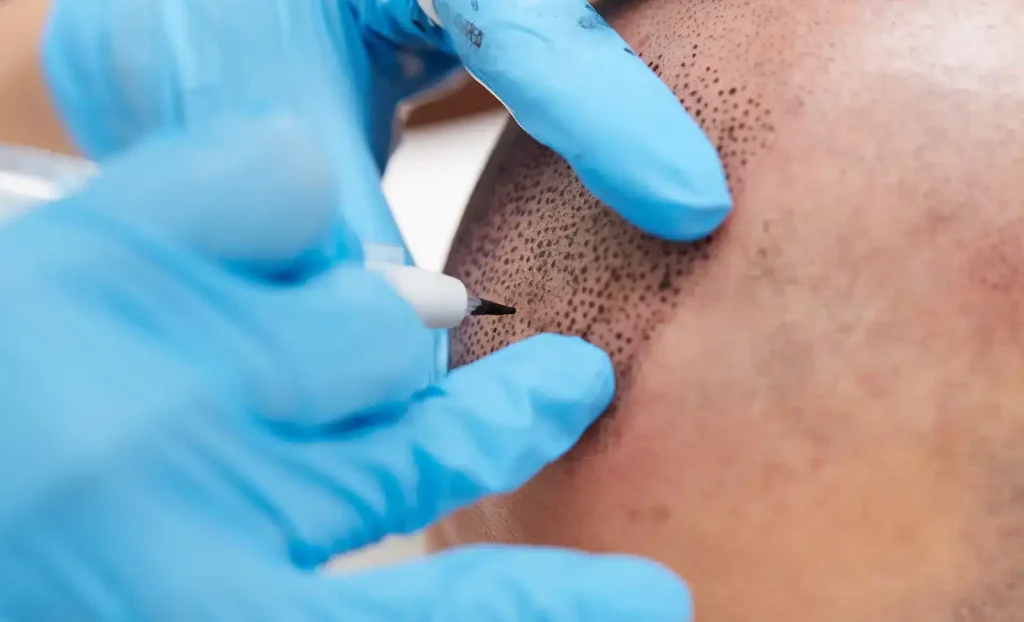
    Scalp Micropigmentation is a cosmetic procedure where micro-dots of pigment are carefully embedded into the upper dermal layer of the scalp. These dots mimic the appearance of hair follicles or create a visual density behind thinning hair. Unlike hair transplantation, SMP does not produce new hair growth — instead, it enhances the illusion of hair.

    How SMP Differs from Other Hair Loss Solutions

    ApproachAdds Real Hair?DowntimeMaintenanceIdeal Use
    Scalp MicropigmentationNoMinimalTouch-up sessionsCamouflage thinning, scars, create buzz-cut look
    Hair Transplant (FUE/FUT)YesWeeksPossibly none or minor touch-upsFor patients with donor hair available
    Topical / Pharmacologic (e.g. minoxidil, finasteride)Stimulates hairNoneContinuous useEarly-stage thinning, diffuse hair-loss
    Tricopigmentation (temporary pigment)NoMinimalMore frequent renewals (1–2 year fade)“Trial” SMP or short-term visual density

    Because SMP is a non-invasive, low-downtime procedure, it’s especially appealing for clients who either don’t want surgery or have limited donor hair for transplants.


    How Scalp Micropigmentation Works: Medical & Technical Foundations

    Where & How Pigment Is Implanted

    • The pigment is placed into the upper dermal layer of the scalp — shallow enough to maintain crisp, fine dots, yet deep enough to hold the pigment and avoid surface fading.
    • Inserting too deep can lead to pigment migration (i.e. “blowouts”) or a blurred effect; too shallow and the pigment fades quickly.
    • The size, shape, and spacing of these micro-dots must be carefully calibrated based on the client’s hair texture, scalp tone, and design goals.

    Sessions & Layering

    • Most full SMP cases require 2 to 4 sessions, typically spaced days to weeks apart.
    • Initial sessions lay down the baseline density; subsequent sessions refine dot size, shading, and blending.
    • This layered approach helps create natural transitions and avoids over-darkening.

    Instrumentation, Pigments, and Technique

    • Single-use micro-needles are standard, sterilized under medical protocols.
    • The hand pressure, angle, and rhythm must be consistent to avoid uneven results.
    • Cosmetic-grade pigments designed for scalp use are selected for stability (resistance to fading and color shift) and safety.
    • The practitioner must anticipate UV exposure, skin tone changes, and natural pigment degradation over time.

    Anesthesia & Comfort

    • Topical numbing agents are typically used to minimize discomfort.
    • Patients may feel mild prickling or stinging, but most describe it as tolerable.
    • Scalp areas differ in sensitivity, so the practitioner must monitor carefully.

    Aftercare & Healing

    • After SMP, mild redness or swelling is common for a few hours to a day.
    • The client should avoid washing the scalp for a few days and refrain from sweating, swimming, or heavy sun exposure during that period.
    • Over subsequent weeks, minor flaking or scabbing may occur; gentle care is critical.
    • Long-term, clients must protect the scalp from UV rays (use hats / sunscreen) to slow pigment fading.

    Benefits of Scalp Micropigmentation

    Benefits of Scalp Micropigmentation
    1. Immediate visual effect — no waiting for hair growth cycles
    2. Minimal downtime — return to normal life quickly
    3. Low maintenance — periodic touch-up sessions (e.g. every 3–5 years)
    4. Scar camouflage — hides surgical scars (FUT, FUE) or trauma
    5. Versatility — suitable for men, women, various hair loss types
    6. Cost-effective alternative when comparing with transplantation + multiple treatments

    When done properly by a reputable practitioner like AzScalpDoctor, SMP can dramatically improve the aesthetic of hair density and restore confidence.


    Realistic Expectations: Before & After with AzScalpDoctor

    To set proper client expectations, AzScalpDoctor showcases before-and-after galleries with consistent lighting and angle. These examples help clients visualize the transformation and calibrate expectations realistically.

    Important considerations:

    • Hairline design should be conservative and sculpted to achieve a natural effect.
    • Dot density should mimic natural scalp visibility—too dense may look artificial; too light may not hide scalp.
    • Color matching is critical—pigments must be selected to harmonize with existing hair color, skin tone, and future changes (e.g., graying).

    Testimonials from AzScalpDoctor clients reinforce trust and illustrate outcome satisfaction in real-world settings.


    Is Scalp Micropigmentation Safe?

    When performed by trained professionals following medical protocols, SMP is considered a low-risk cosmetic procedure. However, safety depends heavily on:

    • Use of sterile, single-use equipment
    • High-grade, allergy-tested pigments
    • Proper client screening (for skin conditions, allergies, keloid history)
    • Effective aftercare and infection monitoring

    Potential complications — though rare — include infection, pigment migration, allergic reaction, and blown-out dots if done improperly.

    At AzScalpDoctor, safety is a priority. All technicians adhere to strict sterilization protocols and clinical standards to minimize risk and protect clients.


    Scalp Micropigmentation vs Hair Transplant: A Comparative View

    FeatureScalp MicropigmentationHair Transplant (FUE / FUT)
    Nature of ProcedureNon-surgical cosmetic (pigment only)Surgical relocation of actual hair follicles
    DowntimeLow (days)Medium to high (weeks)
    Pain / DiscomfortMild, controllableMore substantial — surgical healing required
    Hair GrowthNone (illusion only)Yes, new hair grows
    CostModerateHigh (surgery, donor harvesting, multiple procedures)
    Ideal ForClients with modest donor or wanting non-surgical optionClients with enough donor hair and desire for real hair
    MaintenanceTouch-up pigment sessionsSome follow-up procedures, graft care

    In many cases, a combination approach works best — SMP can fill visual gaps, soften scars, or densify areas after transplant. At AzScalpDoctor, we evaluate each client to recommend the right mix of techniques.


    How Long Does Scalp Micropigmentation Last?

    SMP is semi-permanent — it does fade with time. The durability depends on:

    • Pigment quality and depth
    • Scalp type, skin chemistry, UV exposure
    • Aftercare compliance
    • Layering technique and shading strategy

    Typical lifespan is 5 to 10 years, though many clients opt for touch-up sessions every 3–5 years to maintain crispness and contrast. In some cases, yearly small touch-ups help preserve optimal aesthetics.


    Who’s a Good Candidate for SMP?

    Ideal candidates include:

    • Men and women with androgenetic hair loss
    • People with thinning hair seeking increased scalp coverage
    • Clients with scars from past surgery (FUT/FUE) or injuries
    • Those who prefer a non-surgical, low-risk alternative
    • Individuals with limited donor hair who aren’t transplant candidates

    However, SMP is not recommended for:

    • Active scalp infections, dermatitis, or psoriasis
    • People prone to keloid scarring
    • Those with unrealistic expectations (thinking SMP will grow hair)
    • Individuals allergic to pigments or with unstable immune conditions

    A professional evaluation by AzScalpDoctor ensures safe candidacy and manages expectations.


    Cost of Scalp Micropigmentation

    Costs vary widely depending on:

    • Size of area treated
    • Density goals
    • Scar mitigation complexity
    • Geographic region and practitioner reputation

    As a ballpark, many SMP providers charge between US$1,000 and US$5,000 for full-head treatment. Smaller zones or touch-ups cost less.

    At AzScalpDoctor, we offer free consultations where we assess your scalp and provide a custom quote. Flexible financing or payment plans may be available to help make SMP accessible.


    AzScalpDoctor’s Training & Certification Program

    One unique advantage of AzScalpDoctor is that beyond being a clinic, we’re also a training institute for SMP artists. Our curriculum includes:

    • Hands-on pigment technique modules
    • Skin science, color theory, and hygiene protocols
    • Mentorship and supervised live-client practice
    • Certification upon completion

    This dual role helps us maintain a high standard of care and grow a community of skilled artists. For aspiring SMP professionals, we welcome enquiries about enrollment.


    Why Choose AzScalpDoctor?

    Expert Practitioners

    We are led by Francisco Ahumada, a certified and experienced SMP artist who ensures precision and artistry in every procedure.

    Clinical-Grade Safety

    We adhere to strict sterilization, single-use tools, and FDA-approved pigment materials to protect your scalp health.

    Proven Results

    Our portfolio includes numerous successful transformations, supported by before/after galleries and client testimonials.

    Local Trust

    Based in Mesa, Arizona, AzScalpDoctor is known locally for reliability, transparency, and client care. We take pride in our regional reputation.

    Ongoing Support

    After your SMP procedure, we provide structured aftercare instructions, monitoring, and touch-up guidance to sustain your results.


    Booking Your Consultation

    Ready to take the first step? Booking with us is simple:

    1. Visit our AzScalpDoctor booking page
    2. Fill out your hair-loss history and upload photos
    3. We’ll schedule a consultation (in-person or virtual)
    4. You receive a detailed treatment plan and quote
    5. Our Location : 1061 N Dobson Rd Ste 107, Mesa, Arizona, USA. [ Google Maps ]

    Restore your look and confidence — schedule your SMP consultation with AzScalpDoctor now


    Frequently Asked Questions (FAQ)

    1. Is scalp micropigmentation painful?

    Most clients feel minimal discomfort. Topical anesthetics mitigate stinging, and the process is generally tolerable.

    2. How many sessions are needed?

    Typically between 2 to 4 sessions, depending on area size and detail required.

    3. Can SMP match gray or blond hair?

    Yes. Our pigment specialists at AzScalpDoctor customize tones to blend naturally with any hair color and compensate for aging or graying.

    4. Is SMP permanent?

    It’s semi-permanent. Expect 5–10 years of retention, with occasional touch-up sessions recommended.

    5. How soon can I return to work?

    Most clients resume normal activity within 1–2 days; avoid sweating, swimming, or sun exposure for several days post-procedure.


    Final Thoughts

    Scalp micropigmentation is a powerful, medically grounded solution for individuals seeking to restore the illusion of density to thinning hair or conceal scalp scars — all without surgery. When delivered by experienced practitioners who prioritize safety, design, and long-term maintenance, SMP offers both aesthetic and psychological benefits.

    At AzScalpDoctor, every treatment is built on precision, care, and client satisfaction. We combine clinical safety protocols, artistic technique, and dedicated customer support to help you reclaim confidence — one dot at a time.

    “Restore your confidence with the art of SMP — trust AzScalpDoctor to bring your scalp back to life.”