A Definitive Guide to Success, Longevity, and Results
Introduction
Hair loss can affect self-confidence, professional image, and overall well-being. As more people seek long-term solutions, hair transplants remain one of the most effective medical procedures available today. But many still ask: do hair transplants really work?
The short answer is yes. When performed by a skilled and certified specialist, hair transplants provide natural-looking, permanent results that last for decades. In this guide, we’ll uncover everything you need to know — from how the procedure works to recovery, longevity, and real-world success rates — based on the clinical experience of AZ Scalp Doctor specialists.
How Hair Transplants Work
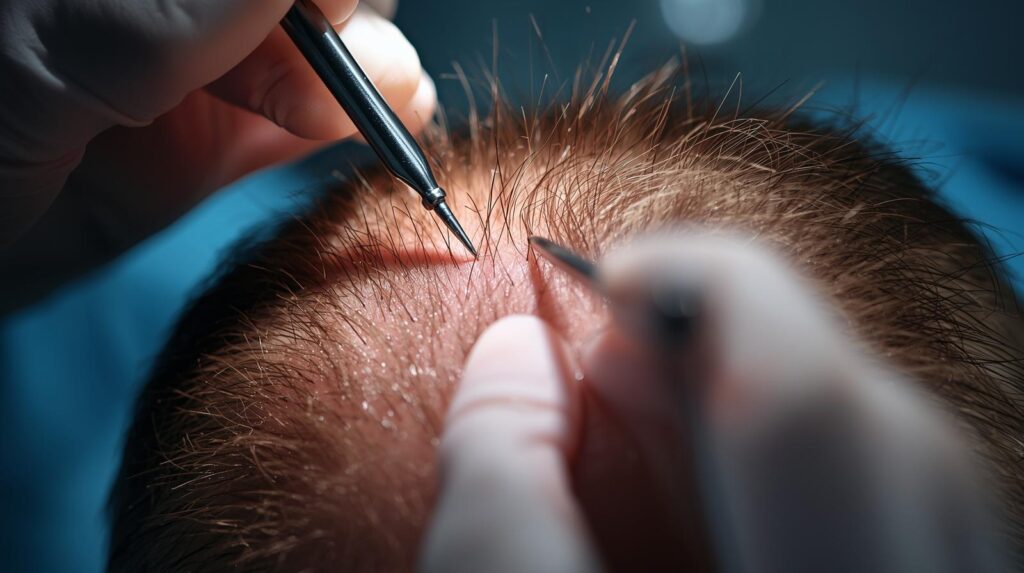
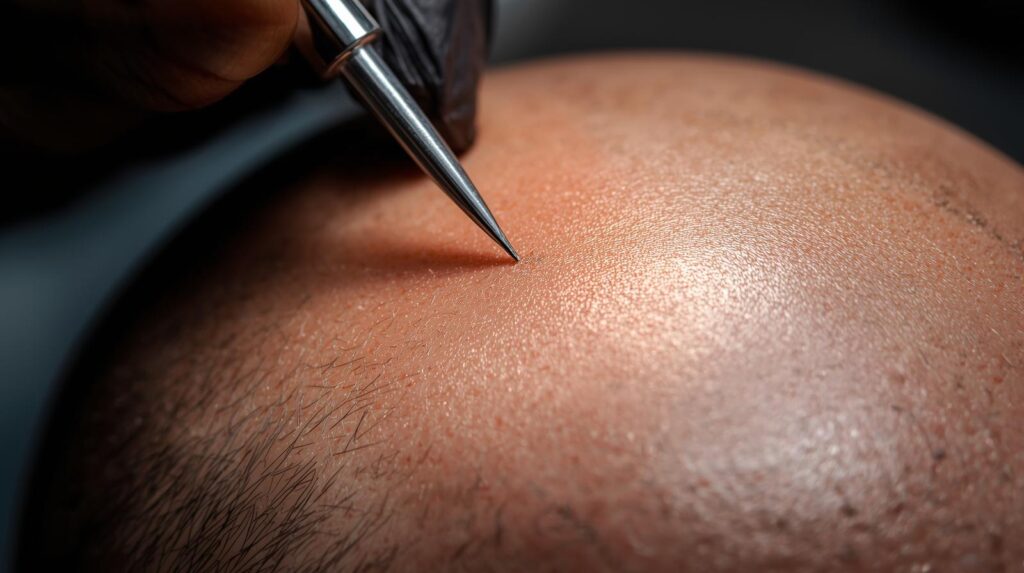
Hair transplant surgery involves moving healthy, DHT-resistant follicles from the back or sides of the scalp (the donor area) to areas affected by baldness (the recipient zone). These transplanted follicles are genetically programmed to continue growing permanently.
There are two leading techniques:
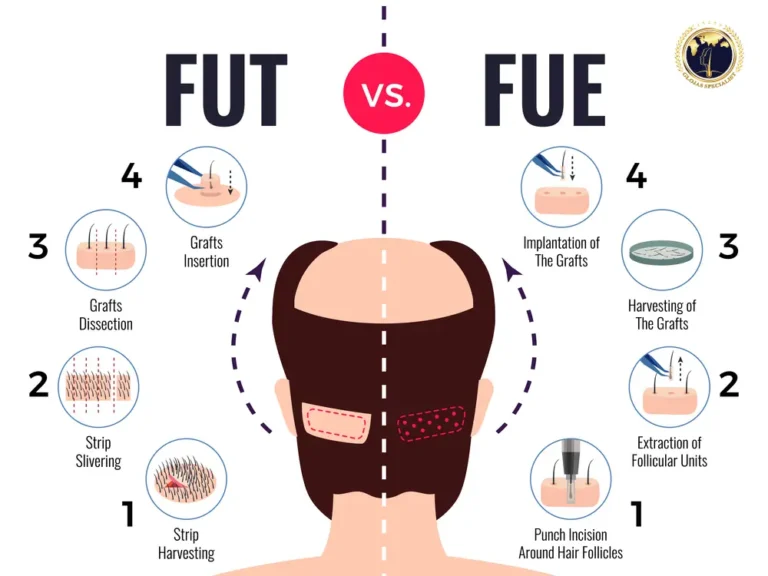
1. Follicular Unit Transplantation (FUT)
- A thin strip of scalp is removed from the donor area and divided into grafts.
- Allows for large graft numbers per session, making it ideal for extensive hair loss.
- May leave a fine linear scar hidden by surrounding hair.
2. Follicular Unit Excision (FUE)
- Individual follicles are extracted using micro-punch tools.
- Minimal scarring and faster recovery, perfect for patients who prefer short hairstyles.
- Slightly lower graft yield per session but improving with modern robotics and precision tools.
Do Hair Transplants Really Work?
Absolutely. Modern transplant methods deliver up to 90–95 % graft survival when performed under sterile conditions by licensed specialists. Studies and patient follow-ups confirm that transplanted follicles retain their natural resistance to hair loss hormones (DHT) and continue to grow permanently.
Most patients see visible results between 3 and 6 months, with full density appearing around 12 months. However, results vary depending on scalp condition, lifestyle, and adherence to aftercare guidelines.
Comparing FUE vs FUT
| Criteria | FUE | FUT |
|---|---|---|
| Scarring | Tiny dot scars (virtually invisible) | Thin linear scar (easily hidden) |
| Recovery Time | 3–7 days | 10–14 days |
| Pain/Discomfort | Minimal | Mild tension possible |
| Graft Quantity | Moderate (ideal for small / medium areas) | High (best for extensive cases) |
| Recommended For | Short hairstyles, quick recovery | Large-scale restoration |
Both techniques deliver outstanding outcomes when matched correctly to the patient’s hair type, pattern, and goals.
What to Expect After Surgery
1–2 Weeks: mild redness, swelling, and scabbing around grafts. Healing occurs quickly with proper care.
2–8 Weeks: temporary shedding phase — transplanted hairs fall out before new growth begins.
3–4 Months: first signs of regrowth appear; thin, soft hairs start emerging.
6–9 Months: noticeable thickening and volume increase.
10–18 Months: final, mature results with natural density and direction.
Longevity & Maintenance
Transplanted follicles are permanent. They continue to grow just like natural hair for a lifetime. However, non-transplanted hair may still thin with age. To maintain the best overall look, experts at AZ Scalp Doctor recommend:
- Medications: Minoxidil or Finasteride (under supervision)
- PRP Therapy: Platelet-rich plasma to boost graft survival
- Healthy lifestyle: Nutrition, exercise, and scalp hygiene
Who Is the Ideal Candidate?
You’re a good candidate for hair transplant surgery if you:
- Have stable pattern hair loss
- Possess sufficient donor-area density
- Maintain overall good health
- Understand the gradual nature of results
Those with advanced diffuse thinning or ongoing medical hair loss should stabilize first with professional treatment plans.
Enhancing Results with Combination Therapy
Modern clinics now combine surgical and non-surgical methods for optimal outcomes.
- Finasteride / Minoxidil: Protect existing hair from future thinning.
- PRP: Strengthens newly transplanted follicles.
- Low-Level Laser Therapy (LLLT): Increases blood flow and recovery speed.
Integrating these methods ensures both transplanted and native hair remain dense and healthy.
Potential Risks & How to Avoid Them
When performed by certified surgeons, complications are rare. Still, patients should be aware of:
- Temporary numbness or swelling
- Mild infection risk
- Graft failure from poor post-op care
- Unnatural hairline design if done by inexperienced technicians
AZ Scalp Doctor guarantees that all procedures are performed by licensed medical professionals following the highest international standards.
Hair Transplant Industry Insights
The global hair restoration market has surged over 60 % since 2020, driven by breakthroughs in FUE robotics and minimally invasive methods. FUE now represents over 70 % of all procedures worldwide.
This rapid growth confirms one thing — hair transplants truly work, and modern innovations continue to make them more effective, accessible, and natural than ever.
The Definitive Step-by-Step Journey
Before the Procedure
- Scalp examination and donor analysis
- Hairline design based on facial proportions
- Medical history review and blood screening
Day of Surgery
- Local anesthesia administered
- Graft extraction and implantation
- Post-operative dressing applied
Aftercare Timeline
- Avoid scratching or washing aggressively for 10 days
- Resume light activities after 3 days
- Expect shedding by week 3 – 4
- Begin new growth between 3 – 6 months
Conclusion
So — do hair transplants really work?
Yes, and they remain the gold-standard solution for permanent hair restoration. When performed by experts, the transplanted hair grows naturally, matches existing texture, and lasts a lifetime.
For anyone struggling with hair loss, this procedure doesn’t just restore hair — it restores confidence, personality, and self-esteem.
Schedule Your Free Assessment Today
Our Location : Az Scalp Doctor Arizona