Tag: Hair Transplant

  • Graft Hair Transplant – Understanding the Foundation of Natural Hair

    Introduction

    In modern hair restoration, one word determines success more than any other — Graft Hair Transplant. A graft is not just a strand of hair; it’s the living unit that defines the density, coverage, and naturalness of your new look.

    Understanding how grafts work — how they’re harvested, handled, and implanted — helps you appreciate why precision and medical expertise matter so much.

    At AZ Scalp Doctor, we believe every patient deserves more than just coverage; they deserve artistry backed by science. This article explains what a graft hair transplant really means, how graft quality affects results, and why every follicle counts.


    What Is a Hair Transplant Graft?

    A graft is a small skin tissue containing 1 to 4 hair follicles, extracted from a donor area (usually the back or sides of the scalp) and transplanted into thinning or bald zones. Each graft grows naturally in its new location, maintaining the same color, texture, and growth pattern as before.

    Every graft is biologically unique — it includes not only the follicle but also supporting structures such as sebaceous glands and dermal sheaths. These microscopic details are what ensure each implanted graft continues to grow naturally and permanently.


    Why Graft Quality Matters for Successful Hair Transplants

    In hair restoration, success isn’t defined by the number of grafts transplanted — it’s defined by how many survive.

    At AZ Scalp Doctor, we emphasize graft integrity through strict temperature control, hydration, and minimal handling. Every graft is treated as a living tissue that must remain viable during the transition from donor to recipient site.

    Key factors affecting graft quality

    1. Extraction precision – Prevents follicle transection or root damage.
    2. Storage medium – Hypothermic solutions maintain cell vitality.
    3. Implantation speed – Reduces “out-of-body” time.
    4. Team expertise – Consistent graft placement at correct angles and depth.

    A clinic that achieves a 90 – 95 % graft survival rate ensures thicker, long-lasting results with fewer sessions.


    FUE vs FUT – How the Graft Method Impacts Results

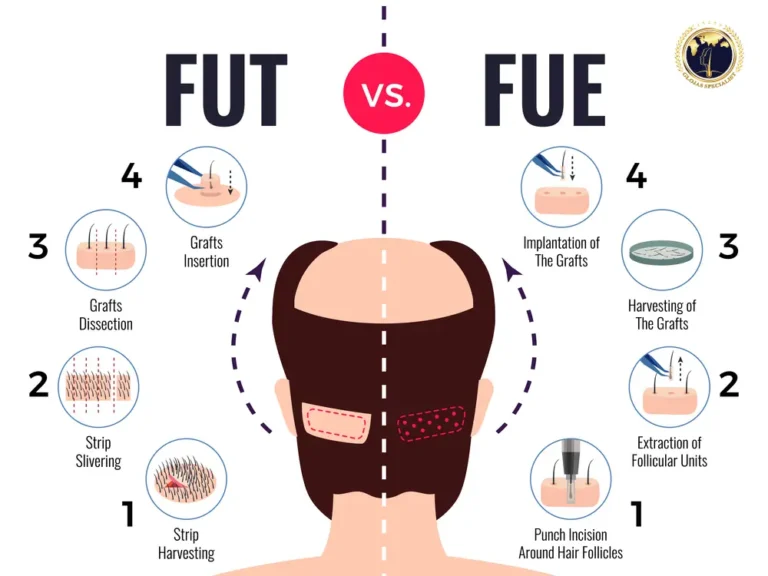
    The two main hair transplant techniques, FUE and FUT, both rely on grafts — but how they’re extracted makes all the difference.

    TechniqueMethodScarringRecoveryGraft Yield
    FUEIndividual follicles removed via micro-punchesTiny, dot-like3 – 7 daysModerate
    FUTStrip of scalp removed, dissected into graftsThin linear10 – 14 daysHigh
    • FUE (Follicular Unit Excision) is ideal for patients wanting minimal downtime and short hairstyles.
    • FUT (Follicular Unit Transplantation) allows larger graft numbers in one session but leaves a fine scar.

    At AZ Scalp Doctor, our surgeons combine these methods strategically for optimal graft yield, density, and natural growth direction.


    How Many Grafts Do You Need?
    How Many Graft Hair Transplant Do You Need

    Every head is different, but graft count largely depends on the area of baldness and desired density.

    Area of CoverageApproximate Grafts Needed
    Receding hairline1,500 – 2,000
    Crown thinning2,000 – 3,000
    Full top restoration4,000 – 5,000 +

    A surgeon evaluates your donor area to determine how many healthy grafts can be safely extracted. Over-harvesting can thin the donor site, so balance is crucial.

    AZ Scalp Doctor uses digital imaging and AI density mapping to estimate graft requirements precisely, ensuring natural density without depletion.


    Cost per Graft – What Determines the Price of Hair Transplantation

    Hair transplants are typically priced per graft, making transparency essential.

    Factors that influence cost

    • Technique used – FUE often costs slightly more than FUT due to manual precision.
    • Graft quantity – Larger sessions can reduce cost per graft.
    • Surgeon expertise – Certified specialists ensure better results and fewer revisions.
    • Technology & equipment – Advanced extraction tools minimize graft damage.

    At AZ Scalp Doctor, our pricing model is fully transparent. Patients receive a personalized quote based on graft count, technique, and expected density — no hidden fees, no unrealistic promises.


    The Science of Graft Survival

    A graft’s journey doesn’t end after implantation — in fact, it’s just beginning.

    1. Extraction Phase – Grafts are removed carefully to preserve root structure.
    2. Preservation Phase – Grafts rest in nutrient solutions to prevent dehydration.
    3. Implantation Phase – Each graft is placed at the right angle, depth, and direction.
    4. Healing & Growth Phase – Blood supply reconnects; hair begins new growth cycle.

    Transplanted grafts typically shed within 2 – 8 weeks — this is normal “shock loss.” New growth starts around month 3 – 4 and continues to mature up to month 12 – 18.

    At AZ Scalp Doctor, we enhance survival with Platelet-Rich Plasma (PRP) injections and cold-storage media, giving every graft the best possible start.


    Post-Transplant Care for Graft Protection

    Your aftercare routine directly affects graft survival.

    The First 2 Weeks

    • Avoid touching or scratching grafted areas.
    • Sleep with head elevated to minimize swelling.
    • Use only prescribed shampoo and saline sprays.

    After 1 Month

    • Gentle washing can resume.
    • Avoid direct sun, heat, and vigorous exercise.

    After 3 Months

    • Continue medications like minoxidil (if prescribed).
    • Attend follow-ups to assess new growth.

    Neglecting post-operative care can cause graft dislodgement, poor growth, or infection. That’s why our specialists provide personalized recovery kits and check-in calls after every surgery.

    Read Our Complete Aftercare Guide


    Common Myths About Grafts in Hair Transplants

    Myth 1: All grafts survive after surgery.
    ➡ False. Even in the best conditions, a small percentage may not survive.

    Myth 2: More grafts mean better results.
    ➡ Not necessarily. Over-packing can limit blood supply, reducing survival.

    Myth 3: Transplanted grafts never shed.
    ➡ Temporary shedding is expected; new permanent growth follows.

    Myth 4: Grafts can be reused or moved again later.
    ➡ Once implanted, grafts integrate permanently into their new site.

    By understanding these myths, patients set realistic expectations and trust the process.

    Visit Our FAQ on Hair Transplant Recovery


    Why Choose AZ Scalp Doctor for Your Graft Hair Transplant

    Choosing the right clinic determines whether your hair transplant becomes a masterpiece or a disappointment.

    At AZ Scalp Doctor, we stand out through:

    • Licensed surgeons with decades of microsurgical experience.
    • Advanced equipment ensuring minimal trauma and maximum survival.
    • Customized graft planning tailored to facial shape and donor availability.
    • Sterile, ISO-certified operating rooms meeting global safety standards.
    • Transparent communication — no inflated graft counts or unrealistic claims.

    Our philosophy is simple: every graft deserves expert care. That’s how we deliver natural, lifelong transformations.


    Frequently Asked Questions

    1. How long do transplanted grafts last?
    Transplanted grafts are genetically resistant to balding and typically last a lifetime.

    2. Is there a limit to the number of grafts per session?
    Yes. Most patients can safely receive up to 3 500 – 4 000 grafts per day, depending on donor density and technique.

    3. Do grafts start growing immediately?
    Initial shedding occurs within weeks, with new growth starting around month 3.

    4. Can I combine PRP with my graft transplant?
    Yes — PRP improves graft survival, speeds healing, and enhances hair thickness.

    5. What happens if some grafts fail?
    Minor graft loss is normal. After 12 months, touch-up procedures can refine density.


    Conclusion

    A graft hair transplant is far more than a cosmetic treatment — it’s a precision medical procedure that demands expertise, technology, and meticulous care.

    When every graft is respected as a living unit, the results speak for themselves: thicker, natural-looking hair that lasts for decades.

    At AZ Scalp Doctor, we combine artistry with medical science to restore not just your hair, but your confidence and identity.

    Ready to start your transformation?
    Schedule Your Free Consultation Today
  • Do Hair Transplants Really Work?

    A Definitive Guide to Success, Longevity, and Results

    Introduction

    Hair loss can affect self-confidence, professional image, and overall well-being. As more people seek long-term solutions, hair transplants remain one of the most effective medical procedures available today. But many still ask: do hair transplants really work?

    The short answer is yes. When performed by a skilled and certified specialist, hair transplants provide natural-looking, permanent results that last for decades. In this guide, we’ll uncover everything you need to know — from how the procedure works to recovery, longevity, and real-world success rates — based on the clinical experience of AZ Scalp Doctor specialists.


    How Hair Transplants Work

    Do Hair Transplants Really Work? Definitive Guide to Success

    Hair transplant surgery involves moving healthy, DHT-resistant follicles from the back or sides of the scalp (the donor area) to areas affected by baldness (the recipient zone). These transplanted follicles are genetically programmed to continue growing permanently.

    There are two leading techniques:

    1. Follicular Unit Transplantation (FUT)

    • A thin strip of scalp is removed from the donor area and divided into grafts.
    • Allows for large graft numbers per session, making it ideal for extensive hair loss.
    • May leave a fine linear scar hidden by surrounding hair.

    2. Follicular Unit Excision (FUE)

    • Individual follicles are extracted using micro-punch tools.
    • Minimal scarring and faster recovery, perfect for patients who prefer short hairstyles.
    • Slightly lower graft yield per session but improving with modern robotics and precision tools.

    Learn more about our FUE vs FUT Techniques


    Do Hair Transplants Really Work?

    Absolutely. Modern transplant methods deliver up to 90–95 % graft survival when performed under sterile conditions by licensed specialists. Studies and patient follow-ups confirm that transplanted follicles retain their natural resistance to hair loss hormones (DHT) and continue to grow permanently.

    Most patients see visible results between 3 and 6 months, with full density appearing around 12 months. However, results vary depending on scalp condition, lifestyle, and adherence to aftercare guidelines.


    Comparing FUE vs FUT

    CriteriaFUEFUT
    ScarringTiny dot scars (virtually invisible)Thin linear scar (easily hidden)
    Recovery Time3–7 days10–14 days
    Pain/DiscomfortMinimalMild tension possible
    Graft QuantityModerate (ideal for small / medium areas)High (best for extensive cases)
    Recommended ForShort hairstyles, quick recoveryLarge-scale restoration

    Both techniques deliver outstanding outcomes when matched correctly to the patient’s hair type, pattern, and goals.


    What to Expect After Surgery

    1–2 Weeks: mild redness, swelling, and scabbing around grafts. Healing occurs quickly with proper care.
    2–8 Weeks: temporary shedding phase — transplanted hairs fall out before new growth begins.
    3–4 Months: first signs of regrowth appear; thin, soft hairs start emerging.
    6–9 Months: noticeable thickening and volume increase.
    10–18 Months: final, mature results with natural density and direction.

    Read our Post-Transplant Aftercare Guide


    Longevity & Maintenance

    Transplanted follicles are permanent. They continue to grow just like natural hair for a lifetime. However, non-transplanted hair may still thin with age. To maintain the best overall look, experts at AZ Scalp Doctor recommend:

    • Medications: Minoxidil or Finasteride (under supervision)
    • PRP Therapy: Platelet-rich plasma to boost graft survival
    • Healthy lifestyle: Nutrition, exercise, and scalp hygiene

    Who Is the Ideal Candidate?

    You’re a good candidate for hair transplant surgery if you:

    • Have stable pattern hair loss
    • Possess sufficient donor-area density
    • Maintain overall good health
    • Understand the gradual nature of results

    Those with advanced diffuse thinning or ongoing medical hair loss should stabilize first with professional treatment plans.

    Book a Consultation with AZ Scalp Doctor


    Enhancing Results with Combination Therapy

    Modern clinics now combine surgical and non-surgical methods for optimal outcomes.

    • Finasteride / Minoxidil: Protect existing hair from future thinning.
    • PRP: Strengthens newly transplanted follicles.
    • Low-Level Laser Therapy (LLLT): Increases blood flow and recovery speed.

    Integrating these methods ensures both transplanted and native hair remain dense and healthy.


    Potential Risks & How to Avoid Them

    When performed by certified surgeons, complications are rare. Still, patients should be aware of:

    • Temporary numbness or swelling
    • Mild infection risk
    • Graft failure from poor post-op care
    • Unnatural hairline design if done by inexperienced technicians

    AZ Scalp Doctor guarantees that all procedures are performed by licensed medical professionals following the highest international standards.


    Hair Transplant Industry Insights

    The global hair restoration market has surged over 60 % since 2020, driven by breakthroughs in FUE robotics and minimally invasive methods. FUE now represents over 70 % of all procedures worldwide.

    This rapid growth confirms one thing — hair transplants truly work, and modern innovations continue to make them more effective, accessible, and natural than ever.


    The Definitive Step-by-Step Journey

    Before the Procedure

    1. Scalp examination and donor analysis
    2. Hairline design based on facial proportions
    3. Medical history review and blood screening

    Day of Surgery

    • Local anesthesia administered
    • Graft extraction and implantation
    • Post-operative dressing applied

    Aftercare Timeline

    • Avoid scratching or washing aggressively for 10 days
    • Resume light activities after 3 days
    • Expect shedding by week 3 – 4
    • Begin new growth between 3 – 6 months

    Conclusion

    So — do hair transplants really work?
    Yes, and they remain the gold-standard solution for permanent hair restoration. When performed by experts, the transplanted hair grows naturally, matches existing texture, and lasts a lifetime.

    For anyone struggling with hair loss, this procedure doesn’t just restore hair — it restores confidence, personality, and self-esteem.

    Schedule Your Free Assessment Today

    Our Location : Az Scalp Doctor Arizona

  • What Is FUT Hair Transplant? | AZ Scalp Doctor Arizona

    FUT Hair Transplant: The Proven Strip Method for Permanent Hair Restoration

    What Is FUT Hair Transplant? | AZ Scalp Doctor Arizona

    If you’ve been researching hair restoration, you’ve probably seen the term FUT Hair Transplant or heard people ask, “What is FUT?”

    FUT stands for Follicular Unit Transplantation — one of the most reliable and widely used hair-transplant techniques in modern medicine. At AZ Scalp Doctor, Arizona’s trusted hair-restoration clinic, we specialize in FUT for patients who need high-density coverage and lasting results.

    In this guide, we’ll explain everything about what FUT is, how it works, the benefits, recovery timeline, cost, and how it compares to other methods such as FUE Hair Transplant.

    What Is Scalp Micropigmentation by AzScalpDoctor


    What Is FUT Hair Transplant?

    The FUT technique, often called the strip method, involves removing a narrow strip of skin from the back of the scalp (the donor area). This strip is then carefully dissected under a microscope to isolate individual follicular units — tiny, naturally occurring hair groups of one to four hairs.

    These grafts are then implanted into areas experiencing hair thinning or baldness, typically at the frontal hairline or crown.

    Unlike older “plug” techniques, FUT Hair Transplant produces smooth, natural hairlines and uniform growth patterns. The donor area heals with a fine linear scar that’s easily concealed beneath surrounding hair.

    “FUT remains one of the most effective and scientifically validated hair-transplant methods for patients seeking high density and long-term coverage.” — AZ Scalp Doctor Team


    How FUT Hair Transplant Works Step-by-Step

    Every FUT procedure at AZ Scalp Doctor follows a meticulous, patient-centered protocol to ensure the highest graft survival and natural aesthetics.

    Step 1 – Personalized Consultation

    • A comprehensive scalp evaluation identifies the extent of hair loss, donor density, and scalp flexibility.
    • We design a customized treatment plan, including graft count and target areas.

    Step 2 – Donor Strip Extraction

    • Under local anesthesia, a thin strip (1–1.5 cm wide) is removed from the donor area.
    • The incision is closed with advanced suturing for minimal scarring.

    Step 3 – Microscopic Graft Dissection

    • Our technicians use high-power microscopes to separate follicular units without damaging roots.
    • This ensures grafts remain intact and viable for re-implantation.

    Step 4 – Recipient-Site Creation and Implantation

    • Tiny incisions are made following the natural direction of your hair.
    • Each graft is inserted precisely for even density and natural alignment.

    Step 5 – Recovery and Growth

    • Most patients resume non-strenuous activities within a few days.
    • Full results develop gradually, with noticeable density after 9–12 months.

    Benefits of FUT Hair Transplant

    1. High Graft Yield: FUT can harvest thousands of grafts in a single session — ideal for extensive hair loss.
    2. Cost-Effective: Per-graft pricing is generally lower than FUE, making it budget-friendly for large areas.
    3. Excellent Survival Rate: Grafts dissected under magnification have high success rates.
    4. Permanent & Natural: Results blend seamlessly with your existing hair.
    5. Proven & Trusted: FUT has been a medical standard for over two decades.

    At AZ Scalp Doctor, we combine advanced closure techniques with artistry to ensure your FUT results look effortless.


    FUT vs FUE: Key Differences

    FeatureFUT (Follicular Unit Transplantation)FUE (Follicular Unit Extraction)
    Donor MethodThin strip of scalpIndividual follicles
    ScarringLinear (hidden under hair)Micro-dot
    Healing10–14 days3–5 days
    Graft VolumeHigher per sessionModerate
    CostLower per graftSlightly higher
    Ideal ForLarge hair-loss areasSmall or moderate cases

    If you’re unsure which option suits you best, AZ Scalp Doctor provides detailed scalp analysis to determine whether FUT or FUE offers the best outcome.

    Learn About Follicular Unit Hair Transplant


    Who Should Consider FUT Hair Transplant

    You may be a good candidate if you:

    • Have significant hair loss requiring thousands of grafts
    • Possess good donor density and scalp elasticity
    • Don’t mind maintaining a slightly longer hairstyle
    • Prefer maximum density in fewer sessions

    FUT Hair Transplant Results and Timeline

    TimeframeWhat Happens
    1–2 WeeksSutures removed; mild redness subsides
    2–3 Months“Shock loss” — transplanted hairs shed (normal)
    4–6 MonthsNew follicles start growing
    9–12 MonthsFull density and permanent coverage achieved

    Our Arizona patients love the gradual, natural transformation that comes with FUT.


    FUT Hair Transplant Cost in Arizona

    Pricing depends on graft count and case complexity, but average rates at AZ Scalp Doctor range between $3,000 – $7,500 per session.
    We offer transparent estimates, flexible financing, and combination FUT + FUE packages.


    Recovery & Aftercare Tips

    • Keep the scalp dry for the first 48 hours.
    • Avoid heavy workouts for 10 days.
    • Sleep with head elevated to reduce swelling.
    • Use prescribed shampoo and medications.
    • Attend follow-up appointments to remove sutures and monitor growth.

    FUT Hair Transplant FAQ

    1. Is FUT still used today?
    Absolutely. FUT remains ideal for patients who need dense restoration.

    2. Will FUT leave a scar?
    A fine linear scar remains but is hidden beneath surrounding hair.

    3. How painful is FUT?
    Local anesthesia makes the procedure painless; mild tightness may occur briefly.

    4. When will new hair grow?
    Visible growth begins at 3–4 months, full results by 12 months.

    5. Can FUT and FUE be combined?
    Yes, hybrid techniques are common at AZ Scalp Doctor for maximum graft yield.


    Why Choose AZ Scalp Doctor for FUT in Arizona

    • Board-certified hair-restoration expert
    • Modern surgical technology and sterile environment
    • 95 %+ graft-survival rate
    • Personalized care and transparent pricing
    • 5-Star patient satisfaction

    “We’re not just restoring hair — we’re restoring confidence.”


    Schedule Your FUT Consultation

    Ready to discover if FUT is right for you?
    📅 Book your consultation at AZ Scalp Doctor today and take the first step toward thicker, natural hair.

    our Location : Google Maps

    1061 N Dobson Rd Ste 107,
    MESA, AZ 85201

  • Hair Transplant – The Complete Guide to Restoring Your Confidence

    Losing hair doesn’t only affect appearance — it can also reduce self-esteem and social confidence. That’s why the demand for hair transplant procedures continues to rise worldwide.

    At AZScalpDoctor.com, we specialize in advanced hair restoration techniques that help both men and women regain natural, healthy-looking hair.

    This complete guide explains what a hair transplant is, how it works, what it costs, and why AZScalpDoctor is trusted by patients seeking permanent solutions for baldness.

    Restore Your Look with Scalp Micropigmentation Experts


    What Is a Hair Transplant?

    A hair transplant is a medical procedure that moves healthy hair follicles from one part of your scalp (called the donor area) to another area affected by thinning or baldness (recipient area).

    The two most common techniques are FUE (Follicular Unit Extraction) and FUT (Follicular Unit Transplantation). Both procedures deliver natural-looking results, but they differ in how follicles are harvested.

    The Science Behind Hair Restoration

    Hair grows in small groups known as follicular units. During a transplant, these units are carefully relocated from areas with dense hair (usually the back or sides) to regions that need coverage.

    Once implanted, the follicles continue to grow hair just as they did before — permanently and naturally.

    FUE vs FUT – Which Technique Is Right for You?

    FeatureFUE Hair TransplantFUT Hair Transplant
    TechniqueIndividual follicles extractedStrip of scalp removed
    ScarringMinimal / nearly invisibleLinear scar
    Recovery5–7 days10–14 days
    Ideal forShort hairstyles, minimal downtimeLarge coverage needs

    Both methods are effective; the choice depends on your goals, scalp condition, and doctor’s recommendation. At AZScalpDoctor, we tailor each procedure to fit your specific needs.

    What Is Scalp Micropigmentation by AzScalpDoctor


    Why Choose Hair Transplant Over Other Hair Loss Treatments

    While topical treatments like Minoxidil or oral medications like Finasteride may slow hair loss, they rarely provide permanent regrowth. PRP therapy can stimulate follicles temporarily but won’t restore large bald patches.

    In contrast, a hair transplant replaces lost hair with your own follicles, offering a long-term, natural solution without ongoing medication dependency.

    At AZScalpDoctor, we go beyond surgery. Our experts combine scalp diagnostics, personalized pre-care, and post-transplant recovery plans to ensure optimal and lasting results.


    How the Hair Transplant Procedure Works

    A professional hair transplant clinic follows a step-by-step process designed for safety and precision. At AZScalpDoctor, here’s how your transformation journey looks:

    1. Consultation & Scalp Assessment

    Our specialists conduct a detailed scalp analysis to evaluate hair density, donor strength, and hairline design. This ensures a customized treatment plan.

    2. Donor Hair Extraction

    For an FUE Hair Transplant, follicles are individually extracted using micro-punch tools under magnification. The process is painless and leaves minimal marks.

    3. Graft Preparation

    Extracted grafts are cleaned, sorted, and hydrated to maintain their viability before implantation.

    4. Recipient Site Creation

    Tiny micro-channels are made on the thinning area, following your natural hair growth pattern for a realistic appearance.

    5. Implantation & Recovery

    Grafts are carefully implanted into the recipient sites. Most patients resume normal activities within a few days, with full recovery in 7–10 days.

    Post-Transplant Recovery and Care Tips

    • Sleep with your head elevated for the first few nights.
    • Avoid direct sunlight and intense exercise for one week.
    • Use the recommended shampoo and avoid scratching the scalp.
    • Follow the prescribed antibiotics and vitamins to promote healing.

    At AZScalpDoctor, we monitor your progress through follow-up visits and provide detailed aftercare support for optimal hair growth.


    Hair Transplant Cost – What You Need to Know

    The hair transplant cost varies based on technique, number of grafts, and surgeon expertise. On average, procedures can range from USD 1,500–5,000 (or local equivalent).

    Factors Influencing Hair Transplant Cost

    • Number of Grafts: Each graft usually costs between USD 0.5–2 depending on location.
    • Technique Used: FUE tends to be slightly more expensive due to precision technology.
    • Clinic Reputation: Established clinics with certified surgeons charge more but deliver safer outcomes.
    • Geographic Location: Costs differ significantly between cities and countries.

    How to Calculate Hair Transplant Cost by Grafts

    A standard FUE transplant may require 2,000–3,000 grafts. For example, 2,500 grafts × $1 = $2,500 total.

    💬 Get your personalized quote from AZScalpDoctor today — our team will calculate your cost accurately after a scalp analysis.


    Results and Before-After Timeline

    A hair transplant isn’t an overnight transformation; it’s a gradual, natural process. Here’s what you can expect:

    TimeframeGrowth Stage
    Week 1Mild redness, healing phase
    Month 1–3Temporary shedding (shock loss)
    Month 4–6Visible new hair sprouting
    Month 6–12Steady growth and thickness
    Month 12+Full, natural results

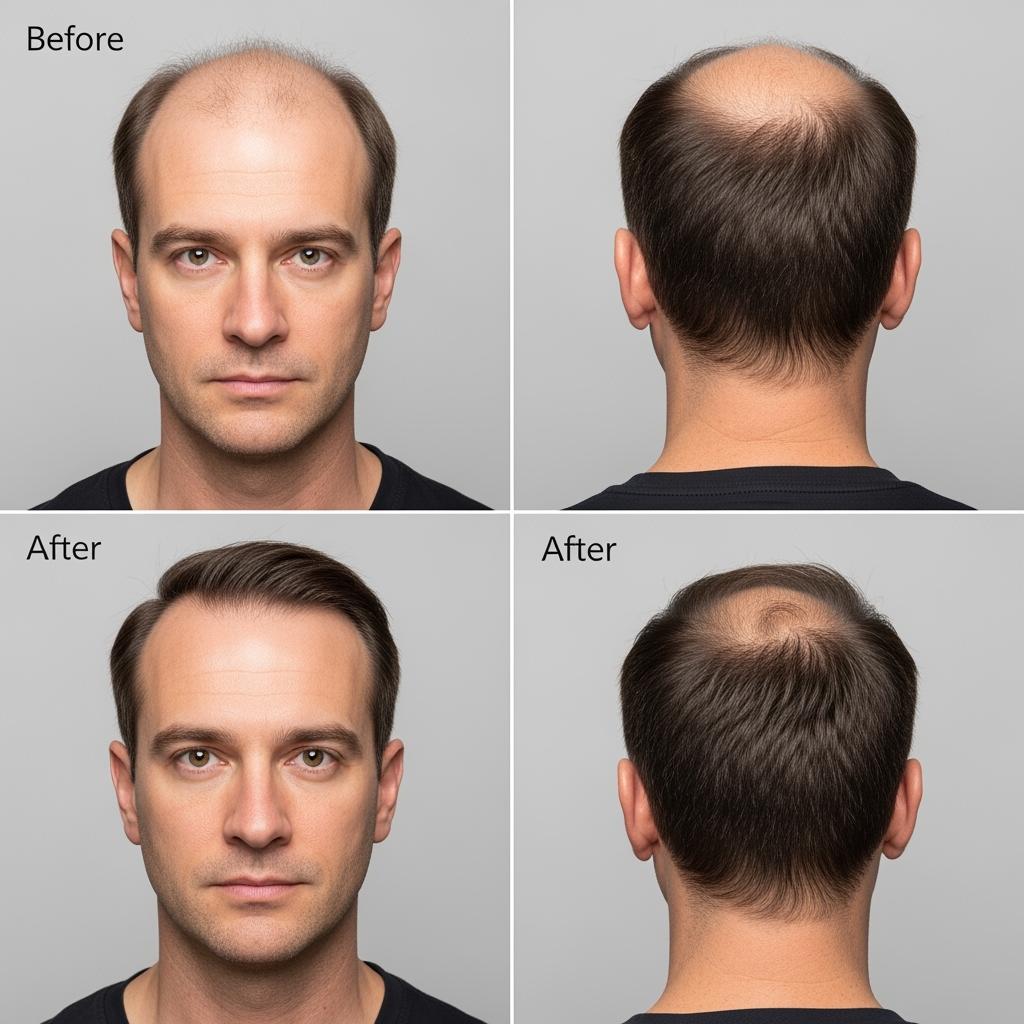
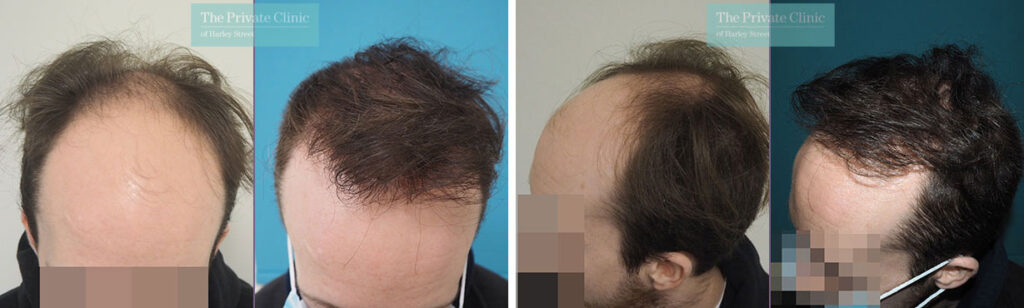
    What Real Results Look Like

    Information About Hair Transplant Guide 2025 With AzScalp

    Patients experience noticeable improvement within 4–6 months, with complete coverage typically achieved after one year.


    Potential Risks and How to Minimize Them

    While hair transplants are generally safe, minor side effects can include redness, swelling, or temporary numbness. Choosing a certified clinic minimizes all risks.

    Why Clinic Choice Matters

    At AZScalpDoctor, we operate under strict medical protocols and use sterilized instruments. Our surgeons are board-certified specialists with years of experience in FUE Hair Transplant procedures.

    We ensure every patient receives proper pre-operative screening and personalized care to prevent complications.


    Choosing the Right Hair Transplant Clinic

    The clinic you choose determines your outcome. Consider these factors:

    1. Surgeon Experience & Certification

    Ensure your procedure is handled by licensed professionals.

    2. Clinic Technology

    Modern equipment like motorized FUE systems enhances precision and comfort.

    3. Patient Testimonials

    Real reviews reflect satisfaction and trust.

    4. Transparent Pricing

    Avoid hidden costs or misleading “per-graft” deals.

    At AZScalpDoctor, our team combines expertise, transparency, and proven success. We believe every patient deserves honest consultation before committing to surgery.

    Our Location : AzScalpdoctor Arizona


    FAQs About Hair Transplant

    1. How painful is a hair transplant?

    The procedure is performed under local anesthesia, so you’ll feel minimal discomfort.

    2. How long does recovery take?

    Most patients return to daily routines within 3–5 days, with full healing in about two weeks.

    3. Can women get a hair transplant?

    Absolutely. Female hair transplants are effective for thinning crowns or receding hairlines.

    4. Is hair transplant permanent?

    Yes. Transplanted follicles are resistant to balding and continue to grow for life.

    5. How many grafts do I need?

    Depends on the baldness level. A consultation at AZScalpDoctor provides an accurate graft count and pricing.


    Why AZScalpDoctor Is the #1 Choice for Hair Transplant Patients

    Patients across Southeast Asia trust AZScalpDoctor.com for safe, effective, and natural hair restoration.
    Here’s what sets us apart:

    • Certified Surgeons: Experienced doctors specializing in FUE and FUT.
    • Advanced Technology: Latest micro-punch extraction and implantation systems.
    • Personalized Approach: Each treatment is custom-planned to your scalp condition.
    • Transparent Cost: No hidden charges, full clarity before the procedure.
    • Comprehensive Aftercare: Regular follow-ups to ensure healthy, permanent results.

    “At AZScalpDoctor, our mission is simple — to restore your hair, your confidence, and your natural identity.”


    Conclusion

    A hair transplant is more than a cosmetic procedure — it’s an investment in your confidence. Whether you’re dealing with hereditary baldness or thinning hair from stress, AZScalpDoctor provides personalized, medically proven solutions to bring your look back to life.

    If you’re ready to start your transformation journey, visit AZScalpDoctor.com and book a free consultation today. Your new hair — and your new confidence — are just a decision away.

  • Scalp Micropigmentation vs Hair Transplant — Which One Is Right for You?

    Understanding the Difference Between Scalp Micropigmentation and Hair Transplant

    Hair loss affects millions of men and women around the world, leading not only to physical changes but also to emotional stress and confidence issues. Today, two of the most effective hair restoration solutions are Scalp Micropigmentation (SMP) and Hair Transplant.

    As specialists at AZScalpDoctor, we’ve helped hundreds of clients regain confidence through both methods. In this article, we’ll compare Scalp Micropigmentation vs Hair Transplant—so you can make an informed, confident decision for your appearance and lifestyle.


    What Is Scalp Micropigmentation (SMP)?

    Scalp Micropigmentation is a non-surgical cosmetic procedure that uses micro-needles to deposit natural pigments into the upper dermal layer of the scalp. These pigments replicate the look of tiny hair follicles, creating the illusion of natural density or a clean, shaved-head style.

    Why clients choose SMP

    • Instant visual improvement after the first session.
    • No surgery, no downtime.
    • Ideal for all genders, skin tones, and hair colors.
    • Perfect for camouflaging scars or enhancing density after hair transplant.

    Unlike topical products or temporary concealers, SMP delivers long-lasting, realistic results. The color remains stable for several years before minor touch-ups are needed.

    Read More: What Is Scalp Micropigmentation by AzScalpDoctor


    What Is a Hair Transplant?

    A hair transplant is a surgical procedure in which hair follicles are extracted from a donor area (typically the back of the scalp) and transplanted to thinning or bald zones. The two main methods are:

    • FUE (Follicular Unit Extraction) – individual grafts harvested with micro-punch tools.
    • FUT (Follicular Unit Transplant) – a strip of scalp removed and dissected into grafts.

    Hair transplants provide real hair growth, but the process involves anesthesia, surgical skill, and recovery time. Full results can take 12–18 months as transplanted hair grows naturally.


    Scalp Micropigmentation vs Hair Transplant: A Detailed Comparison

    The keyword Scalp Micropigmentation vs Hair Transplant often leads searchers to this very question: Which one is better for me? Let’s compare them side-by-side.

    CriteriaScalp Micropigmentation (SMP)Hair Transplant
    TypeNon-surgical pigmentationSurgical graft relocation
    Recovery Time1–2 days2–3 weeks
    Results VisibleImmediately6–12 months
    Longevity3–5 years (with touch-ups)Permanent (may require additional sessions)
    Cost (Average)Lower – depends on coverage areaHigher – depends on graft count
    Risk LevelMinimalSurgical risks (infection, scarring)
    Ideal ForDiffuse thinning, scars, complete baldnessPatients with sufficient donor hair

    Both options have proven success—but your lifestyle, budget, and expectations play a major role in determining which fits best.


    Recovery and Downtime

    SMP requires virtually no downtime. Most clients return to work the next day. Mild redness fades within 24 hours, and aftercare mainly involves avoiding heavy sweating and sun exposure for a few days. Scalp Micropigmentation Aftercare Tips

    Hair Transplant, however, involves surgical healing. Scabs, minor swelling, and sensitivity may last a week. Proper washing, antibiotics, and rest are critical to avoid infection and ensure graft survival.


    Cost Comparison and Value

    The cost of Scalp Micropigmentation vs Hair Transplant differs significantly:

    • SMP typically ranges from $800 to $3,500 USD, depending on scalp size and density desired.
    • Hair Transplants cost between $3,000 and $10,000 USD, depending on graft numbers and surgeon expertise.

    While transplants grow real hair, SMP offers an affordable, immediate, and scar-free alternative—especially for those not medically suitable for surgery.


    Realistic Results and Aesthetic Goals

    SMP instantly creates the look of fuller hair or a clean buzz-cut style. It’s especially popular among clients who prefer a youthful, low-maintenance look.

    Hair Transplants restore actual strands, offering styling freedom—but require patience for growth and potential follow-up procedures.


    Pros and Cons of Each Treatment

    Advantages of Scalp Micropigmentation

    • Non-invasive and safe.
    • Immediate confidence boost.
    • Conceals scars or uneven patches.
    • No risk of donor hair depletion.
    • Great option for both men and women.

    Advantages of Hair Transplant

    • Uses your real hair for permanent coverage.
    • Suitable for mild to moderate balding patterns.
    • Allows styling and trimming naturally.

    ⚠️ Limitations to Consider

    • SMP doesn’t restore actual hair growth.
    • Hair Transplants require donor hair and surgical downtime.
    • SMP may need touch-ups; transplants may require maintenance if hair loss continues.

    Which Treatment Is Right for You?

    Choosing between Scalp Micropigmentation vs Hair Transplant depends on your personal goals, hair loss stage, and medical suitability.

    • If you have advanced baldness or thin donor hair, SMP offers a guaranteed aesthetic improvement.
    • If you have moderate thinning with good donor density, a transplant might be ideal for long-term regrowth.
    • Many clients choose both: SMP to enhance density and cover transplant scars.

    Combining SMP and Hair Transplant — The Hybrid Approach

    Did you know that these two treatments can work together? SMP can:

    • Fill in sparse areas after a hair transplant.
    • Camouflage donor scars.
    • Add perceived density to existing thin hair.

    When combined strategically, SMP enhances the visual density of transplanted hair, delivering unmatched natural results.


    Before and After: Real Transformations

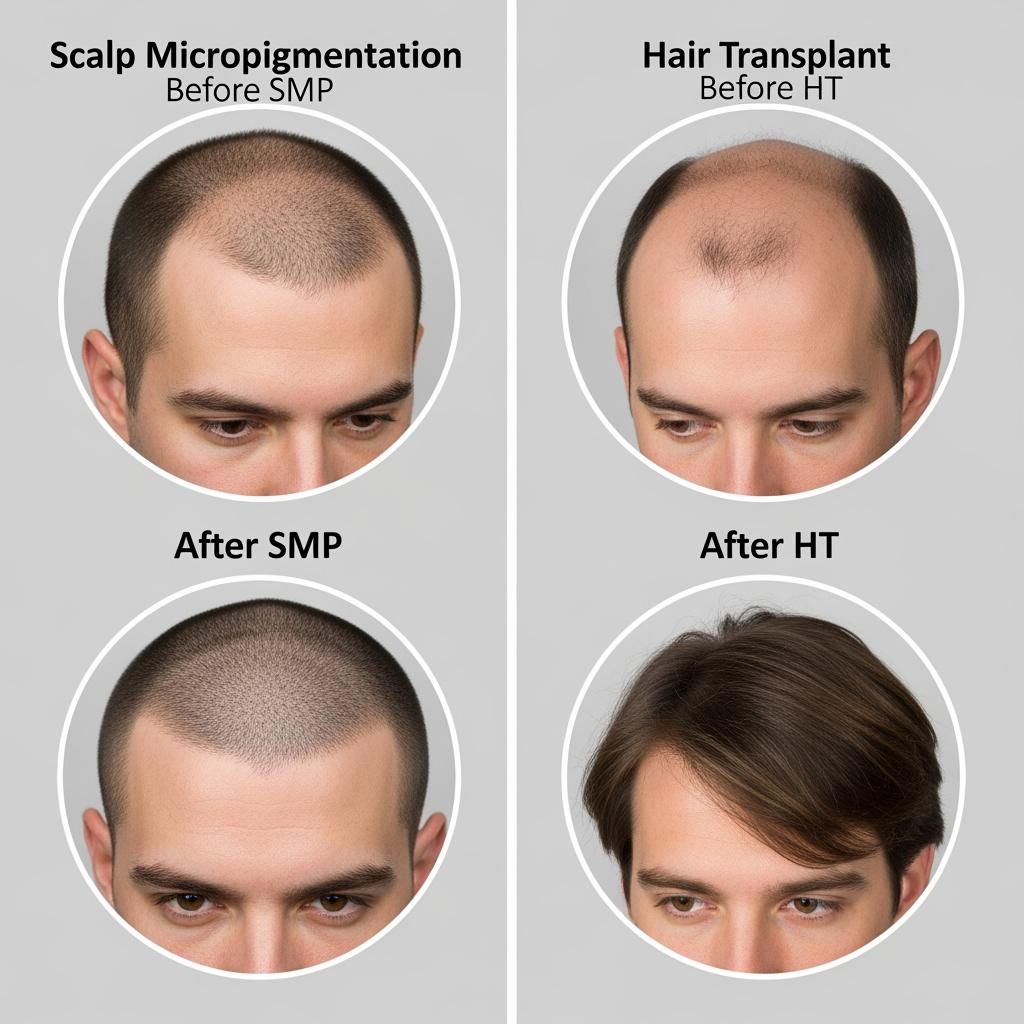
    Scalp Micropigmentation vs Hair Transplant before and after

    At AZScalpDoctor, we believe results speak louder than words. Our before-and-after gallery showcases:

    • SMP density restorations.
    • Hair transplant regrowth journeys.
    • Hybrid transformations (SMP + Transplant).

    Each transformation is unique—because every scalp, lifestyle, and goal is different.

    (Use optimized image alt tags like “Scalp Micropigmentation vs Hair Transplant before and after”)


    Consultation and Cost Transparency

    We pride ourselves on transparent pricing and honest recommendations.

    • Free initial consultation.
    • Customized cost based on hair loss pattern, density goals, and treatment plan.
    • No hidden fees, no pressure.

    Ready to transform your confidence?
    👉 Schedule your consultation with AZScalpDoctor today.


    Frequently Asked Questions (FAQ)

    1. How long does Scalp Micropigmentation last?
    Typically 3–5 years, with simple touch-ups to maintain color vibrancy.

    2. Can I combine SMP and Hair Transplant?
    Yes — many patients enhance density or cover transplant scars using SMP.

    3. Which looks more natural?
    Both can look natural if performed by experienced professionals. SMP provides instant density; transplants provide real growth.

    4. Is SMP painful?
    Most clients describe mild discomfort, much less than tattooing.

    5. How soon can I go back to work after each treatment?
    SMP: within 24 hours. Hair Transplant: usually within 5–7 days.

    6. What’s the average cost difference?
    SMP costs less (average $1–3k) than transplants ($4–10k).


    Conclusion — Expert Care, Real Confidence

    Whether you choose Scalp Micropigmentation or a Hair Transplant, your goal remains the same: confidence and natural appearance.

    At AZScalpDoctor, our mission is to guide you toward the safest, most effective solution for your unique condition.
    Our treatments are built on science, precision, and compassion — because restoring your hair means restoring your self-belief.

    Your new look starts here. Let’s make it happen. visit us at Google