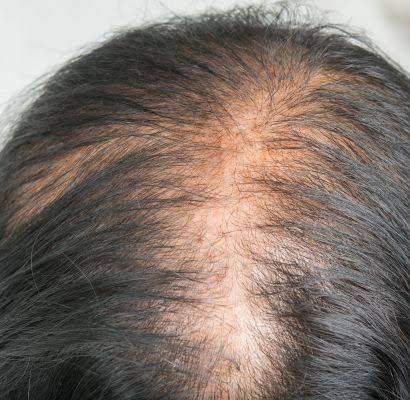
Postpartum hair loss is usually temporary shedding a few months after birth, not permanent baldness for most people. Estrogen drops, many hairs enter the resting phase together, then shed. AzScalpDoctor explains timing, care, and when to get checked. Studio: 1061 N Dobson Rd Ste 107, Mesa, AZ 85201. Monday–Saturday 9am–5pm. Call (480) 599-0868. Education—not medical care for new parents.
Seeing more hair in the shower drain feels alarming. For most moms, density recovers as the growth cycle resets—often by the child’s first birthday.
Why postpartum hair loss happens
During pregnancy, higher hormones keep more hairs in the growth phase. After delivery, hormone levels fall. A large group of hairs shifts into telogen (resting) and sheds a few months later. Clinicians call this a form of telogen effluvium.
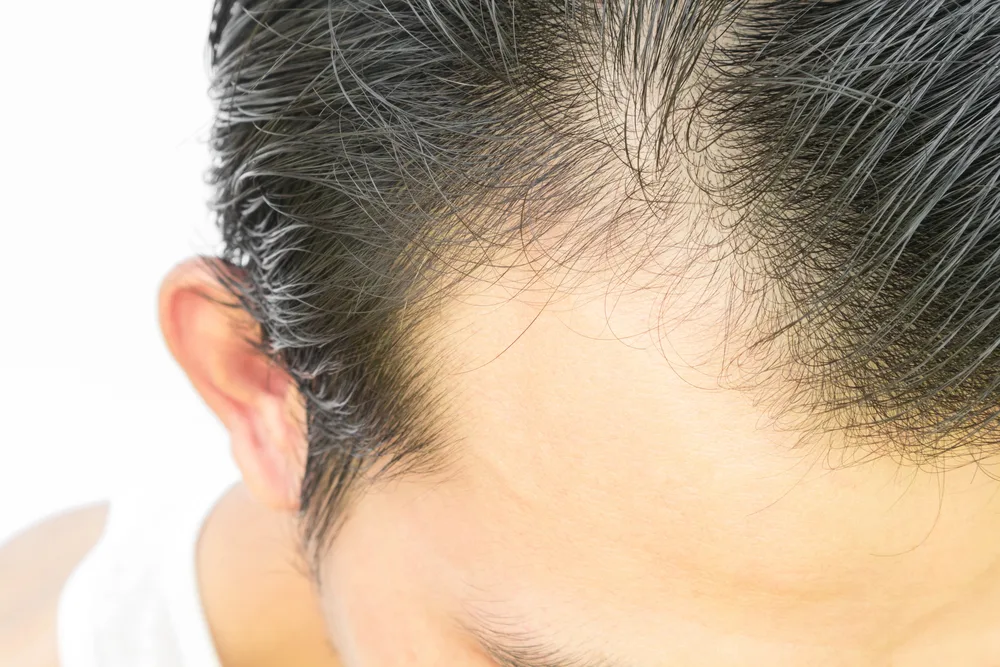
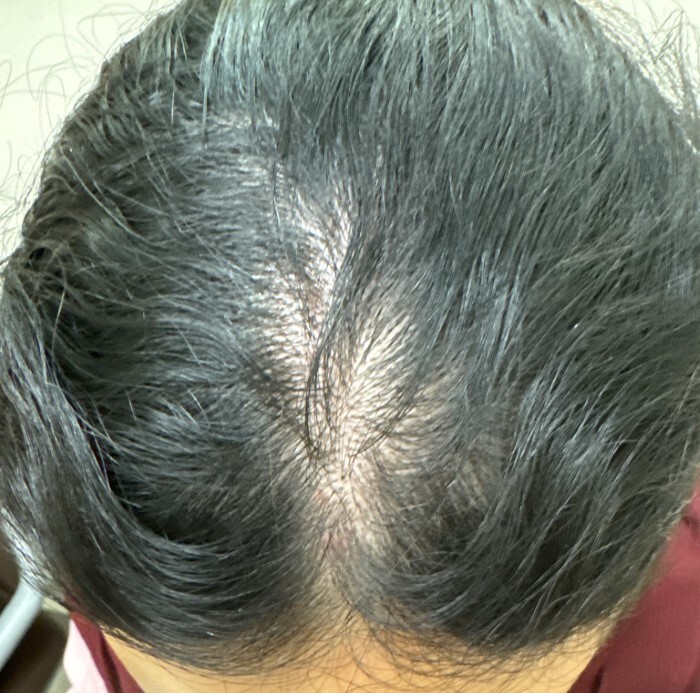
You may shed more than the usual 50–100 hairs per day. The part can look wider. Baby hairs may appear along the hairline later as growth returns.
This is shedding from the root cycle—not the same as breakage from heat. Compare shaft breakage tips in cara mengatasi rambut rapuh and heat damaged hair if lengths snap without bulbs.
Timeline: when it starts and stops
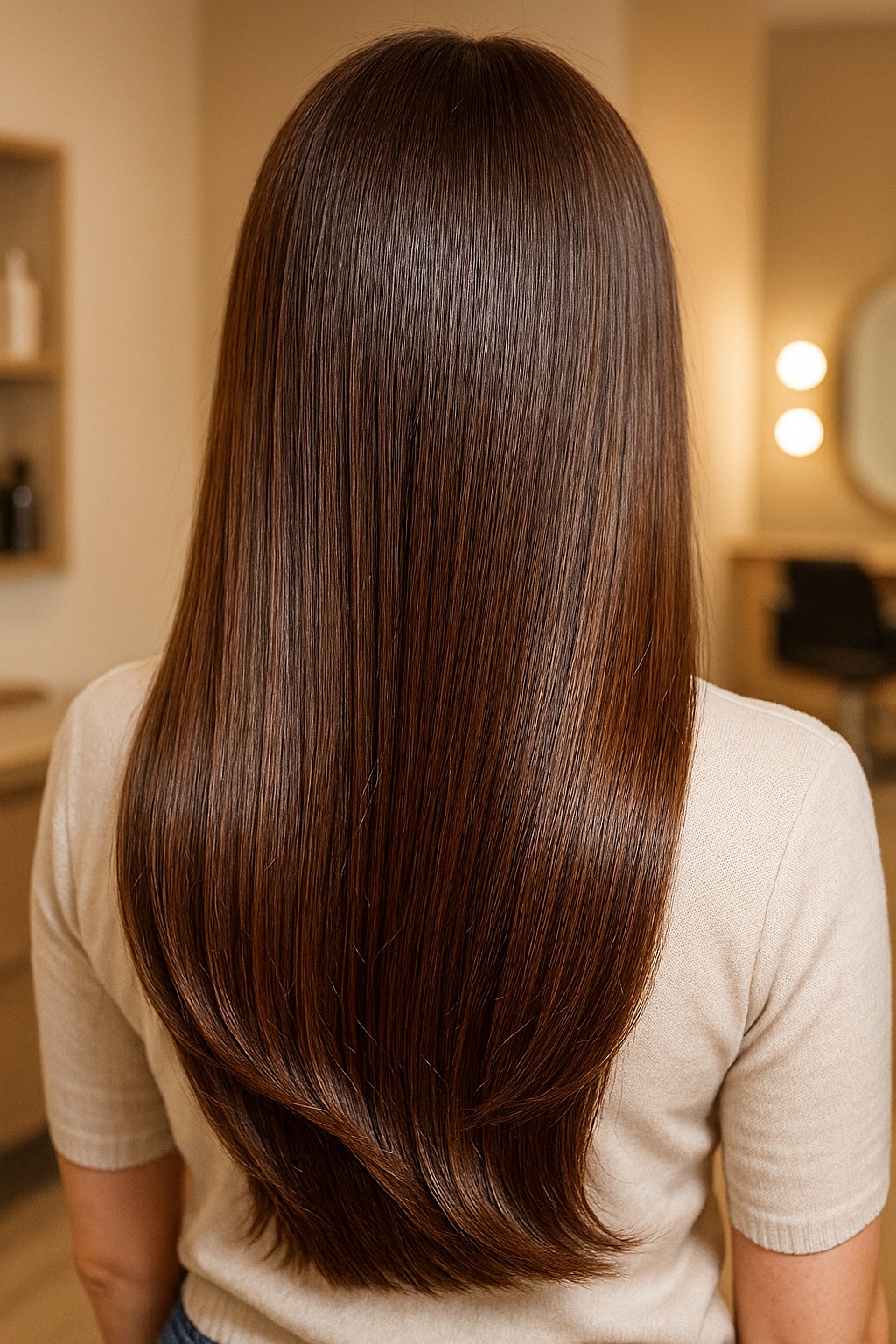
Many people notice shedding around two to four months postpartum, with a peak near four months. Shedding often eases within three to six months. Fullness commonly returns by six to twelve months.
Breastfeeding can prolong hormonal shifts for some, but it does not mean permanent loss. Individual genetics and nutrition still matter.
If heavy shedding continues beyond six months, or density is not improving after a year, see a clinician. Something else—iron, thyroid, ongoing telogen trigger—may be involved. Related reading: rambut rontok karena zat besi and telogen effluvium.

What helps while you wait
Gentle shampoo on the scalp. Conditioner on lengths. Less heat and less tight styling. Wide-tooth detangling. Protein-iron balanced meals as advised by your prenatal/postpartum clinician—do not self-megadose supplements.
Wash technique: cara mencuci rambut yang benar. If lengths feel dry from stress and less self-care time, use a weekly mask—cara pakai masker rambut.
Avoid crash dieting hard right after birth without medical guidance; rapid weight loss can worsen shedding. Sleep when you can—stress stacks with hormonal telogen.
What does not speed magic regrowth
Expensive “postpartum hair vitamins” without checking labs. Daily max flat-iron to hide thin areas. Tight ponytails that add traction risk—traction alopecia.
Oiling an inflamed scalp. Scratching until sores form—see itchy scalp if itch dominates.
SMP can camouflage density later for some people, but it does not restart follicles. Wait until shedding stabilizes and you understand goals—scalp micropigmentation. Most postpartum shedding does not need pigment.
Shedding vs permanent pattern loss
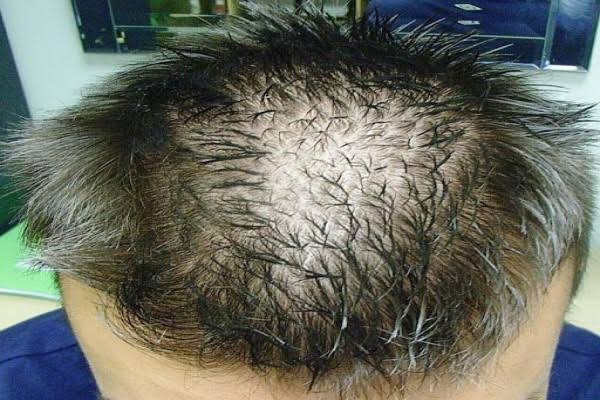
Postpartum telogen is diffuse shedding after a trigger. Female pattern thinning is gradual, patterned, and genetic/hormonal over years. Both can coexist. A dermatologist sorts them.
Patchy bald spots with scale suggest other diagnoses (alopecia areata, infection). Do not assume “just postpartum.”
Broader shedding education: rambut rontok and rambut rontok setelah melahirkan if that ID page is live for bilingual readers.
When to call a clinician
Shedding past six months without improvement. Bald patches. Scalp pain, pus, or thick scale. Extreme fatigue suggesting anemia or thyroid issues. Hair not fuller by the one-year mark.
Bring a timeline: delivery date, peak shed month, diet changes, new meds. Labs may include iron studies and thyroid tests when indicated.
AzScalpDoctor educates; obstetric and dermatology care own medical decisions for new moms.
Practical styling for thin-looking months
Soft layers or bangs can camouflage a wider part temporarily—ask a stylist who will not over-thin already shed hair. Volumizing at roots is fine; avoid heavy oils on the scalp if you run oily—oily scalp.
Color can create illusion of density but adds chemical stress. If you color, use gentler care—cara merawat rambut diwarnai.
Hats help on bad hair days and protect from Arizona sun. Choose styles that do not constantly tug the hairline.
FAQ — postpartum hair loss
Will my hair grow back?
For most people, yes—shedding is temporary as cycles reset. A minority notice lasting change and should get evaluated.
Does breastfeeding cause permanent loss?
No. It may influence timing of hormonal shifts. Permanent pattern loss is a different diagnosis.
Should I take biotin?
Only with clinician advice. Excess biotin can interfere with some lab tests. Food-first nutrition is safer default.
Can SMP fix postpartum shedding?
Not as first-line. Pigment is cosmetic density after the shed settles and goals are clear.
Partners and mental load
Hair shed on pillows can spike anxiety. Name it as common and usually temporary. Seek support if body-image distress is heavy—mental health care matters as much as shampoo.
Share baby-care nights when possible so sleep debt is not the only plan.
Photograph the part monthly in daylight. Progress is easier to see than daily mirror checks.
Nutrition notes without megadosing
Balanced meals support recovery better than random hair gummies. Iron, protein, and overall calories matter when breastfeeding or recovering from birth—confirm labs and supplements with your obstetric or primary clinician.
Do not start high-dose biotin just because a shelf display promises thicker hair. Biotin can skew some lab results. Food-first remains the safer default unless your clinician directs otherwise.
If fatigue, cold intolerance, or heavy periods stack with shedding, ask about iron and thyroid checks. Related reading: rambut rontok karena zat besi.
Breakage vs true postpartum shed
True postpartum shed often shows bulbs on the shed hairs. Breakage from heat or tight styles shows snapped shafts without the same root cycle story. Fix friction and heat if lengths snap—see cara mengatasi rambut rapuh.
Both can happen at once: hormonal shed plus rough styling while you have less time for gentle care. Soften the routine even while you wait for the telogen wave to settle.
Indonesian readers may also use rambut rontok setelah melahirkan for a local-language overview of the same temporary pattern.
Eight-week home plan
Weeks 1–2: switch to gentle wash, stop max heat, loose styles only. Weeks 3–6: keep the same, add one moisture mask on lengths if dry, track shed on a weekly photo of the part. Weeks 7–8: review with your clinician if shedding is still climbing or patches appear.
Skip daily scalp oils if you run oily or itchy. Skip tight extensions that add traction. Skip bleaching “to look fuller” during the peak shed months.
AzScalpDoctor educates Mesa families on timelines and habits. Medical ownership stays with your postpartum and dermatology team.
Patience is the main treatment
Postpartum hair loss is usually a timed shedding wave, not a forever sentence. Gentle care, nutrition with your clinician, less heat and tension, and medical follow-up if the timeline overruns. AzScalpDoctor keeps expectations honest for Mesa-area families. Call (480) 599-0868 · Ste 107 · Mon–Sat 9–5.