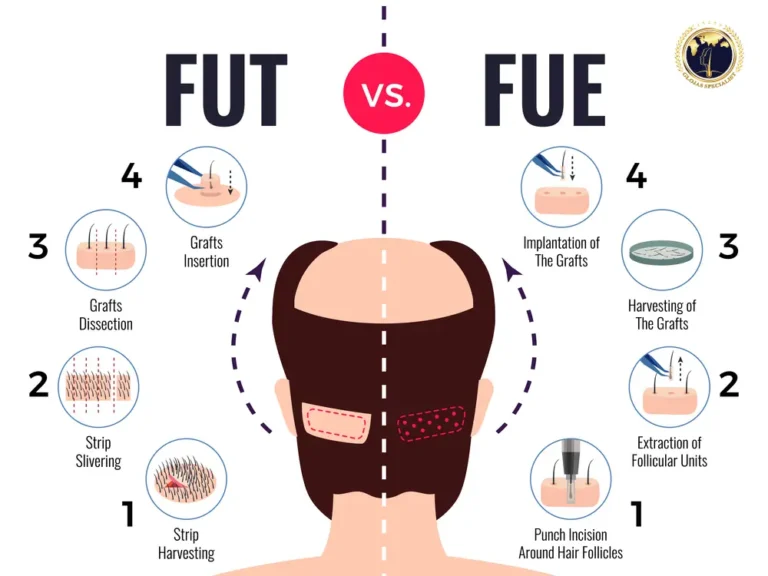
Kategori: FUT Hair Transplant

  • Can I Have Two Hair Transplants? Understanding Second Procedures

    For many people, undergoing a hair transplant is a life-changing experience — restoring confidence, youth, and a natural appearance. But over time, you might wonder:
    👉 Can I have a two hair transplants?

    The short answer is yes, you can.
    A second or even third procedure is possible and quite common, especially as hair loss progresses naturally over the years.

    At AZ Scalp Doctor, Arizona’s trusted hair-restoration clinic, we perform revision and secondary transplants for patients who want more density, better coverage, or refinements after their first procedure.
    Can I Have Two Hair Transplants? | AZ Scalp Doctor Arizona
    Can I Have Two Hair Transplants?

    This article explains when a second transplant is appropriate, how it works, and what you should consider before scheduling another surgery.


    Why People Consider a Second Hair Transplant

    There are several valid reasons patients may opt for a second session:

    1. Progressive Hair Loss

    Hair loss is a continuous process. Even after a successful first transplant, untreated areas may continue to thin, creating new gaps or uneven density. A second session can restore balance and complete the aesthetic harmony.

    2. Desire for Higher Density

    Sometimes the initial transplant prioritizes coverage over density. Once healing and regrowth stabilize, a follow-up procedure can add more grafts for a fuller, thicker look.

    3. Refinement or Hairline Adjustment

    Patients may request a second procedure to refine the hairline, correct symmetry, or transition from an older, less natural design to a more modern and softer look.

    4. Repair from Previous Unsatisfactory Results

    If a previous procedure (done elsewhere) produced visible scarring, pluggy grafts, or unnatural angles, AZ Scalp Doctor specializes in corrective transplants using advanced FUT, FUE, or hybrid techniques.

    5. Combination of FUT + FUE

    Some patients first undergo FUT for maximum graft yield, then later choose FUE for refinement or scar coverage — a strategic two-stage approach for comprehensive restoration.


    How Long Should You Wait Before a Second Hair Transplant?

    Patience is essential.
    At AZ Scalp Doctor, we recommend waiting at least 12–15 months after your first transplant before considering another. This timeframe allows:

    • Full growth of transplanted hair
    • Stabilization of shedding patterns
    • Clear assessment of density and natural direction
    • Donor-area recovery and healing

    In some cases, minor touch-ups (small graft additions) can be done sooner — but only after a detailed evaluation by a qualified surgeon.


    What Happens During a Second Hair Transplant

    1️⃣ Consultation and Scalp Evaluation

    The process begins with a detailed review of your first procedure: technique used (FUT or FUE), donor availability, graft survival, and hair-loss progression.

    At AZ Scalp Doctor, we use digital scalp mapping and trichoscopy to analyze density and predict future hair-loss patterns.

    2️⃣ Donor Area Assessment

    The most critical step in a second transplant is determining how many healthy follicles remain in the donor area.

    • FUT patients often have sufficient grafts left for FUE extraction later.
    • FUE-only patients may require body-hair extraction (beard or chest) for additional grafts.

    3️⃣ Technique Selection

    Depending on scalp condition and goals, our surgeon may recommend:

    • Second FUT (if scalp laxity allows)
    • FUE (to minimize scarring and target small zones)
    • Hybrid FUT + FUE for maximum graft yield

    4️⃣ Implantation & Design

    The new grafts are implanted strategically around existing hair to increase density without damaging old follicles.
    Special care is taken to match angle, direction, and texture for a seamless result.


    FUT vs FUE in a Second Hair Transplant
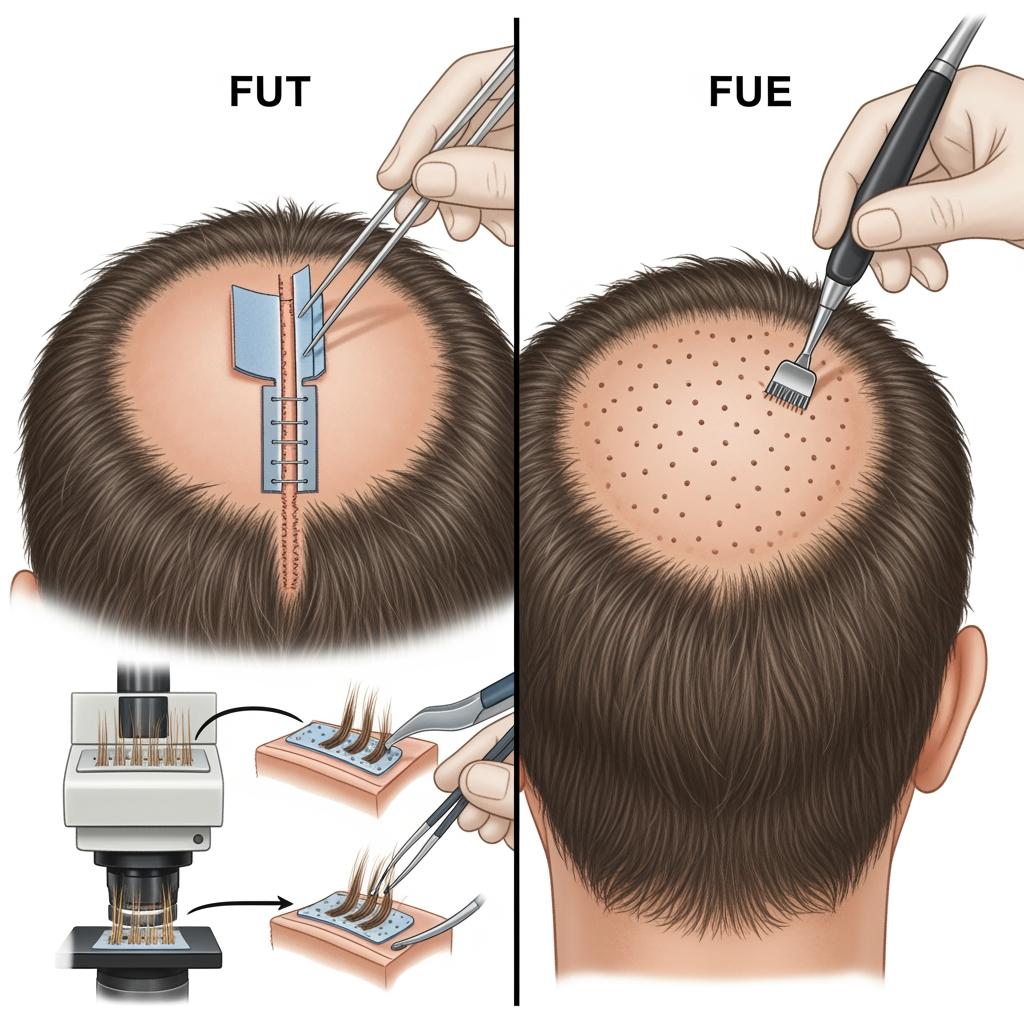
    The Difference Between FUT and FUE Hair Transplant
    TechniqueWhen It’s UsedKey Advantage
    FUT (Follicular Unit Transplantation)When a large number of grafts are neededEfficient graft yield from donor strip
    FUE (Follicular Unit Extraction)When donor scalp is tight or previous FUT scar existsMinimal scarring, flexible targeting
    Hybrid FUT + FUEWhen maximizing both density & refinementCombines high yield with scar coverage

    The Difference Between FUT and FUE Hair Transplant


    How Many Hair Transplants Can You Have?

    In theory, most patients can undergo two to three transplant sessions safely, provided:

    • The donor area remains healthy
    • There’s enough follicular density
    • Each procedure is spaced by at least 12 months

    However, donor supply is finite. A professional surgeon must balance present density with future hair-loss progression to avoid overharvesting.

    At AZ Scalp Doctor, our approach is conservative and long-term.
    We plan for future coverage, ensuring your donor site remains viable if you need another session later in life.


    Second Hair Transplant Success Rate

    Success depends on surgical expertise, donor condition, and aftercare.
    At AZ Scalp Doctor, we consistently achieve graft survival rates above 95%, even in secondary or repair cases.

    Factors influencing success include:

    • Proper graft extraction technique
    • Minimal trauma to existing hair
    • Optimal hydration during surgery
    • Strategic placement avoiding previous scar tissue

    Before and After: What to Expect from a Second Procedure

    StageWhat Happens
    Week 1Mild swelling and redness; scabs form around grafts
    Week 2–3Shedding phase (normal “shock loss”)
    Month 3–5Early new growth visible
    Month 6–9Noticeable density increase
    Month 12+Full results achieved, blending seamlessly with older grafts

    Patients often report that their second transplant heals faster and feels more comfortable since they already know the process.


    Can a Second Hair Transplant Fix a Failed First Surgery?

    Yes — and this is one of our specialties at AZ Scalp Doctor.
    A poorly executed transplant can be corrected through:

    • Scar Revision: Using FUE grafts to camouflage visible scars
    • Hairline Redesign: Adjusting angles and density for natural flow
    • Density Restoration: Filling patchy or thin zones

    With advanced tools and artistry, even older or unnatural results can be dramatically improved.


    Is It Risky to Have Two Hair Transplants?

    When performed by an experienced, board-certified surgeon, a second transplant is very safe.
    The main risks arise only when:

    • The donor area is overharvested
    • interval between surgeries is too short
    • second procedure is done without proper planning

    At AZ Scalp Doctor, we mitigate all risks through detailed pre-operative assessments, precise extraction angles, and post-care monitoring.


    How Much Does a Second Hair Transplant Cost in Arizona?

    Prices vary based on technique and graft count.
    Typical ranges:

    • FUE: $4,000 – $9,000
    • FUT: $3,000 – $7,000
    • Hybrid FUT + FUE: Custom quote

    If it’s a corrective procedure, additional costs may apply for scar revision or density equalization.
    We provide transparent estimates and flexible financing to make second sessions affordable.


    Recovery and Aftercare Tips

    1. Keep scalp elevated and clean for 48 hours.
    2. Avoid exercise and sweating for 7 days.
    3. Don’t pick scabs or rub grafts.
    4. Use prescribed shampoo and medications.
    5. Attend all follow-up visits for assessment and progress tracking.

    Your healing and regrowth will be closely monitored by our AZ Scalp Doctor team to ensure optimal results.


    Frequently Asked Questions

    How many times can I undergo hair transplant surgery?

    Usually 2–3 times, depending on donor density and scalp condition.

    How long must I wait between transplants?

    At least 12–15 months to evaluate full results from the first procedure.

    Will a second hair transplant look natural?

    Yes, when performed by experienced specialists who blend grafts seamlessly with existing hair.

    Can a second transplant fix a visible scar?

    Yes, FUE grafts can effectively camouflage FUT scars.

    Does the donor area recover after the first transplant?

    Partially — careful planning preserves enough donor supply for future use.


    Why Choose AZ Scalp Doctor for a Second Hair Transplant

    • Board-certified hair-restoration specialist
    • Decades of experience with revision cases
    • Advanced microscopic dissection and FUE technology
    • Transparent consultation and customized strategy
    • 5-Star results serving Phoenix, Scottsdale, Mesa & Tempe

    “Whether it’s your first or second procedure, our goal remains the same — to deliver a natural, confident, and lasting transformation.”


    Schedule a Consultation with AZ Scalp Doctor

    If you’re considering a second hair transplant, our Arizona clinic is here to help.
    Book a personalized evaluation to determine your donor strength, graft options, and realistic expectations.

    📅 Book Online Now

    Your journey toward fuller, natural hair doesn’t end after one procedure — it evolves, and AZ Scalp Doctor is here for every step.
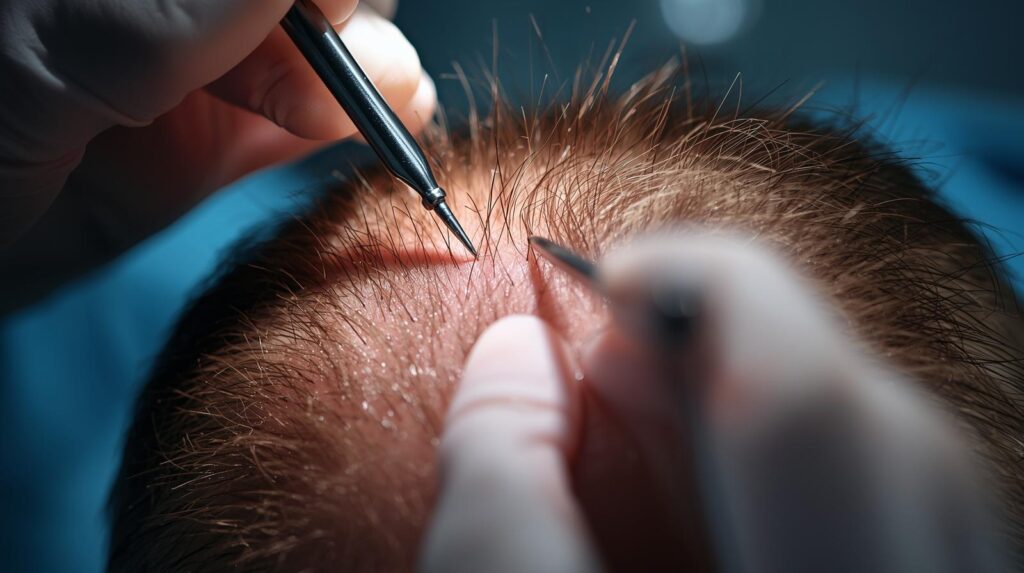
  • The Differences Between FUT And FUE Hair Transplant

    The Differences Between FUT And FUE Hair Transplant

    Hair restoration has advanced dramatically in the past two decades. The days of visible “hair plugs” are long gone — replaced by refined, natural-looking procedures performed with surgical precision.
    Two methods now dominate modern hair transplantation: FUT and FUE.

    At AZ Scalp Doctor, Arizona’s trusted hair-restoration clinic, we perform both techniques depending on each patient’s needs, lifestyle, and scalp condition. Understanding the difference between FUT and FUE helps you make the best decision for achieving permanent, natural hair.


    What Are FUT and FUE Hair Transplants?

    Before comparing, let’s define what each term means.

    FUT (Follicular Unit Transplantation)

    Also known as the strip method, FUT involves removing a narrow strip of scalp from the donor area (usually the back of the head). Under a microscope, this strip is dissected into thousands of individual follicular units — each containing 1–4 hairs — that are then implanted into thinning or bald areas.

    FUE (Follicular Unit Extraction)

    FUE, by contrast, extracts each follicular unit individually using a micro-punch device. No strip of skin is removed; instead, the surgeon harvests follicles one by one and implants them in the recipient area.

    Both techniques transplant your own living hair follicles — ensuring natural, permanent results.


    The Key Difference Between FUT and FUE

    The Difference Between FUT and FUE Hair Transplant

    The main distinction lies in how the donor hair is harvested.

    FeatureFUTFUE
    Donor MethodThin strip of scalp removedIndividual follicles extracted
    ScarringOne fine linear scar (hidden under hair)Hundreds of micro-dot scars (barely visible)
    Healing Time10–14 days3–5 days
    Graft YieldHigher per session (up to 4,000)Moderate (1,500–3,000)
    AnesthesiaLocalLocal
    Post-Op DiscomfortSlight tightnessMild soreness only
    Ideal CandidateLarge bald areas needing high densityPatients wanting minimal scarring or short haircuts
    CostSlightly lower per graftSlightly higher per graft

    In essence:

    • FUT = Maximum grafts per session (ideal for advanced hair loss).
    • FUE = Maximum comfort & minimal scarring (ideal for active lifestyles).

    How Each Procedure Works

    1️⃣ FUT Procedure at AZ Scalp Doctor

    1. The donor area is numbed and a thin strip of scalp is removed.
    2. The incision is closed with fine sutures using trichophytic closure (for nearly invisible scars).
    3. Under a microscope, the strip is divided into thousands of follicular units.
    4. Each graft is inserted into the recipient area following natural hair direction.
    5. Recovery takes about 10–14 days; sutures are removed after a week.

    2️⃣ FUE Procedure at AZ Scalp Doctor

    1. The donor area is trimmed short and numbed.
    2. Using a micro-punch tool (0.8–1.0 mm), follicles are extracted individually.
    3. Each graft is implanted directly into the balding area.
    4. Tiny circular wounds heal naturally in a few days, leaving no linear scar.
    5. Recovery time is just 3–5 days with minimal downtime.

    FUT vs FUE: Advantages and Drawbacks

    Advantages of FUT

    • Can harvest more grafts in a single sitting.
    • Ideal for advanced hair loss cases.
    • Lower cost per graft.
    • Proven long-term results for decades.

    Drawbacks of FUT

    • Linear scar (though concealed under hair).
    • Slightly longer healing time.
    • Not ideal for very short hairstyles.

    Advantages of FUE

    • No stitches or visible scar.
    • Quick recovery — most patients return to work in 3–5 days.
    • Flexible for small areas (hairline, beard, eyebrows).
    • Great for patients who wear short hair.

    Drawbacks of FUE

    • Slightly higher cost per graft.
    • More time-intensive for the surgeon.
    • May require multiple sessions for extensive coverage.

    Results: What to Expect from Each Technique

    TimeframeFUT ResultsFUE Results
    2–3 WeeksMinor shedding (normal)Same phase (shock loss)
    3–6 MonthsNew hair growth visibleEarly growth begins
    9–12 MonthsFull density & coverageFinal texture & density achieved
    Long-TermPermanent, natural hairPermanent, natural hair

    At AZ Scalp Doctor, both methods achieve a 95%+ graft survival rate — thanks to precise handling and advanced implantation techniques.


    Cost Comparison in Arizona

    TechniqueTypical Cost RangeAverage Graft Price
    FUT$3,000 – $7,500$2.50 – $4 per graft
    FUE$4,000 – $9,000$3 – $6 per graft

    Prices depend on:

    • Number of grafts required
    • Technique complexity
    • Surgeon expertise
    • Use of hybrid FUT + FUE approaches

    AZ Scalp Doctor provides transparent, itemized estimates and flexible financing options to make treatment accessible.


    Who Should Choose FUT vs FUE?

    Choose FUT if you:

    • Have large bald areas or advanced hair loss.
    • Prefer maximum density in a single session.
    • Don’t plan to shave your head or wear short hairstyles.
    • Want a more cost-efficient transplant.

    Choose FUE if you:

    • Want minimal or invisible scarring.
    • Prefer faster recovery with no stitches.
    • Need small-area correction (beard, temple, eyebrows).
    • Value flexibility and modern technique.

    Combination (Hybrid) FUT + FUE Procedures

    At AZ Scalp Doctor, many patients benefit from a hybrid approach, combining FUT and FUE in one or multiple sessions.
    This method allows us to:

    • Maximize total graft yield, and
    • Maintain natural donor-area density.

    It’s particularly effective for patients with limited donor availability or previous surgeries.


    Recovery and Aftercare for Both FUT and FUE

    While each method has a different healing timeline, recovery principles are similar:

    First 48 Hours

    • Keep scalp dry and protected.
    • Avoid touching grafts or wearing tight headwear.
    • Sleep with head elevated.

    Days 3–10

    • Gentle washing using the clinic-approved shampoo.
    • Avoid exercise, direct sun, and heat.

    After 2 Weeks

    • Light activities resume.
    • FUT patients may have sutures removed.

    After 3 Months

    • New follicles enter growth phase.
    • Use clinic-recommended supplements and hair serum if advised.

    FUT vs FUE: Which Looks More Natural?

    When done correctly by a skilled surgeon, both FUT and FUE produce equally natural results.
    The artistry lies not in the technique itself, but in:

    • The angle and direction of implantation,
    • The density matching of grafts, and
    • The design of the hairline to fit facial features.

    At AZ Scalp Doctor, our surgical team custom-designs every hairline using digital simulation and patient feedback to ensure the results look natural and seamless.


    FUT and FUE Success Rate

    Our clinic’s graft survival rate exceeds 95%, regardless of technique.
    Key factors behind our success:

    • Microscopic dissection to preserve follicles
    • Gentle handling to prevent trauma
    • Optimal graft hydration
    • Advanced implantation angles for realistic density

    Frequently Asked Questions

    1️⃣ Is FUT more painful than FUE?
    Both are done under local anesthesia. FUT may cause mild tightness for a few days, while FUE has slightly faster comfort recovery.

    2️⃣ Can I choose which method I want?
    Yes. After evaluation, our surgeon will recommend the best method based on your hair-loss pattern and donor health.

    3️⃣ Will my results last forever?
    Yes — transplanted follicles are resistant to future hair loss.

    4️⃣ Can I do FUT now and FUE later?
    Absolutely. Many patients start with FUT and later refine hairlines with FUE.

    5️⃣ Is there a non-surgical alternative?
    PRP therapy or medical treatments like finasteride/minoxidil may slow loss but won’t restore density permanently.


    Why Choose AZ Scalp Doctor for FUT & FUE Hair Transplants

    • Board-Certified Hair-Restoration Specialist
    • Microscopic precision ensuring high graft survival
    • State-of-the-art technology in a safe, sterile facility
    • Natural results, personalized design, transparent cost
    • Serving Phoenix, Scottsdale, Mesa & beyond

    Book a Consultation Today

    If you’re still unsure which technique — FUT or FUE — fits your goals, schedule a consultation with AZ Scalp Doctor.
    Our specialists will analyze your scalp, explain every option, and design a treatment plan tailored just for you.

    📅 Book Online today.

  • Why Is It Important to Have a Hepatitis Test before a Hair Transplant?

    Understanding the Hidden Risks, Safety Standards, and Ethical Responsibility in Modern Hair Transplant

    Before undergoing a hair transplant, most patients focus on the aesthetic outcome — how full their hair will look or which technique (FUE or FUT) is better. However, one vital step often overlooked is medical screening, particularly Hepatitis B and C testing.

    Why Hepatitis Testing Is Essential before a Hair Transplant

    At AZ Scalp Doctor, patient safety is the highest priority. Routine pre-surgery testing helps protect both the patient and the medical team, ensuring that procedures are carried out safely and ethically.

    This article explains why hepatitis testing is essential before any surgical hair restoration, and how it contributes to long-term health and successful results.


    Understanding Hepatitis and Its Transmission

    Hepatitis refers to inflammation of the liver, usually caused by viral infections.
    The two most concerning types in surgical settings are Hepatitis B (HBV) and Hepatitis C (HCV) — both can spread through blood-to-blood contact.

    Common Transmission Routes

    • Use of contaminated instruments
    • Shared needles or sharp tools
    • Blood transfusions (in rare, unscreened cases)
    • Direct exposure to infected body fluids

    Even though modern clinics maintain strict sterilization, unrecognized infections still pose a risk. That’s why professional hair-transplant centers require pre-operative screening for all patients.


    Why Hepatitis Testing Is Mandatory before Hair Transplant

    1. Protecting Patient Safety

    A hair transplant involves micro-incisions and contact with blood.
    If a patient unknowingly carries Hepatitis B or C, surgical stress and anesthesia can further affect liver function. Early detection allows physicians to:

    • Adjust medication or anesthesia protocols
    • Delay surgery until viral load is controlled
    • Prevent potential post-operative complications

    2. Ensuring Medical Team Safety

    Healthcare professionals are also at risk of accidental exposure. Testing minimizes that risk by enabling the clinic to take enhanced infection-control measures, such as double-gloving, disposable instruments, and dedicated treatment zones.

    It’s not just about the patient — it’s about maintaining a safe medical environment for everyone involved.


    3. Upholding Sterilization and Ethical Standards

    International medical boards and associations — including the ISHRS and WHO — emphasize pre-operative blood screening as a non-negotiable standard.

    A clinic that follows this rule demonstrates professionalism, transparency, and genuine care for its patients.

    See Our Safety & Sterilization Protocols


    4. Avoiding Cross-Contamination

    Unscreened hepatitis carriers could inadvertently cause cross-contamination if instruments or surgical tools aren’t managed properly. Even with advanced autoclaves, pre-testing remains the first line of defense.

    At AZ Scalp Doctor, each patient’s test result determines the specific sterilization cycle and setup used — ensuring zero compromise on hygiene.


    5. Legal and Regulatory Compliance

    In many countries, including the U.S. and EU, Hepatitis and HIV testing before elective surgery is legally required.
    Compliance protects both the clinic and the patient from malpractice risks, insurance denial, and legal disputes should a post-operative infection occur.


    What Tests Are Typically Required?

    A standard pre-transplant laboratory panel includes:

    • Hepatitis B Surface Antigen (HBsAg)
    • Hepatitis C Antibody (Anti-HCV)
    • HIV I/II screening
    • Complete Blood Count (CBC)
    • Liver and kidney function tests

    Patients who test positive aren’t automatically disqualified — instead, the procedure is postponed or modified until medical clearance is obtained.

    Explore Our Pre-Surgery Checklist


    How AZ Scalp Doctor Ensures Safety

    At AZ Scalp Doctor, every patient undergoes a confidential pre-operative screening before scheduling surgery.

    • All tests are handled in certified laboratories.
    • Results are reviewed by a licensed physician.
    • Each surgical kit is 100 % single-use and sterilized.
    • The operating room follows ISO-grade infection-control protocols.

    These measures guarantee not only the patient’s safety but also uphold our ethical commitment to the highest clinical standards.


    What If You Test Positive for Hepatitis?

    Testing positive doesn’t mean you can never have a hair transplant.
    It simply means additional precautions are necessary:

    1. Consult a hepatologist to manage viral load and liver health.
    2. Delay surgery until viral activity is controlled.
    3. Continue regular monitoring to maintain stability.

    Once your physician approves, a hair transplant can proceed safely with special sterilization measures and dedicated surgical equipment.


    Ethical Responsibility in Cosmetic Surgery

    A reputable clinic doesn’t just deliver cosmetic results — it safeguards human health.
    Testing for Hepatitis B and C is a small step that prevents lifelong complications. Choosing a clinic that enforces strict pre-surgery screening reflects its commitment to ethics, transparency, and medical integrity.

    Why Choose AZ Scalp Doctor


    Conclusion

    Undergoing a Hepatitis test before a hair transplant isn’t just a formality — it’s a vital safety measure. It protects your health, ensures the safety of medical staff, and reinforces the professionalism of your clinic.

    At AZ Scalp Doctor, we believe great hair restoration starts with great health. By prioritizing comprehensive pre-operative testing, we make sure every transformation is safe, ethical, and life-changing.

    Schedule Your Pre-Surgery Consultation Today

  • Do Hair Transplants Really Work?

    A Definitive Guide to Success, Longevity, and Results

    Introduction

    Hair loss can affect self-confidence, professional image, and overall well-being. As more people seek long-term solutions, hair transplants remain one of the most effective medical procedures available today. But many still ask: do hair transplants really work?

    The short answer is yes. When performed by a skilled and certified specialist, hair transplants provide natural-looking, permanent results that last for decades. In this guide, we’ll uncover everything you need to know — from how the procedure works to recovery, longevity, and real-world success rates — based on the clinical experience of AZ Scalp Doctor specialists.


    How Hair Transplants Work

    Do Hair Transplants Really Work? Definitive Guide to Success

    Hair transplant surgery involves moving healthy, DHT-resistant follicles from the back or sides of the scalp (the donor area) to areas affected by baldness (the recipient zone). These transplanted follicles are genetically programmed to continue growing permanently.

    There are two leading techniques:

    1. Follicular Unit Transplantation (FUT)

    • A thin strip of scalp is removed from the donor area and divided into grafts.
    • Allows for large graft numbers per session, making it ideal for extensive hair loss.
    • May leave a fine linear scar hidden by surrounding hair.

    2. Follicular Unit Excision (FUE)

    • Individual follicles are extracted using micro-punch tools.
    • Minimal scarring and faster recovery, perfect for patients who prefer short hairstyles.
    • Slightly lower graft yield per session but improving with modern robotics and precision tools.

    Learn more about our FUE vs FUT Techniques


    Do Hair Transplants Really Work?

    Absolutely. Modern transplant methods deliver up to 90–95 % graft survival when performed under sterile conditions by licensed specialists. Studies and patient follow-ups confirm that transplanted follicles retain their natural resistance to hair loss hormones (DHT) and continue to grow permanently.

    Most patients see visible results between 3 and 6 months, with full density appearing around 12 months. However, results vary depending on scalp condition, lifestyle, and adherence to aftercare guidelines.


    Comparing FUE vs FUT

    CriteriaFUEFUT
    ScarringTiny dot scars (virtually invisible)Thin linear scar (easily hidden)
    Recovery Time3–7 days10–14 days
    Pain/DiscomfortMinimalMild tension possible
    Graft QuantityModerate (ideal for small / medium areas)High (best for extensive cases)
    Recommended ForShort hairstyles, quick recoveryLarge-scale restoration

    Both techniques deliver outstanding outcomes when matched correctly to the patient’s hair type, pattern, and goals.


    What to Expect After Surgery

    1–2 Weeks: mild redness, swelling, and scabbing around grafts. Healing occurs quickly with proper care.
    2–8 Weeks: temporary shedding phase — transplanted hairs fall out before new growth begins.
    3–4 Months: first signs of regrowth appear; thin, soft hairs start emerging.
    6–9 Months: noticeable thickening and volume increase.
    10–18 Months: final, mature results with natural density and direction.

    Read our Post-Transplant Aftercare Guide


    Longevity & Maintenance

    Transplanted follicles are permanent. They continue to grow just like natural hair for a lifetime. However, non-transplanted hair may still thin with age. To maintain the best overall look, experts at AZ Scalp Doctor recommend:

    • Medications: Minoxidil or Finasteride (under supervision)
    • PRP Therapy: Platelet-rich plasma to boost graft survival
    • Healthy lifestyle: Nutrition, exercise, and scalp hygiene

    Who Is the Ideal Candidate?

    You’re a good candidate for hair transplant surgery if you:

    • Have stable pattern hair loss
    • Possess sufficient donor-area density
    • Maintain overall good health
    • Understand the gradual nature of results

    Those with advanced diffuse thinning or ongoing medical hair loss should stabilize first with professional treatment plans.

    Book a Consultation with AZ Scalp Doctor


    Enhancing Results with Combination Therapy

    Modern clinics now combine surgical and non-surgical methods for optimal outcomes.

    • Finasteride / Minoxidil: Protect existing hair from future thinning.
    • PRP: Strengthens newly transplanted follicles.
    • Low-Level Laser Therapy (LLLT): Increases blood flow and recovery speed.

    Integrating these methods ensures both transplanted and native hair remain dense and healthy.


    Potential Risks & How to Avoid Them

    When performed by certified surgeons, complications are rare. Still, patients should be aware of:

    • Temporary numbness or swelling
    • Mild infection risk
    • Graft failure from poor post-op care
    • Unnatural hairline design if done by inexperienced technicians

    AZ Scalp Doctor guarantees that all procedures are performed by licensed medical professionals following the highest international standards.


    Hair Transplant Industry Insights

    The global hair restoration market has surged over 60 % since 2020, driven by breakthroughs in FUE robotics and minimally invasive methods. FUE now represents over 70 % of all procedures worldwide.

    This rapid growth confirms one thing — hair transplants truly work, and modern innovations continue to make them more effective, accessible, and natural than ever.


    The Definitive Step-by-Step Journey

    Before the Procedure

    1. Scalp examination and donor analysis
    2. Hairline design based on facial proportions
    3. Medical history review and blood screening

    Day of Surgery

    • Local anesthesia administered
    • Graft extraction and implantation
    • Post-operative dressing applied

    Aftercare Timeline

    • Avoid scratching or washing aggressively for 10 days
    • Resume light activities after 3 days
    • Expect shedding by week 3 – 4
    • Begin new growth between 3 – 6 months

    Conclusion

    So — do hair transplants really work?
    Yes, and they remain the gold-standard solution for permanent hair restoration. When performed by experts, the transplanted hair grows naturally, matches existing texture, and lasts a lifetime.

    For anyone struggling with hair loss, this procedure doesn’t just restore hair — it restores confidence, personality, and self-esteem.

    Schedule Your Free Assessment Today

    Our Location : Az Scalp Doctor Arizona

  • What Is FUT Hair Transplant? | AZ Scalp Doctor Arizona

    FUT Hair Transplant: The Proven Strip Method for Permanent Hair Restoration

    What Is FUT Hair Transplant? | AZ Scalp Doctor Arizona

    If you’ve been researching hair restoration, you’ve probably seen the term FUT Hair Transplant or heard people ask, “What is FUT?”

    FUT stands for Follicular Unit Transplantation — one of the most reliable and widely used hair-transplant techniques in modern medicine. At AZ Scalp Doctor, Arizona’s trusted hair-restoration clinic, we specialize in FUT for patients who need high-density coverage and lasting results.

    In this guide, we’ll explain everything about what FUT is, how it works, the benefits, recovery timeline, cost, and how it compares to other methods such as FUE Hair Transplant.

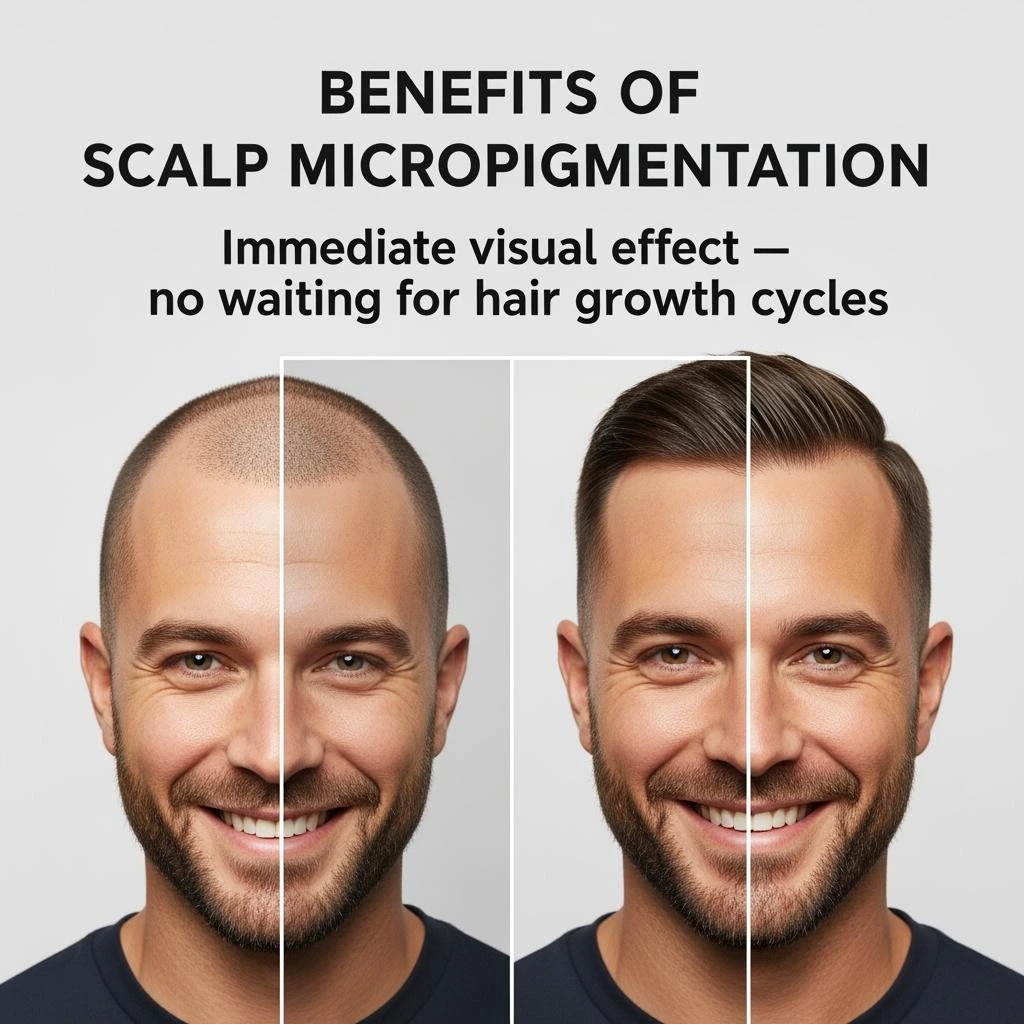
    What Is Scalp Micropigmentation by AzScalpDoctor


    What Is FUT Hair Transplant?

    The FUT technique, often called the strip method, involves removing a narrow strip of skin from the back of the scalp (the donor area). This strip is then carefully dissected under a microscope to isolate individual follicular units — tiny, naturally occurring hair groups of one to four hairs.

    These grafts are then implanted into areas experiencing hair thinning or baldness, typically at the frontal hairline or crown.

    Unlike older “plug” techniques, FUT Hair Transplant produces smooth, natural hairlines and uniform growth patterns. The donor area heals with a fine linear scar that’s easily concealed beneath surrounding hair.

    “FUT remains one of the most effective and scientifically validated hair-transplant methods for patients seeking high density and long-term coverage.” — AZ Scalp Doctor Team


    How FUT Hair Transplant Works Step-by-Step

    Every FUT procedure at AZ Scalp Doctor follows a meticulous, patient-centered protocol to ensure the highest graft survival and natural aesthetics.

    Step 1 – Personalized Consultation

    • A comprehensive scalp evaluation identifies the extent of hair loss, donor density, and scalp flexibility.
    • We design a customized treatment plan, including graft count and target areas.

    Step 2 – Donor Strip Extraction

    • Under local anesthesia, a thin strip (1–1.5 cm wide) is removed from the donor area.
    • The incision is closed with advanced suturing for minimal scarring.

    Step 3 – Microscopic Graft Dissection

    • Our technicians use high-power microscopes to separate follicular units without damaging roots.
    • This ensures grafts remain intact and viable for re-implantation.

    Step 4 – Recipient-Site Creation and Implantation

    • Tiny incisions are made following the natural direction of your hair.
    • Each graft is inserted precisely for even density and natural alignment.

    Step 5 – Recovery and Growth

    • Most patients resume non-strenuous activities within a few days.
    • Full results develop gradually, with noticeable density after 9–12 months.

    Benefits of FUT Hair Transplant

    1. High Graft Yield: FUT can harvest thousands of grafts in a single session — ideal for extensive hair loss.
    2. Cost-Effective: Per-graft pricing is generally lower than FUE, making it budget-friendly for large areas.
    3. Excellent Survival Rate: Grafts dissected under magnification have high success rates.
    4. Permanent & Natural: Results blend seamlessly with your existing hair.
    5. Proven & Trusted: FUT has been a medical standard for over two decades.

    At AZ Scalp Doctor, we combine advanced closure techniques with artistry to ensure your FUT results look effortless.


    FUT vs FUE: Key Differences

    FeatureFUT (Follicular Unit Transplantation)FUE (Follicular Unit Extraction)
    Donor MethodThin strip of scalpIndividual follicles
    ScarringLinear (hidden under hair)Micro-dot
    Healing10–14 days3–5 days
    Graft VolumeHigher per sessionModerate
    CostLower per graftSlightly higher
    Ideal ForLarge hair-loss areasSmall or moderate cases

    If you’re unsure which option suits you best, AZ Scalp Doctor provides detailed scalp analysis to determine whether FUT or FUE offers the best outcome.

    Learn About Follicular Unit Hair Transplant


    Who Should Consider FUT Hair Transplant

    You may be a good candidate if you:

    • Have significant hair loss requiring thousands of grafts
    • Possess good donor density and scalp elasticity
    • Don’t mind maintaining a slightly longer hairstyle
    • Prefer maximum density in fewer sessions

    FUT Hair Transplant Results and Timeline

    TimeframeWhat Happens
    1–2 WeeksSutures removed; mild redness subsides
    2–3 Months“Shock loss” — transplanted hairs shed (normal)
    4–6 MonthsNew follicles start growing
    9–12 MonthsFull density and permanent coverage achieved

    Our Arizona patients love the gradual, natural transformation that comes with FUT.


    FUT Hair Transplant Cost in Arizona

    Pricing depends on graft count and case complexity, but average rates at AZ Scalp Doctor range between $3,000 – $7,500 per session.
    We offer transparent estimates, flexible financing, and combination FUT + FUE packages.


    Recovery & Aftercare Tips

    • Keep the scalp dry for the first 48 hours.
    • Avoid heavy workouts for 10 days.
    • Sleep with head elevated to reduce swelling.
    • Use prescribed shampoo and medications.
    • Attend follow-up appointments to remove sutures and monitor growth.

    FUT Hair Transplant FAQ

    1. Is FUT still used today?
    Absolutely. FUT remains ideal for patients who need dense restoration.

    2. Will FUT leave a scar?
    A fine linear scar remains but is hidden beneath surrounding hair.

    3. How painful is FUT?
    Local anesthesia makes the procedure painless; mild tightness may occur briefly.

    4. When will new hair grow?
    Visible growth begins at 3–4 months, full results by 12 months.

    5. Can FUT and FUE be combined?
    Yes, hybrid techniques are common at AZ Scalp Doctor for maximum graft yield.


    Why Choose AZ Scalp Doctor for FUT in Arizona

    • Board-certified hair-restoration expert
    • Modern surgical technology and sterile environment
    • 95 %+ graft-survival rate
    • Personalized care and transparent pricing
    • 5-Star patient satisfaction

    “We’re not just restoring hair — we’re restoring confidence.”


    Schedule Your FUT Consultation

    Ready to discover if FUT is right for you?
    📅 Book your consultation at AZ Scalp Doctor today and take the first step toward thicker, natural hair.

    our Location : Google Maps

    1061 N Dobson Rd Ste 107,
    MESA, AZ 85201