Tag: hair care tips

  • Healthy Hair: Preventing Damage and Keeping Your Hair Strong

    Having healthy hair isn’t just about looking good — it’s a reflection of your overall well-being, daily habits, and the way you protect your hair from damage. Every day, your hair is exposed to heat, chemicals, friction, environmental stress, and improper routines that slowly weaken its structure. Over time, the damage becomes visible: split ends, dryness, frizz, breakage, thinning, and dullness.

    This complete guide will help you understand how to maintain truly healthy hair and prevent damage before it starts. Whether your hair is straight, wavy, curly, chemically treated, or naturally thick, these strategies form the foundation for strong, shiny, and resilient hair.


    Why Hair Gets Damaged in the First Place

    Hair damage occurs when the cuticle, the protective outer layer of the hair shaft, becomes weakened or lifted. Once the cuticle breaks down, moisture escapes, proteins deteriorate, and the inner layers of the hair become vulnerable.

    The most common causes include:

    1. Heat Styling

    Blow dryers, flat irons, and curling irons reach temperatures as high as 230°C (450°F). This heat breaks down keratin and strips moisture, leading to brittleness.

    2. Chemical Treatments

    Bleaching, coloring, perming, relaxing, and straightening treatments alter your hair’s natural structure. While they can look beautiful, they weaken protein bonds dramatically.

    3. Mechanical Damage

    Brushing aggressively, sleeping with wet hair, tight hairstyles, and friction from towels all cause breakage.

    4. Environmental Stressors

    UV rays, pollution, chlorine, and saltwater slowly dry out and roughen the hair shaft.

    5. Poor Haircare Routine

    Using harsh products, skipping conditioner, or washing too frequently weakens hair over time.

    Understanding the root causes is the first step toward maintaining healthy hair long-term.


    Signs Your Hair Is Damaged

    Before damage becomes severe, your hair will display early symptoms. Watch for:

    • Rough, dry texture
    • Excessive frizz
    • Lack of shine
    • Split ends
    • Tangling easily
    • Hair breaking when brushed
    • Weak or stretchy hair when wet
    • Increased shedding

    If several of these sound familiar, it’s time to adopt preventive habits immediately.


    How to Prevent Hair Damage: The Ultimate Healthy Hair Routine

    Below are the essential steps proven to protect hair, stop breakage, and keep hair strong.


    1. Reduce Heat Styling to a Minimum

    Heat is the number one cause of preventable hair damage.

    Tips to minimize heat damage:

    • Air-dry hair whenever possible
    • Use heat tools on the lowest effective temperature
    • Never straighten or curl hair without heat protectant
    • Choose ceramic tools, which distribute heat more evenly
    • Limit heat styling to 1–2 times per week

    A quality heat protectant forms a barrier on the cuticle, reducing moisture loss and preventing protein degradation.


    2. Protect Your Hair From Chemical Damage

    Coloring and bleaching can be safe — but only with proper care.

    How to reduce chemical damage:

    • Get color treatments done by professionals
    • Avoid overlapping bleach on previously lightened hair
    • Space chemical treatments at least 8–12 weeks apart
    • Use bond-repair products after bleaching
    • Deep-condition weekly

    If your hair is already weakened, choose glosses, demi-permanent dyes, or natural alternatives instead of harsh bleaching.


    3. Strengthen the Hair With Protein & Moisture Balance

    Healthy hair needs both moisture and protein. Too much of one and too little of the other leads to breakage.

    Protein treatments help:

    • Strengthen weak strands
    • Restore elasticity
    • Repair internal bonds

    Moisture treatments help:

    • Hydrate dry hair
    • Reduce frizz
    • Improve softness and shine

    How to balance:

    • If hair is dry → add moisture
    • If hair is weak or stretchy → add protein
    • If hair breaks easily → combine both

    Using a hydrating mask one week and a strengthening mask the next keeps hair stable.


    4. Avoid Mechanical Damage (Brushing, Towels, Hairstyles)

    Mechanical damage is often overlooked, but it contributes heavily to breakage.

    Ways to prevent mechanical damage:

    • Use a wide-tooth comb on wet hair
    • Brush starting from the ends, then move upward
    • Use microfiber towels instead of cotton
    • Avoid tight ponytails, braids, or buns
    • Don’t sleep with wet hair

    Switching to silk pillowcases reduces friction and keeps hair smoother.


    5. Choose the Right Shampoo and Conditioner

    Not all products work for every hair type.

    Healthy hair shampoo tips:

    • Avoid sulfate shampoos if your hair is dry or damaged
    • Use clarifying shampoo only once per month
    • Choose moisturizing formulas for dry hair
    • Strengthening formulas for weak hair

    Conditioner is non-negotiable:

    It seals the cuticle, prevents tangling, and locks in moisture. Always condition the mid-lengths to ends — never the scalp unless using a scalp conditioner.


    6. Protect Hair From UV and Environmental Damage

    Just like your skin, your hair needs protection from the sun.

    How to protect your hair:

    • Use UV-protection sprays
    • Wear hats during strong sunlight
    • Rinse hair after swimming
    • Apply leave-in conditioner before going outdoors

    UV rays weaken protein bonds, causing dryness and color fading.


    7. Keep Your Scalp Healthy

    Healthy hair starts with a healthy scalp. Irritation, buildup, or blocked follicles can stop hair from growing properly.

    How to maintain scalp health:

    • Exfoliate scalp once per week
    • Use lightweight oils (tea tree, rosemary)
    • Avoid heavy products that clog follicles
    • Treat dandruff or oil imbalance promptly

    A balanced scalp produces stronger, healthier strands.


    8. Maintain Nutrition for Strong Hair

    Your hair’s growth and strength depend on the nutrients you consume.

    Key nutrients for healthy hair:

    • Protein – building block of hair
    • Biotin – strengthens hair growth
    • Omega-3 fatty acids – reduce inflammation
    • Iron – prevents shedding
    • Zinc – supports scalp health
    • Vitamin D – essential for follicle activity

    A balanced diet or supplementation supports long-term hair health.


    9. Schedule Regular Trims

    Even the healthiest hair develops split ends over time.

    Trim every:

    • 6–8 weeks if your hair is damaged
    • 10–12 weeks for healthy hair

    Trimming prevents split ends from traveling up the hair shaft and causing more damage.


    10. Use Protective Styles When Needed

    Protective styles reduce daily friction and preserve hair moisture.

    Great examples include:

    • Loose braids
    • Low buns
    • Twists
    • Heatless curls
    • Silk wraps

    Avoid extremely tight styles that pull on the roots.


    11. Hydrate Hair With Oils and Leave-in Conditioners

    These products act like shields against dryness and friction.

    Best oils for healthy hair:

    • Argan oil
    • Coconut oil
    • Jojoba oil
    • Olive oil
    • Castor oil

    Use sparingly — too much oil can clog the scalp or make hair greasy.


    How to Tell If Your Hair Is Getting Healthier

    As you follow consistent damage-prevention habits, you’ll notice:

    • Less breakage when brushing
    • More shine and smoothness
    • Better curl pattern (for curly hair)
    • Reduced frizz
    • Stronger strands
    • Easier styling
    • Fewer split ends

    Healthy hair is soft, flexible, and resilient.


    Frequently Asked Questions About Healthy Hair & Damage Prevention

    Can damaged hair be completely repaired?

    Only early damage can be repaired. Severe damage can be improved but not reversed — trimming is necessary.

    How often should I deep-condition?

    Weekly for damaged hair, biweekly for healthy hair.


    Final Thoughts: Healthy Hair Starts With Prevention

    Healthy hair isn’t just about expensive products — it’s about everyday choices. By protecting your hair from heat, chemicals, friction, and environmental stress, you can dramatically reduce damage and keep your hair looking strong, shiny, and beautiful.

    Consistency is key.
    When you combine proper care, protection, nutrition, and professional guidance, healthy hair becomes not just achievable — but your new normal.
  • Hair Treatment Guide: Repairing, Restoring & Revitalizing Your Hair

    Hair Treatment Guide: Repairing, Restoring & Revitalizing Your Hair

    Maintaining healthy hair is not as simple as using shampoo and conditioner. Daily exposure to heat styling, pollution, chemical coloring, lack of nutrition, and stress can cause significant damage over time. When your hair becomes dry, brittle, or prone to breakage, a proper hair treatment Guide is essential to restore moisture, strength, and shine.

    Hair Treatment Guide: Repair, Restore & Revitalize

    This comprehensive guide will help you understand everything about hair treatments—what they are, the best types, how often you need them, how much they cost, and how to maintain results long-term. Whether you struggle with damaged hair, scalp issues, or thinning strands, the right treatment can completely transform your hair’s health.

    Read More: Restore Your Look with Scalp Micropigmentation Experts


    What Is Hair Treatment?

    A hair treatment is a specialized procedure designed to address specific hair concerns such as damage, dryness, frizz, thinning, or scalp issues. Unlike basic hair care, hair treatments penetrate deeper into the hair shaft or scalp to repair structural damage and deliver targeted nutrients.

    Hair treatments are recommended for individuals who experience:

    • Dry, brittle strands
    • Split ends that return quickly
    • Breakage from coloring or heat
    • A flaky, oily, or itchy scalp
    • Hair thinning or lack of volume
    • Severely damaged hair due to chemical processes

    Professional treatments are far more effective than at-home products because they use concentrated formulas and deeper penetration techniques that directly strengthen the hair’s internal structure.


    Types of Hair Treatment Guide You Should Know

    Not all hair concerns are the same, which is why there are multiple types of hair treatments. Each one is designed to solve a different problem. Here are the most effective and popular options available today:


    1. Keratin Treatment Guide

    A keratin treatment is one of the most in-demand smoothing procedures. It works by infusing natural keratin protein into the hair cuticle, making the hair smoother, straighter, and shinier.

    Benefits:

    • Reduces frizz
    • Adds silky shine
    • Smooths rough hair texture
    • Makes hair easier to style
    • Can last 3–5 months with proper aftercare

    Keratin treatment is ideal for people with frizzy, unruly, or wavy hair who want a smooth, polished look without permanent straightening.

    Hair Treatment Keratin Versi AloDoker


    2. Hair Repair Treatment Guide

    A hair repair treatment focuses on rebuilding damaged hair from the inside out. It often uses bond-building ingredients, protein masks, deep conditioners, and moisture-rich formulas.

    Benefits:

    • Repairs internal hair bonds
    • Strengthens weak or broken strands
    • Restores elasticity and softness
    • Prevents further breakage

    This treatment is most suitable for chemically damaged hair—especially after bleaching, coloring, perming, or excessive heat styling.


    3. Scalp Treatment Guide

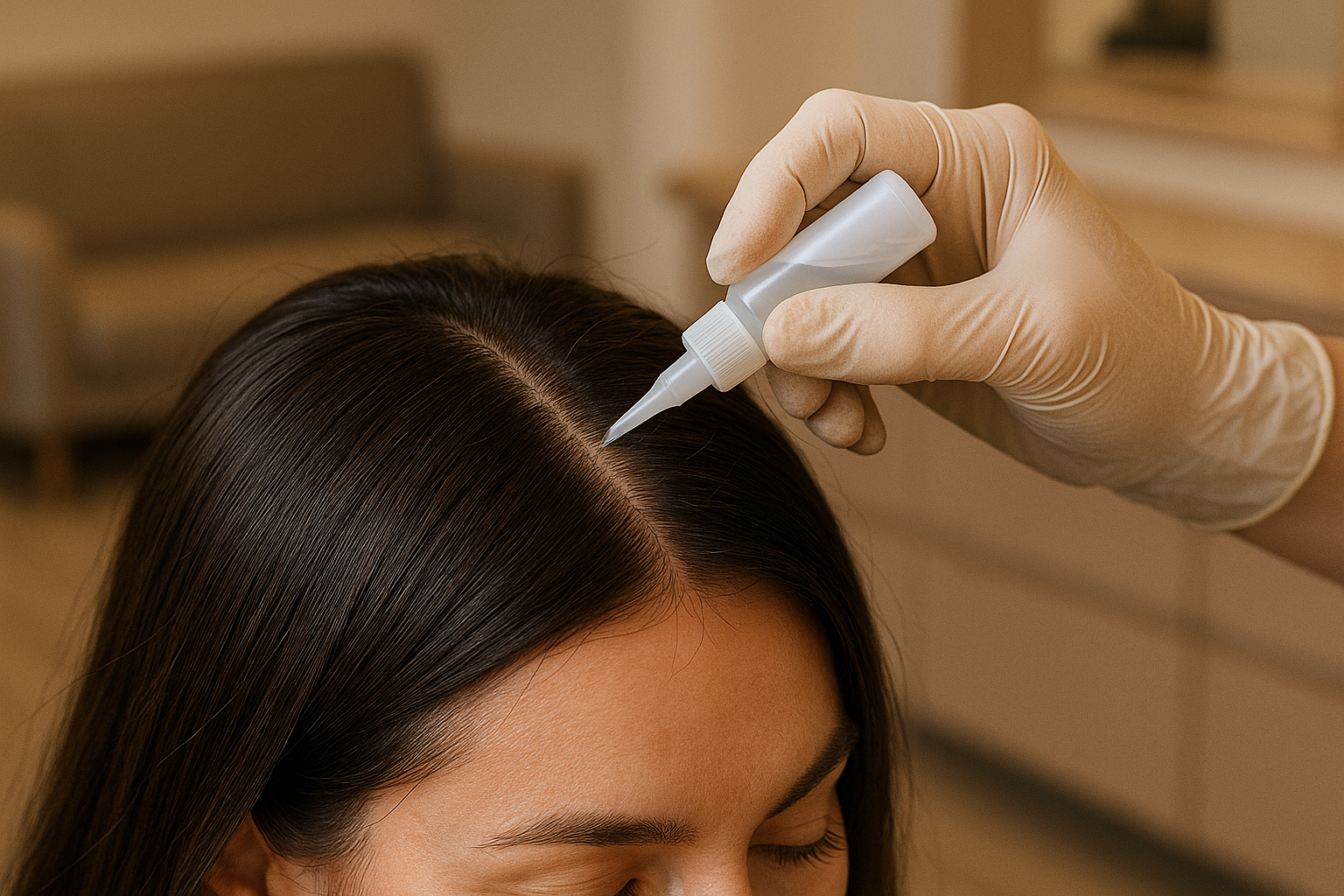
    A scalp treatment targets the root of hair health: the scalp. When the scalp is balanced, nourished, and free of buildup, hair grows stronger and healthier.

    Benefits:

    • Controls oil production
    • Relieves dandruff and flakiness
    • Removes product buildup
    • Improves blood circulation
    • Reduces itchiness and inflammation

    Scalp treatments are especially useful for individuals with oily scalp, dry scalp, dandruff, or early-stage hair thinning.


    4. Hair Growth Treatment Guide

    Hair growth treatments focus on stimulating the follicles and improving density. They may include topical formulas, peptide serums, microneedling, PRP therapy, or SMP illusion density.

    Benefits:

    • Encourages new hair growth
    • Thickens weak strands
    • Boosts scalp health
    • Reduces shedding

    This treatment is ideal for individuals experiencing mild to moderate thinning, stress-related hair loss, or weakened follicles.


    5. Hair Botox Treatment Guide

    Despite the name, hair botox does not use actual Botox. Instead, it is a restorative treatment packed with collagen, proteins, vitamins, and amino acids.

    Benefits:

    • Deeply hydrates dry hair
    • Reduces frizz
    • Restores shine
    • Repairs damaged cuticles

    Hair botox is recommended for dry, brittle, or aging hair that needs deep nourishment.


    Signs You Need a Professional Hair Treatment Guide

    Not sure if you need a hair treatment? Your hair and scalp often show clear signs:

    1. Dry or Brittle Hair

    Your hair feels rough, lacks shine, and absorbs moisture quickly.

    2. Split Ends That Reappear Quickly

    Even after trimming, split ends return within weeks.

    3. Excessive Breakage

    Hair snaps easily when brushing or washing.

    4. Chemical or Color Damage

    Bleaching, coloring, or perming weakens hair fibers significantly.

    5. Oily, Itchy, or Flaky Scalp

    Indicates scalp imbalance, buildup, or dandruff.

    When these symptoms persist, a professional hair treatment becomes essential to restore balance and strengthen the hair.


    Best Hair Treatment Guide for Damaged Hair

    Damaged hair requires targeted repair. The ideal treatment depends on the type and severity of the damage:

    For Heat Damage

    → Protein and moisture-repair masks
    → Bond-building treatments

    For Chemical Damage (Bleaching/Coloring)

    → Hair repair treatment
    → Hair botox
    → Olaplex-style bond repair

    For Dry, Brittle Hair

    → Deep hydration treatment
    → Moisture infusion therapy

    For Structural Damage

    → Keratin or amino acid smoothing

    The best hair treatment for damaged hair is one that rebuilds the hair structure while restoring hydration and elasticity.


    How Often Should You Get a Hair Treatment?

    The ideal frequency depends on the treatment type:

    • Keratin treatment → every 3–5 months
    • Scalp treatment → every 2–4 weeks
    • Hair repair treatment → weekly or biweekly
    • Hair botox → every 2–3 months
    • Hair growth treatments → depend on the method (often monthly)

    A general rule:
    If your hair is severely damaged, more frequent treatments may be required until the structure improves.


    Hair Treatment vs Hair Replacement: What’s the Difference?

    These two terms are often confused, but they serve completely different purposes:

    Hair Treatment

    • Repairs, strengthens, or hydrates natural hair
    • Improves scalp health
    • Reduces damage
    • Enhances appearance
    • Helps prevent hair loss

    Hair Replacement

    • Does not repair natural hair
    • Includes wigs, hair systems, hair transplants, or scalp micropigmentation
    • Focuses on appearance, not hair health

    If your hair is thinning, a combination of both treatment and replacement may provide the best results.


    Cost of Hair Treatments

    The cost varies based on the type of treatment, length of hair, product quality, and location.

    Estimated Prices:

    • Keratin treatment: $150–$400
    • Hair repair treatment: $40–$150
    • Scalp treatment: $50–$120
    • Hair botox: $120–$250
    • Hair growth programs: $100–$600 per session (depending on method)

    Cost Factors:

    • Hair length and thickness
    • Level of damage
    • Stylist or clinic experience
    • Geographic location

    Searching for “hair treatment cost in [your city]” provides a more accurate estimate for your area.


    How to Maintain Results After a Hair Treatment Guide

    To make your treatment last longer, follow these maintenance tips:

    1. Use Sulfate-Free Products

    Sulfates strip moisture and cause dryness, shortening treatment longevity.

    2. Reduce Heat Styling

    Too much heat reverses the benefits of smoothing and repair treatments.

    3. Protect Hair While Sleeping

    Use a silk pillowcase or wrap your hair to reduce friction.

    4. Schedule Regular Follow-Up Treatments

    Consistency helps build and maintain healthy hair over time.

    5. Avoid Saltwater and Chlorine

    Chlorine and salt can reduce treatment effectiveness, especially keratin.


    FAQs About Hair Treatments Guide

    What is the best treatment for extremely damaged hair?

    Bond-building repair treatments combined with deep hydration are typically the best solution.

    Can hair treatment fix split ends permanently?

    No treatment can permanently fix split ends. Only trimming removes them, but treatments help prevent new ones from forming.

    Is keratin treatment safe for all hair types?

    Keratin is generally safe, but extremely fine or fragile hair may require a lighter formula.

    How long does a hair treatment last?

    Depending on the treatment type, results can last anywhere from 2 weeks to 5 months.

    Do scalp treatments help with hair loss?

    Yes, scalp treatments improve circulation, reduce inflammation, and remove buildup—factors that support healthier hair growth.


    Final Thoughts: Choosing the Right Hair Treatment for You

    Choosing the right hair treatment depends on your unique hair condition, daily habits, and long-term hair goals. If your hair is damaged, dry, brittle, frizzy, or thinning, a professional treatment can quickly restore strength and shine. Keratin treatments smooth the hair, scalp treatments support growth, hair repair treatments rebuild structure, and hair botox deeply nourishes every strand.

    Read More: Information About Hair Transplant Guide 2025 With AzScalp

    For best results, consult with a qualified stylist or hair specialist who can assess your hair condition and create a tailored treatment plan. When combined with the right aftercare, hair treatments can completely transform your hair—helping you achieve healthier, stronger, and more beautiful strands every day.