Understanding the Hidden Risks, Safety Standards, and Ethical Responsibility in Modern Hair Transplant
Before undergoing a hair transplant, most patients focus on the aesthetic outcome — how full their hair will look or which technique (FUE or FUT) is better. However, one vital step often overlooked is medical screening, particularly Hepatitis B and C testing.
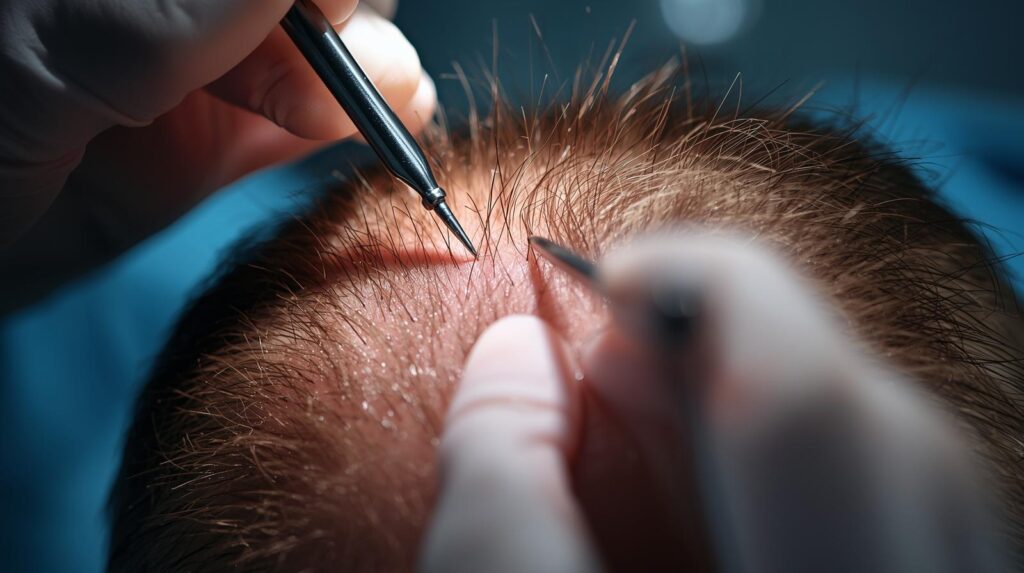
At AZ Scalp Doctor, patient safety is the highest priority. Routine pre-surgery testing helps protect both the patient and the medical team, ensuring that procedures are carried out safely and ethically.
This article explains why hepatitis testing is essential before any surgical hair restoration, and how it contributes to long-term health and successful results.
Understanding Hepatitis and Its Transmission
Hepatitis refers to inflammation of the liver, usually caused by viral infections.
The two most concerning types in surgical settings are Hepatitis B (HBV) and Hepatitis C (HCV) — both can spread through blood-to-blood contact.
Common Transmission Routes
- Use of contaminated instruments
- Shared needles or sharp tools
- Blood transfusions (in rare, unscreened cases)
- Direct exposure to infected body fluids
Even though modern clinics maintain strict sterilization, unrecognized infections still pose a risk. That’s why professional hair-transplant centers require pre-operative screening for all patients.
Why Hepatitis Testing Is Mandatory before Hair Transplant
1. Protecting Patient Safety
A hair transplant involves micro-incisions and contact with blood.
If a patient unknowingly carries Hepatitis B or C, surgical stress and anesthesia can further affect liver function. Early detection allows physicians to:
- Adjust medication or anesthesia protocols
- Delay surgery until viral load is controlled
- Prevent potential post-operative complications
2. Ensuring Medical Team Safety
Healthcare professionals are also at risk of accidental exposure. Testing minimizes that risk by enabling the clinic to take enhanced infection-control measures, such as double-gloving, disposable instruments, and dedicated treatment zones.
It’s not just about the patient — it’s about maintaining a safe medical environment for everyone involved.
3. Upholding Sterilization and Ethical Standards
International medical boards and associations — including the ISHRS and WHO — emphasize pre-operative blood screening as a non-negotiable standard.
A clinic that follows this rule demonstrates professionalism, transparency, and genuine care for its patients.
4. Avoiding Cross-Contamination
Unscreened hepatitis carriers could inadvertently cause cross-contamination if instruments or surgical tools aren’t managed properly. Even with advanced autoclaves, pre-testing remains the first line of defense.
At AZ Scalp Doctor, each patient’s test result determines the specific sterilization cycle and setup used — ensuring zero compromise on hygiene.
5. Legal and Regulatory Compliance
In many countries, including the U.S. and EU, Hepatitis and HIV testing before elective surgery is legally required.
Compliance protects both the clinic and the patient from malpractice risks, insurance denial, and legal disputes should a post-operative infection occur.
What Tests Are Typically Required?
A standard pre-transplant laboratory panel includes:
- Hepatitis B Surface Antigen (HBsAg)
- Hepatitis C Antibody (Anti-HCV)
- HIV I/II screening
- Complete Blood Count (CBC)
- Liver and kidney function tests
Patients who test positive aren’t automatically disqualified — instead, the procedure is postponed or modified until medical clearance is obtained.
How AZ Scalp Doctor Ensures Safety
At AZ Scalp Doctor, every patient undergoes a confidential pre-operative screening before scheduling surgery.
- All tests are handled in certified laboratories.
- Results are reviewed by a licensed physician.
- Each surgical kit is 100 % single-use and sterilized.
- The operating room follows ISO-grade infection-control protocols.
These measures guarantee not only the patient’s safety but also uphold our ethical commitment to the highest clinical standards.
What If You Test Positive for Hepatitis?
Testing positive doesn’t mean you can never have a hair transplant.
It simply means additional precautions are necessary:
- Consult a hepatologist to manage viral load and liver health.
- Delay surgery until viral activity is controlled.
- Continue regular monitoring to maintain stability.
Once your physician approves, a hair transplant can proceed safely with special sterilization measures and dedicated surgical equipment.
Ethical Responsibility in Cosmetic Surgery
A reputable clinic doesn’t just deliver cosmetic results — it safeguards human health.
Testing for Hepatitis B and C is a small step that prevents lifelong complications. Choosing a clinic that enforces strict pre-surgery screening reflects its commitment to ethics, transparency, and medical integrity.
Conclusion
Undergoing a Hepatitis test before a hair transplant isn’t just a formality — it’s a vital safety measure. It protects your health, ensures the safety of medical staff, and reinforces the professionalism of your clinic.
At AZ Scalp Doctor, we believe great hair restoration starts with great health. By prioritizing comprehensive pre-operative testing, we make sure every transformation is safe, ethical, and life-changing.